


Wheelchair Cushion for Pressure Sores: Foam, Gel, Air and the 2-Hour Rule
Aug 30, 2026
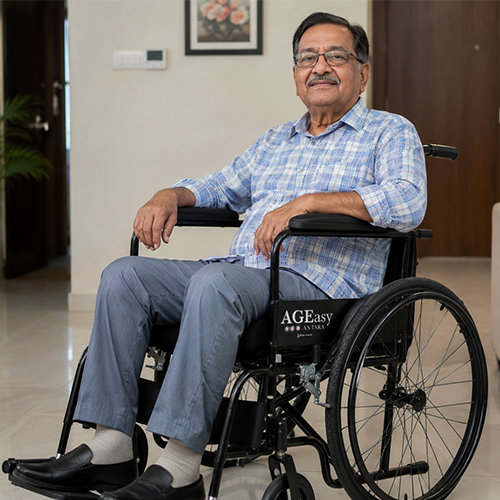
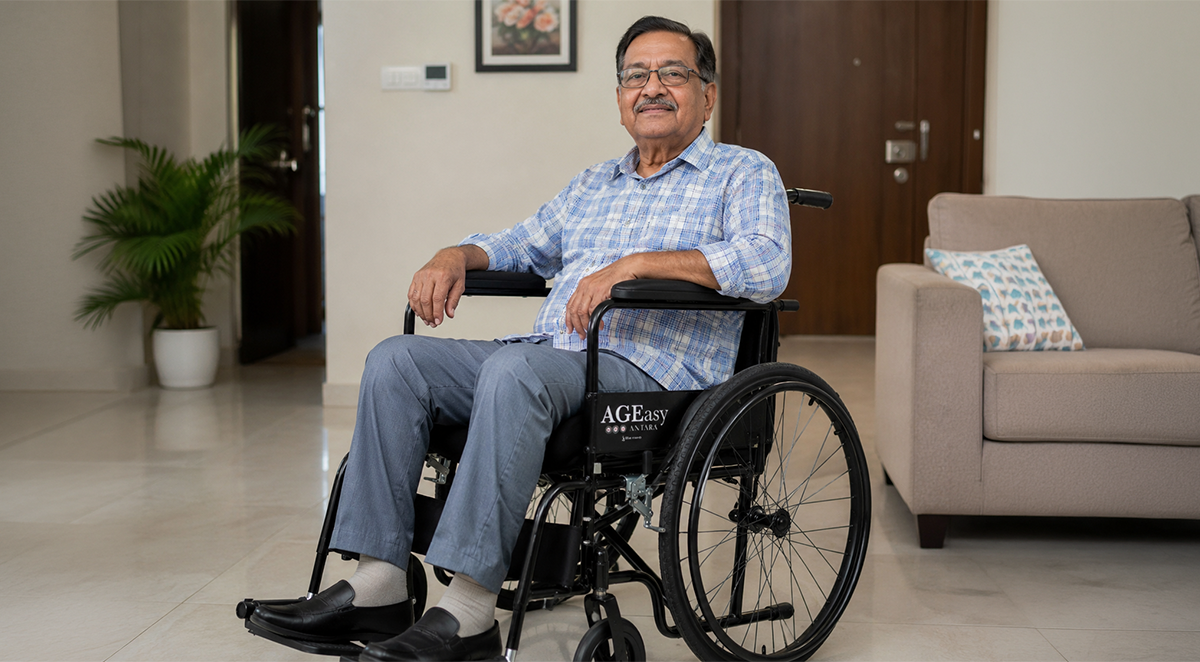
Choosing a wheelchair cushion can feel very important when your parent has significant seating needs. However, a wheelchair cushion is not a cure for a pressure sore. Pressure sores may begin with warmth and tenderness and can progress to broken skin.
A good wheelchair cushion can help distribute pressure and improve comfort, but it cannot cure an existing pressure injury. The condition of the skin, how your parent sits, how long they remain seated, and their ability to reposition all matter when deciding which cushion may be appropriate.
Wheelchair cushions can be made from foam, gel, air, or a combination of materials. Each type has different characteristics, and the 2-hour rule is only a starting point rather than a universal safety rule.
What Does a Wheelchair Cushion Do?
Sitting can cause pressure and shear to build up around the pelvis and tailbone. Shear can occur when the body slides while the skin remains against the seating surface.
Moisture, friction, poor posture, reduced sensation, poor nutrition, and restricted movement can increase the risk of pressure injury.
A suitable cushion can help distribute pressure and support a better sitting posture. However, the cushion needs to be checked regularly. A cushion that is the wrong size, improperly inflated, or combined with an unsuitable additional cushion can cause the person to slide and potentially increase pressure on vulnerable areas.
Seek immediate medical advice if you notice dark or purple discoloration, blisters, broken skin, drainage, or an area that appears swollen, warm, or painful. Do not massage a red or broken area. While seeking help, avoid further pressure on the affected area.
Foam Wheelchair Cushions
Foam wheelchair cushions are generally lightweight and simple to install. They provide a firm seating surface, and some are contoured to provide pelvic support and reduce sliding.
Memory foam is softer and conforms more closely to the body. However, it can become less supportive and retain heat over time.
Foam cushions may be useful for basic seating and pressure distribution when the cushion is correctly sized and positioned. Look for a stable cushion with a suitable height, shape, and non-slip surface for the wheelchair.
A cushion that raises the seating height too much can affect foot and arm support and may make transfers more difficult or increase the risk of a fall.
Replace a foam cushion if it no longer returns to its original shape, becomes permanently compressed, is damaged or uneven, or no longer provides adequate support.
Avoid keeping a damp cushion cover in use. Moisture can irritate the skin and may take a long time to dry.
Gel Wheelchair Cushions
Gel wheelchair cushions use gel or gel pockets to distribute pressure. They can provide a cooler seating surface compared with some foam cushions and may be considered for people who sit for longer periods and require greater pressure distribution.
Gel cushions can be heavier than foam cushions. Some also need to be repositioned to ensure the gel remains evenly distributed.
Check the cushion regularly to make sure it does not fold, bunch, or slide. Look for hard spots or areas where the gel appears to have moved.
A gel cushion may need to be replaced if the gel leaks, hardens, or moves around in a way that affects the seating surface.
Gel cushions do not eliminate the need for repositioning or regular skin checks. They should be considered as part of a broader pressure-management plan.
If your parent has reduced sensation and may not reliably notice discomfort, a therapist or seating professional should assess the cushion and seating position.
Air Wheelchair Cushions
Air cushions use adjustable air cells that can conform to the user's body when correctly adjusted. Their main advantage is that the air pressure can be adjusted to the individual's seating needs.
The trade-off is that an air cushion can feel unstable when it is underinflated or overinflated. Correct adjustment is therefore important.
Check the valves and cover regularly for leaks. The cushion should not be placed on an uneven or unsuitable surface.
If your parent has severe weakness or pelvic asymmetry, a clinical therapist or qualified seating professional should assess the cushion and seating position.
An air cushion should also have a backup plan. Carry the appropriate repair kit or pump when travelling and check the cushion before leaving for a long journey.
A flat air cushion can change the person's seating position and reduce their ability to maintain a protective posture.
How to Decide Between Foam, Gel and Air
The material alone should not determine which cushion is selected. Start with your parent's posture, sitting habits, discomfort, and mobility.
Consider:
- How long your parent sits each day
- Where they experience discomfort
- How frequently they shift their weight
- Whether they slide forward in the wheelchair
- Their weight and hip width
- How they sit in the wheelchair
- How they transfer into and out of the wheelchair
This information can help a seating professional determine the appropriate cushion size and design.
In general, the source describes foam as suitable for simpler, shorter periods of seating, gel as an option for people seeking greater cushioning who can manage a heavier cushion, and air as an option for people with higher pressure-management needs who can have the cushion checked and adjusted appropriately.
Questions to Ask Before Buying a Wheelchair Cushion
- Does the cushion fit the width and depth of the wheelchair seat?
- Does it support the thighs and knees without creating pressure?
- Does it help prevent the pelvis from sliding?
- Is the cover breathable, removable, and washable?
- Will your parent use it for several hours each day?
- Who will check, clean, and adjust the cushion?
- Does the seller have a suitable return policy?
AGEasy Seating Support
AGEasy offers seating products that may be relevant for people who spend long periods sitting. Before purchasing a comfort cushion, check the product's fit and instructions against the wheelchair.
The AGEasy Coccyx Cushion may help improve sitting comfort for some people by reducing direct pressure around the coccyx. However, it should not be treated as a substitute for wheelchair seating assessment or pressure-injury management.
If your parent has a healing wound, do not place a coccyx cushion directly beneath the affected area unless a healthcare professional has advised that it is appropriate. A coccyx cut-out should also not be assumed to suit every person's seating posture.
AGEasy's Air Mattress is intended for bed use and should not be used as a substitute for a wheelchair cushion. Someone who spends most of their time in bed may require a broader pressure-management plan that also considers wheelchair seating when they are out of bed.
The 2-Hour Rule and Safe Repositioning
The 2-hour rule is commonly used as a starting reference for how long a person who cannot reposition themselves may remain in one position. It is not a universal safety measure for every person.
Some people may require repositioning more frequently, particularly when the skin is already breaking down, there is a known pressure injury, sensation is reduced, moisture is excessive, circulation is poor, or the skin has previously developed discoloration quickly.
A nurse, physician, or physical therapist should help establish an appropriate daily repositioning routine.
In a wheelchair, repositioning may involve a standing assist, transferring to a safe surface, or performing a lateral weight shift, depending on the person's equipment and strength.
Do not lean or lift someone who has poor balance without appropriate support. A qualified professional should demonstrate the safest technique for the individual.
Check the Skin Regularly
Check your parent's skin after long periods of sitting and during personal care. Pay particular attention to the tailbone, sitting bones, hips, thighs, and heels.
Redness that does not disappear after pressure is removed is concerning and should be assessed.
Pressure injuries may look different on darker skin. Instead of obvious redness, look for changes in colour, temperature, firmness, or texture.
If you notice dark or purple skin, blisters, broken skin, drainage, swelling, warmth, or pain, seek medical advice promptly.
Habits That Help Protect the Skin
- Position the wheelchair cushion securely.
- Make sure the cushion height is appropriate for both the user and wheelchair.
- Keep the wheelchair brakes engaged when the chair is stationary.
- Provide appropriate foot support.
- Keep clothing smooth and free from folds underneath pressure areas.
- Keep the skin clean and dry.
- Do not use donut cushions.
- Do not drag your parent across the wheelchair seat during transfers.
- Use an appropriate transfer method or device recommended by a qualified therapist.
Nutrition and hydration also form part of a wider pressure-management plan. Follow any diet recommended by the healthcare team and ask for advice if your parent has poor appetite, difficulty swallowing, unexplained weight loss, or an existing wound.
When to Get Professional Help
Contact your doctor or nurse if your parent's condition is getting worse, if new blisters or sores appear, if the skin becomes red or numb, if clear fluid is draining, if swelling develops, or if your parent can no longer sit for as long as before.
Seek medical attention promptly if your parent develops a new rash or skin colour change accompanied by fever, spreading redness, warmth, pus, or significant pain.
A wheelchair cushion works best as part of a wider plan involving movement, skin care, appropriate repositioning, nutrition, and regular professional assessment when required.
The Right Cushion Is About More Than the Material
The right wheelchair cushion is the one that fits the person, the wheelchair, and their seating needs. Foam, gel, and air cushions each have different characteristics, but none of them eliminates the need for correct positioning, regular skin checks, and appropriate repositioning.
Use the 2-hour rule as a starting point for a conversation about repositioning rather than as a fixed safety limit. Your parent's skin condition, mobility, sensation, circulation, and healthcare plan should determine how often they need to change position.
When pressure sores or changes in skin are already present, professional assessment should take priority over simply changing the cushion.
Disclaimer: This information is for general purposes and is not a substitute for medical care. A healthcare professional should evaluate pressure sores, changes in skin, wheelchair seating, and repositioning needs.