


Why Older Adults Wake Up With a Stiff Neck Even After 8 Hours of Sleep
Article by: Manya
Jul 10, 2026. 7 min read


With a good night's sleep, one would expect that it would not cause new aches and pains. However, many older adults report waking up every morning with neck pain. They wait for the pain and stiffness to fade, cast the blame to old age, and carry on with their day.
Assuming their neck pain is a normal part of the aging process is one of the biggest mistakes one can make. In most cases, that is not true.
If the parent's neck pain improves throughout the course of the day, they have difficulty turning their neck after they wake up, they often complain that their pillow feels uncomfortable and it seems like every day there is more and more stiffness that is part of the morning ritual, do not ignore it. It is not just aging. It is a sign that either the neck is improperly supported or there is an underlying issue that needs to be addressed.
If those signs are ignored, the parent will most likely start their day with neck pain, develop the habit of avoiding head turns while driving or walking, and lose the ability to do daily activities comfortably and will lose confidence in doing the activities.
By understanding the issues, morning stiffness can be reduced through simple changes. The right sleeping position, the right pillow, knowing when to seek medical help for neck pain, and helping the parent to wake up with more comfort and being ready for the day.
This guide will help you to understand the reasons why older adults wake up with a stiff neck, what early morning symptoms mean, and what steps families can take to help make the sleep better and reduce the pain.
What Causes Morning Neck Stiffness in Older Adults
Several factors combine to cause morning neck stiffness in older adults.
Poor Pillow Support
The most common cause is the pillow. A pillow with the wrong height or shape forces the neck out of its natural curve for hours at a stretch. Over years, this strain adds up, leaving muscles tight and joints stiff by morning.
Sleep Position
Sleep position plays a role too. Stomach sleeping twists the neck to one side for hours, straining muscles on one side of the neck. Back and side sleeping put less strain on the neck, provided the pillow keeps the head aligned with the spine.
Age-Related Changes in the Neck
The aging process also affects the neck. An example that illustrates this are older adults who have cervical spondylosis, which refers to the deterioration of the discs and joints in the neck. This type of degeneration can also be observed with osteoarthritis in the same joints. Both conditions cause stiffness, most notably worse first thing in the morning, after prolonged periods of inactivity, and somewhat eases once the individual is active again.
Less Movement Overnight
Problems are compounded by reduced movement overnight. While younger individuals are more likely to shift positions frequently during sleep, older adults typically remain in one position for extended periods of time. This is especially true for older adults who experience joint pain or have mobility restrictions. A greater duration of positional stasis limits movement and facilitates muscular stiffness, as well as decreases blood circulation in the neck and shoulder regions.
Dehydration and Cold Rooms
Dehydration and cold rooms add further strain. Muscles need water to stay flexible, and older adults often drink less than they need. A cold bedroom tightens muscles overnight too, adding to stiffness by morning.
Why the Pillow Matters More Than Most Families Realise
A pillow does one job. It holds the head and neck in a neutral position through the night. Most standard pillows fail at this job for older adults, since they flatten over time and stop supporting the neck's natural curve. A pillow which suited your parent well five years ago likely no longer offers the same support, since foam and fibre fillings compress and lose shape with regular use.
The height of the pillow matters as much as the softness. A pillow which sits too high pushes the chin toward the chest and strains the back of the neck. A pillow which sits too low lets the head tilt backward, straining the front of the neck instead. Neither position lets the muscles rest through the night.
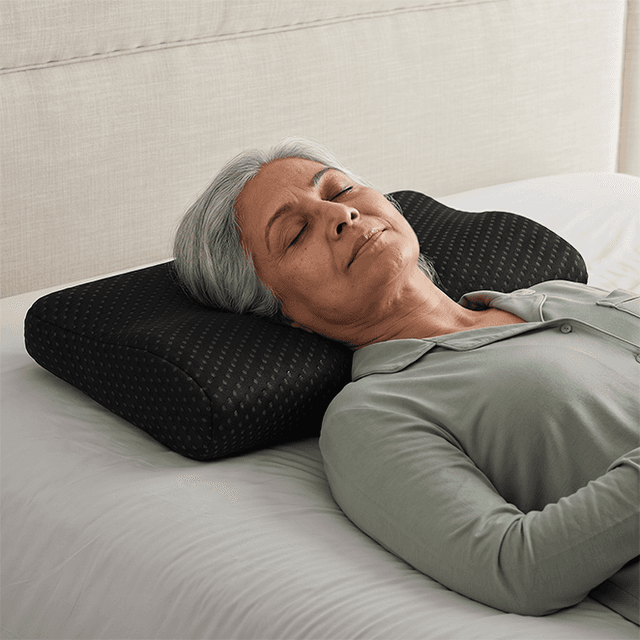
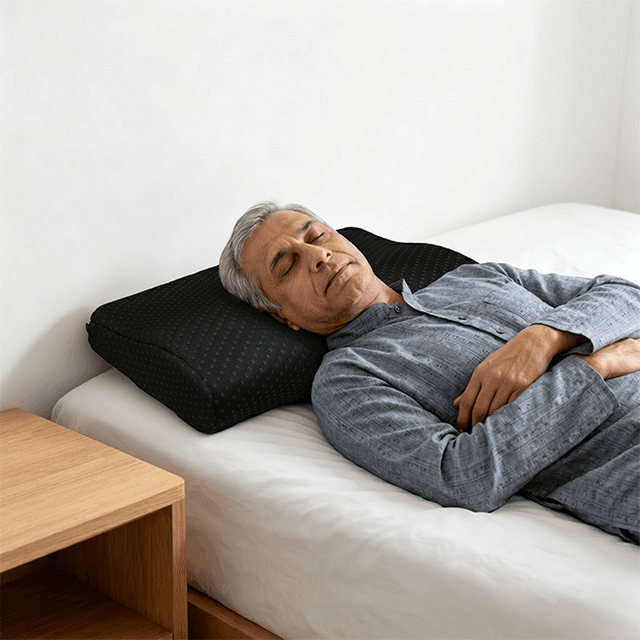
The AGEasy Cervical Pillow is specifically designed for these concerns. The pillow is constructed from high-density memory foam which means it keeps its shape all night long, while it also has the flexibility to mold to the position of the neck rather than going flat. The design includes two different heights for curves on either side, where back sleepers can use the higher curve for support underneath their neck, and side sleepers can use the lower curve to give added comfort to the space between their head and shoulder. This design works for multiple family members with differing sleeping positions.
For parents, this means that for those already dealing with a diagnosed neck hump or postural changes from habitually bad sitting or sleeping, a contoured cervical pillow keeps the neck in a supported position rather than letting it fall into an unsupported position for eight hours as they sleep.
Sleep Habits and Daytime Posture Which Help
Even the right pillow works better when combined with good sleep habits. Encourage your parent to sleep on their back or side rather than the stomach, since stomach sleeping twists the neck regardless of pillow quality. Check the mattress too. A mattress which sags in the middle pulls the spine out of alignment, undoing the benefit of a well-designed pillow.
Simple morning habits ease stiffness further. A warm towel or heating pad applied to the neck for ten minutes loosens tight muscles before your parent gets out of bed. Gentle neck stretches, turning the head slowly side to side and tilting it toward each shoulder, restore some mobility without straining the area. Encourage your parent to drink water first thing in the morning too, since mild dehydration overnight adds to muscle tightness.
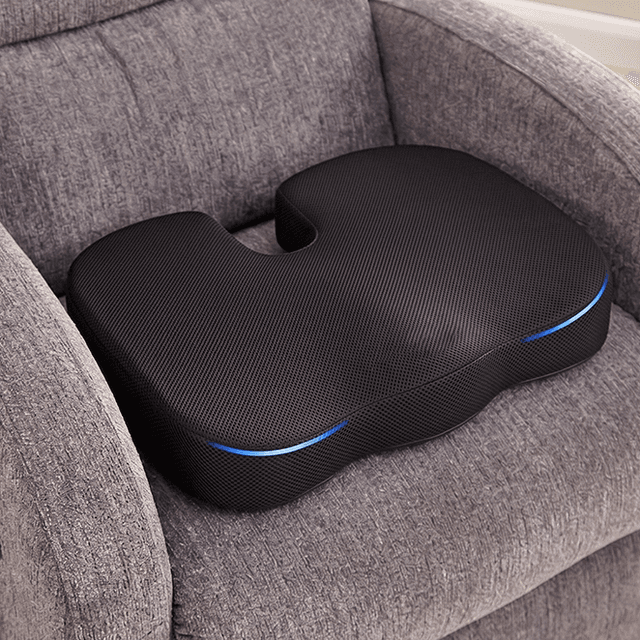
Daytime posture matters as well. Long hours spent looking down at a phone or reading in a slouched position strain the same muscles which need rest overnight. A supportive back cushion during the day, such as the AGEasy Lumbar Back Support, keeps the spine upright while sitting and reduces the load on the neck and upper back which otherwise carries over into the night.
When Morning Neck Stiffness Needs Medical Attention
Improvement in morning neck stiffness for older adults may come from changes in night rest as well as slight modifications to their daytime postures. However, some conditions may not improve with adjustments and may require a doctor's care.
Symptoms such as arm or hand pain, finger numbness or tingling, a weakness in gripping, and all-day stiffness instead of only morning stiffness may be signs of nerve or serious spinal issues, and assessment by a physician or physical therapist may be warranted.
Additionally, neck stiffness, frequent headaches starting from the skull base, and dizziness when turning the head, as well as conditions after a fall/injury are other reasons to consult a physician or wait and see. Also, sudden stiffness with fever or unexplained weight loss should be evaluated by a physician as quickly as possible.
When dealing with elderly relatives, it is important to recognize the gradual signal toward developing a painful condition. Most cases of neck stiffness can be resolved with the use of the right pillow, proper and adjustable mattress as well as safe, supportive activity habits. An assessment of a physician or physical therapist can be warranted out of concern for underlying issues. This type of care work should be focused toward and specific to the elderly client's needs.
Recommended Blogs












You May Also Like
 No products found
Article by:

Manya
Article Category:
Cushions & Pillows