

How to Set Up a Chair or Sofa So Your Back Doesn't Pay for It Later
Jul 10, 2026
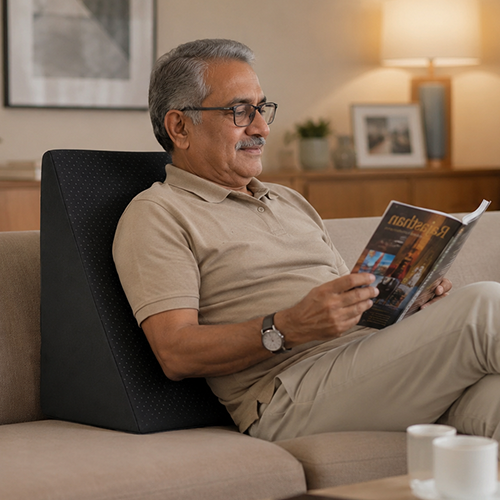
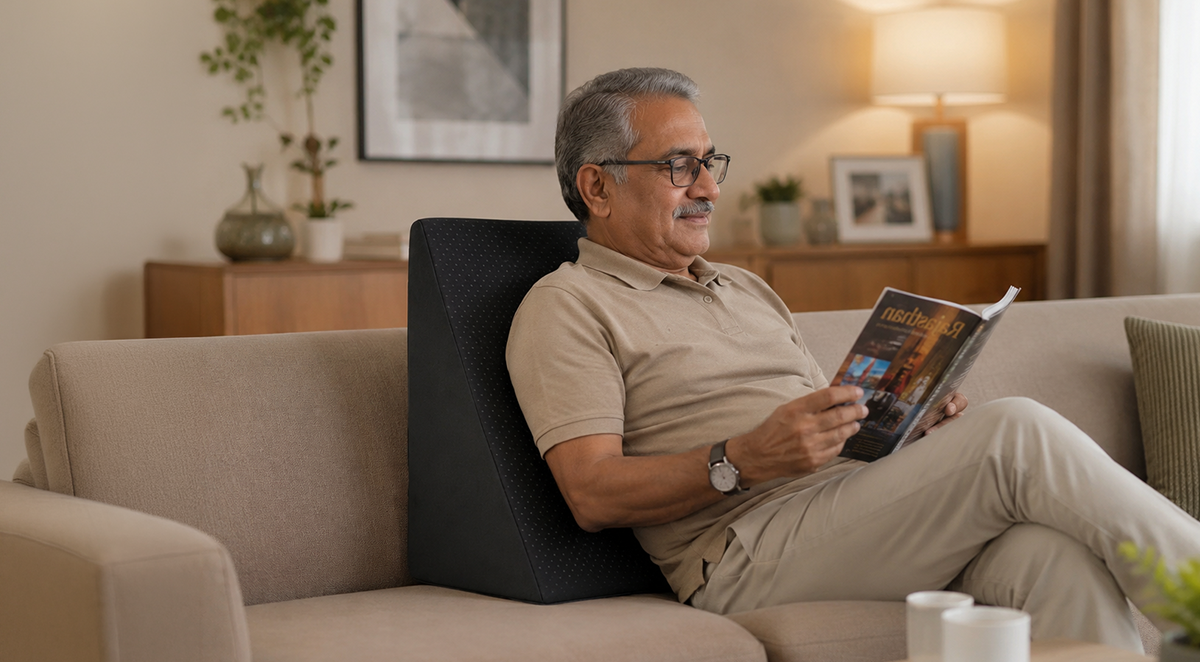
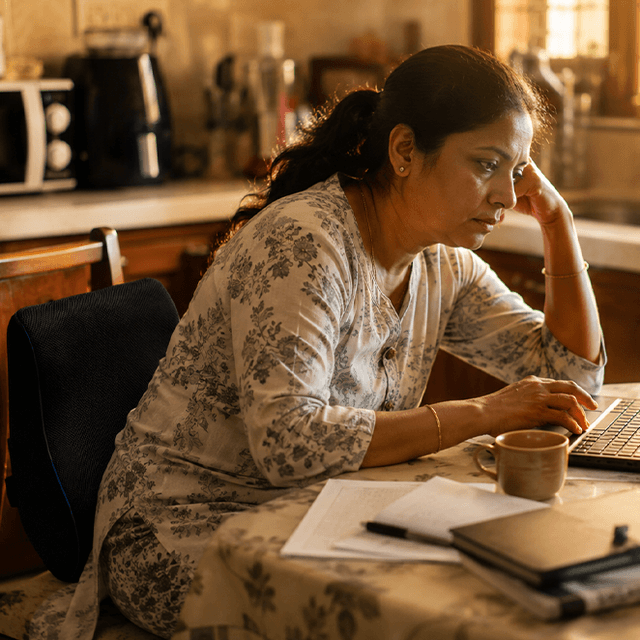
Your parent's back is not strained for a few minutes at a time. It is strained for 5 hours each day while they are watching TV. It is strained while they are reading the newspaper. It is strained while they are talking to family. It is strained while they are sitting in the same chair that they have used for decades.
The biggest misconception about supportive chairs is that they are comfortable. That is far from the truth.
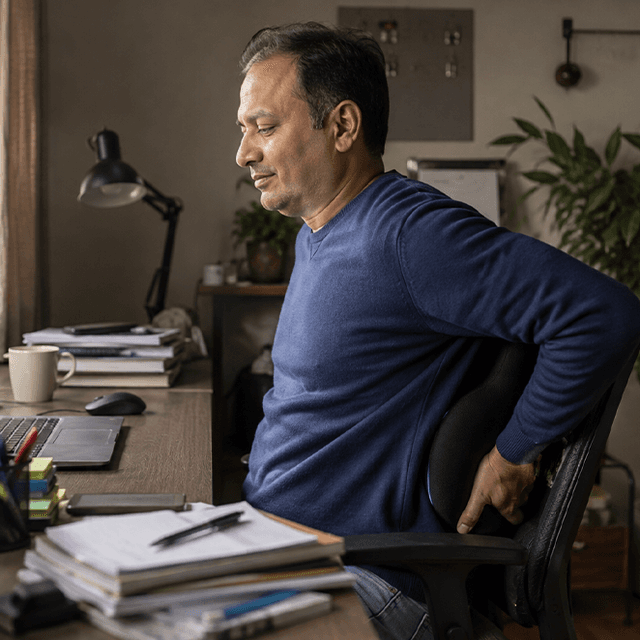
Watch for symptoms of discomfort. When the parent pushes with both hands to stand up from the chair, that is a sign. When there is an entire pillow behind the person's back that is a sign. When the person is constantly moving hoping to find a position that is not uncomfortable, that is a sign. When the person is trying to explain that it hurts worse to sit than it is to walk, that is a sign.
These are not habits. These are signs that the chair is not giving proper support to the back.
Your parent is continuing to sit in a chair without support and it is going to lead them to have significant, chronic, persistent pain in their neck and back. This is also going to lead them to have significant difficulty to stand up comfortably after spending more time sitting than he or she did before, leading the parent to lose his or her confidence to remain active.
By making just a few changes, you can help them to improve their posture, reduce the amount of pressure that is being placed upon the spine, help them to sit comfortably for longer periods of time, and help to protect their back without having to spend a lot of money in replacing all of their furniture.
This guide shows how to avoid common chair-sitting mistakes in families to help sitting become more comfortable.
Why Lower Backs Suffer First
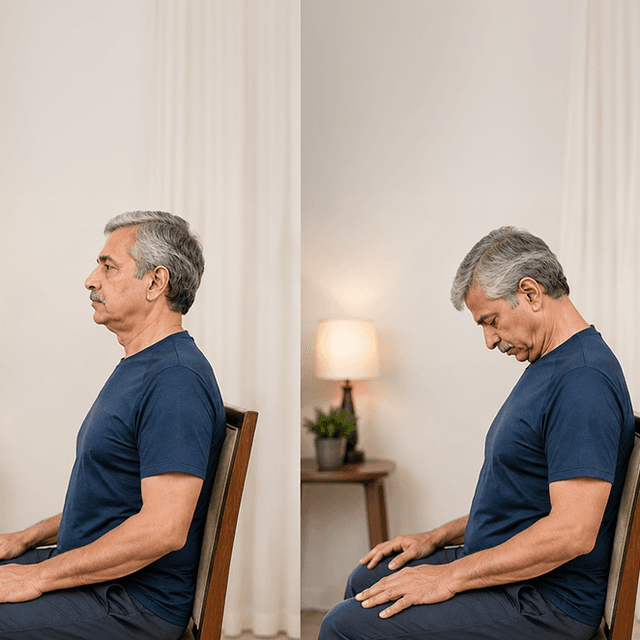
The lower back is where the most weight is absorbed when someone sits down. The lower back actually feels the weight of the upper body and experiences the effect of each pressure shift. The design of most chairs and sofas assumes average posture, and not a spine that is devoid of its natural curve. When the support is at the wrong height, the back is rounded forward, so the spine loses its natural curve and the discs endure direct pressure, not to mention the muscles that do all the work to hold this system together.
Although sitting in this way consecutively for years aggravates the situation. The muscles are forced to overwork due to the lack of adequate support. Because the joints are fixed in one position for a prolonged period, they become stuck. What starts as a mild pain ends up morphing into chronic pain that is made worse by standing, walking, and even lying down.
The Real Issue With 'Comfortable' Seating
The first few minutes sitting on the soft cushions and deep chairs are enjoyable. Problems start after that. A seat that is too deep and sinks too much, leaves the hips positioned lower than the knees which causes rounding of the spine and the loss of natural curvature in the lower back. A backrest that is completely flat and lacks shape provides no support for the spine so the body slouches in order to obtain support.
This is why many parents with expensive deep couches and cushions have to rub their lower back every evening. The issue is not the cushioning, it is the absence of structure.
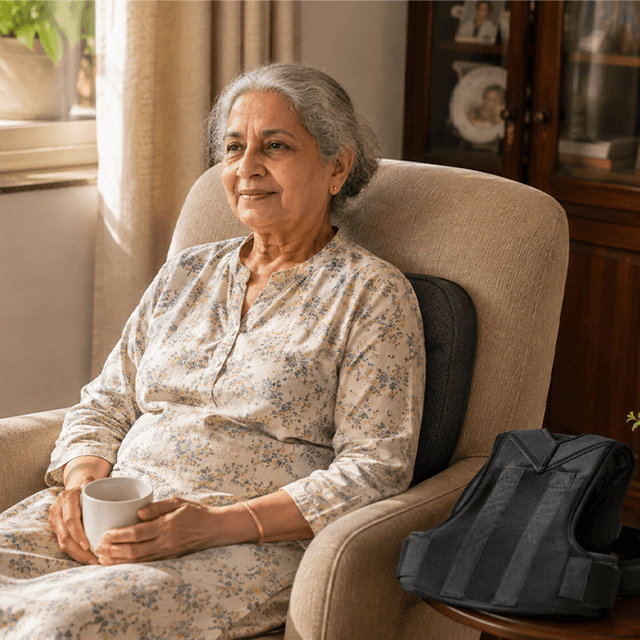
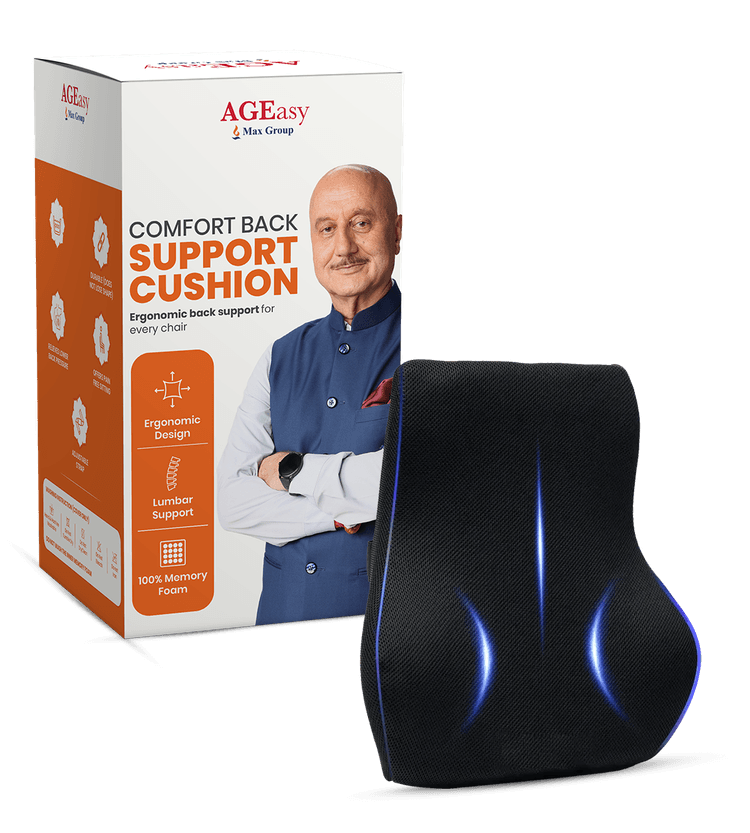
A lumbar support cushion can be used to make an existing sofa usable by molding to the user's lumbar region. The AGEasy Lumbar Back Support cushion, when appropriately positioned, supports the lumbar region of the spine, allowing for hours of continuous use, be it at the dining table, in a car, or in a recliner.
Determining the Appropriate Height and Depth of the Seat
A flat position for the feet and a bent knee angle of about 90 degrees is optimal for sitting. When chairs are too high, the feet will hang, creating pressure under the thighs. When a chair is too low, the knees will be above the hip level, creating a compensatory rounding of the lower back.
Apart from height, seat depth is an important consideration. A good sitting position requires a contact position of the back against the backrest. The knees should be able to create a gap of two to three fingers' width from the edge of the seat and the back of the knees. When depth is excessive, it will result in slouching, and lumbar contact will be lost, or sitting at the front edge will occur, which will completely remove any back support.
In instances where a favourite chair is too low or too deep, adding a firm cushion on the seat can result in an effective increase in height and a decrease in depth of the seating surface without the need for any alterations to the furniture.
Neck and Shoulder Support
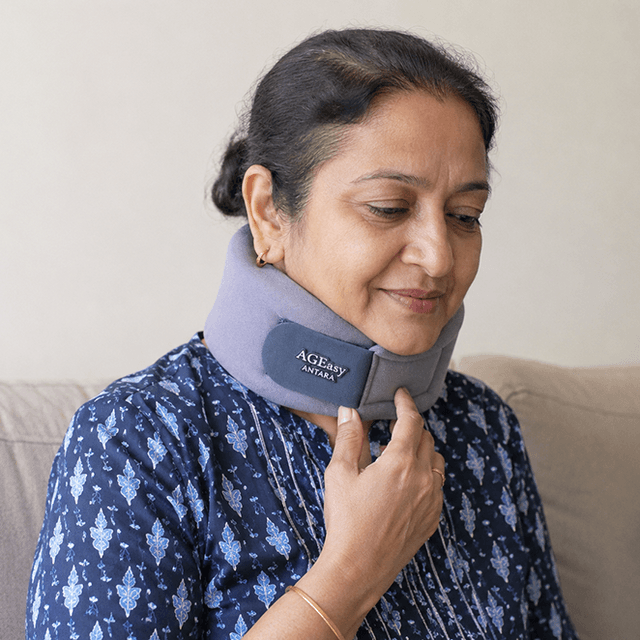
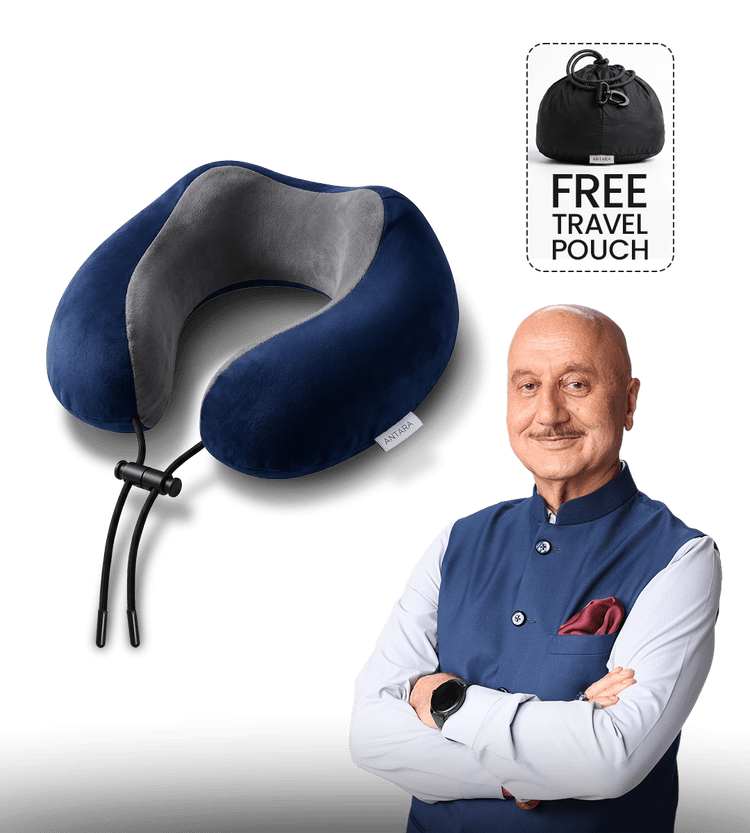
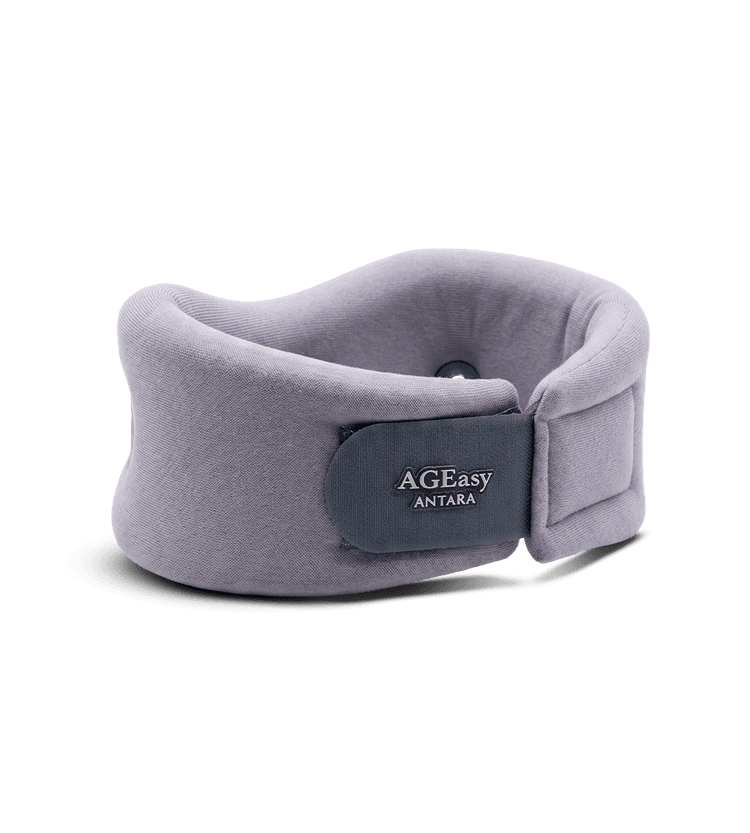
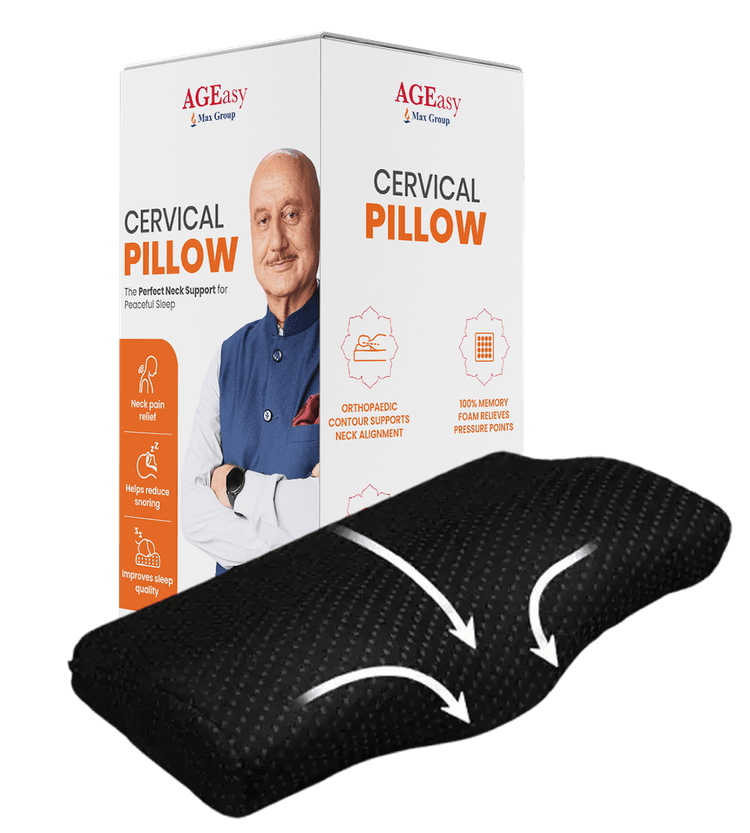
When sitting for extended periods of time, our emphasis tends to be on the lower back, but it is important to focus on the strain on the neck and shoulders as well. This is especially true when reading or watching TV with your head in a forward/tilted position. A supportive neck pillow or cushion that maintains the neck's natural curvature can help a lot with neck and shoulder strain by keeping the head in a neutral position, so that it is aligned with the spine, instead of jutting out forward.
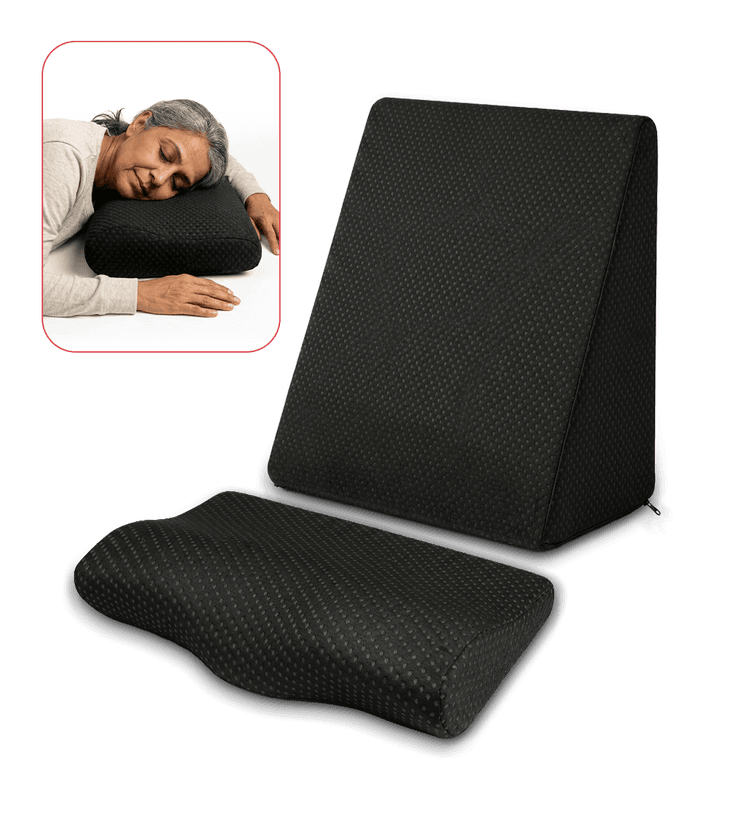
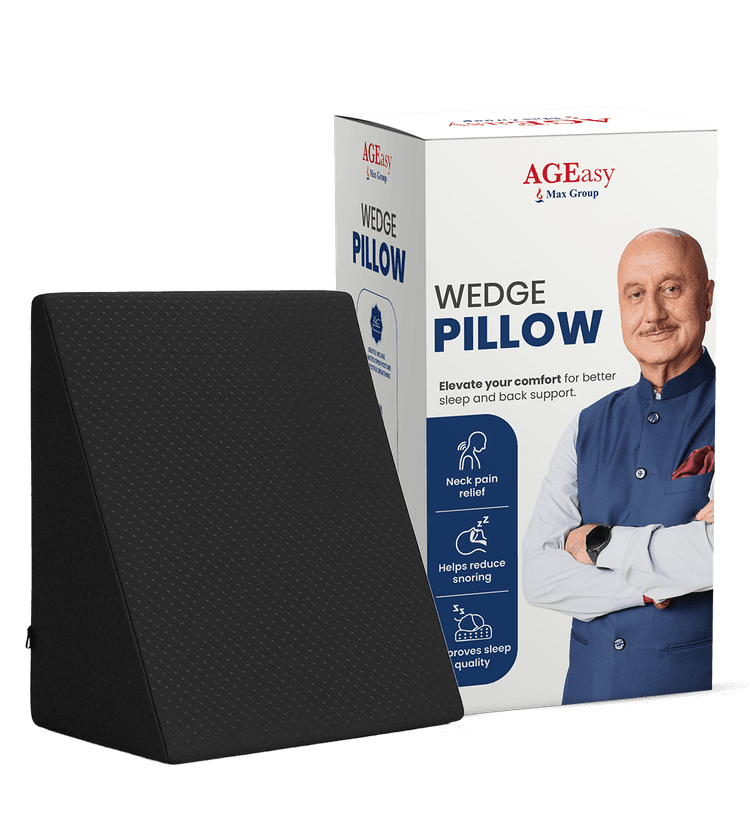
For seniors who may spend extended periods of time in a reclined position, an example would be the AGEasy Wedge Pillow, as it is a wedge pillow, it provides a gentle upper body elevation which alleviates pressure on the lower back when reading, watching TV, or resting. This makes it easier to recline without the need to stack multiple loose pillows, which can shift and lose their shape during the day.
Focus on Pressure Points and Not Just Posture
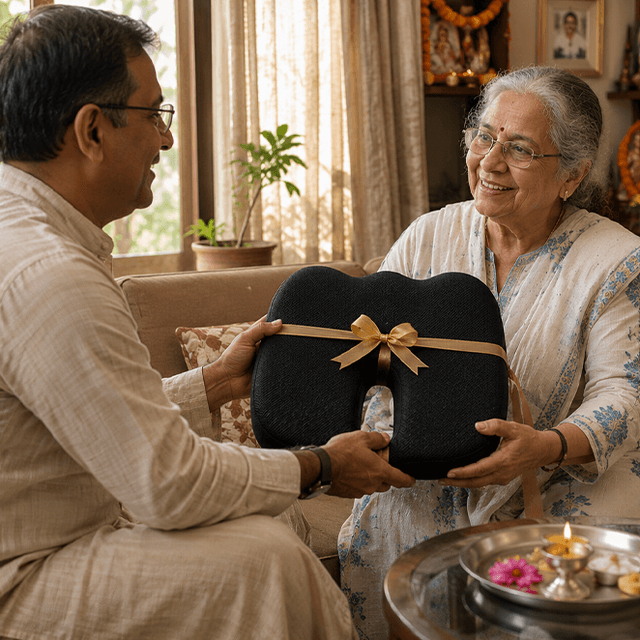
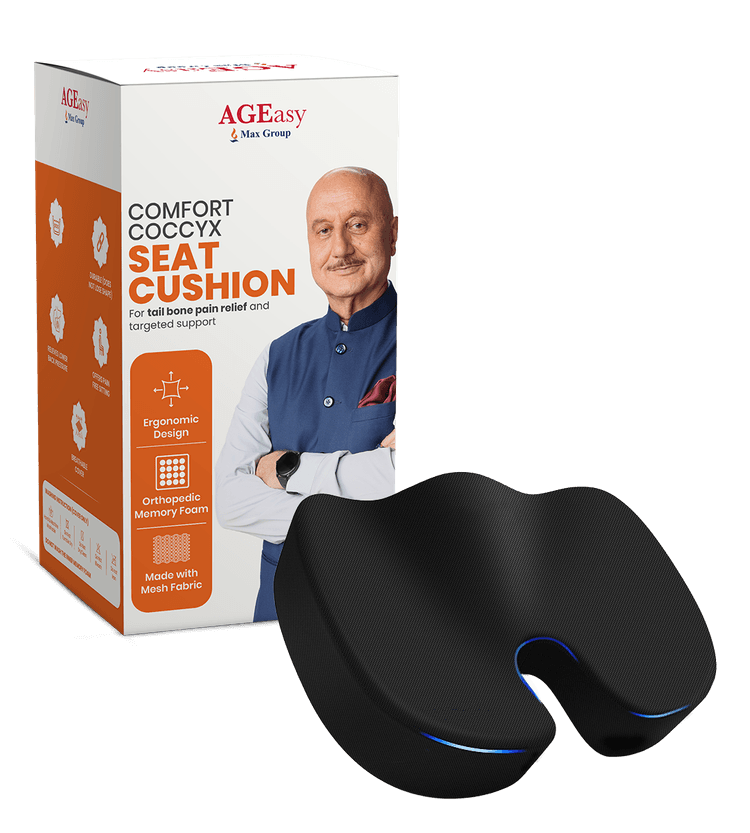
When it comes to this specific topic, posture tends to be only part of the issue. Especially with seniors who have more limited mobility, the hips and tailbone area can become extremely sore from extended periods of time on a flat or hard seat. While sitting (i.e. throughout meals, prayers, TV, etc.) a cushion that promotes tailbone relief can help to redistribute weight to alleviate discomfort.
In combination with lumbar support, a seat cushion provides attention to the sitting area and lower back simultaneously, rather than addressing one issue and ignoring the other.
3 Simple Habits to Make Sitting More Comfortable
Although the right cushions do most of the work, the following habits will help your parent get the full benefit.
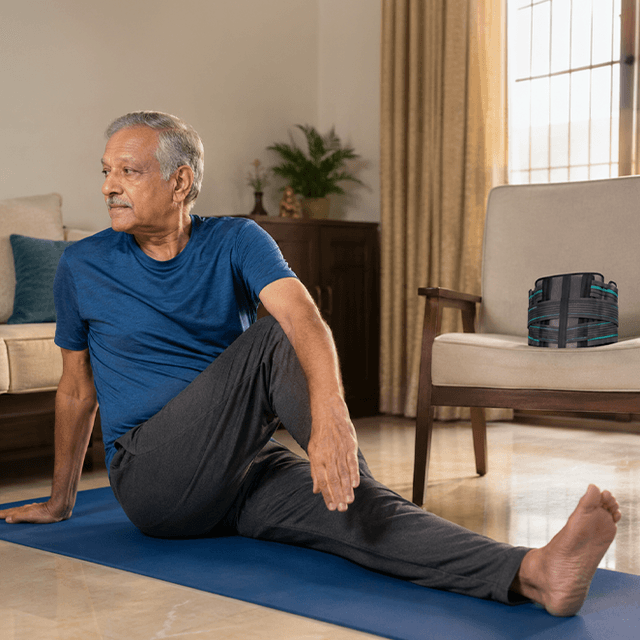
- Firstly, sitting all the way back in the chair is where the support will be contacting the lumbar region, and perching at the edge means that benefit is removed. Secondly, it is also beneficial to take breaks to stand and stretch even if it is as short as going to another room and back.
- Second, make sure that you position the cushion at the right position and it has adequate foam to hold its shape and provide proper support.
- Third, position the TV at your parent's eye level so they are not leaning or twisting to see it. This reduces the strain that the chair setup cannot improve.
When to See a Doctor
Some seniors may benefit from making minor changes to a chair or a sofa to help relieve pressure while sitting. However, modifications do not substitute getting medical attention.
If your parent is experiencing these changes, and ongoing back/neck issues such as pain with numbness, and/or the presence of tingling, pain that increases, they need to be further directed towards medical attention of a doctor/physiotherapist. Only they can rule out any other serious conditions and provide guidance based on an individual's unique spinal structure and mobility restrictions.