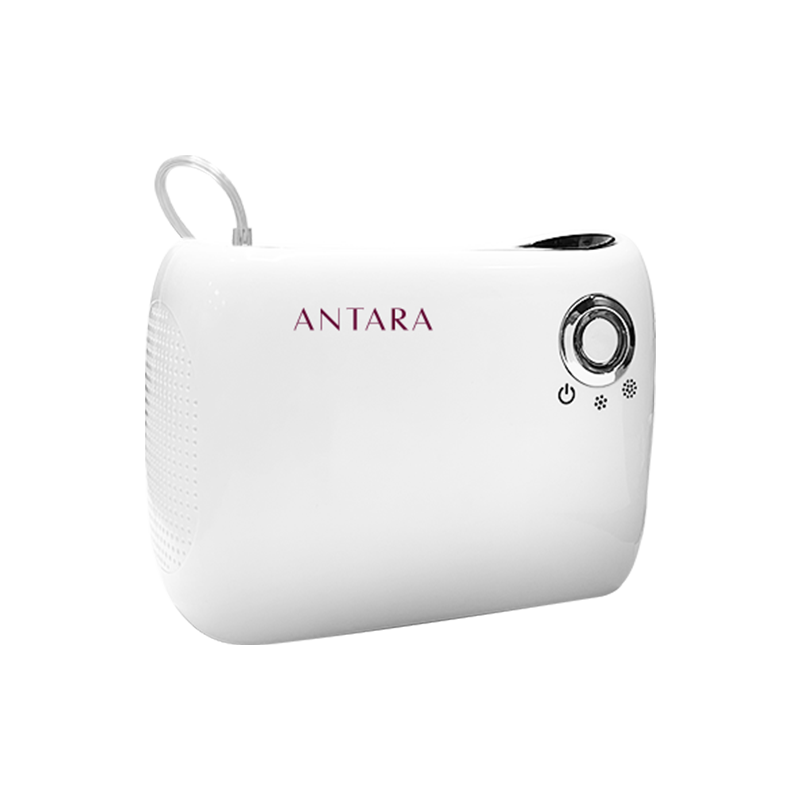

Nebulizer Masks: Adult, Child & Infant Sizes — How to Choose, Replace & Clean the Right Mask
Aug 12, 2026


How to Choose, Replace & Clean the Right Mask
Many believe that all masks work the same; however, that is not the case. If it is not a good fit, the medication may not reach the patient and is wasted by emitting into the air. It can be the difference between fast relief and enduring another episode of coughing and wheezing.
Selection of a mask is more personal than many realize. It depends on the user, which can be an adult, a fidgeting toddler, or a newborn who cannot hold still, how they breathe, their natural tendencies whether they are a mouth or nose breather. Considerations must be made if they will be comfortable using a mouthpiece and a mask may be a better option. You must assure that each treatment is completely applied. Otherwise, it is pointless to go through the training.
Trying to figure out what works best for your child, whether it is a mouthpiece or a mask, or the nebulizer, and determining whether you need a replacement, or when to clean, is no longer a guessing game when you have this information.
You must not be second guessing your tools when a loved one requires assistance with their breathing.
Why the Right Mask Size Actually Matters
A mask is more important to the function of a nebulizer than you may think.
The medicine is nebulized and turned into a mist that is designed to travel through the mask and into the airways and deep into the lungs. The mist is meant to travel and not escape through the gaps of a mask that is too big, or too small. If a mask fits too tightly and forces the user to remove it, the treatment cannot be successfully completed and is not designed to be helpful to a person who is already struggling to breathe.
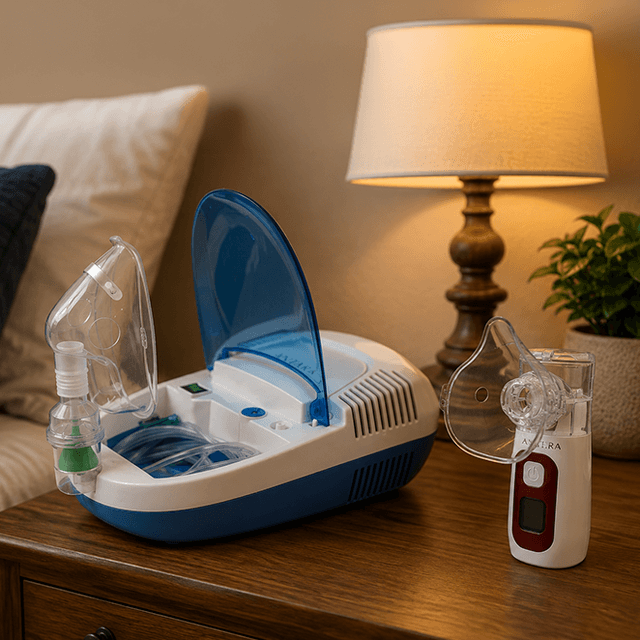
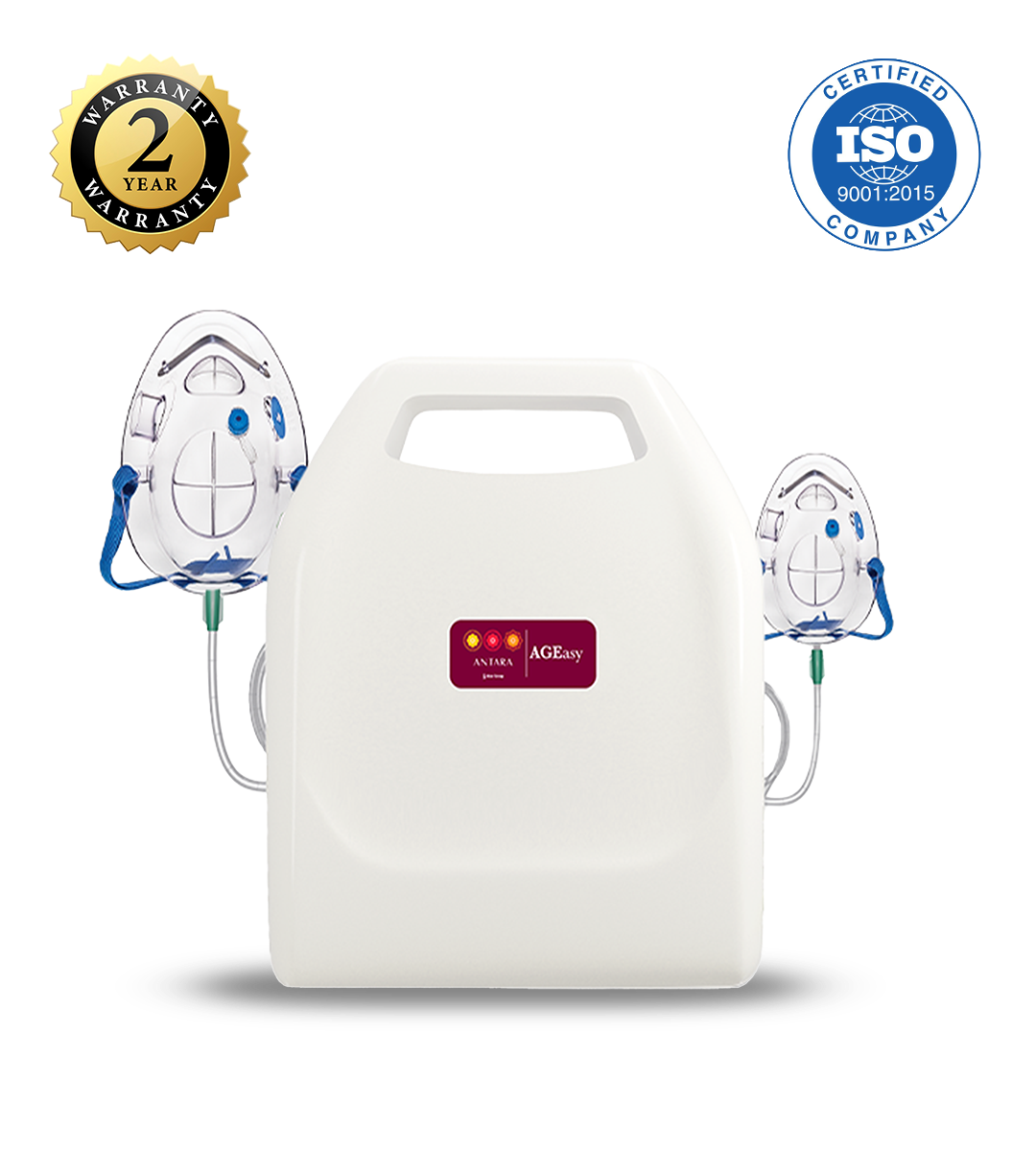
This is why nebulizer masks come in three distinct sizes: adult, child, and infant. These masks are not just different sized versions of one another, but also have different mask angles, depths, seals, as well as different edges to ensure a proper fit for each specific design.
Adult Nebulizer Masks: Who Needs One and What to Look For
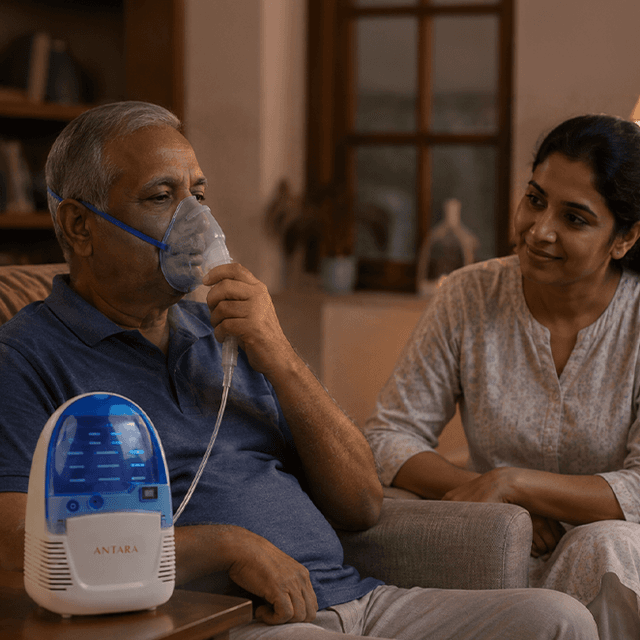
Adult masks are designed for teenagers and grown-ups, typically anyone above 12 years of age, though body size matters more than age alone.
A good adult mask should:
- Sit comfortably across the nose and mouth without pressing hard on the bridge
- Create a gentle but firm seal around the face
- Not restrict breathing or cause a feeling of suffocation
- Stay in place without being held throughout the full treatment
Most adults can also use a mouthpiece instead of a mask and honestly, for many adults, a mouthpiece delivers medication more efficiently. More on that in a bit.
If you have a chronic condition such as asthma or COPD, you probably use your nebulizer often. In that case, the quality and comfort of the mask are crucial. Stiff, tight, and poorly sealed masks create dread and skipped treatments which can be dangerous.
Child Nebulizer Masks: Getting the Fit Right for a Moving Target
Children are not just small adults; they have different face shapes that are rounder and softer.
Fitting an adult mask on a child is likely impossible and a masking fit leak means that the child is not getting the medication that they require.
Child nebulizer masks are typically designed for children ages 2 through 12, but can be different based on brand and product. Some key things to check:
- Soft Edges Matter More Here. Children are more sensitive to pressure and discomfort, so masks that are designed with soft silicone or with a cushioned rim likely will be more acceptable.
- Shape Matters Too. Also, some child masks are designed with slightly more upward angles to fit the flatter nasal bridges of younger children. The mask seal should contour to a child's face and not push against it.
- Distraction is Your Friend. If your child is more reluctant to wear the device, try to look for masks that are designed with more distraction like animals or characters. Pediatric nebulizer masks are designed to look like fish, frogs, or more friendly faces. The design can make it more acceptable for children to wear the mask more voluntarily for a longer time like the 5 to 10 minutes that can be half the battle.
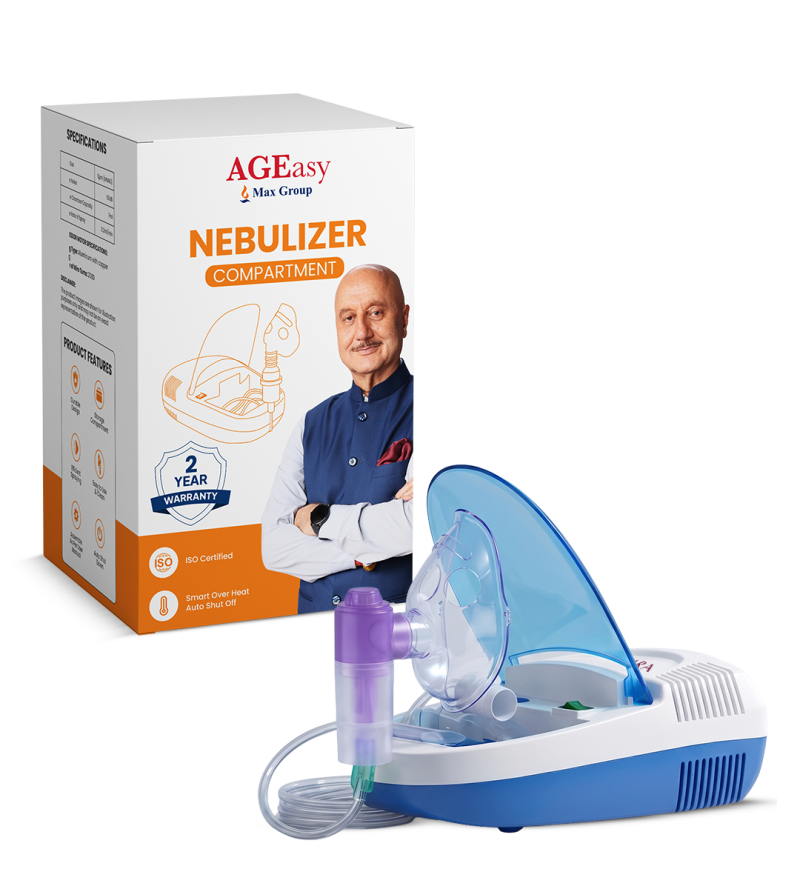
For a great kit with the correct nebulizer accessories for kids, check out AGEasy by Antara. They have family-use compatible nebulizers so one device can be used with different family members by just changing mask attachments.
Infant Nebulizer Masks: When Every Millimeter Counts
Infant masks are the most specialized of the three. Babies have very small faces, delicate skin, and they show a complete lack of cooperation with the treatment. Their breathing is rapid and irregular. They are known to wiggle and cry. An infant nebulizer mask has to consider all of these factors.
What Makes an Infant Mask Different:
- Much smaller surface area, shaped to cup gently over a baby's nose and mouth
- Ultra-soft edges that don't create red marks or irritate sensitive skin
- A wider, more open design to allow for the faster breathing rate of infants
- Often designed to be used while the baby sleeps, held gently in place by a caregiver
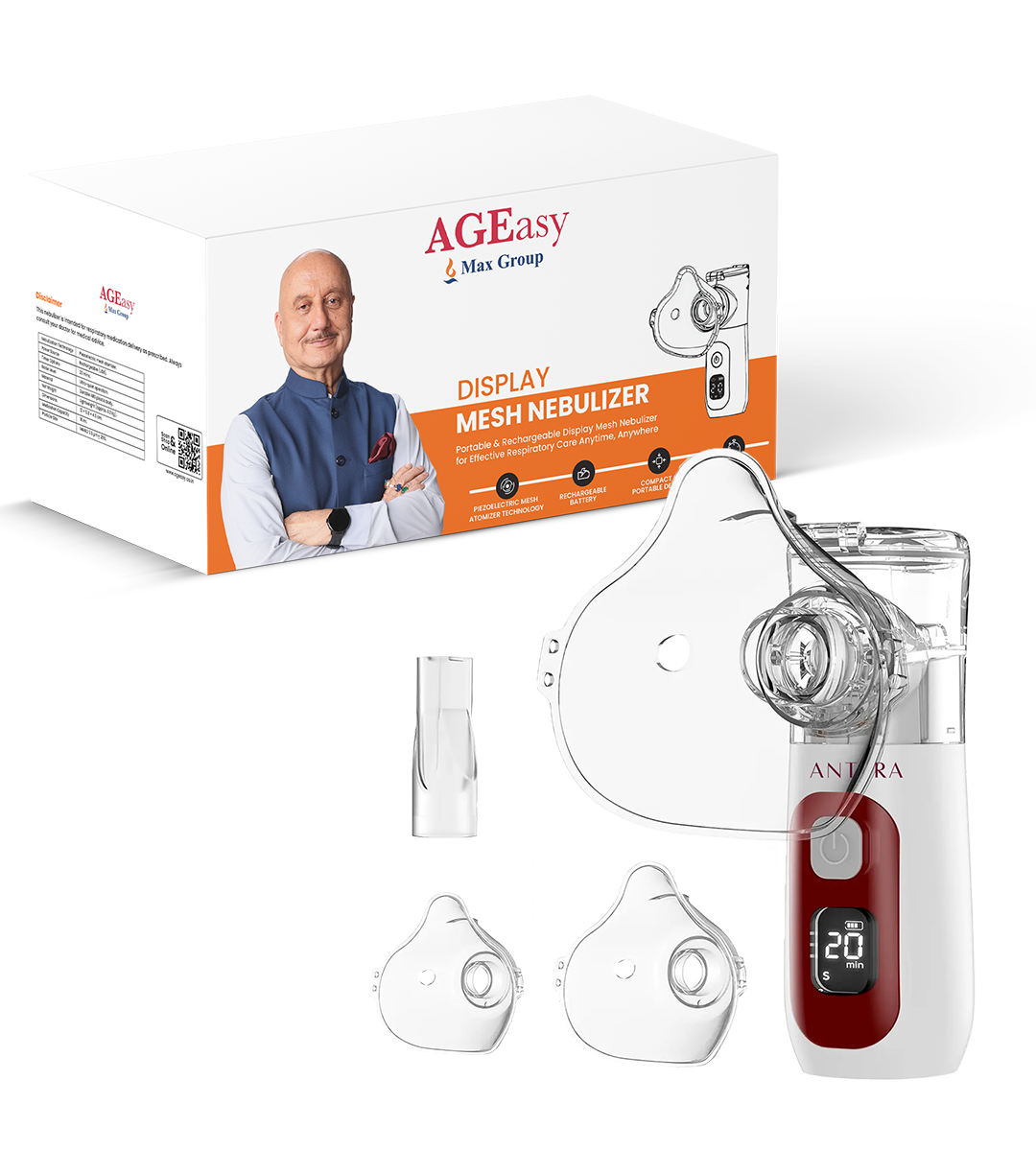
If you are dealing with the respiratory needs of a very young baby, it would be worthwhile to purchase a nebulizer kit that has an infant mask included. A mask kit from AGEasy has several mask sizes, which means that as your child grows the equipment will not become outdated.
Mask vs. Mouthpiece: Which One Should You Use?
This is one of the most common questions people have, and the answer is pretty straightforward once you understand the logic.
Use a Mouthpiece If:
- The person is old enough to breathe through their mouth on command (usually 4 years and above)
- They can comfortably hold the mouthpiece between their lips for the duration of treatment
- They don't have any nasal involvement in their condition
Use a Mask If:
- The patient is an infant or very young child
- The person breathes predominantly through their nose
- The person has difficulty maintaining a seal around a mouthpiece
- The condition being treated involves the nasal passages as well as the lungs
Older children and adults are encouraged to use a mouthpiece because of the greater effectiveness it offers. Mouthpieces direct medication into the oral airway without any waste. Masks, however, cover the nose as well and therefore a portion of the medication is directed to the nasal cavity which may not be the target site, especially in case of conditions affecting only the lungs.
That said, a mask is always going to be more practical for ease of use especially for children and elderly users.
Checking Compatibility: Do Your Mask and Nebulizer Match?
This is where many people get stuck after purchasing a replacement mask that doesn't connect to their nebulizer kit. Here's what to check before making a purchase:
1. Connector Size
Most masks for nebulizers attach through a standard connector, but the sizes can vary. Before purchasing a replacement mask, check to see if the nebulizer is using a 22mm fitting or a different size.
2. Brand Ecosystem
A specific brand's nebulizer kits function the best with same brand's compatible masks, and this is true for all brands. A mask that does not fit correctly on the medication cup will not provide a complete treatment. It may rattle, leak from the bottom, or come apart during the session.
3. Universal vs. Proprietary
While some masks are labeled as "universal", many are not compatible with external accessories.
If you are unsure while purchasing online, AGEasy's nebulizer range specifies compatible accessories to avoid the trouble of recurring items.
Managing a respiratory condition can be challenging, and you do not want a mask that does not fit arriving just as the old one wears out.
Cleaning Your Nebulizer Mask
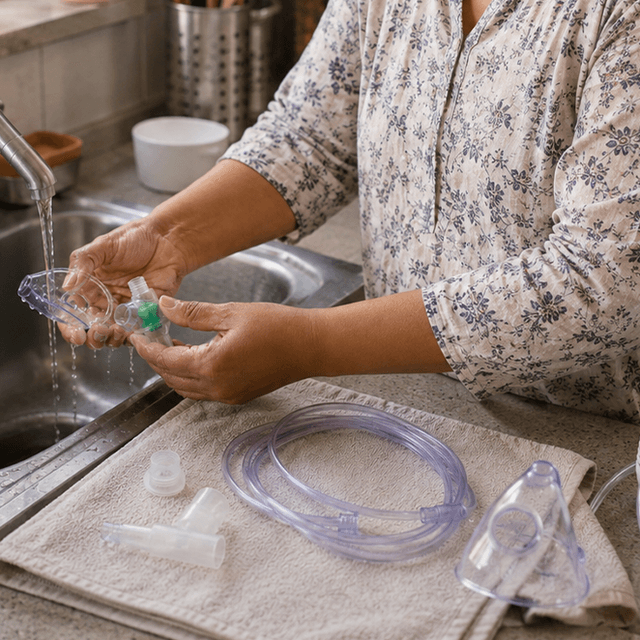
Cleaning your nebulizer mask is not just about hygiene. Having a clean mask is critical for the performance of the mask. The tubing and mask can become clogged over time with built-up residue. This can severely limit the delivery of the medication. Additionally, it can introduce bacteria directly into the airway of the user.
After Every Use
- Separate the mask from the medication cup and tubing.
- Rinse the mask with warm water.
- Remove excess water by shaking.
- Let air dry on a clean surface.
- Do not use cloth or paper towels as they leave fibers.
- Only reconnect when everything is fully dried.
Once Every Week (or when your doctor tells you)
- Vinegar Solution: Combine 1 part white vinegar with 3 parts water.
- Soak the mask and medication cup for 30 minutes.
- Rinse with clean water.
- Air dry before the next use.
Things to Avoid
- Do NOT place any nebulizing parts in a dishwasher unless the manufacturer says so.
- Do NOT use strong chemical disinfectants as they may break down the plastics and silicones.
- Do NOT reassemble parts while wet. Moisture inside the system changes the size of the particles in the mist.
Replacing a Nebulizer Mask
Although cleaning nebulizer masks might prolong their usable life, they will eventually become yellow, brittle, and the sealing surfaces will no longer be air tight.
You will need to replace a mask if there are:
- Noticeable cracks or signs of a change in color on the mask.
- The soft edge of the mask no longer forms a tight, comfortable seal around the face.
- The mask connector becomes loose or wobbly when attached to the medication cup.
- The mask develops an unpleasant smell that does not go away even after it has been cleaned.
- It appears as if treatments are taking longer than they once did.
Ultimately, it is best to replace the mask every six months for daily use and every twelve months for occasional use. Similarly, the cup and tubing need to be replaced on that same schedule. Be sure to order replacement accessories when they are needed to avoid unexpected delays from a worn-out nebulizer. AGEasy sells both, the nebulizer kits and the replacement parts.
Important Things to Note Before Purchasing
When purchasing a nebulizer mask, here are some things to consider:
- Who is going to use the mask? Is it for an adult, child (2-12 years), or infant (under 2 years)?
- What nebulizer do you have? Make sure the brand and model of your nebulizer will work with the mask you are buying.
- Do you want a mask or a mouthpiece? This will depend on the age of the person and their breathing style.
- Do you want to have soft edges on the mask? This is a consideration when the mask is to be used by children or in long treatments.
- Is the kit customizable in size? This will be helpful when the household has members of different ages.
- How long have you been using your current mask? If you have been using your mask daily and it has been there for over 6 months, you are likely overdue for a change.
Final Comments
The mask is as important as the nebulizer; it needs to be effective in its purpose. The right size, fit, material, and maintenance aren't trivial details. They separate an effective treatment from an ineffective one. They can determine if a child will sleep through the night. They can determine if an older parent will manage their condition without having to go to the emergency room. All that matters is that it is right.
If you're looking for a trusted place to start whether it's a first nebulizer for your family, a replacement mask, or a kit with infant-to-adult coverage built in, nebulizers available at AGEasy by Antara are a good option. They focus specifically on health and wellness products for families, with an emphasis on reliability and ease of use. Because at the end of the day, every breath matters. Make sure yours, and theirs, is getting everything it needs.
Always consult your doctor or respiratory therapist for guidance specific to your condition and treatment needs.