

Anaemia After 60: The Fatigue and Breathlessness Families Mistake for Ageing
Aug 17, 2026
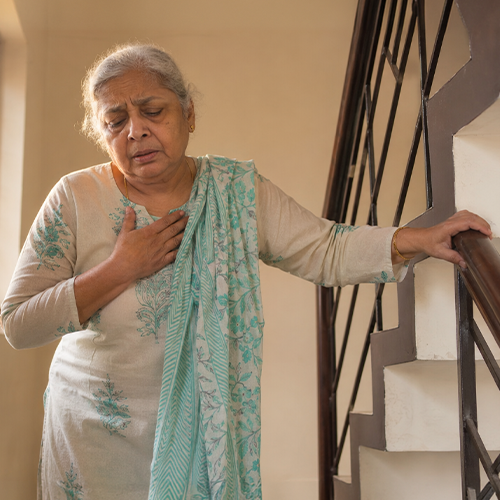
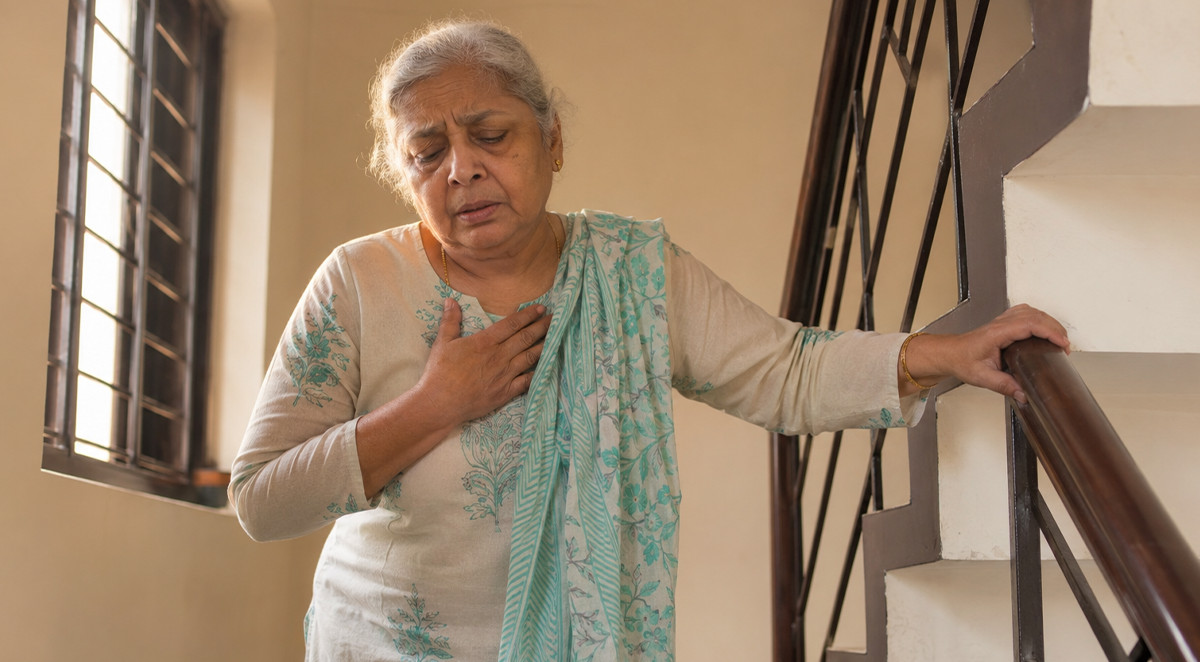
Families justify older parent changes by saying, “They’re slowing down. They’re getting older.”
Your parent may take the elevator instead of the stairs, walk slowly, need to rest after doing chores, or get breathless after short walks. At 70 or 80 most people take changes in life for granted and consider them as causes of aging.
Energy levels do need to be considered and so do changes that affect daily routines e.g. Anaemia.
You should mention sustained tiredness, breathlessness doing daily tasks, weakness, loss of stamina, and generally the loss of enjoyment and interest in things previously enjoyed with the doctor.
While these signs may not be anaemia, they should be of concern. Reasons for anaemia in the elderly could be chronic conditions, blood loss, other illnesses, malnutrition, and other diseases.
Ignoring the symptoms saying ‘they’re just signs of aging’ results in the loss of strength, difficulty in doing daily tasks, increased fatigue, and a longer time to diagnose and treat the condition.
Earlier medical checkups will help you to know the symptoms, and the need for blood tests and appropriate treatment.
Here we explain the various signs of anaemia after age 60, reasons for unnoticed fatigue and breathlessness, the other illnesses that the doctor may investigate, and when medical checkup is warranted.
What Is Anaemia?
Anaemia is caused when the oxygen level in the blood drops due to low levels of haemoglobin.
When your parent's oxygen levels drop, it becomes harder for their heart and muscles to cope with the duties of the day. This is what causes your parent to feel fatigued after working around the house (doing the laundry, shopping, cooking, bathing, etc).
Anaemia isn’t an isolated disease. It is a symptom of other conditions. Depending on the cause and severity of your parent’s overall health, treatment will vary.
Common Signs of Anaemia in Older Adults
Since symptoms develop gradually, families often don’t notice initially. Take note of how your parent’s routines have changed.
Fatigue and Weak Stamina
Your parent may feel tired even after a full night’s sleep. They may have given up on cooking, gardening, shopping, or social activities due to the fatigue from normal activities.
Breathlessness from Activity
Anaemic people feel breathless when they climb stairs, walk outdoors, or even carry a light load. Breathlessness at rest is very serious and needs to be checked out right away, because it could be a symptom of several different things, like a heart or lung problem.
Pale Skin or Pale Gums
Pale skin is a poor indicator of anaemia, especially with older people. Check your parent’s gums and see if their skin has lost its normal tone.
Dizziness or Light-Headedness
Anaemia can cause some people to feel unsteady when they stand or walk. This could be anaemia, but it could also be low blood pressure, dehydration, medicine, or a heart problem.
Fast Heartbeat
The heart might beat faster as it tries to supply more oxygen. Report palpitations to your doctor. Also, let them know if you notice a rapid pulse.
Headaches, Poor Concentration, or Irritability
Fatigue impacts quality of sleep and delivery of oxygen, both of which may affect concentration and mood. Sudden, notable changes in memory or confusion might require immediate evaluation.
Why Anaemia Develops After 60
Doctors investigate many possible causes before determining a nutritional deficiency.
Iron Deficiency
Iron is one of the components of hemoglobin. Low iron may be due to a poor diet, poor absorption, or slow bloodloss from the gastrointestinal tract.
Blood Loss
Several reasons may include a loss of blood from ulcers in the stomach, conditions of the bowel or piles, medications, hidden blood loss in stools, which may be detected by a low hemoglobin.
Vitamin B12 or Folate Deficiency
Vitamin B12 and folate provide the production of the red blood cells. The risk of this deficiency is higher for the elderly because of an unhealthy diet and absorbed issues due to medical conditions.
People with fatigue, tingling, balance issues and changes, or memory issues should see a doctor. Dairy diets may cause B12 deficiency due to aging and reduced absorption. Long term use of metformin and other stomach acid medications needs to be discussed with a health care professional.
Chronic Disease
Kidney disease, inflammatory conditions, chronic infections, and cancer, amongst others, could interfere with the ability of the body to produce red blood cells. In this scenario, the anaemia that results from chronic disease would need to be managed by addressing the underlying chronic condition.
Medication Effects
There are many medications that affect the risk of bleeding, absorption of nutrients, and/or the production of blood cells. Encourage your parent to bring the complete medication list to every appointment, even if they are over-the-counter pain medications, supplements, or herbal products.
What Tests Help Find the Cause?
In this case, the physician will evaluate the patient's signs and symptoms along with their history, diet, medications, and physical exam findings. Usually, the first informative blood work is ordered as a complete blood count. This will evaluate the size of the red blood cells, hemoglobin, and other components of the blood.
The physician may then order the blood loss studies that include ferritin, iron studies, and vitamin B12 and folate levels. This could be followed by a kidney function assessment and thyroid tests and/or a blood loss assessment. The physician will customize the order of the above tests based on the symptom presentation and the history of your parent.
Iron supplements should not be started without undergoing an evaluation by your doctor. Although it may be beneficial to address confirmed iron deficiency, there are many causes of fatigue. There is no need to risk having side effects when we may find an important source of bleeding.
What You Can Do Before the Appointment
Answer the following questions for each symptom or change:
- When did you notice the change?
- How did it occur?
- How has it affected your parent’s daily routine?
Examples of these changes may include:
- Your parent used to be able to walk around the house but now rests after walking 100 meters.
- They used to be able to go up and down the stairs, but now they haven't done that in the last month.
- They now become short of breath while trying to dress.
- They sleep a lot during the day.
- They have become dizzy while standing.
Document the following changes as well:
- Appetite changes
- Weight loss
- Stomach pain
- Change in bowel habits (frequency and/or consistency)
- Blood in stool (visible or black stools)
- Change in concentration
- Changes in behavior: falls, loss of balance, etc.
Provide a list of medications, recent lab reports, and the typical diet of your parent. Ask if the doctor may suggest blood counts, iron testing, or vitamin levels.
Supporting Safety at Home
Falls are more likely with weakness and dizziness. You can reduce the potential of falls by having well lit walkways, clearing pathways, and encouraging slow, methodical movements for parents when standing from a lying or seated position.
If your parent requires interim support during the process of diagnosis from their physicians, AGEasy’s walkers and assistive devices in their aids range may offer safe assistance during movement. After the recommendations of the physiotherapists and/or doctors, adjust the height of the walking aid. The walker may aid safe movement during the period of doctors addressing the cause of weakness.
Some families will on their own accord follow medical recommendations to take blood pressure at home. AGEasy’s blood pressure monitors offer some support for this purpose, but a blood pressure reading certainly does not indicate anemia. Although, share any abnormal readings and symptom patterns with the medical practitioner.
When to Seek Urgent Medical Care
Arranging urgent medical care is warranted if your parent is experiencing new onset confusion, chest pain and/or fainting spells, intractable weakness, shortness of breath, new confusion, having a rapid heart with weakness, or having severe symptoms that are worsening.
Black stools, blood in the urine, repeated and unexplained vomiting, unexplained weight loss, and persistent dizziness. All of these necessitate medical assessment and evaluation for serious medical issues and bleeding that may be occult.
Food and Daily Habits
While a balanced diet promotes general health, food will not cure anemia. Based on the cause, some food suggestions include lentils, beans, leafy greens, eggs, dairy, meat, fish, cereals with added nutrients, and fruits high in vitamin C.
Elderly people often eat less because of dental issues, loss of appetite, difficulty swallowing, loneliness and side effects of some medicines. These issues can be solved by consulting a doctor, dietician and family caregiver.
AGEasy Gut Balance is meant only for the support of gut health and wellness and therefore must not replace treatment for iron, B12 or folate. If, while taking the recommended treatment, your loved one suffers from constipation, acidity or poor digestion, you must take that up with the doctor before taking any other action.
Do Not Dismiss the Change
With aging, there are usually some changes in strength and speed that are not usually dramatic. A sudden loss of stamina, new shortness of breath also dizziness and a loss of interest in previously enjoyed activities, are also worth a look.
Anaemia is usually Curable, but the treatment only begins when the cause has been identified. An immediate doctor's appointment to draw the necessary blood tests, and proper follow-up can help your loved one feel better.
Disclaimer: This article is for educational purposes and should not replace individualized medical care.