
India's Weakest Monsoon in Years Is Bad News for Elderly Lungs
Jul 23, 2026
A Practical Guide for Caregivers and Adult Children
Every year, the monsoon brings more than just a relief from the scorching heat. At the same time, it helps with clearing the air we breathe.
Rain helps in washing away dust, pollen, pollution, and tiny particles that are built up over months. This clean air means a lot especially for elders having asthma, COPD, or other lung conditions.
However this year, the monsoon has been weaker than expected in many parts of India.
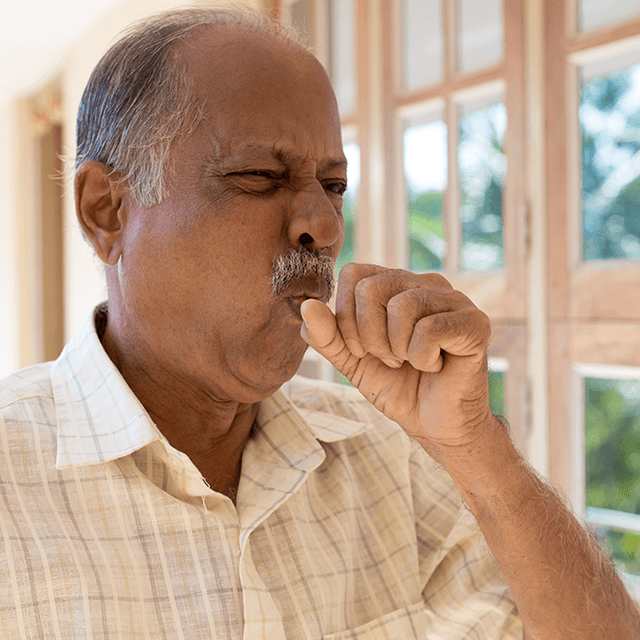
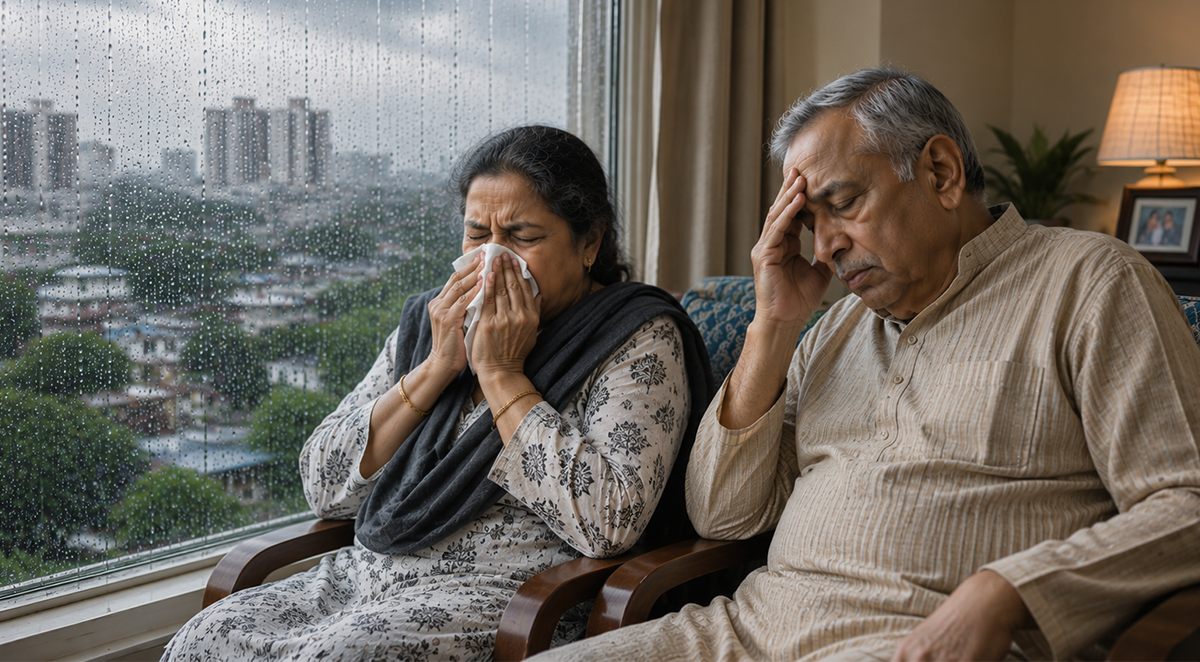
Limited rain means more dust and pollution staying in the air. And this can lead to more coughing, breathlessness, and discomfort for parents who are already having breathing issues.
If you're caring for an aging parent, this isn't just weather news. It's something worth paying attention to, especially if they already have lung or respiratory problems.
What the Forecast Says
On May 29, the India Meteorological Department (IMD) revised its estimate of the Southwest Monsoon to 90% of the Long Period Average (LPA), downgrading from a previous estimate of 92%. The IMD now predicts a 60% chance of a 'deficient' or sub-normal monsoon.
In the simplest terms, the average rainfall during the Monsoon months (June to September) is 868 mm. A 'deficient' monsoon is considered if the rainfall is 90% or below. Currently, the outlook sits right around that point.
The developing El Niño pattern in the Pacific, which negatively affected the 2023 Monsoon season, is the possible cause of this. Currently, the 2026 outlook is thought to be worse than the 2023 outlook. IMD updates these estimates almost constantly, so please check the latest bulletins before quoting.
For the average citizen, a below-normal Monsoon is an annoyance. For a farmer it is a disaster, as the water reservoirs drop and the heat lingers longer. For an aging Parent with a lung problem, a weak Monsoon means health problems that slowly arrive with no clear cause, and this is what makes it so dangerous.
Why Monsoons Matter For More Than Just Breathability
Let's think about this for a second. For months before the monsoon season, Indian cities are blanketed in dust, smoke, and numerous other suspended particles.
Indoors or out, there are dust particles everywhere. Soot, vehicle exhaust, construction debris, and more even crop debris. And some of them are smaller than a human hair, which makes them even more dangerous.
When the monsoons come in, the rains remove particulate matter from the air. Of course, this also increases the humidity in the air. The atmosphere becomes heavy but also so much cleaner. It becomes easier to breathe the air. It's almost like the city is exhaling.
When we have a weak monsoon, the rains can't cleanse the air like they're supposed to. During these extended dusty, dry, and hot stretches, the air becomes increasingly polluted and difficult to breathe.
This is the part that really affects your parents. The dry air already makes it hard to breathe, so the lungs are getting hit from all sides.
The lungs know what the AIR is demanding, they have no idea that it's supposed to be the monsoon season.
This should be taken seriously. In terms of global data for respiratory diseases, no nation has a more concerning data profile than India. COPD affects 55 million Indians, double that of the 28 million of the 1990s. Asthma affects a further 38 million.
The WHO has reported that 9 out of 10 of the Indian population typically breathes polluted air that is above safe levels. The Lancet, in a study for the year 2019, claimed air pollution was responsible for 1.7 million early deaths in India, many of these deaths were people over 50.
A weak monsoon season means the annual respite becomes a further burden. Metrics show it is a growing problem.
The Aging of the Lungs
Many caregivers are surprised to learn that aging lungs are not merely "slower" versions of younger lungs. They are actually different in structure. Over the decades, the thin layer of cells lining the airways wears down.
Cilia, the small projections that extend from cells lining the airways and that help cleanse the airways by pushing debris up and out, become less effective. The small air sacs (alveoli) become less elastic. The immune defenses of the respiratory tract become less responsive.
As a result, air quality that has no noticeable effect on a healthy 30-year-old can severely stress a 70-year-old's lungs. And this is not a 70 year old's lungs failing or weakening - it is just biology at work. And the margins are closer than they seem.
The Effect of Dry Air
You have probably noticed your throat and airways feeling vaguely irritated when the air is dry in the winter. This is in fact what happens to airways, without exception, when the air is dry. In dry air, the muscles that constrict the bronchial tubes contract, thereby narrowing the tubes.
This is called bronchoconstriction; the airways are trying to slow the intake of drying air. For those without respiratory disease, it is essentially unnoticeable. However, it can trigger an acute exacerbation of COPD or asthma in those with a respiratory disease, and often requires a hospital visit.
The Effect of Polluted Air
Dry air keeps air particulates suspended longer than humid air. If humid air contains particulates, those particulates will likely be PM2.5. PM2.5 and other particulates penetrate deep into the lungs and irritate the networks of the body, causing chronic inflammation.
Younger, healthy lungs clear PM2.5 faster than older, unhealthy, and inflamed lungs (i.e. lungs of someone who has asthma or Chronic Obstructive Pulmonary Disorder (COPD)). It is likely that PM2.5 and other particulates will cause chronic, damaging inflammation of the lungs, and the inflammation of the lungs will be harder to treat.
Here is a shocking statistic. Research on India's disease burden indicated that air pollution was responsible for 53.7% of the burden of Chronic Obstructive Pulmonary Disorder (COPD) in India. Smoking was responsible for 25.4%. For millions of elderly Indians, air pollution has caused the biggest burden of lung disease.
This is the air that millions of elderly Indians breathe every day. This caused the highest burden of lung disease and now changes the perspective of the burden of lung disease caused by lifestyle choices.
A bad monsoon extends the time that aging lungs inhale polluted air in a compounding system of aggression on the aging lungs.
Little Known Warning Signs (That Become Obvious Too Late)
This makes things truly difficult. The decline of respiratory function in older adults is gradual and usually goes unnoticed. It usually does not start with the type of breathlessness that causes concern among the people present. It is much more subtle than that.
It may be a dry cough that occurs repeatedly after waking up in the morning. It may also be a mother insisting that her throat is only dry and scratchy because of the dust in the house. It may also be a father who is slightly slower to walk up the stairs than he was a month ago. It can also be a gentle reluctance to go for the evening walk that is never talked about. Those are the signals and the signs that go unnoticed.
By the time a person begins to show visible signs of being breathless, their airways have been under extreme stress for days and possibly weeks.
Below are some of the signs to look out for before it is too late.
- An unexplained morning dry cough that is not caused by a cold and occurs after being outdoors.
- Scratchy throats that are not relieved by water. Breathlessness after normal daily activities seems excessive.
- Tight or constricted chests that have no pain. Unexplained fatigue that is much worse than normal after activities that do not seem to have caused it.
Found at the top of this list and most concerning is a parent using a rescue inhaler more than twice a week. This warrants an immediate visit to their physician, regardless of the other non-urgent symptoms present.
The trickiest thing for caregivers probably has to do with normalization. Daily exposure to a person means gradual changes go undetected by the observer. The new drift takes the place of what's considered normal. Things that may have been concerning a couple of weeks ago become normal.
A different route is to remember the past. Has the breathing pattern of the parent changed over months or weeks? How about last season? Compare the parent to that point of reference rather than yesterday. That is usually where the most change is detected.
A Practical Guide for the Coming Months: What You Can Do
We would like to clarify the purpose of this section. This is not meant to take the place of actual medical care. If your parents have a respiratory condition, the guidance of their doctor will be the basis of everything.
This is a collection of things you can do to manage the environment for your parents. Medication will treat the condition. Environmental management will reduce the burden on the lungs. Both of these things need to be done. If only one is done, then there is a burden that will remain for the lungs.
1. Manage the level of humidity in the air
The ideal range is 30-50%. In the comfort of this range, the airways are less inhibited. In dry air, the airways can be irritated. When humidity is over 60%, there will be dust mites and mold, which are a respiratory trigger for a person with asthma.
A digital hygrometer can be purchased for a low cost in most stores. If the humidity in the air is lower than 30%, a humidifier can be added. If the humidity is higher than 60%, it can be managed by using a dehumidifier.
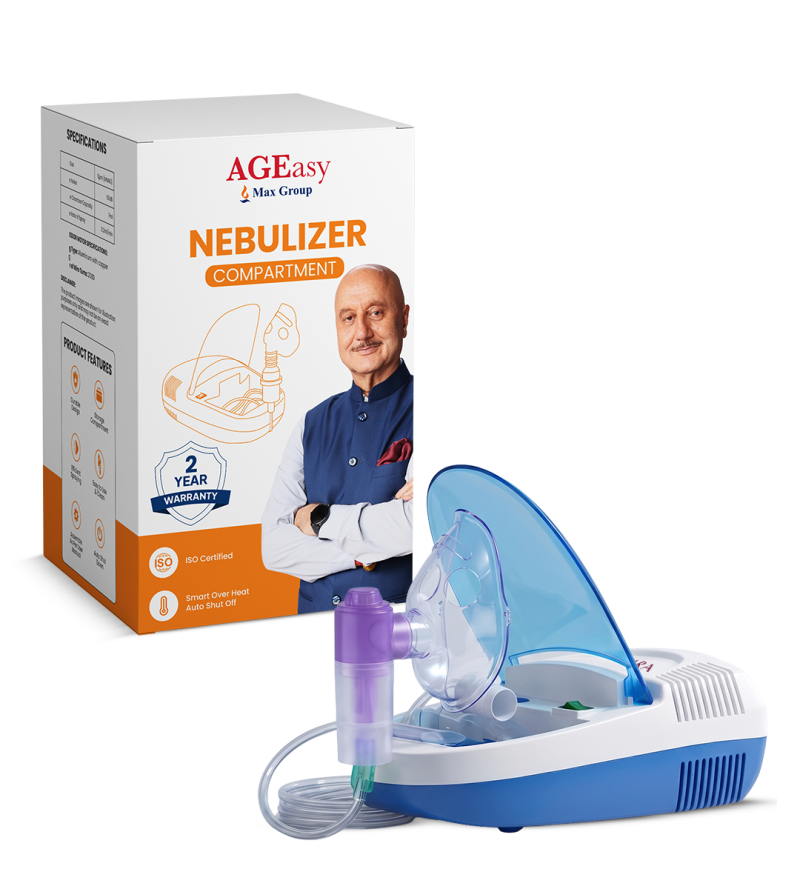
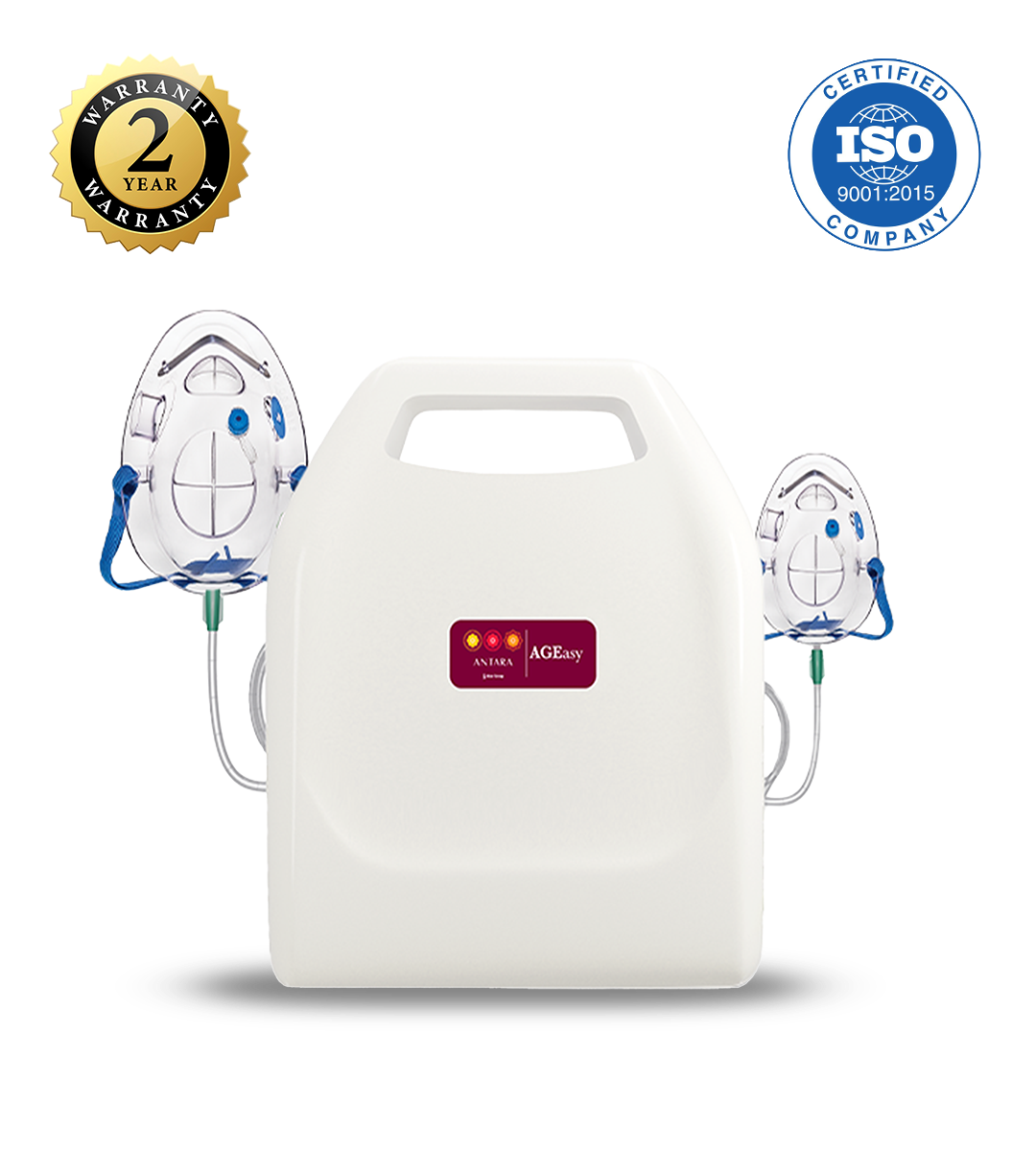
If your parents have been prescribed nebulization, you should understand why we find it necessary on certain days like those when it is unbearably dry or pollution levels are high. Nebulizers send therapeutic moisture straight to the airways despite what the air outside is up to.
2. Keep Daily Tabs on the AQI
The real-time AQI is provided for most major Indian cities. Safar-Air (a product from the Ministry of Earth Sciences), IQAir, and most weather apps provide immediate readings. Here is a simple example to show how you would use it:
- When the AQI is above 100, your parent with COPD or asthma needs to spend as little time outdoors as possible.
- When it is above 150, the windows should remain closed and peak pollution time (most likely early morning and night) should be spent indoors.
- When the AQI is above 200, there should not be any outdoor activity for the day.
We have found that for preventative purposes, it is more beneficial to check the AQI before planning the day's activities rather than checking it when your parent displays symptoms. It takes about 5 seconds to prevent a bad day.
3. Keep the elderly hydrated; don't let thirst be the cue
Caregivers don't usually need to be instructed to keep the elderly hydrated. What is less obvious is keeping them hydrated to benefit their respiratory system. Airways are lined with mucus, which is sticky and helps clear the airways of debris by trapping it and moving it up and out of the airways.
Mild dehydration increases the consistency of the mucus, making it stick even more. This causes debris to stay in the airways, and inflammation can build as air can't flow freely.
Now add to this the elderly. The sensation of thirst diminishes with age. Many elderly people can remain mildly dehydrated for long periods of time without experiencing thirst. This is why you can't rely on the elderly asking for water as a cue for them to get water. It should be done regularly throughout the day in the form of water, diluted juices, soups, and herbal teas.
4. Take your medication more seriously, especially right now
This is where the most avoidable respiratory failures happen, and it has nothing to do with dramatic environmental phenomena. The most common poorly-controlled conditions are Chronic Obstructive Pulmonary Disease (COPD) and asthma.
The most common reasons are that inhalers aren't used properly as prescribed, doses are skipped when the person is symptomatically better, and the technique to use the inhalers has been forgotten. Each issue by itself can be easily managed. The combination of all the issues in the context of a dry and polluted air for prolonged periods of time can be especially troublesome.
An unfortunate quirk of aging patients may be termed the 'feeling okay' decrement, and it likely applies to your parents, who believe they can forgo the morning inhaler since they are feeling fine. Feeling fine doesn't equate to the resilience of the airways margin being normal. In the drier months of the year, that margin is even more diminished. The inhaler is helping your parent's airways though it looks like it isn't helping at all.
To help remind your parents to take the inhaler, you can make a checklist, set a phone alarm or gently check in every day. There is no real incentive to these ideas but they go a long way.
5. Improve indoor air quality
Air purifiers with HEPA filtration systems can improve air quality by reducing PM2.5, particularly when air quality goes down. They will help relieve your parent's COPD, but since they are primarily air cleaners, they won't make a noticeable impact.
So if your parent sleeps for 8 hours in a purifying air room, it really does make a difference. Keeping the windows shut during the high pollution times of the day and venting air in the morning will not help as much but is better than nothing.
One More Thing: Just Because the Rains Are Here Doesn't Mean You Can Let Your Guard Down
This is probably the only section where I have to say this, but no, you shouldn't get comfortable when the rains arrive. You should be relieved. Not guard-down relieved but some kind of guarded relief.
Monsoons of any kind create high humidity air. In a very dry environment that type of air can be problematic for the respiratory system. Mould spores become prominent. Dust mites flourish. The monsoon can create a perfect storm of flares for people sensitive to dust or fungi.
During the monsoon transition, when humidity is highly variable, the dry monsoon air can be problematic for people with respiratory issues.
The challenges of a weak monsoon season can be the environmental pressures that go relatively unnoticed. It's pretty easy to see the environmental pressures of a dry monsoon season. They are pretty obvious and they create a lot of problems for people with respiratory issues.
When to Call the Doctor: Don't Wait
There is a developing pattern that can be seen with respiratory emergencies in older people. Something seems off, and the family is trying to just wait and see. The window of opportunity for easy solutions has nearly closed by the time they call.
The gray area for care is mostly subjective, but one thing we often hear is "I thought it was just a cough". What about when someone is out of breath after going up a flight of stairs? Maybe they're just getting older, and the judgement call is also very difficult here.
For the following conditions, there should be no waiting to talk to a doctor. You should always call a doctor on the same day when you have:
- Breathing is more difficult than usual at rest or during very minor activity.
- Breathing is causing you to strain your neck and/or chest.
- Breathing that's difficult, and you have sudden confusion or excessive sleepiness.
- Fever and difficult breathing, especially if you notice sudden changes to your breathing.
- Any of the above changes while using your rescue inhaler more than twice a week.
What This Season Need From You
For most people, a weak monsoon is just another weather update. But if you're caring for an elderly parent with asthma, COPD, or other lung conditions, it's something worth paying attention to.
Breathing problems rarely appear overnight. They build up over time - days of poor air quality, missed medications, dehydration, too much time outdoors, or simply ignoring early symptoms.
A weaker monsoon means dust and pollution can stay in the air longer, increasing the risk of respiratory issues for seniors.
The good news is that small daily habits can make a big difference. Check air quality before outdoor activities, make sure medications are taken on time, encourage regular water intake, and don't ignore changes in breathing or persistent coughing.
When it comes to your parents' health, the biggest difference often comes from everyday care, not emergency hospital visits. A little extra attention now can help prevent bigger problems later.
Sources & Notes
IMD Southwest Monsoon 2nd Stage Forecast (29-30 May 2026), reported in Down To Earth and Business Standard. Lancet Global Health / GBD Study 1990-2016 (COPD and asthma burden in India). WHO Air Quality data. 2019 Lancet study on air pollution mortality in India (referenced in World Economic Forum). Peer-reviewed literature on airway physiology, dry air, and humidity thresholds (HealthCentral, Scientific Reports, ICGI). Monsoon forecast data refreshes with each IMD bulletin, so verify the latest figures before each publishing window.