


Knee Cap for Knee Pain: What It Does, How to Choose, and Which Type Actually Helps
Article by: Aryan
Jul 7, 2026. 8 min read
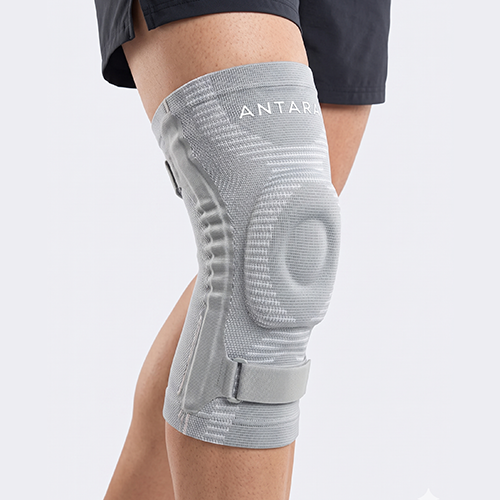
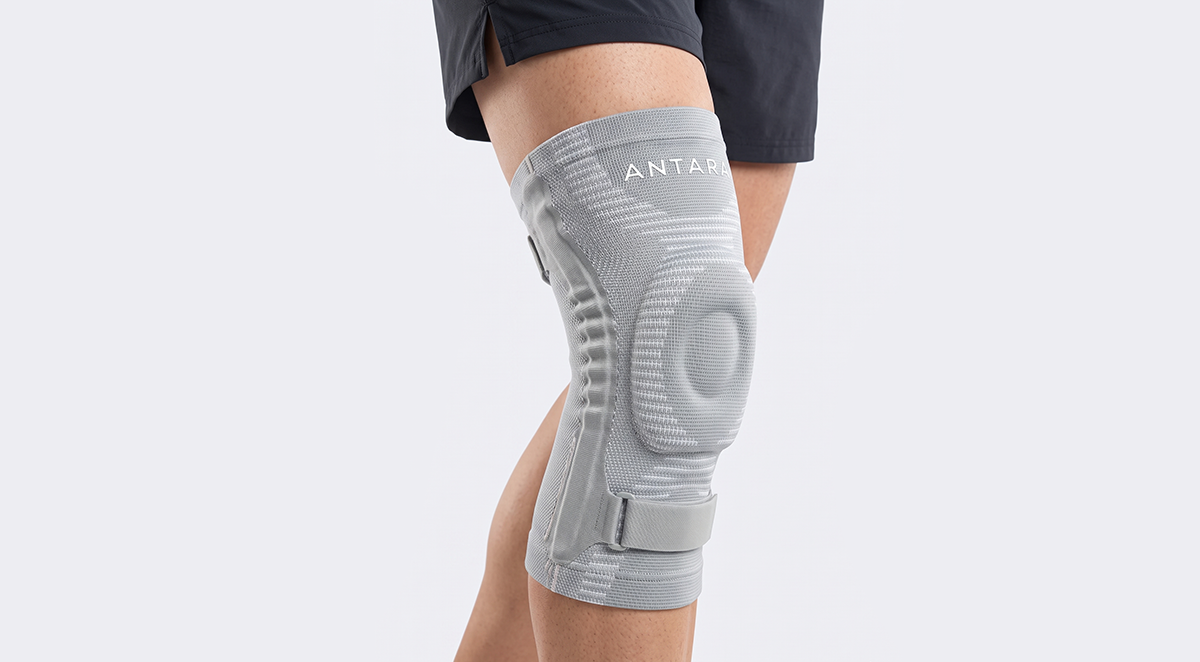
You don't understand how much you rely on your knees until every single step starts causing you pain.
You begin to take the stairs more slowly. You begin to think twice about getting up from your seat. You actually used to enjoy taking evening walks, but you skip them more often than not now.
Not because you don't want to go, but because your knees hurt.
It's worth taking a moment to clarify this: knee caps are not a miracle answer. They won't fix any damaged cartilage or reverse arthritis, and they certainly won't make your pain disappear. If someone is telling you otherwise, they are trying to sell you a miracle.
What you should actually expect from a good knee cap is far simpler, but is still genuinely helpful. It will support your knee joint, take some of the strain away, add some stability, and provide you with the confidence you didn't have before.
The purpose of that knee cap is the most important thing when it comes to determining which one will offer you the most support.
Different knee caps offer different levels of support. Starting with compression sleeves, to hinge braces that give additional support to the joint. If your pain is centered around the knee cap, open patella designs are good because they relieve some pressure on the knee cap.
Keep in mind that every knee is different, meaning there is no single knee cap that can be the solution to every issue.
This guide will help you understand the functions of knee caps, differentiate the types, and find the right one for your comfort, whether you need support for managing arthritis, healing from an injury, or just need extra help for daily activities.
What Causes the Pain?
Before selecting the right support, it is important to understand the situation first. Pain in the knee seldom has one cause. Some people may experience osteoarthritis, which is the gradual wearing down of the cartilage that cushions the joints. This means bone is closer to bone in every step taken. In other cases, there may have been old injuries that never healed completely, torn ligaments, strained tendons, or menisci that still complain with weather changes. For most people, standing for long hours, managing weight, or simply getting older, leads to ordinary wear and tear that catches up to them.
None of these are the things a knee cap will cure. This is a fact that must be understood clearly, as a lot of marketing around joint support blurs this line. A knee cap alters the way a knee handles load. It shifts pressure, constricts movements that aggravate a joint, and provides backup support from muscles so that they do not have to carry the stabilizing load all by themselves. For a lot of people, this is important.
The 3 Main Types, and Where Each One Fits
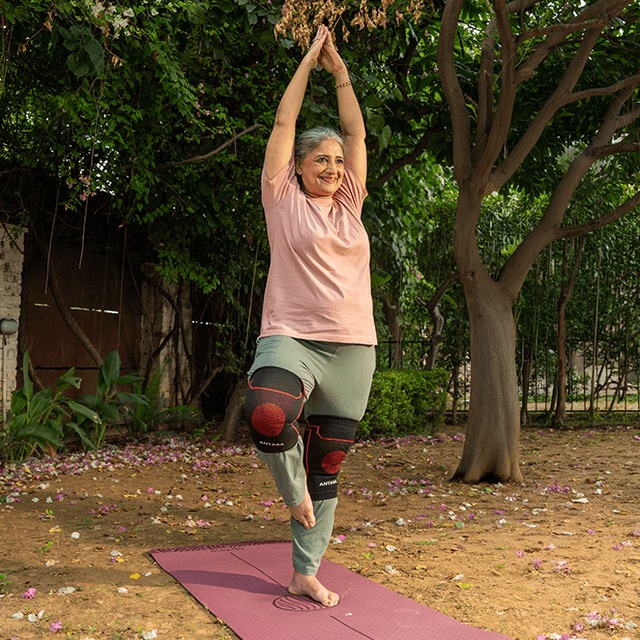
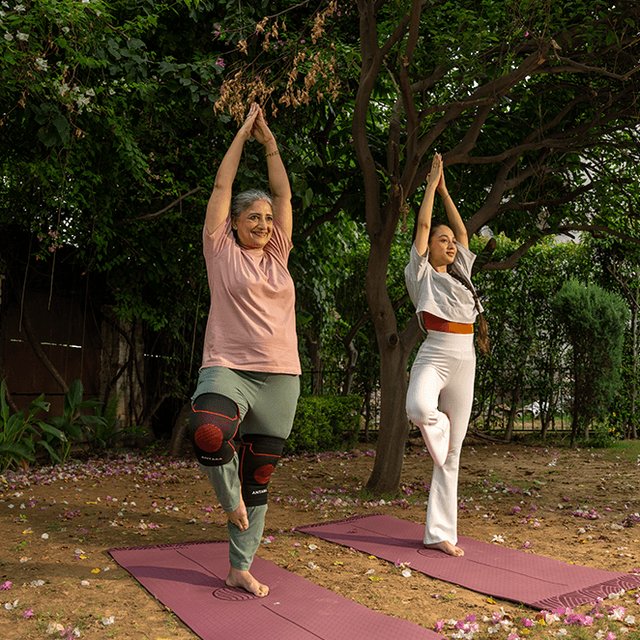
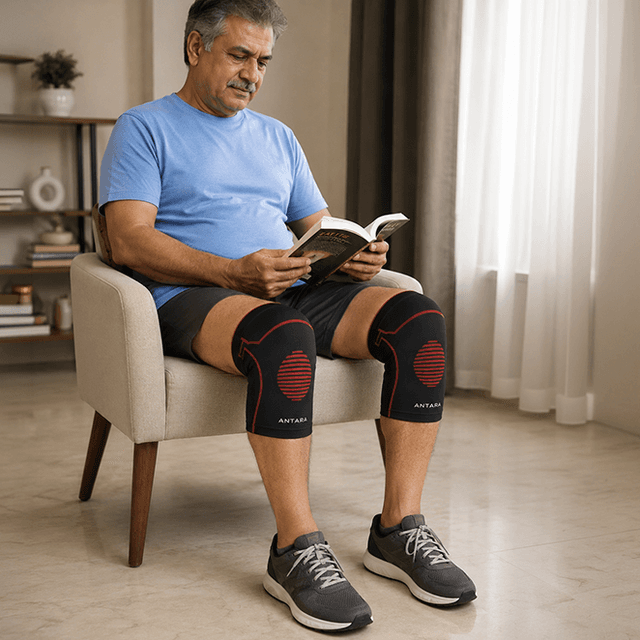
The most basic option are compression sleeves. These knee sleeves slide on like a sock, providing light compression around the knee, and some warmth. If you are having mild stiffness or ache, or just want some support on the knee when walking and doing light activities, it's a good starting point. Being the least restrictive option, you can remain active while wearing it. The AGEasy Comfort Ease Knee Cap is designed for use during a full day and made from a breathable material, so it is comfortable, and provides gentle compression, and may be a good option.
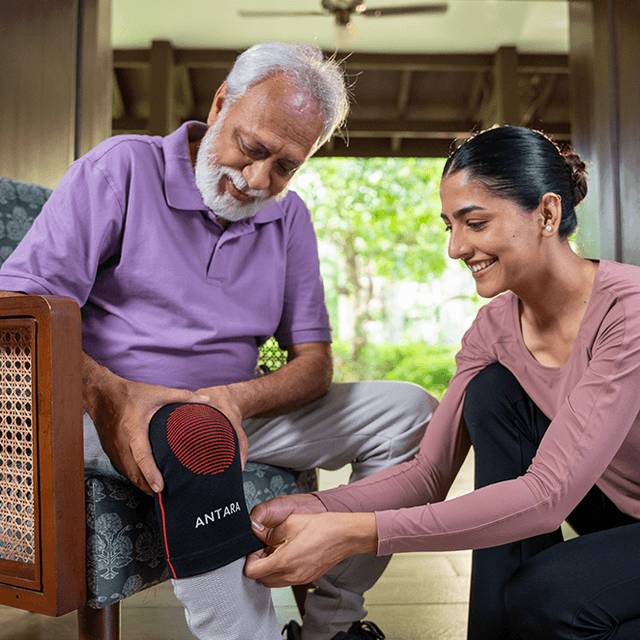
Hinged knee caps offer more support. These braces have side supports and straps that allow the knee to flex fully, but restricts side-to-side motion. Although this may sound trivial, it is important because a large number of knee injuries (especially post-operative) are not due to excessive bending of the knee. Sideways movement is critical in the design of braces to allow for normal flexing of the knee. If you are working with a knee injury like a ligament tear, meniscus injury or if the osteoarthritis is affecting your stability, then this is probably the level of support you need. The AGEasy Comfort Knee Cap with Hinged Side Support is designed to provide support for osteoarthritis, meniscus, and ligament injuries. Additionally, it has adjustable straps to make adjustments in support as the day goes on.
Open-patella designs address a completely different issue. Instead of covering the entire kneecap, they leave a gap to help relieve some stress from the kneecap while still stabilizing the other structures around it. If the pain is focused mostly around the kneecap, as with patellar tendinitis or after certain injuries, this is usually the better option since closed sleeves can compress, and therefore, aggravate the area that hurts the most.
So, What Should You Choose?
Start with the level of support that you actually need (rather than what looks the most overwhelming). It can be tempting to assume that the most rigid-looking support will be the most protective, but that is often not the case. A knee that needs only a small amount of support can be restricted by an overly rigid brace and movement can actually work to your detriment. Conversely, a light sleeve is ineffective on a knee that needs real support following an injury.
There are a few questions you should consider:
- Is the pain moderate but continuous, or does it become worse with certain activities such as stair climbing or rising from a seated position? Discomfort that is constant but low tends to be more fitting for a sleeve. Pain that is sharp and only occurs with certain activities often indicates the need for a more robust solution.
- If you have experienced an injury, surgery, or a diagnosed condition (such as arthritis), then it may be worth consulting a doctor or physiotherapist. The answer may vary significantly, for example, between a torn ACL and general age-related joint deterioration.
- Will you be using it for daily activities, or just for specific exercises? All-day comfort is important more than you might think. A brace may have great support on paper, but an annoying, tight or itchy brace will be one you won't continue wearing. It's also important to point out that adjustable and breathable materials help a lot with comfort. This is why material, construction, and fitting is as important as the level of support provided.
Things to Consider Before Purchasing
Sizing is one of the more understated aspects of purchasing knee caps. A knee cap that is too loose will not provide support, but one that is too tight can lead to restricted blood flow which can be dangerous. Most brands, including AGEasy, provide sizing charts that allow you to choose a brace based on your knee circumference rather than small/medium/large categories. It is recommended that you take the time to measure your knee prior to making a purchase to ensure that you do not choose the wrong size.
Additionally, knee caps are not intended to be a replacement for medical care. If you are suffering from chronic pain, swelling that does not subside, or any significant loss of mobility, you should see a doctor instead of relying on a knee cap to self-diagnose. Knee caps can provide support along with the correct diagnosis, physical therapy, or medical treatment. They are not a substitute for these factors.
Moving Forward, One Step at a Time
If you have knee pain, you know it makes everyday activities that much harder. You naturally will avoid taking the stairs. You may even find yourself taking routes that include places to sit and rest along the way, and you do it without realizing it. It is the kind of thing that it's so subtle you do not even realize it is happening until someone points out you have stopped taking part in certain activities you used to love.
A knee cap will not solve your knee pain problems, but it can help you reclaim some of the barriers that have limited your activities: walking to the bus stop and not having to mentally prepare yourself for a twinge of pain when you stand or having to brace yourself to avoid pain. It may be an everyday sleeve to provide extra support or a hinged brace for real structural support. The goal is the same: to focus less on your knee and live.
If you are unsure where to start, a versatile option is always a great choice. The AGEasy line of knee caps spans anywhere from mild compression to firm support, so you are able to select based on what you need for your knee.
Recommended Blogs




You May Also Like
 No products found
Article by:

Aryan
Article Category:
Knee Support