


Signs Your Parent Is Hiding Joint Pain From You
Article by: Aadya
Jul 10, 2026. 9 min read
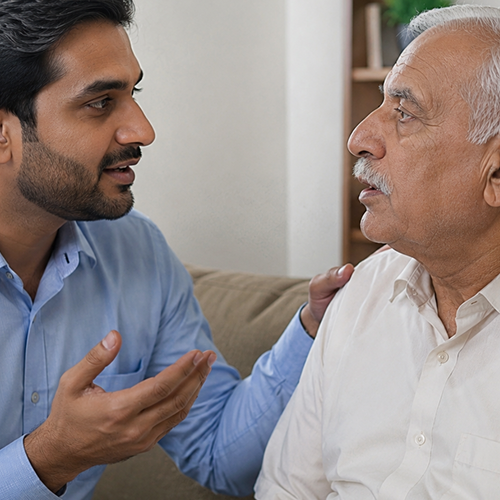
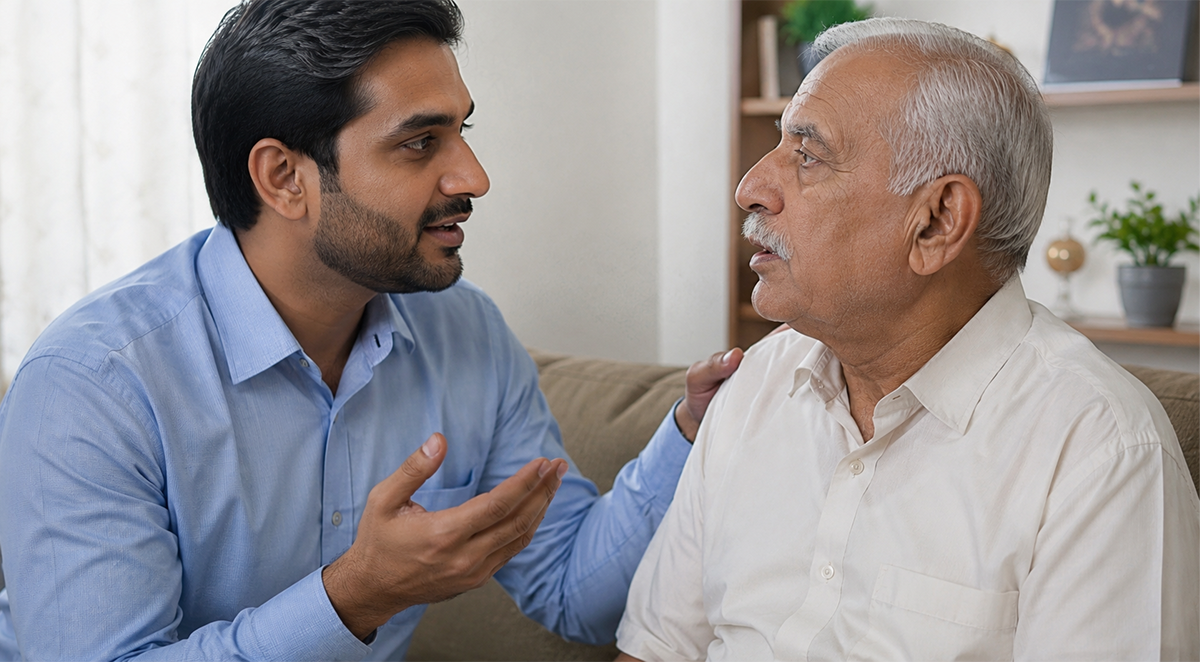
Parents do not want to tell their children about their pain. They alter their lifestyle instead.
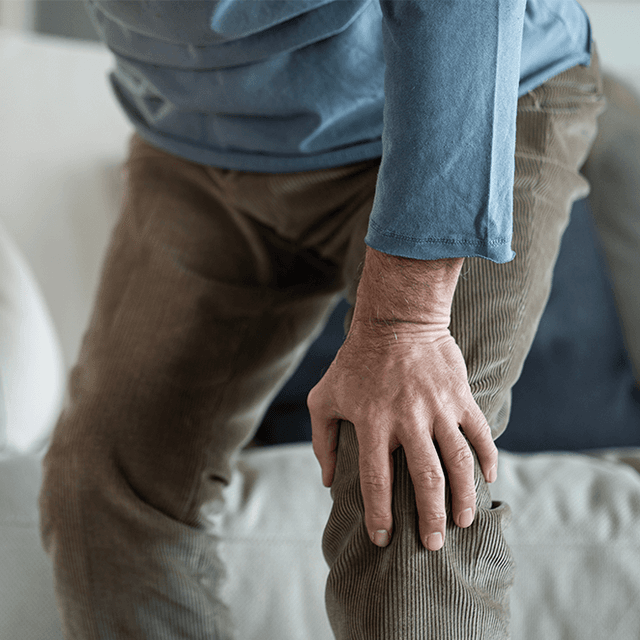
Most of the time, it begins with the avoidance of certain activities. They will no longer walk with the family. They will tell you to lift the heavy bags when coming back from the grocery store. They won't take the stairs. They will say "I'm fine," while their movement shows they are not fine and are actually far from what they used to be.
If you think waiting for your parent to complain about something is the right option in believing that they are in fact, in pain, you are making a huge mistake. Many will simply avoid doing that.
Signs not to rely on in your parents' pain:
- Asking for help
- Admitting that something hurts
- Saying that due to their pain they had a bad day
- One comment about their knees or hips hurting
The absence of certain behaviors is what you should pay attention to.
- The loss of enthusiasm for a favorite activity.
- Takes longer than normal to get up from a seated position.
- Uses furniture to assist them when walking.
- Turns down family gatherings that they looked forward to in the past.
Pain gives no warning signs. Pain will take away your parent's confidence, movement, and independence.
Your parents may choose to live with the pain they feel, and even serious issues will not make them avoid the pain until this results in a fall or injury.
Simply addressing the issue at hand can and will open the door to an active lifestyle for your parent that goes along with little to no pain without the need for medical intervention.
Why Parents Conceal Joint Pain
Parents conceal their pain for many reasons, but ultimately the answer to this is seeing their own pain as a weakness, and ultimately decline.
For a generation taught to rely on themselves, when someone says 'my knees hurt' is far more significant than the physical ailment. It demonstrates a change in the power dynamic between them and their children. No one wants to feel like they are a burden, told to slow down, or losing the independence they have fought so long and hard to achieve. So instead of saying something, many simply adjust.
Additionally, there may be avoidance, as well as fear. A parent may want to mention that a friend has undergone a knee replacement or hip fracture, but may hold back, thinking that naming the pain will make surgery or dependence a certainty. Others simply put aches and stiffness in the category of 'getting older' and assume that nothing can truly be done; so why bother mentioning it.
Knowing this provides you the understanding to read their actions in a more patient manner. You do not want to catch them in the act of concealing something. The objective is to see the change soon enough that you can assist before pain begins to restrict their life as much as it will inevitably.
What To Look For
In addition to the changes that have been previously mentioned, these changes are best looked for over weeks and months as opposed to single days.
- Daily movement changes - Observe the manner in which your parent gets up off the sofa, walks from the car to the front door, or gets into bed. They may move more slowly and deliberately, and may even pause before standing. All of these are indicators of joint pain that they haven't spoken about.
- Increased use of supportive structures - If your parent begins to use countertops, door frames, or handrails to assist them with everyday tasks, they are compensating for pain, or a lack of stability in their hips, knees, or ankles.
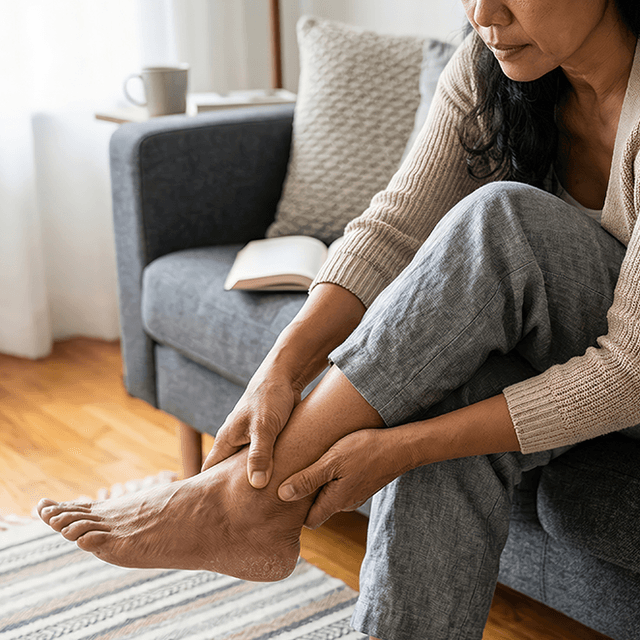
- Changes in wardrobes and footwear - Switching from fitted shoes to slip-ons, avoiding laced shoes, or wearing looser pants could indicate difficulties with ankle or knee swelling, or mobility problems related to bending down to tie laces.
- Withdrawal from activities - A parent who used to garden every weekend or walk the dog daily, and who has now become quiet and stopped doing these activities, is communicating something.
- Irritability concerning certain tasks - If a particular activity that requires prolonged standing like cooking, doing laundry, or leading worship seems to elicit a short temper or excuses, this could mean the person is uncomfortable, rather than being in a bad mood.
- Disrupted sleep - Joint pain tends to worsen as the night progresses. If a parent is restless and shifts positions often or complains about being tired due to poor sleep, they could be coping with pain that has gone unaddressed during the day.
The Importance of Early Intervention
Without intervention, joint pain is guaranteed to worsen and lead to more complications. As joints stiffen, body movement becomes more limited, muscle atrophy around the joints increases, and subsequently the strain on that joint increases. The longer this cycle continues, the greater the risk of falling due to poor balance and reflexes that are dependent on strong, healthy joints.
Joint problems coupled with age put adults above sixty years of age in the hospital due to injuries from falls, as observed by the World Health Organization and India's Ministry of Health and Family Welfare. Early intervention through pain management, medical assessment, physiotherapy, and home support significantly reduces the risk.
A parent's mental health can be profoundly helped through early intervention. Chronic pain is a hidden but common factor affecting the mental health of older adults, especially in relation to social withdrawal and depression. This may be due to the fact that unaddressed pain drives an affected person to contract their world to the areas that feel safe to them. When a parent begins to sit out during family events or social gatherings because standing and/or walking is too painful, they lose more than just their mobility. They lose vital social connections, and that can be an emotionally painful experience.
How to Start the Conversation
Joint pain is a common issue among older adults and most people tend to be sensitive to discussing it. Approach this topic in the same manner you would any sensitive health issue. Be gentle, try to be specific, and do not put any pressure on your parent to discuss it.
Instead of saying something like, "Are you in pain?" to avoid any likely responses of "no, I'm fine," try to document what you have observed. Saying, "I have noticed you seem to be holding on to the railing more when you go up the stairs. Is something going on with your knee?" is a far better approach as it leads to an actual discussion rather than deflection and it demonstrates to your parent that you care deeply about the situation rather than hoping they stay out of your business.
Try to focus the discussion on the condition rather than their loss of activity. Most parents would prefer to hear "let's make sure you can keep gardening comfortably" than "you're clearly struggling." If the topic doesn't move forward in that sitting, try following up after 3-4 days. In the meantime, try to observe and comment in a relaxed situation. Comments about wincing when getting out of the car can serve as a great delayed opening to further the discussion.
How to Balance Medical Comfort & Ease
There is a balance to be struck between medical comfort and ease, and practical ways to make the supportive system you have now more effective.
- First, it is necessary to visit a doctor or an orthopedic specialist. This is important because the causes of joint pain can range from osteoarthritis to inflammatory ones, requiring unique approaches to treatment. The doctor may suggest physiotherapy, medication, or possibly imaging studies to see what is happening inside the joint.
- Alongside medical attention, some changes can be done at home and have a significant impact. Supportive knee bracing or compression sleeves will help take the strain away when walking and standing. A cushioned back support will relieve the pressure and strain when sitting for prolonged times. AGEasy provides back braces and knee supports made for everyday use with the purpose of relieving the joints.
- Carefully consider bathroom safety because it is particularly important. Older adults fall in the bathroom more so than in other rooms. Getting up and down can be difficult and put a strain on the joints. AGEasy bathroom safety products like grab bars and non-slip mats or raised toilet seats reduce the physical strain of getting up and down.
- A good walking stick, which lies in AGEasy's walking stick collection, allows parents to be outside without restricting them to a certain place. Many walking sticks designed not to scream 'medical aid' are designed to look like stylish accessories.
- For painful joints, a compact massage device like the AGEasy massage gun will help ease the tension before the next physiotherapy session and will save you the clinic visit for every little ache.
None of these replace medical advice. They are designed to work alongside it, closing the gap between what a doctor says to do and daily comfort at home.
See a Doctor Without Delay
There are some symptoms where medical attention is warranted, and waiting to see a doctor is not an appropriate approach. These include sudden swelling in a joint, a joint that is red and/or warm to the touch, an inability to bear weight, fever and joint pain, and a fall that results in visible bruising or that causes an inability to move a limb. If your parent shows any of these, don't wait for the next check-up to bring them to see a doctor.
The Bigger Picture
Joint pain in your elderly parents is something that is typically going to come on slowly, and there usually isn't a lot of fanfare that announces its arrival. You'll see it in the way they walk, the things they do (or do not) choose to do in the evenings, and the little things they claim to not want to do (that add up to a lot) over the span of months. If you notice the slow changes and respond with calm and not panic, you are enabling your parent to remain active, comfortable and even independent, something that most people are not able to do in their later years.
The earlier you notice changes, the more options are available. A discussion starting today, combined with some good medical guidance and a few easy changes to their daily activities, usually steers you away from the kind of crisis that necessitates a tough discussion afterwards.
Recommended Blogs


You May Also Like
 No products found
Article by:

Aadya
Article Category:
Joint Care