


Plantar Fasciitis: The Heel Pain That Ruins Morning Walks
Article by: Shiya
Jul 10, 2026. 6 min read
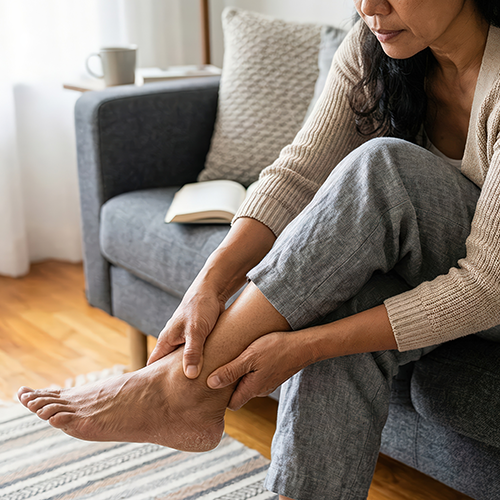
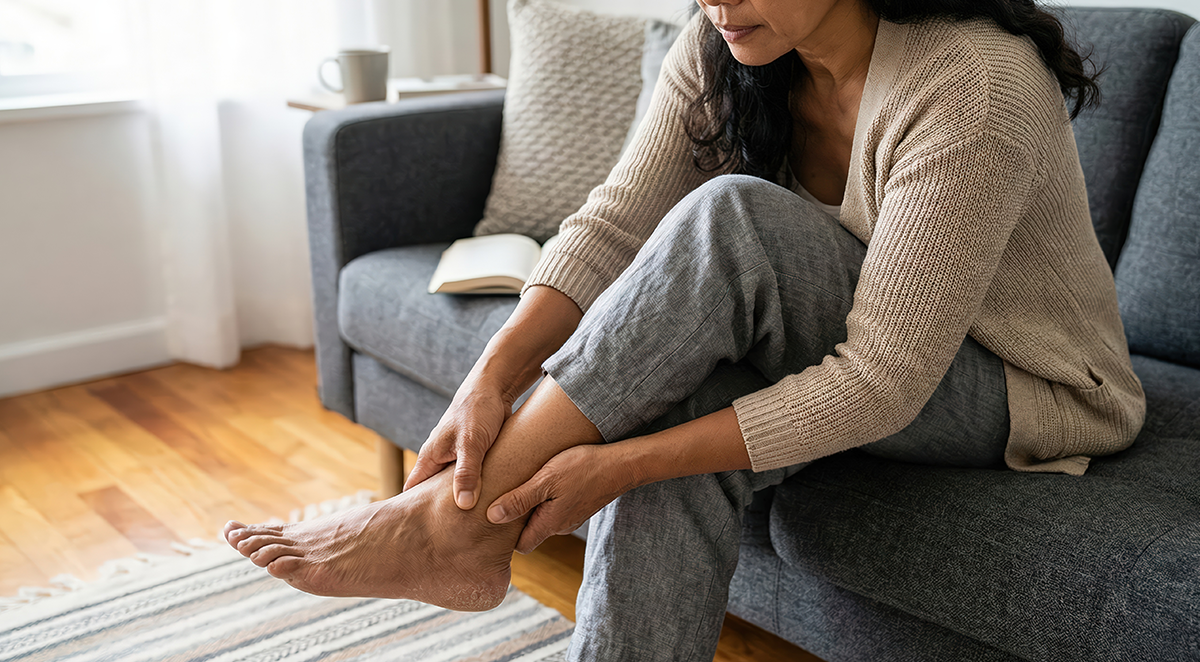
Often, plantar fasciitis begins as an achy discomfort, not unbearable pain. Initially, someone might shorten a morning walk, then a parent might come home from work early, then an evening walk gets skipped, and then walking gets avoided altogether.
The biggest mistake is assuming they are just getting older when this is often far from the truth.
Look for the heel pain of plantar fasciitis during the first few steps of the morning, discomfort that goes away after a walk but returns later in the day (if they walk at all), a parent that suddenly avoids long walks, and little changes in their walking or standing posture.
Untreated, your parent will become more inactive, lose strength and balance, avoid the exercise that keeps their joints healthy, and little by little, they will give up the routines that help them stay independent.
Recognizing signs early encourages treatment that is proactive so pain doesn't worsen, augments their ability to walk comfortably, provides fast recovery with the properly prescribed footwear and exercises, and ultimately keeps them more active and confident.
This guide discusses what plantar fasciitis is, why it often causes sharp heel pain during the first steps of the day, and how families support ageing parents to achieve walking comfort again.
What Happens Inside the Foot
Fasciitis develops from the thickening of the fascia tissue under the foot that may become inflamed or tear from repeated strain. This tissue connects the heel to the toes. With each step, it supports the arch of the foot. When it is not injured, the tissue will absorb shock to the foot. With repeated strain, it becomes stiff, and tenderness will develop at the heel.
Each night when you sleep, the fascia shortens and tightens. When you first wake up, the first steps taken can extend the fascia quickly. This can produce sharp heel pain. Tissue loosens and warms up. This improves the pain and makes it easier to walk. This does not mean the problem heals though. The pain returns in the evening and the fascia will again strain from standing or walking.
Why Older Adults Face Higher Risk
Older adults are at a greater risk of plantar fasciitis. With age and time, tissue elasticity decreases. Cushioning at the heel also naturally decreases. More body weight increases the pressure at the heel. Standing on hard floors increases strain. Shoes that have no arch support are worn out and cause added strain on the fascia. This also occurs with flat feet and with very high arches because of how weight is distributed and how the foot is configured.
Caring for a Parent With Plantar Fasciitis
Rest may be one of the most important factors to consider. Try to encourage your parent to avoid walking on hard floors, and consider taking short breaks throughout the day to sit down. Simple calf stretches can also be done by your parent in the morning right after getting up to help relieve the sudden pull on the affected fascia. To help relieve swelling and soreness, a cold compress can be applied to the heel of your parent for a duration of 10-15 minutes. This can be done after a long walk.
Most people do not realize how important footwear is. Shoes with a cushioned heel and firm arch support help reduce the amount of pressure that is applied to the plantar fascia at each step taken. If your parent's shoes are worn down, consider replacing them before the discomfort worsens. Supportive shoe insoles can also be added in your parent's shoes to help distribute pressure across the foot more evenly. AGEasy's ArchPro insoles are a good option to consider since they are designed to fit in most closed footwear, and also support the arch of the foot during routine daily activities.
An arch pain support brace can also be very helpful for heel pain flare ups, providing extra support without limiting activity. Most shoes do not require any changes, so your parent can wear the brace throughout the day.
Topical analgesic ointments help cope with pain each day, especially in the evenings after standing all day. Pain relief gels and roll ons that are directed to the affected areas reduce pain and help to make the heels feel good after activity. Menthol and clove oil are within AGEasy's gels and roll-ons that warm and cool the skin to provide relief quickly and do not leave an oily feel to the skin. The small roll-on is a wonderful size to help your parent have it with them to apply often and easily.
When there are flare ups, using a lightweight walking stick like the AGEasy Foldable Walking Stick will allow for less weight bearing on the foot that is causing the pain so that the fascia can have time to calm down. This walking stick gives support for the foot while walking and avoiding pain without bulk and is easy to fold for use in the house or for trips outside the house.
When to See a Doctor
Most cases of plantar fasciitis will improve within a few weeks with home care. If it is taking longer than this, your parent's pain is continuing despite resting, appropriate shoes, or is limiting their daily activity such as standing at the sink, or walking to the store, it is time to see a doctor or a podiatrist. The specialist will check for other potential reasons for the heel pain, may recommend some specific stretches or physical therapy, and sometimes may provide options of custom orthotics for additional support long term. Medical care is needed urgently with any continuing swelling, numbness, or pain beyond the heel that is spreading.
If you want to help your parent avoid plantar fasciitis, you need to be observant. A shortened walk, a missed walk, or an audible wince when getting up in the morning all indicate something that needs to be addressed. With proper shoes, timely intervention, and a few small changes in daily activities, your parent can continue to walk comfortably and stay actively involved for many more years.
Recommended Blogs



You May Also Like
 No products found
Article by:

Shiya
Article Category:
Joint Care