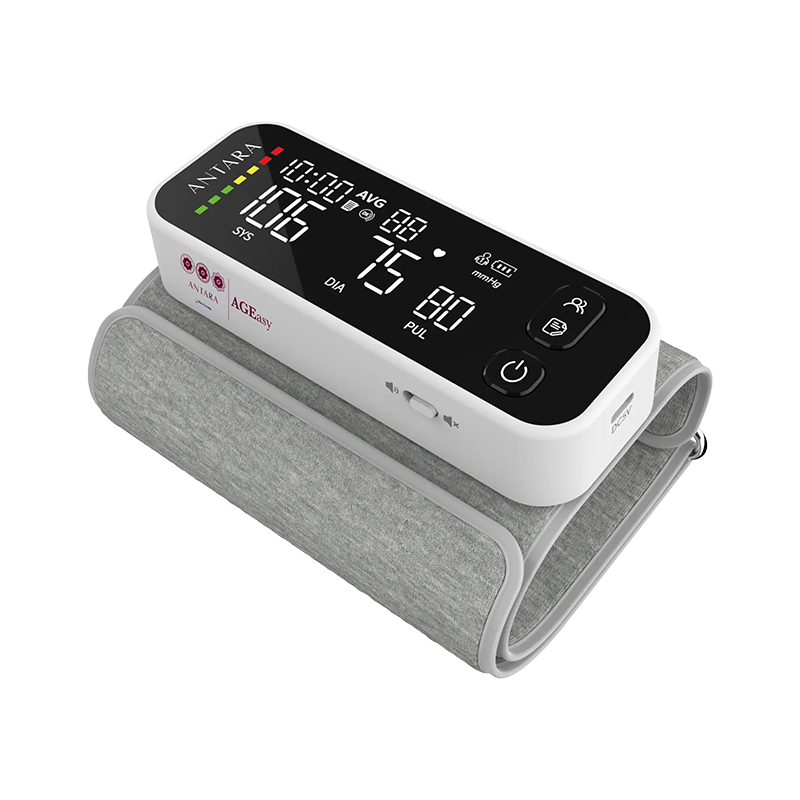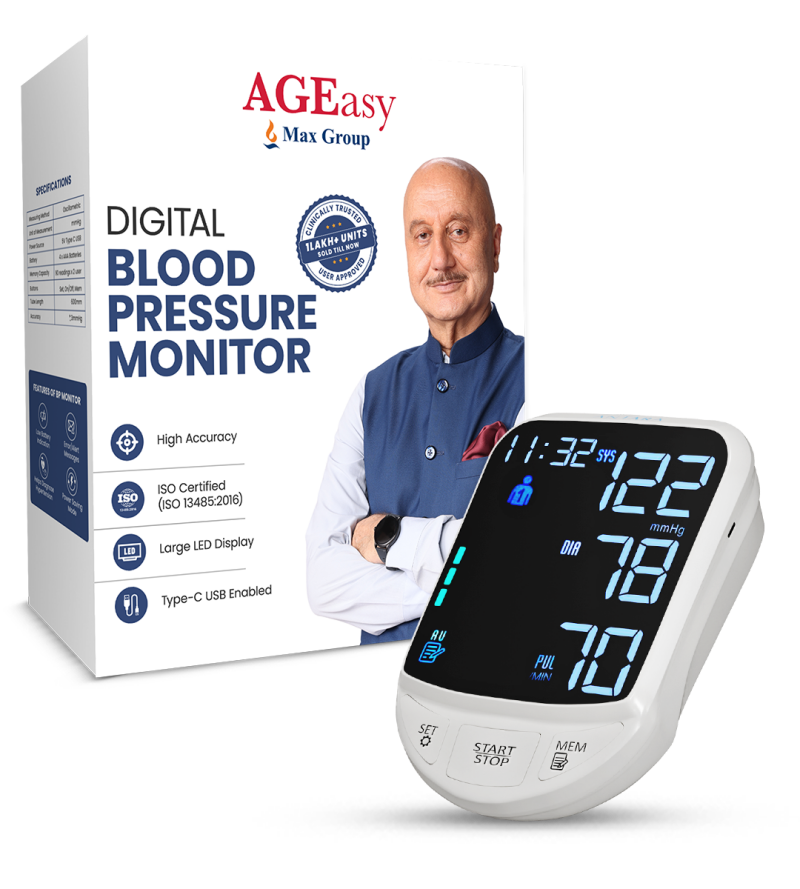

The Blood Pressure Monitor Is Already in the House. Now What?
Aug 12, 2026


A lot of families breathe a quiet little sigh of relief when the blood pressure monitor finally arrives for Mummy or Dad.
The box gets opened. Someone fumbles through a quick setup over the phone, or maybe you drive over one weekend to get everything sorted. And then... the readings start coming in. Some days they look completely fine. Other days they look alarming. And sometimes, this is the part that really messes with you, two readings taken fifteen minutes apart show numbers that seem to belong to 2 entirely different people.
That's when the worry kicks in.
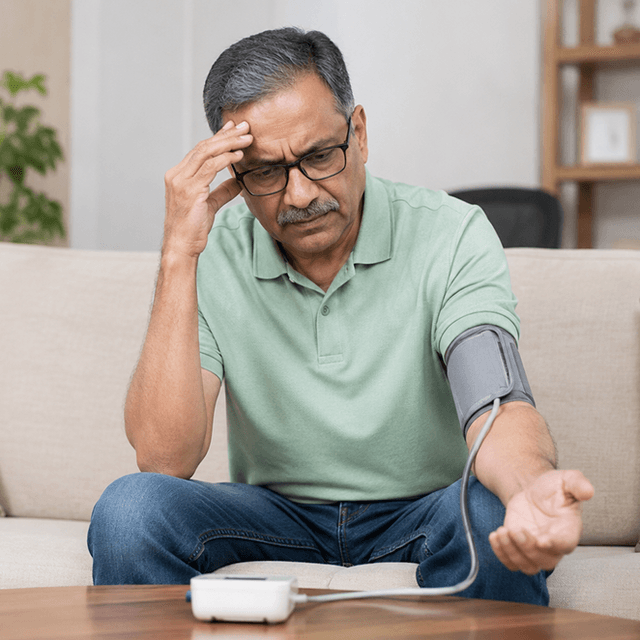
Is the machine broken? Is something wrong? Should we be calling the doctor right now?
Here's what nobody actually tells you when you buy a home blood pressure monitor: the device is only as reliable as the way it's being used, the cuff that fits the arm, and the conditions under which each reading is taken. The technology inside modern home monitors is genuinely good but this isn't a case of cheap equipment letting you down. But the margin for user error, especially around one completely overlooked accessory, is surprisingly wide.
This read is for the families who have already placed the monitor on the bedside table. This is about what takes place after the purchase and the questions around how to ascertain that the device is providing you valid data or what to do when the monitor records data that seems inconsistent and how to reconcile the fact that there are some things you can manage and some things you cannot in the comfort of your own home.
So, let's begin.
The Part Most People Avoid
Here's something that most people don't know.
The most popular reason for recording inconsistent data with a home blood pressure monitor is not due to the device at all. It is about the cuff, specifically whether the size of the cuff is suitable for the arm it is wrapped around.
Manufacturer's clinical guidelines and home monitor brands, including Omron, which is one of the best-sellers in India, cite cuff size as the primary reason people take inconsistent data at home.
When a cuff is too small for the arm, the systolic blood pressure which is the top number can be overestimated by anywhere from 10 to 40 mmHg. Just think about that for a moment. A person whose systolic pressure is actually 130, can incorrectly appear to be recording data between 140 and 170. That's the difference between a nervous conversation about lifestyle changes and an urgent consultation with a cardiologist.
A cuff that is too large can underestimate the blood pressure; therefore, someone who has elevated blood pressure may be interpreted as having normal blood pressure.
This is particularly true for older people, since the upper arms of adults change in shape and size as they age. Arms can become thinner, more tapered, softer in tissue density. So, a cuff that fit well three years ago can be too loose.
How to Know If the Cuff Actually Fits
The appropriate cuff should be able to cover 80 percent of the circumference of the upper arm. The part of the cuff that expands (the bladder) should be able to reach halfway around the arm.
For practical purposes, use a flexible measuring tape to get the measurement of the upper arm at the midpoint, which is the area that is approximately halfway between the shoulder and elbow.
Compare the measurement to the following general guide:
- Small cuff: 17–22 cm arm circumference
- Standard/medium cuff: 22–32 cm arm circumference
- Large cuff: 32–42 cm arm circumference
These ranges differ with brands and models, so always refer to the guide that came with your device for any variations.
If the monitor came with a standard cuff and the arm circumference falls outside that range, most major brands have adjustable replacement cuffs that can be purchased separately.
If you are monitoring an aging parent, there is one more thing to keep in mind which is when an elderly person's arm is soft or tapered, the size of the cuff may look like it will fit, but it may not wrap around the arm evenly or stay in place. If this is the case, you may want to consult a healthcare professional regarding the best possible measurement options for this specific circumstance.
Proper Use of the Cuff
Cuff size isn't the only thing that matters. Incorrect positioning of the cuff can result in readings that fluctuate from day to day, and this is also one of the most common mistakes which is easily fixable once you know how.
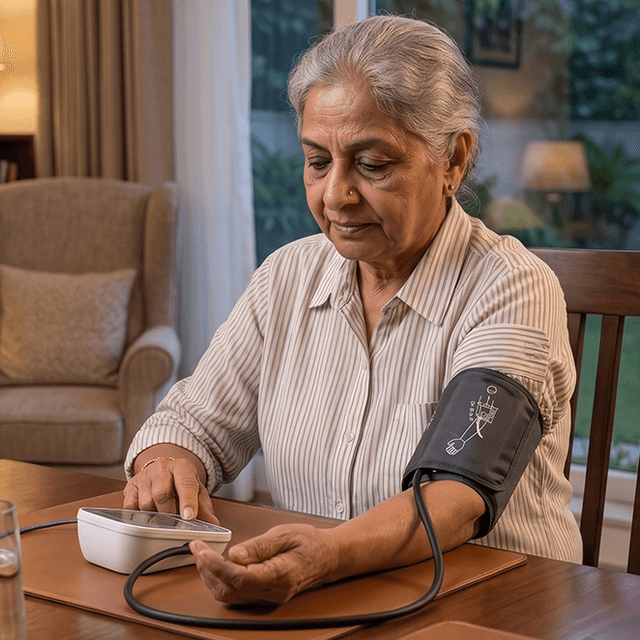
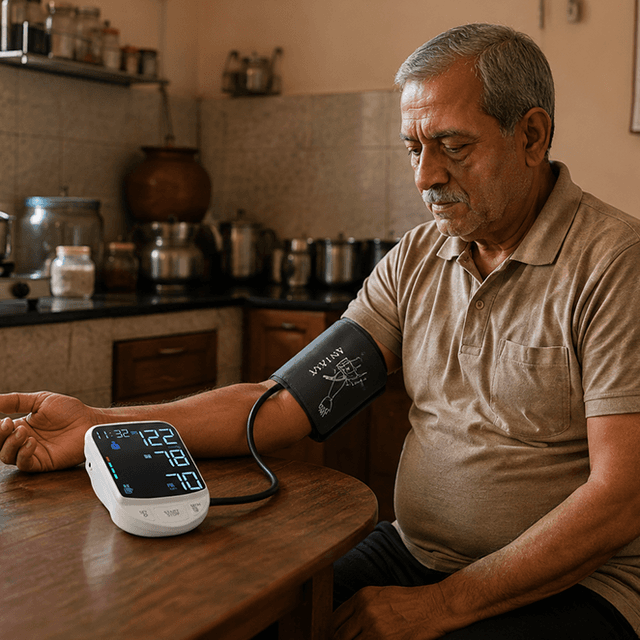
- Ensure the cuff is on bare skin. Any article of clothing, even a thin sleeve, can disrupt the pressure being measured and will cause inaccurate measurements. Make sure the sleeve is rolled all the way up or removed entirely.
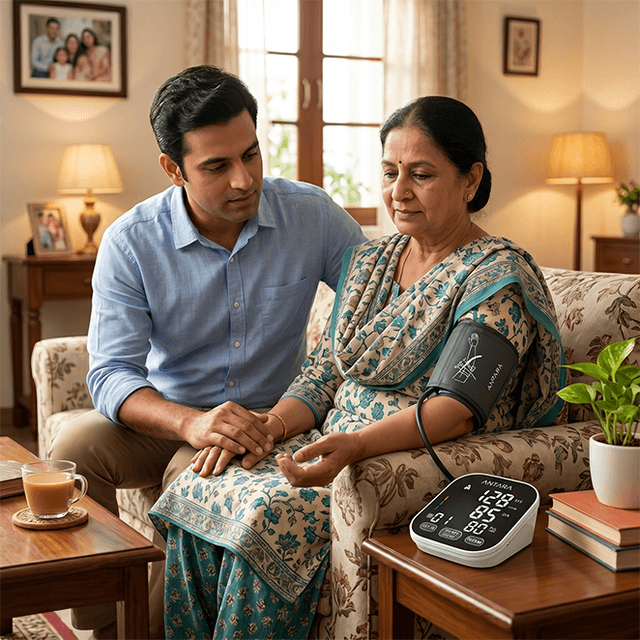
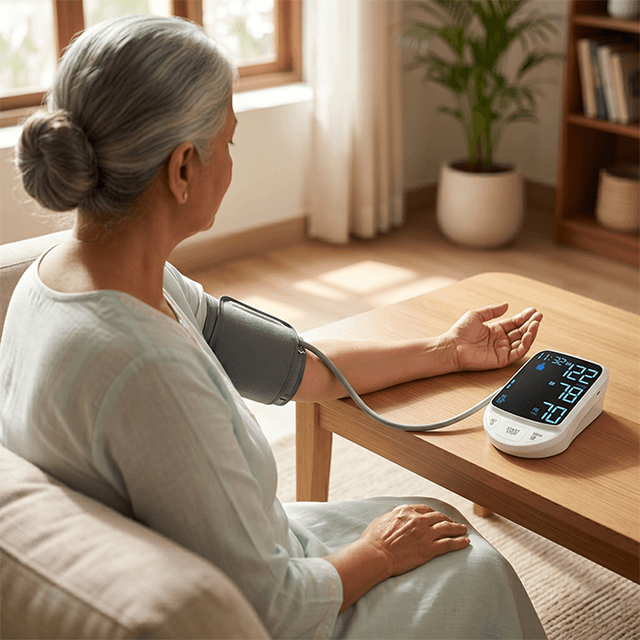
- Cuff at Heart Level. For accurate readings, the cuff should be at approximately the same level as the heart. If the arm is hanging at the side, readings can run artificially high. If elevated above heart level, they may read low.
- Cuff Marker. Make sure to position the cuff so that the marker that indicates the end of the brachial artery (the inner aspect of the upper arm) is properly aligned before inflating the cuff.
- Allow your arm to relax completely. Tightening, grasping the chair's arm, or holding the device with the arm that is cuffed can all impact the reading. The arm should just... rest.
- Observe the gap. The bottom edge of the cuff should sit about two finger widths above the inner elbow. If it is too low, the cuff is over the elbow joint instead of the artery. If it is too high, you will be measuring from the wrong section of the arm.
These are not trivial details. Each of the examples provided impacts the number displayed on the device.
When Readings are Variable: A Working Troubleshooting Guide
This is a situation that most families will find incredibly worrying. The reading is 135 one morning, 148 the next, and 122 the following afternoon. What on earth is happening?
Here's something genuinely assuring: blood pressure is not a constant figure. It varies continuously throughout the day, and responds to elements such as activity, stress, hydration, meals, quality of sleep, caffeine consumption, ambient temperature and even talking to someone. A person can sit quietly in a chair for 5 minutes and take a blood pressure measure and show a substantially different reading to someone who just walked in from the garden.
That's just normal physiology and not a faulty device.
Some of the variation we have just described is device, technique, and accessory related. The following is a checklist when readings are unusually varied or inconsistent.
- Check the cuff size first. As we just covered, this is the most common culprit. Before anything else, re-measure the arm and verify that the cuff is appropriate.
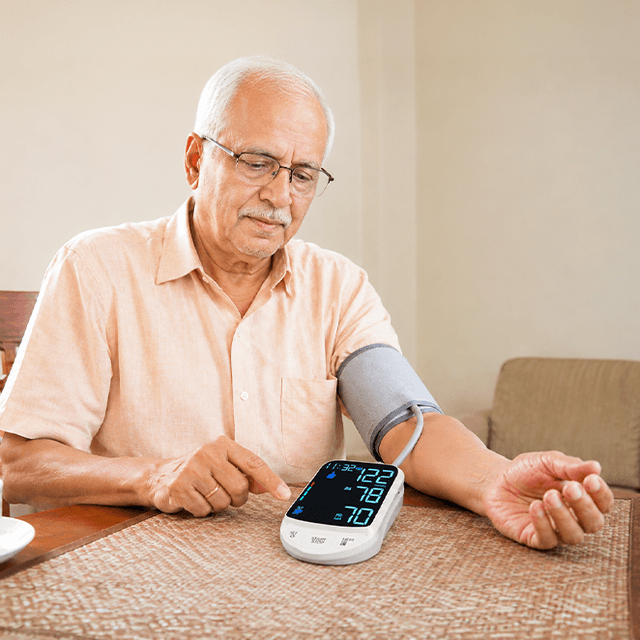
- Check the sitting position. The person must be seated comfortably in the following way – back fully supported, feet resting flat on the floor, the arm with the cuff on it, is placed on a horizontal surface that is level with the heart. If the legs are crossed, leans forward, or if the person is perching on the edge of a bed without back support this can all affect the blood pressure reading.
- Check the timing. Blood pressure tends to be highest immediately after waking up in the morning and in the late afternoon. It is generally lowest when a person is sleeping and during extended periods of rest. If readings are taken regularly, then do them during the same time of day, before any medications, after a minimum of five minutes of quiet sitting. It will provide measurable and comparable data over time.
- Check for white coat anxiety... at home. This might sound strange, but some people feel real anxiety associated with measuring blood pressure, even if they are at home, and this anxiety causes the reading to go up. If this is the case, then taking two or three readings at one minute intervals to see if the numbers drop can be very informative.
- Check recent activities. Did the person just climb a flight of stairs, have coffee or tea, smoke, or eat a big meal within the last thirty minutes? Any of these activities can temporarily raise blood pressure and will not give any indication of resting levels.
- Repeatedly check cuff placement. Variable readings can happen due to poor cuff fit and placement, including being too loose, too high, too low, or being placed over clothing. Best practice is to check until the correct placement is done automatically every time.
- Check for movement during the reading. Talking, moving, or tension in the arm even while the cuff is deflating and inflating can cause error readings or artificially increase the blood pressure.
Power Adapters: A Small Detail That Makes A Big Difference
Most Omron or FEDUS home blood pressure monitors which is one of the most widely used brands in the Indian market are powered by a 6V DC power adapter. This power rating is standard across brands and models, though it is important to understand that power specifications do differ from brand to brand and from model to model. Therefore, the only specifications that concern you are those printed on your specific device's power port.
Using an adapter that is not compatible with the device in terms of voltage output or power polarity can impact the operation of the device. Manufacturers have indicated that this may void the warranty as well. Underpowered adapters may lead devices to show inconsistent measurements or fail to complete the measurement cycle altogether. Overpowered adapters, on the other hand, may lead to damaging the device internally.
In case the original adapter is lost or is no longer functioning, an adapter that matches the specifications in the device manual should be obtained from a manufacturer-authorized service center or a reputable electronics store. Generic adapters should be avoided unless they are guaranteed to meet the voltage, current, and polarity requirements.
Most home monitors also run on batteries. If there is uncertainty with the adapter, using fresh batteries while you figure out the correct replacement is a perfectly reasonable option.
In case the device is unreliable due to erratic readings, check the battery compartment. Weak batteries are a surprisingly common cause of erratic or incomplete readings that get misattributed to the device being faulty. It's one of those fixes that feels too simple, but it works.
Bluetooth and App Connectivity: More Useful Than It Sounds
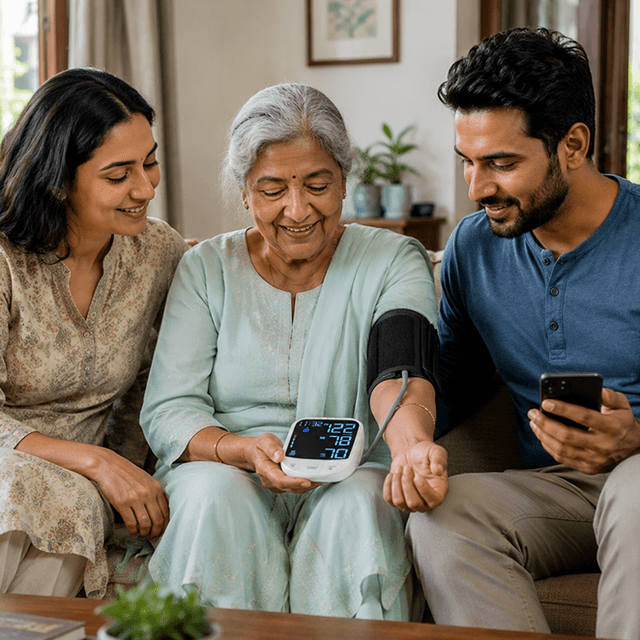
All newer models of blood pressure monitors currently available in India, as well as most newer models available internationally, come equipped with Bluetooth functionality that allows users to sync these devices with their smartphones and track their measurements through a health-monitoring application.
For families that need to manage a parent's health from a distance, this feature genuinely changes things in ways that are difficult to describe.
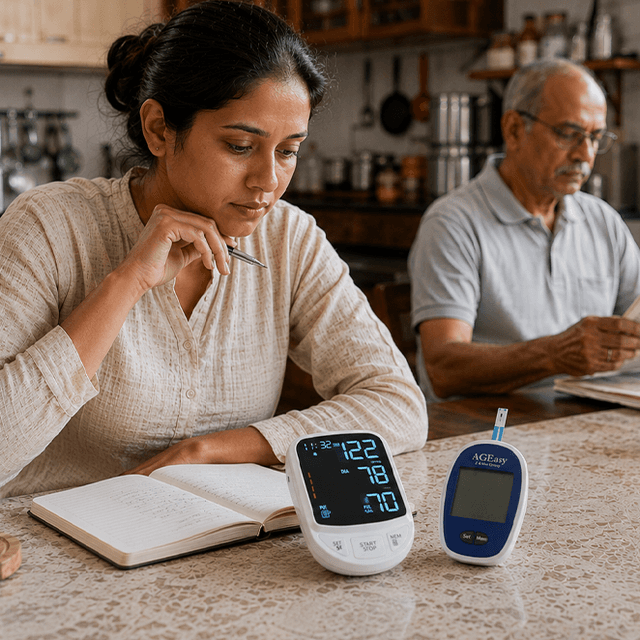
No longer will a parent need to take outside readings and call to report them, describe the numbers, or guess the range of the BP measurements. Rather, with these Bluetooth blood pressure monitors, readings are sent automatically to the health-monitoring app, where the measurements are stored, time stamped, and displayed as a "trend" over a period of days or weeks. A daughter living in a different city can access her father's BP readings every morning without having to call and ask. With this type of digital health tool, abnormal BP readings will be apparent over a given time rather than being noticed only in retrospect.
From a medical standpoint, trend data is highly valued and interpreted quickly, as opposed to a standalone reading. For example: One isolated alarming blood pressure reading is less informative than a series of elevated morning readings.
Once again, if your device is Bluetooth-enabled, linking it to a health-tracking app will increase the user's health engagement and compliance with the health-monitoring process by providing easy access to their health data.
A few practical setup notes:
- Ensure that the phone remains close to the monitor during measurement to allow for reliable syncing.
- Some applications require that both the phone and monitor be registered and paired before use. See the manual of the device regarding the pairing steps.
- Various brands have different companion apps so ensure that you download the correct one from the manufacturer's site.
- Ensure that the version of the app that you have downloaded is compatible with the operating system of the phone.
As for Bluetooth and app functionalities, there are so many differences across various models. Therefore, the manufacturer's documentation is the right place to reference for this information.
Replacing the Cuff: What to Know
Cuffs are considered consumables. Over time they can develop issues such as stiff tubing, loss of grip on the velcro, and the inner bladder can become uneven in regards to how it inflates. All these factors will affect the accuracy of readings, however, none of these problems will be visible from the outside.
If the cuff is over three to four years old or has any visible wear, it is most likely worth replacing, even if the device still seems to be functioning perfectly.
When sourcing replacement cuffs, please take into account:
- Device brand and model: This is often more variable than expected.
- Arm circumference of the intended user: It's best to double-check rather than guess.
- Tube connector type: Different models have different connectors for cuffs attaching to the monitor.
The most reliable option is to order from the device manufacturer or their authorized reseller. While third-party cuffs may fit, they may not meet the same standards for accuracy as manufacturer-approved ones.
Some manufacturers have multiple cuffs available for the same device. In situations where the intended user has lost or gained a significant amount of weight since the original purchase, a replacement cuff is an opportunity to get the sizing correct.
For Caregivers Supervising Remotely
It is common for families to set up a blood pressure monitor at home for a weekend visit, holiday event, or other short stay, and then return to their home city without any expectation that the device will be used correctly or that it will be reliable.
In reality, it can drift from the intended goal.
The parent will start measuring at other times, after activity, or not at all. The cuff will change position, and reading glasses may go missing. This may lead to unclear or incorrect readings. Numbers reported may be rounded when called, and not at all maliciously, only readings within the normal range will be mentioned. This is life.
A few things that might actually help:
- Establish a clear, consistent routine before you leave. Same time each morning, before meds, after five min of sitting quietly. Write it down, stick it by the device.
- If possible, set up Bluetooth and app connectivity for the device. Objective data that syncs automatically takes the burden of accurate reporting off the older adult and the remote caregiver. One of those little things that makes a big difference.
- On your next visit, revisit the setup. Re-measure arm circumference, re-check cuff fit, and actually observe one reading be taken. Minor mistakes quietly compound over months, and a quick refresher before they become issues is helpful.
- Keep the device manual handy. Knowing a certain model needs a 6V adapter or that the cuff goes on a certain way matters when something needs troubleshooting and you're not there.
When to Escalate Beyond the Device
Home blood pressure monitoring gauges awareness and trends but it is not a diagnostic tool.
Consistently elevated readings are a concern. This is especially true for repeated systolic readings above 140 mmHg or diastolic readings above 90 mmHg. This is not a problem to be solved by adjusting technique.
If technique, posture, cuff size, and timing have been accounted for yet readings are still inconsistent, it may be valuable to have the device validated against a clinic or pharmacy reading. A number of pharmacies and some diagnostic centres will allow you to take a reading against your home device for a direct comparison. This method is quick and eliminates doubt.
Today's home monitoring devices create an invaluable resource for families to observe cardiovascular health on a regular basis. However, monitoring tools are only valuable when said readings are accurate.
A Reminder Checklist
This is a resource to be used and keep your home monitor as your site for cardiovascular monitoring.
Cuff and Fit
- ☐ Arm size was measured and matched to appropriate cuff size
- ☐ Cuff was placed directly on the skin, not over layers of clothing
- ☐ Cuff is approximately 2 fingerbreadths above the bend of the elbow
- ☐ Marker is positioned over the inner upper arm
- ☐ Cuff is snug, but 1 finger should be able to slide underneath
Posture and Preparation
- ☐ Seated in a chair with back support, and feet are fully on the floor
- ☐ Arms on the table at the level of the heart
- ☐ Inactive, no caffeine, food intake, or smoking for a minimum of 30 minutes
- ☐ 5 minutes of quiet sitting was done before the measurement
- ☐ No talking or moving during the measurement
Device and Accessories
- ☐ The power adapter is the same voltage as that specified in the manual (most Omron models are 6V DC – check your device).
- ☐ Batteries are checked, and replaced when low
- ☐ The cuff is in good condition with no visible wear and supple tubing
- ☐ If Bluetooth is available, the device and app are connected
- ☐ The device manual is available
Routine and Recording
- ☐ Measuring is done at the same time each day (usually in the morning before meds)
- ☐ Readings are recorded and synced without fail
- ☐ Unusual factors (poor sleep, stress, illness) are noted in relation to the reading
- ☐ Trend data is shared with the doctor, not just individual readings
The real challenge with home blood pressure monitoring isn't the technology.
These devices are actually impressive.
It is the quiet gathering of minor mistakes that can erode the trustworthiness of the data collected over time without anyone noticing. Mistakes such as an incorrectly placed cuff, an arm elevated to the incorrect position, or taking a reading after lunch are easy to overlook. Each individual mistake seems inconsequential, but together, over the course of weeks and months, they can give a false representation of reality.
The theory underlying these tools is correct. The data generated is highly valuable, assuming that all the variables are controlled and the mistakes mentioned are corrected. Getting the cuff adjusted, the power supply activated, and the method perfected are not trivial tasks.
It is the distinction between useful data and embarrassing output.
When it comes to your loved ones, the distinction is invaluable.