
Polypharmacy: When Your Parent's Nine Medicines Start Working Against Each Other
Aug 4, 2026


Sometimes the biggest problem is not the illness. It's the growing pile of medicine bottles beside the bed.
One tablet after breakfast. Another after lunch. Two before dinner. One more before bed.
Each prescription was justified, but when taken in combination, the situation becomes more complicated.
Most families rationalise that because a doctor prescribed every single medicine, it must be fine to take them all together. However, that is not true.
One medication can reduce the effectiveness of another. One can make the effects of another worse. One can cause dizziness that may just be attributed to normal aging. One can trigger a new ailment that requires yet another prescription to resolve.
This explains how the list of medications continues to grow while the health continues to deteriorate.
Regular reviews of prescribed medications are extremely beneficial in elderly patients. Sometimes the best option is to take a step back and confirm that every medication on the list still has a critical role to play and that it is still doing more good than harm.
Whether your parent is on five medicines or fifteen, this guide walks through what polypharmacy actually means, the warning signs that drugs might be clashing, and how to bring it up with a doctor or pharmacist in a way that actually leads somewhere, keeping treatment both safe and effective.
What Does Polypharmacy Really Mean?
While there is no formal definition for polypharmacy in medicine, it is usually when a patient is prescribed five or more medications. Although it may sound clinical, the situation is pretty straightforward. A parent diagnosed with high blood pressure, diabetes, arthritis, or a thyroid condition can automatically be given eight, nine, or even more prescriptions. This is not something that anyone tries to do.
Complications arise from the fact that no physician in particular is examining the complete list of medications. A particular cardiologist will manage the medications specific to the heart. An orthopaedic surgeon will manage medications related to pain. A family doctor will manage the diabetes and thyroid medications. Each one focuses on their niche piece of the puzzle, and unless there is a designated person whose job it is to maintain oversight of all the prescribers, there is no one to consider how the entire list of nine medications interacts with each other.
That is the primary risk with polypharmacy. It is not that any individual medication is problematic. The real problem is that the medications have not been evaluated from a holistic perspective in a long time.
How Does the List of Medications Secretly Increase?
The list does not normally happen all at once, but it is typically a gradual process over several years, one prescription after another.
A new symptom appears, and as a result, medication is added to manage that symptom.
One medication causes a side effect that is mistaken for a new condition and is treated with another medication.
A prescription that has long expired is renewed mindlessly even though the original condition has long been resolved.
Differing specialists prescribe without a collaborative understanding of what other medications the patient is taking.
None of these steps seems to be a bad idea as they are being taken. But over the years, a parent may start with 2-3 medications and quietly end up on 9-10. Some medications may no longer be clinically relevant, or some may even be contradicting each other.
Red Flags That Should Not Be Ignored
You do not need formal medical training to know when something is not right. The following patterns should not be dismissed due to "elderly age" and should be brought to a physician's attention:
Sudden dizziness or imbalance are very dangerous as they increase the risk of falling. These feelings can be caused by several medications, especially blood pressure medications in combination with sedatives.
Increased confusion, or excessive drowsiness. Sudden changes of alertness in older adults are often due to medications, even when the prescribed drugs seem harmless.
The emergence of new symptoms that result in new prescriptions. If a physician prescribes a medication to address the side effects of another medication, it is a clear sign that the original medication combination should be reevaluated rather than just adding another pill.
Falls, even small ones. At the age of 40, a stumble might be insignificant, but at the age of 70 it can be a very serious event and it is often the result of a medication effect rather than clumsiness.
Appetite changes, unexplained weight loss, or extreme fatigue can be dismissed as general aging. While these symptoms may be attributed to aging, they could also be indicative of a medical issue.
It can be difficult to track what medications have already been taken. If your parents or you are unable to remember if the afternoon dose was taken, this is less a matter of memory loss and more an issue of the regimen being too complicated to track.
If two or three of these symptoms are present, it may be worth bringing these concerns to a doctor instead of waiting for the next scheduled appointment.
Why a Home Health Routine Helps More Than It Seems
Between doctor visits, one of the most helpful things family members can do is develop the habit of tracking a few important numbers at home, particularly blood pressure and blood sugar. Significant changes in blood pressure and blood sugar can be the earliest warning signs of a dangerous interaction between two medications long before the symptoms result in a fall or a trip to the hospital.
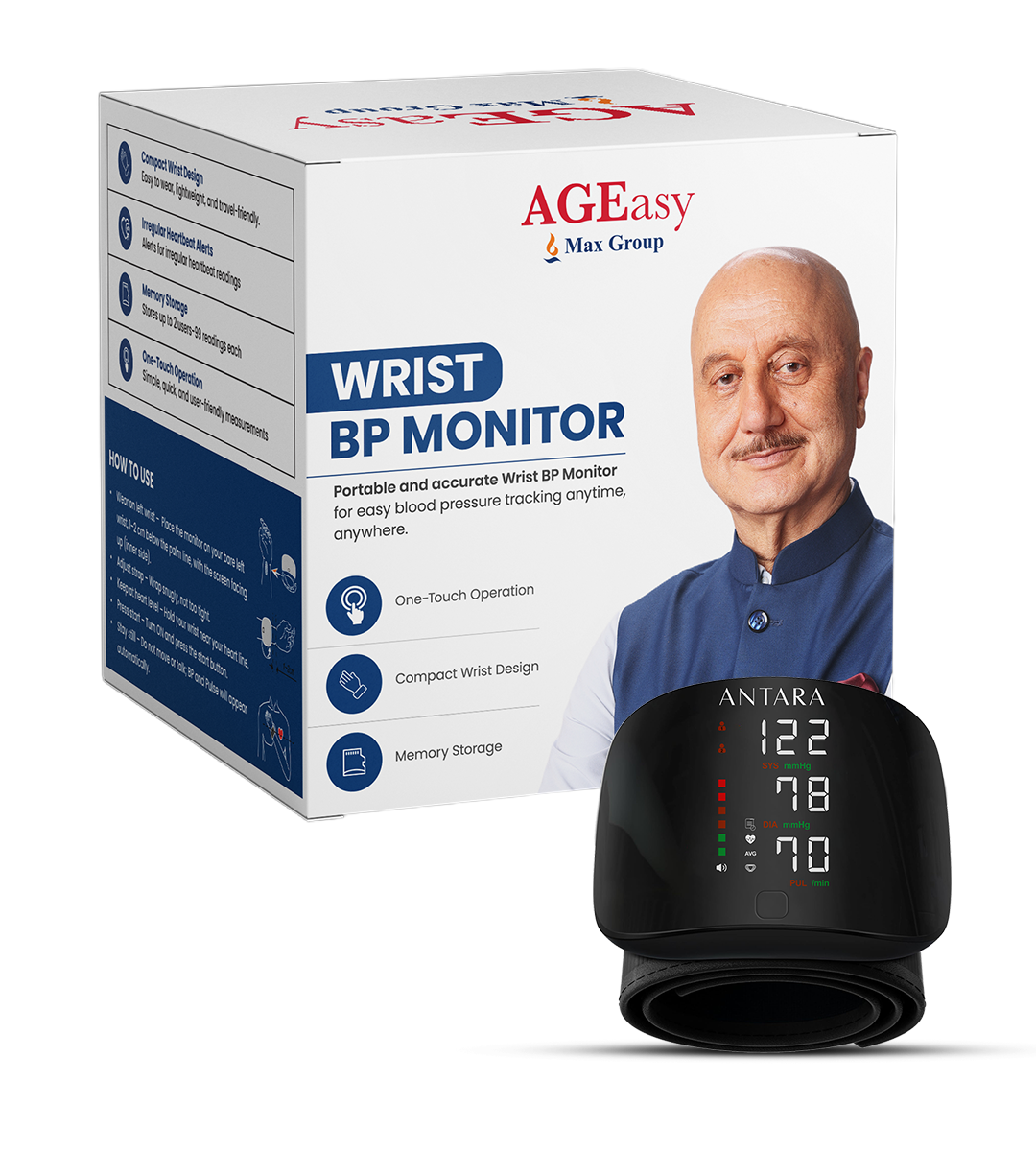
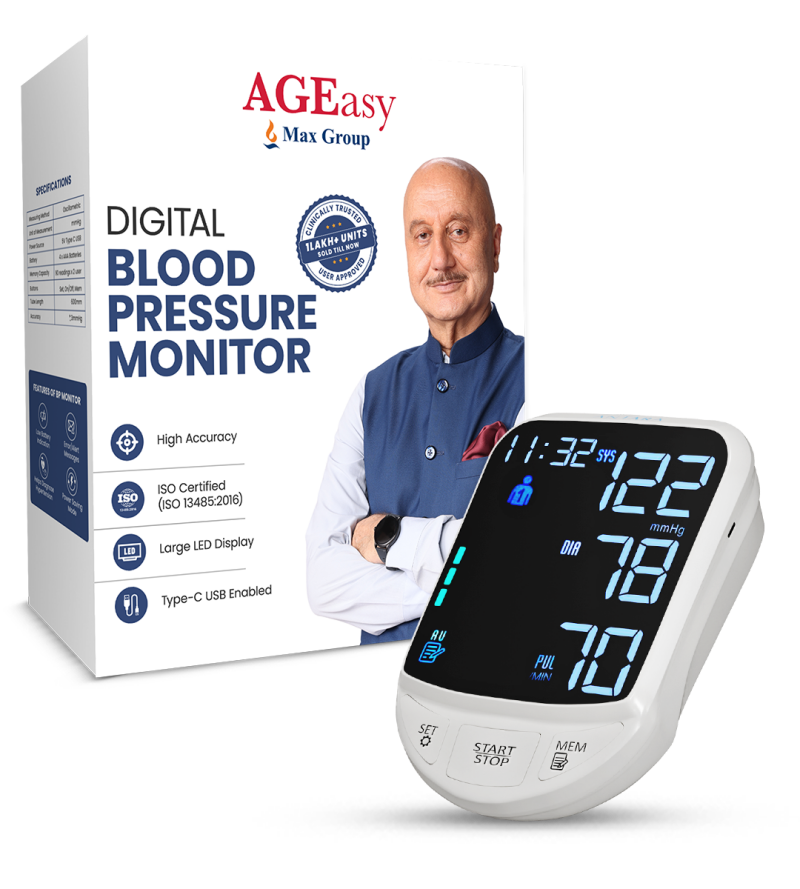
A reliable monitoring device at home becomes useful instead of sitting in a drawer. The Ageasy Wrist BP Monitor or the Ageasy Arm BP Monitor can be used to record readings at the same time every day which means that when a doctor is reviewing the medications, they will have actual numbers to use instead of just guessing. For parental management of diabetes and other conditions, a product like the Ageasy BGM Kit provides the same service for logging blood sugar levels. It develops the routine of daily readings that support a statement of "I think something's off" to "here's what changed, and when".
None of this takes the place of a doctor's opinion. However, having data from the last couple of weeks, rather than just a single symptom, makes it easier to assess and adjust medications if they are not working.
How to Have the Medication Review Conversation
Most doctors are happy to do a complete medication review. They ask to do this routinely with elderly patients, so it is not an awkward or confrontational discussion.
- Bring the full list of medications to make this as easy as possible: The list includes those that are new and those that are over-the-counter such as supplements, and prescriptions from other doctors. Even the smallest seeming medications can be the source of serious interactions.
- Directly question whether each medication has a continued reason for use: Some prescriptions are written for a short-term issue, and they are never formally stopped once that issue clears up.
- Give approximate timing of specific changes: To a physician, "she's been unsteady on her feet for about three weeks" is a lot more useful than "she seems a bit off lately."
- Ask about a pharmacist-led review: A pharmacist is often better than a single physician at checking for interactions with medications prescribed by various specialists, as that is their area of expertise.
- Don't change or stop any dose on your own: Medical guidance is required to adjust any medications, even those that seem to be problematic. In fact, stopping some medications can be more dangerous than the side effects themselves.
The real goal isn't fewer medications. It's the right medications
Polypharmacy shouldn't be viewed as a numbers problem, with the goal being making the list shorter. Some older adults actually require eight or nine medications to properly manage several real conditions, and reducing that count for its own sake can do more harm than good.
The intent is to evaluate if medicines have a role to play, interact appropriately, and if they continue to do more good than harm. A routine review of the medicines taken is more likely to avoid a serious complication from the combination of medicines. In an ideal world, this is done once a year, or sooner if new symptoms develop.
A review of medicines is the easiest and safest action to take for a caregiver managing five, nine, or fifteen medicines.
This article is intended to provide information and is not a substitute for professional medical advice. We recommend speaking to your parent's doctor or pharmacist before making any changes to the medications.