
How Reliable Are BP Monitor and Glucometer Combo Devices for Home Health Tracking?
Aug 6, 2026
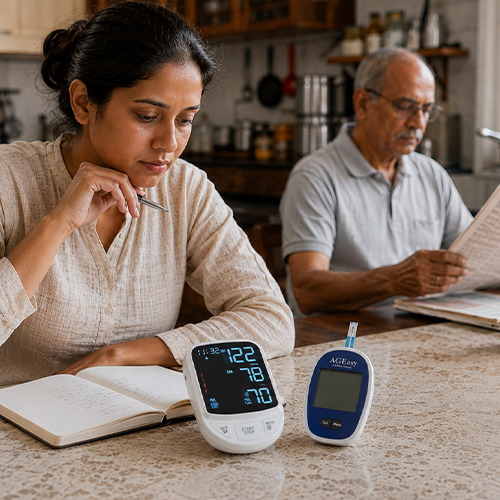
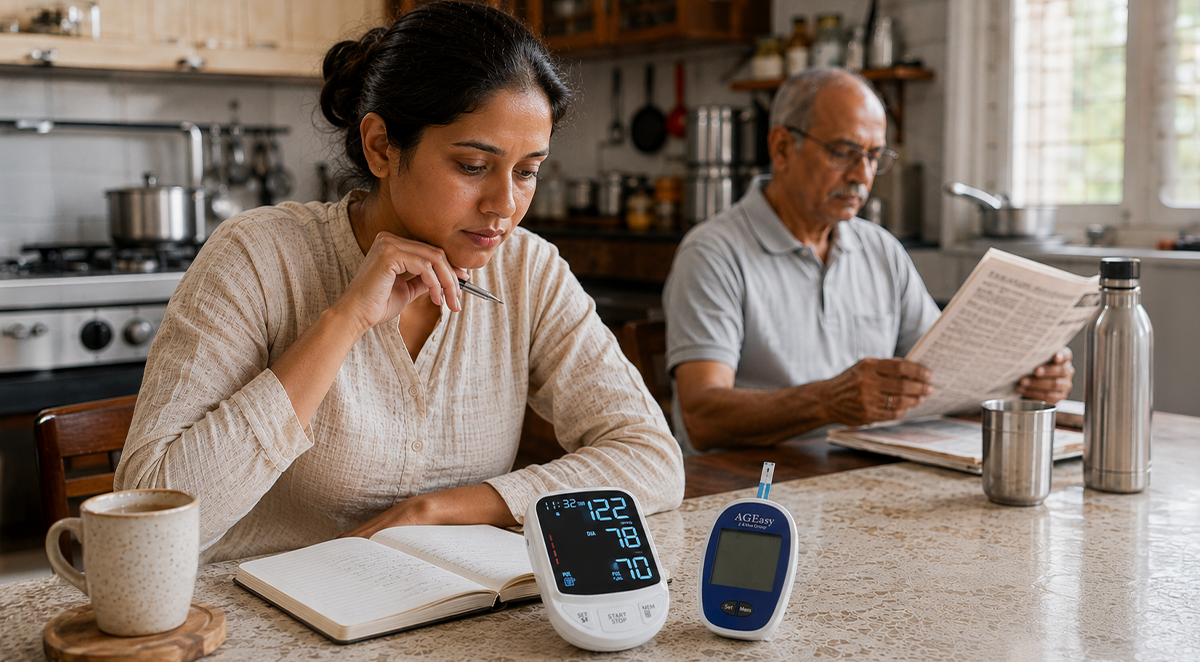
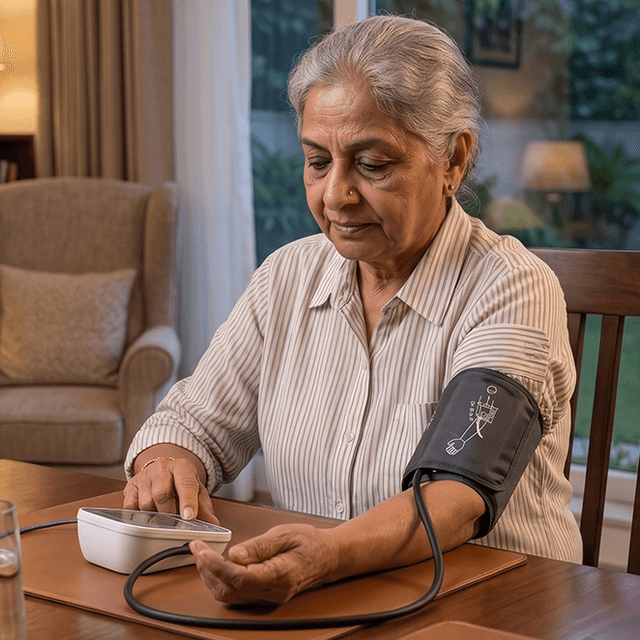
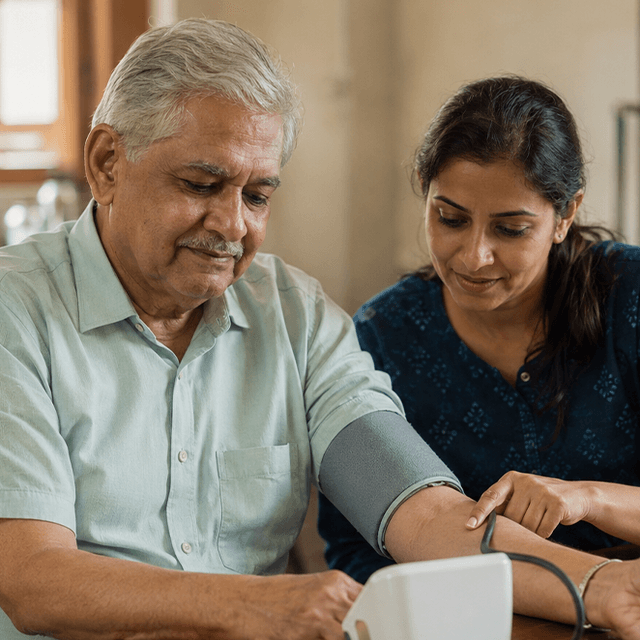
This is how many Sunday mornings unfold for adult children looking after senior family members at home.
Dad has just gotten up. Even before chai touches your lips, your brain is already ticking through a mental checklist while you pick up your phone to scroll some stuff.
- Did he take his metformin last night?
- Is yesterday's pressure reading logged?
- Should we check his sugar before breakfast or after?
- Where are Amma's glucometer strips?
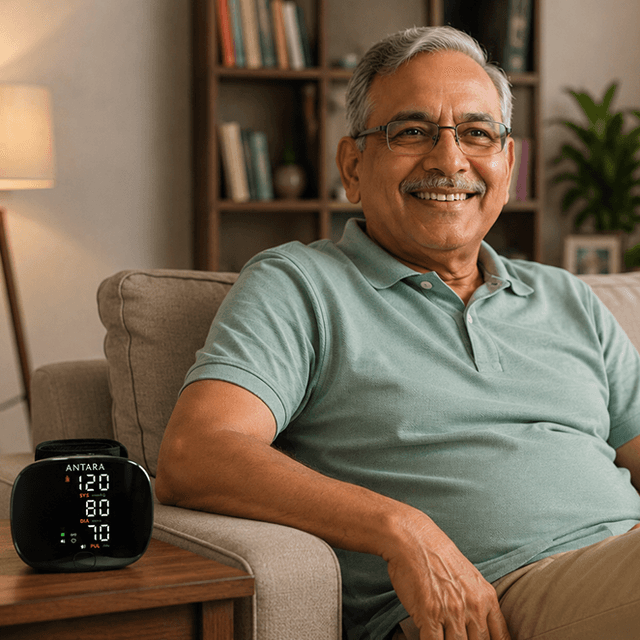
- Is the BP machine even charged?
Each day brings 2 devices - two logs to fill out, two operating instructions to remember, and two anxieties to manage.
It's no wonder that many families now want to buy something to simplify this process. They want a combination device that does it all without the hassle and confusion. One place to monitor both blood pressure and blood glucose levels.
Why not?
But before deciding to buy such a product, you must ask yourself if these combo devices actually provide accuracy for daily medical monitoring, or are they simply a convenience that comes with a compromise.
This is exactly what we are about to explore. And trust us when we say that it isn't a black or white issue. This needs careful thought.
Why This Question Carries More Weight Than You Think
Home health monitoring is something most people receive little thought for until a problem arises.
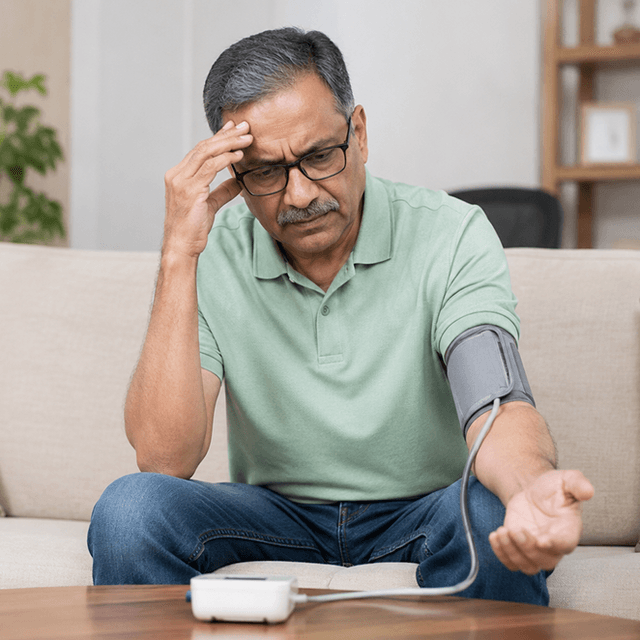
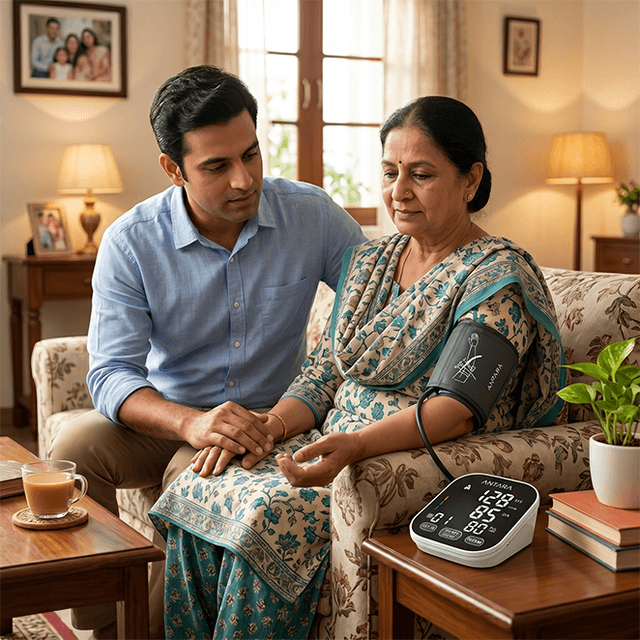
Blood pressure readings are often thought of as numbers to be recorded and forgotten about. In fact, they are used by your parents' doctor to make decisions about their health, such as changing medications, finding concerning patterns, or making determinations about whether things require immediate attention, versus waiting for the next visit. Inaccurate blood pressure readings could lead to dangerous clinical misjudgments.
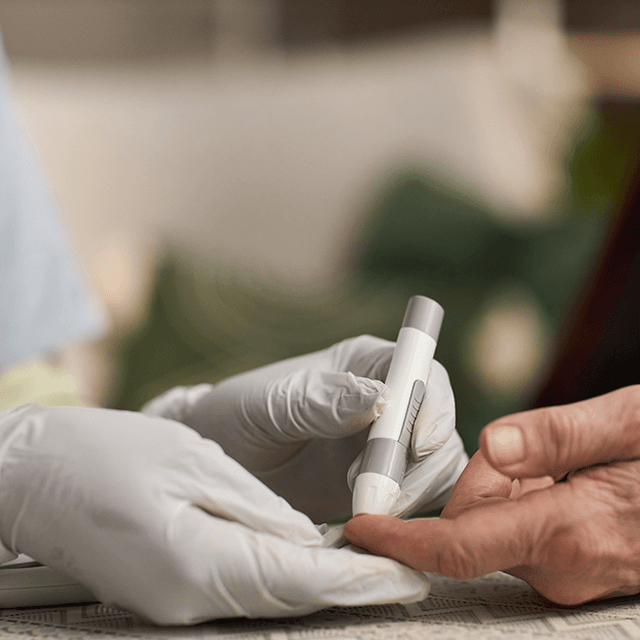
Important health decisions are made from blood glucose readings. A fasting reading, a reading taken post meal, a reading taken before insulin, are all considered valuable. Devices that read 10-15% outside of the true value can lead to false conclusions for those monitoring as well as the physician reviewing the trends. Unfortunately, both parties may be completely unaware.
This is why the reliability of monitoring devices is not a trivial technical detail; in fact, it is the entire point of the device. Without reliability, monitoring is little more than a ritual that provides a false sense of certainty, which, in reality, could be worse than not monitoring at all.
The Life of Most Older Indian Adults
In older adults in India, hypertension and type 2 diabetes rarely present in isolation. The two are particularly common together after the age of sixty.
Numerous studies of Indian populations demonstrate that a sizable proportion of people diagnosed with type 2 diabetes also suffer from hypertension and vice versa. Both conditions share numerous risk factors, influence the other's progression, and require parallel management, often at the same time. In fact, tracking one condition while ignoring the other, from a clinical standpoint, is a practice of gross negligence.
Yet, this is the reality most families in India face. Not one condition, but two.
And this explains the attraction of combination devices. It seems like common sense: if both conditions require daily monitoring and tracking, it makes sense to use one device to do both. But that answer is actually a bit more complicated than a typical product page would lead you to believe.
First, What Does "Combo Device" Mean?
This is probably more important than you might think because "combo BP monitor and glucometer" can mean vastly different things depending on the company.
Some devices are truly integrated such as a single unit with one display that measures blood pressure (via an arm or wrist cuff) and blood glucose (via a test strip and lancet). One device. Two functions. Everything in one place.
Others are bundled kits where there are two completely separate devices sold together in one box, possibly sharing a carrying case or a combined app, but functionally independent of each other. The blood pressure monitor does its thing. The glucometer does its thing. They just happen to be packaged together.
The distinction matters enormously.
A bundled kit does not raise the same accuracy concerns as a fully integrated device, as each component is essentially its own dedicated instrument doing the job it was designed to do. A truly integrated single unit, where one device does the both measurements, is a different proposition entirely. The engineering tradeoffs of miniaturisation and multi-function design in integrated devices can compromise the accuracy of one or both measurements, relative to purpose-built dedicated devices.
Before assessing any combo product, the first and foremost question to ask is: are these two functions genuinely integrated into one measurement unit, or are they separate devices sold together in the same box?
The Accuracy Question
There is no standard for what universal accuracy means in relation to the category of "combo BP and glucometer devices." The accuracy of devices in this category varies by manufacturer. While patent applications, specifications, and marketing documents may define how accurate a device is, these accuracy claims are typically based on internal testing, and independent clinical validation data, which tells you how a device performs in various scenarios with numerous real patients, is often not available to the public for combo devices. What is established is the accuracy standard for individual devices for each of these categories.
For blood pressure monitors, the British and European Hypertension Societies provide guidelines on validation protocols that BP monitors must pass in order to be considered clinically proven for home use. A validated upper-arm oscillometric monitor (the type used by most BP monitoring devices) is supposed to take readings that are within ±5 mmHg of a reference measurement under clinical testing conditions.
For glucometers, most references cite the ISO 15197:2013 standard. At least 95% of readings must be within ±15 mg/dL and within ±15% of the lab reference for glucose levels above and below 100 mg/dL.
There should be documentation to prove whether each combo device meets these standards for both functionalities, not marketing claims.
It is indisputable that purpose-built, clinically validated, medically approved devices have a far superior and verifiable track record in terms of accuracy compared to other devices in the Indian consumer market. This does not mean that all combo devices are inaccurate, however, there is a greater burden of proof, and they are less frequently supported by demonstrable evidence.
What Dedicated Devices Offer That Combo Units Often Can't Match
Consider a standalone blood pressure monitor to be a specialist instrument. Every design choice, such as cuff dimensions, pressure algorithms, display calibration, error detection, has been optimised for a single purpose with nothing else competing for space or processing power.
Once multiple functions are added to a device, trade-offs must be made.
Sometimes those trade-offs are physical; a cuff and BP monitor will have limited space for a glucometer. Other times the trade-offs are algorithmic; the same processor that performs blood pressure oscillometry also has to manage glucose strip analysis.
Additionally, trade-offs may be made based on manufacturer priorities when deciding which feature to focus on. As a result of these limitations, dedicated devices are capable of performing at a deeper level than combo devices.
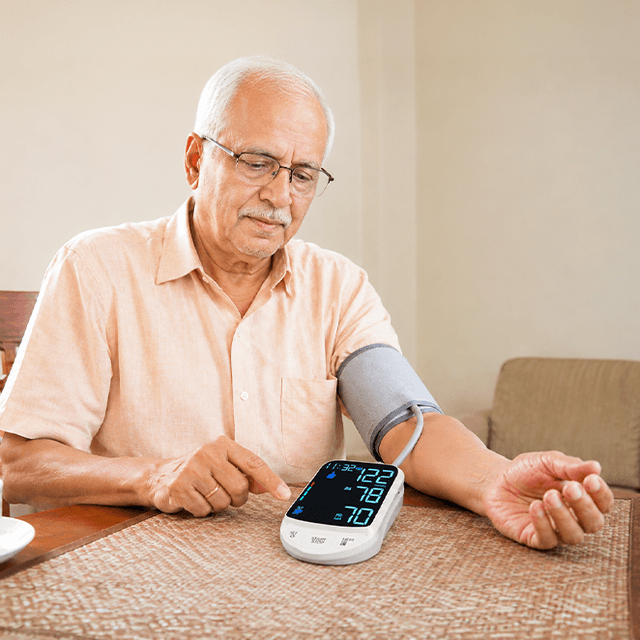
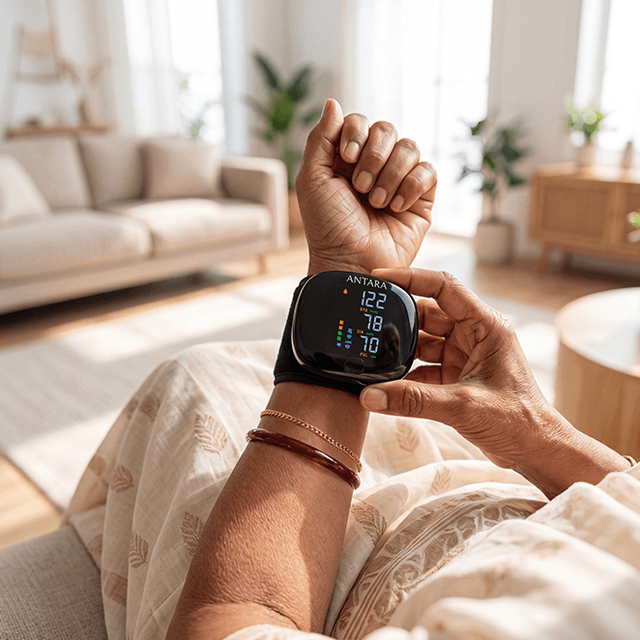
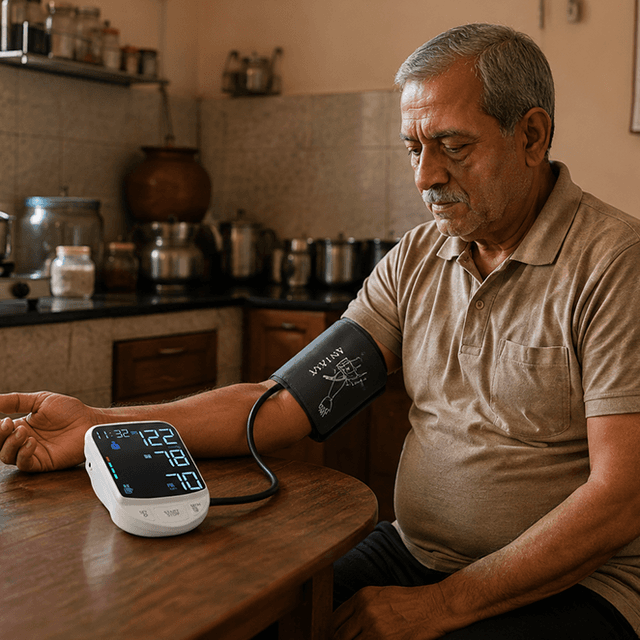
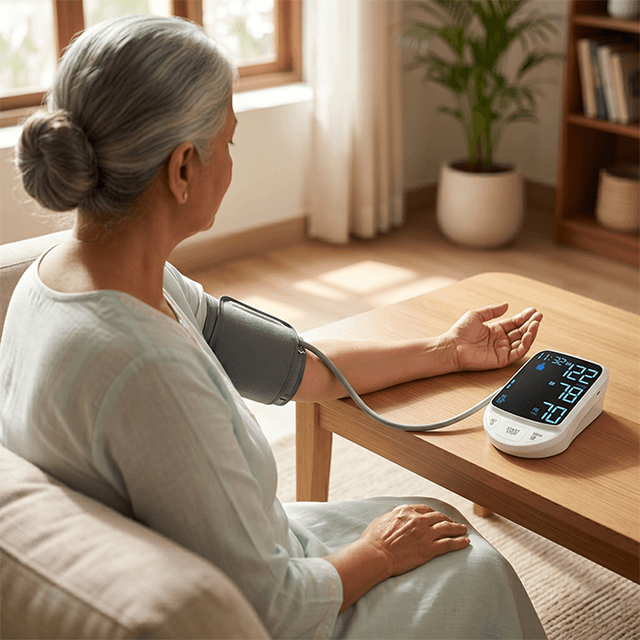
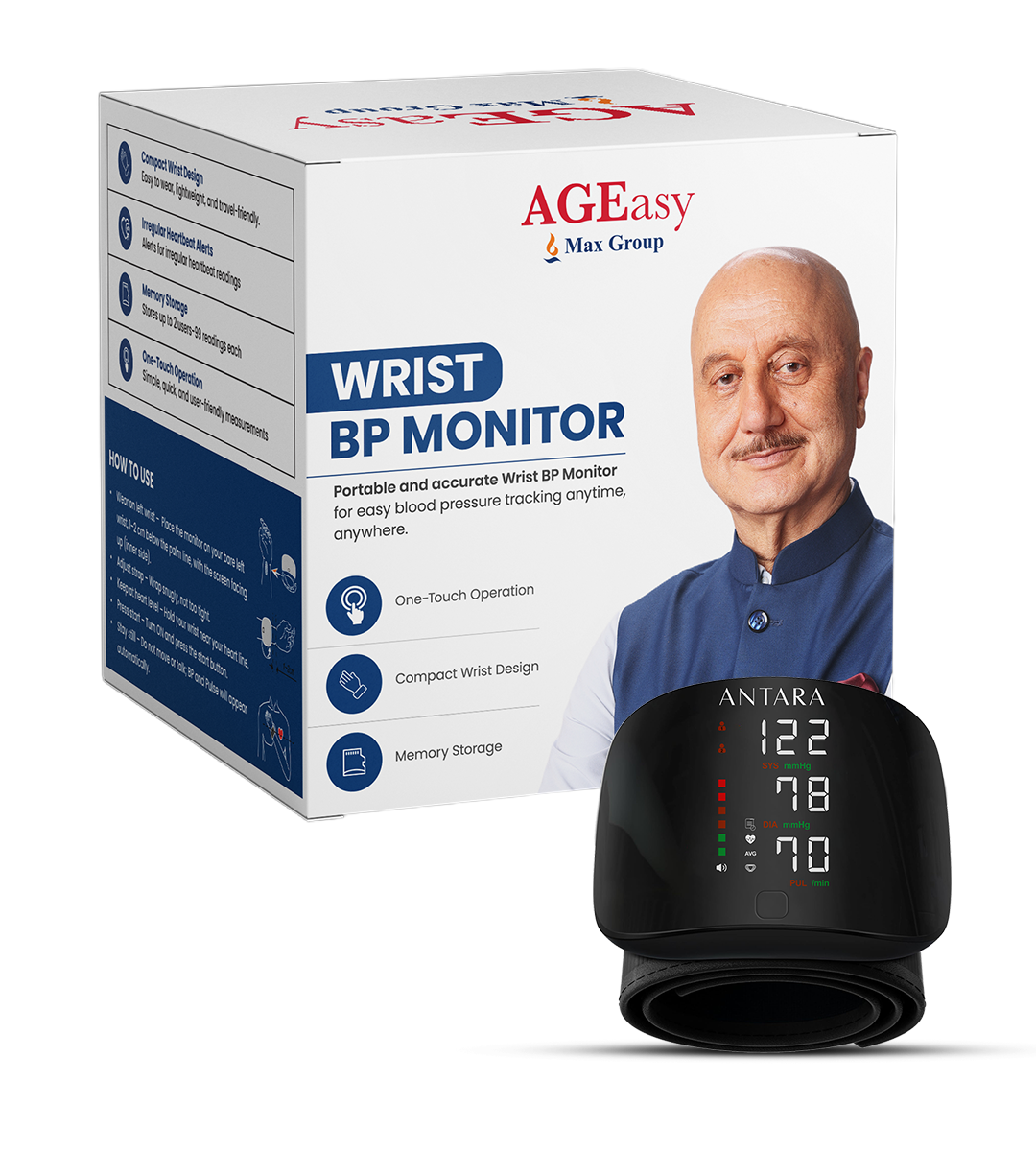
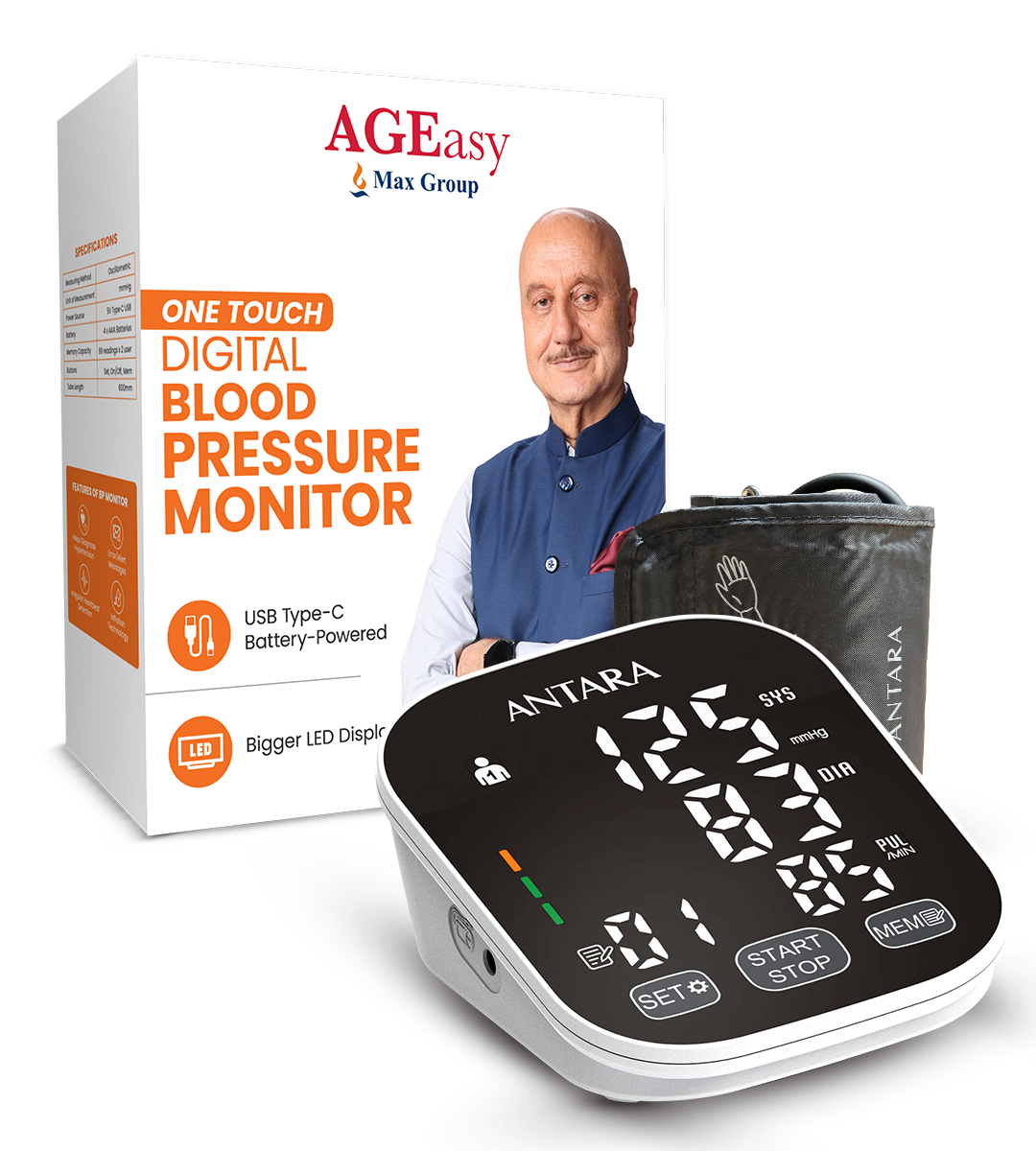
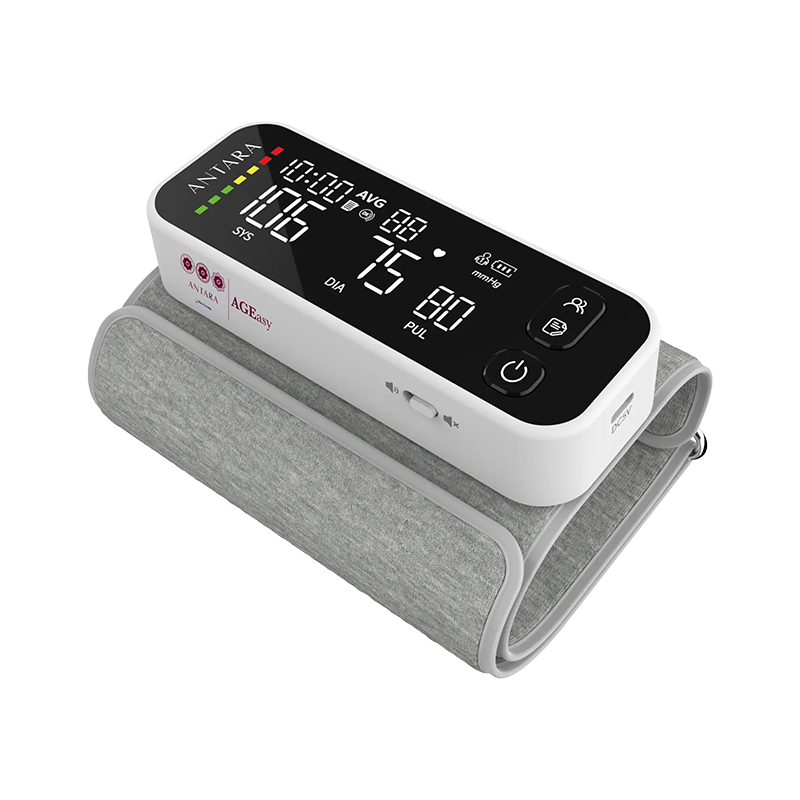
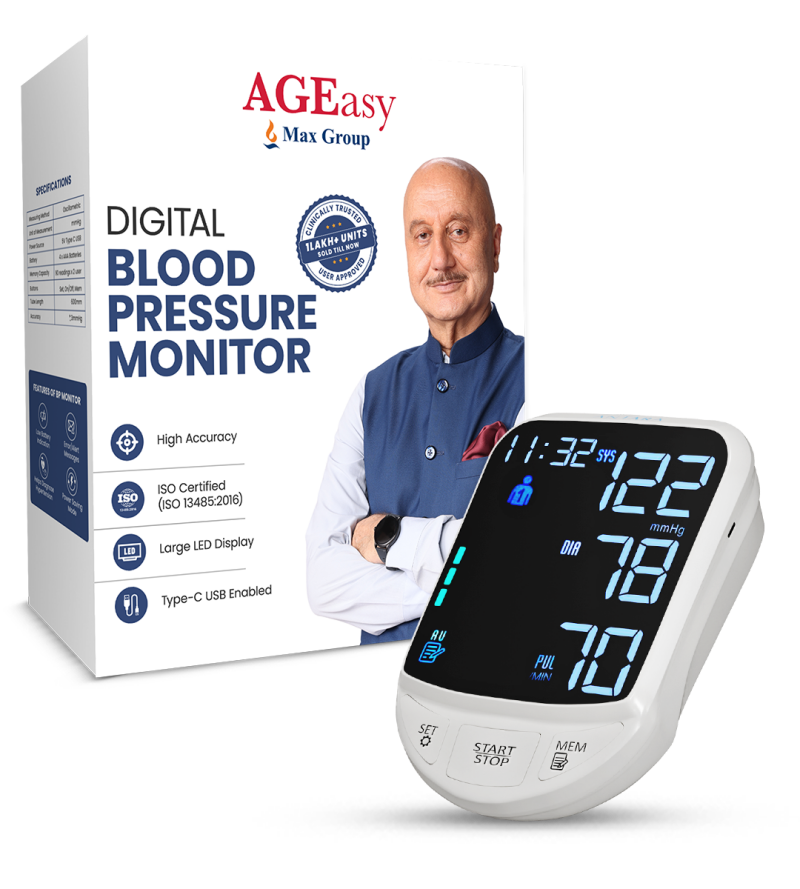
Many upper-arm BP monitors have the ability to store 90 readings per user, flag irregular heartbeats, and show systolic, diastolic, and pulse rate on a large screen. They are able to calibrate to ±3 mmHg accuracy, which is incredibly reliable for a single purpose device.
A continuous glucose monitor offers patients more features than traditional glucometers, including real-time alerts about glucose spikes and offering readings about every 5 minutes. It can also recognize and track glucose trends over a long period of time. Combo devices just don't have the features to provide this level of detail.
These features will not all be included in combo devices at the same price point. This is not meant to criticize combo devices, it simply signifies what a narrower focus in engineering produces.
Reasonable Expectations with Combo Devices
This is not to say that combo devices do not have a valid application in home glucose monitoring.
These devices can be beneficial for families looking to achieve monitoring goals that don't require the clinical accuracy of more advanced devices. For families who are looking to achieve an understanding of whether all is well without daily monitoring reports to a doctor, quality combo devices can ease the burden of daily monitoring.
And that friction matters more than it may seem. A tracking routine that is simple and is followed daily will be far more valuable than a technically perfect routine that is too complicated and abandoned after two weeks.
When older adults live alone, and manage their own monitoring, fewer devices can mean fewer sources of confusion. One charging cable. One log book. One place to look. That's real.
For visiting caregivers, who require a brief touchpoint rather than an elaborate clinical update, a compact combo device can be genuinely useful.
The real question isn't whether combo devices are useful, but whether they are adequate for the particular monitoring purpose and whether the user is clear on what those metrics can and cannot reliably convey.
What To Look For Before Buying Any Monitoring Device
These questions will apply to both a combo unit and separate dedicated devices.
Has the device been independently validated?
Look for references to recognised validation protocols in the device's documentation. For BP monitors: international hypertension society validation. For glucometers: ISO 15197:2013 compliance. If neither is mentioned, then you will need to contact the manufacturer directly. The response, or lack thereof, will tell you everything.
What does the "accuracy" claim actually mean?
Saying a product has "high accuracy" with no margin of error means they are being vague and are making a marketing claim rather than an actual accuracy claim. Look for specific tolerances like ± 3 mmHg for blood pressure or ± 15% for glucose. If no tolerance is given, that is a serious red flag.
Who is the primary user?
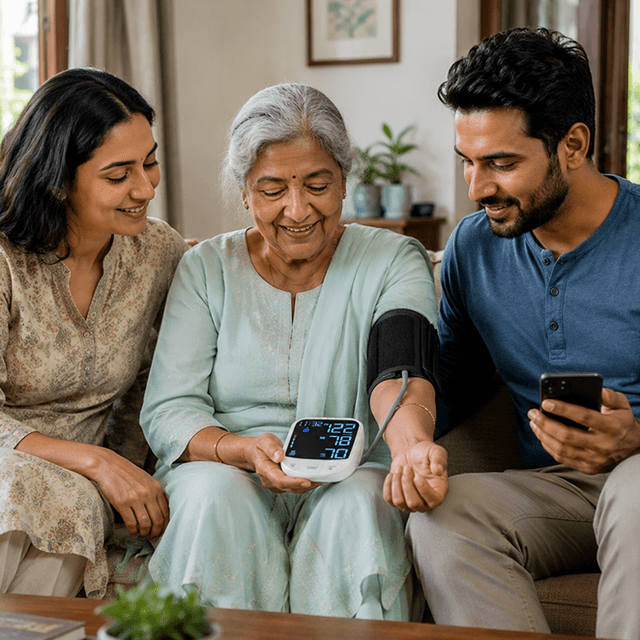
A device that is meant to be used independently by an older person has very different requirements than one used by a caregiver during visits. Screen size, button configuration, cuff ease of use, and the way the device explains an error - these are all more important than they may seem on a product description.
What happens with the readings?
If the readings from the device are going to be shared with a doctor, that doctor should be made aware of the device being used. Some doctors have preferences for validated devices with specific documentation about their performance. It is always worth asking your parent's doctor about a device, be it a combo or not, and see if it meets their expectations regarding monitoring that disease.
Is there memory and trend tracking?
A single reading taken by the device holds very little clinical significance. Changes in results over extended periods, like weeks or months, are what matter. Make sure the device you select can store an adequate number of readings to allow for sufficient trend analysis at clinic visits.
A Quick Note on Pulse Oximeters
Data from searches indicates that "pulse oximeter with BP monitor" is one of the most searched terms in this area. Interestingly, it is slightly ahead of searches for BP-glucometer combos.
If any of the older adults have poorly controlled diabetes or hypertension, or if they have some respiratory illness, then that is when oxygen saturation levels become important.
In many ways, a pulse oximeter is the simplest of all vital signs to include in a home monitoring kit. These devices are small, inexpensive, and take a measurement in seconds. A pulse oximeter will require no additional supplies to operate, and because it only has one function, it is very likely to have very few engineering tradeoffs.
It is reasonable to want to consolidate 2 devices into 1 for a family managing multiple diseases and devices. However, 3 simple and reliable devices designed for a singular purpose are often a better and more practical solution. The combined cost is often lower, and so is the reliability.
Making Practical Choices
This is one framework of thinking that can help you make practical decisions. If you are ever at the practical crossroad of "what are we supposed to do?".
If your parent's physician actually looks at the blood pressure and blood sugar readings that are taken and those numbers drive changes in their medications, then prioritizing accuracy on these devices is critical. This means using purpose-built devices that are just blood pressure and blood sugar monitors. You should be asking the physician which monitors they prefer.
For parents that manage monitoring independently and need utmost simplicity, a documented combo device from a well-known company may lessen the burden enough that it will be used consistently. Confirm accuracy specs before buying. Notify the doctor which device will be used.
For caregivers monitoring during visits, and if the aim is to have some level of knowledge or an early warning system, rather than the clinical accuracy of the device, then yes, that combo device can serve that function, provided that it is understood that it will not meet the requirements for clinical measurement.
For cost limitations, here is something to consider: dedicated devices can be inexpensive. A reliable upper-arm BP monitor and a basic ISO-compliant glucometer, bought separately, may together cost less than a single combo device — and may provide more validated, documented performance for each functionality.
No matter what, the best answer to all of these considerations will involve something that a product listing cannot do: an actual discussion with the parent's doctor about what monitoring routine will actually benefit the parent's medical needs.
What Good Home Monitoring Actually Looks Like
Although there is a hope for home health monitoring, it is important to note that no device can replace the anxiety that comes with watching a parent age with 2 serious chronic conditions.
Effective monitoring allows you to track what is occurring before and after a clinic visit. It can help identify changes in patterns, assist your parent's physician in better decision making, and ultimately helps answer the question whether today's reading was within normal limits or if it needs further attention.
To achieve these outcomes, the device doesn't have to be the most state of the art. It simply needs to be clinically trustworthy and easy to use on a daily basis.
The core question is not whether combination devices are better than single purpose devices. The question to be answered is whether the device your family is using provides credible data to your parent's physician and whether your parent is using it.
Everything else is ancillary.
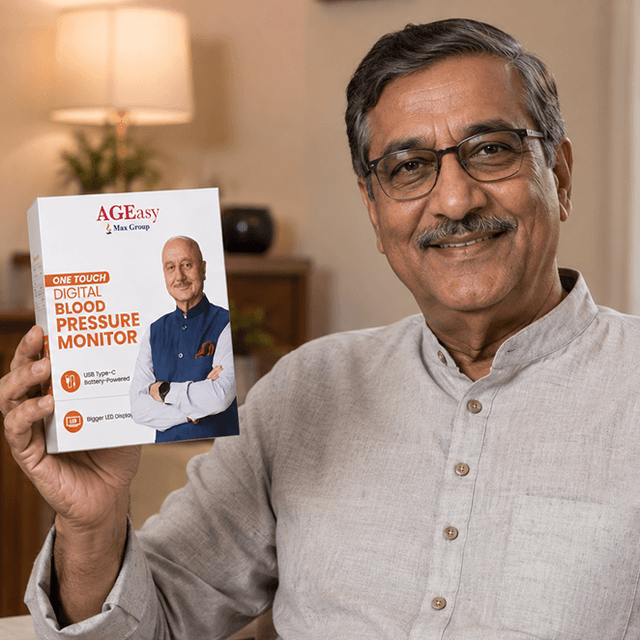
If you are establishing a system for home monitoring of a parent with hypertension or diabetes, consult with their physician regarding what parameters need to be monitored, how frequently, and what level of accuracy is required for each parameter. AGEasy provides home health monitoring devices including dedicated upper-arm digital BP monitors and continuous glucose monitoring devices, designed specifically for use by seniors and their families.