
Dizziness and Vertigo After 60: BPVV, Blood-Pressure Falls and When It's an Emergency
Aug 4, 2026
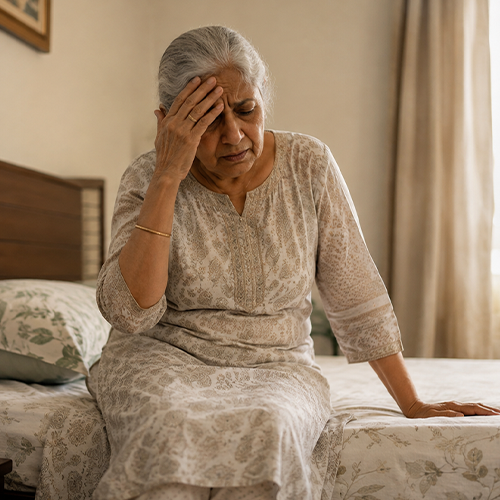
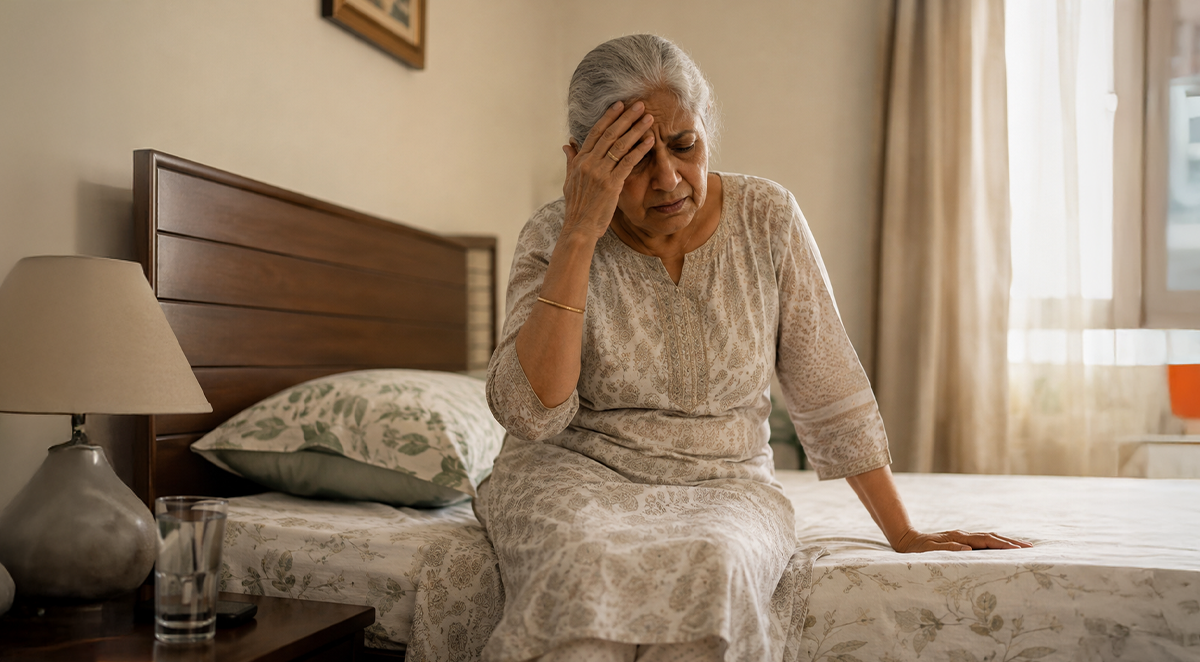
Your body is trying to tell you something, and it's not about losing balance. It's about finding the cause for the loss of balance.
We cite age, frailty, rising dizziness as a phenomenon that will pass and hope for the best.
Sometimes it's small crystals shifting within the inner ear. Sometimes it's a rapid fall in blood pressure. Sometimes it's medications that require adjusting. Sometimes it's a stroke that cannot wait.
In this guide, we will describe the most frequently occurring situations that lead to dizziness and vertigo after sixty, such as benign positional vertigo (BPVV) and blood pressure falls, as well as when it is a medical emergency.
Why Dizziness is More Common with Age
Affecting the brain's perception of balance and position are the inner ear, eyes, and the nerve systems in the legs and joints. Each of these systems can weaken a little with age. With the addition of ageing also comes a diminishment in the flexibility of the blood vessels. This negatively impacts how quickly the blood pressure changes in response to a positional change. In addition to that, there's also the prevalence of polypharmacy among older adults and several medications, such as those used for hypertension, sleep, and anxiety, are fairly common polypharmacy and have dizziness as a side effect.
While the above may be true, none of it means that dizziness should be accepted as a geriatric syndrome. It simply means that the cause is not found through mechanisms of dismissal.
BPPV: The Most Common Cause of Vertigo
Benign Paroxysmal Positional Vertigo, or BPPV, occurs when small particles, mainly calcium crystals, are misplaced and enter an area of the inner ear that does not participate in motion detection, causing the person to feel as though the room is spinning. While nothing has moved, the person's brain is thrown off due to a malfunction in the inner ear's balance system.
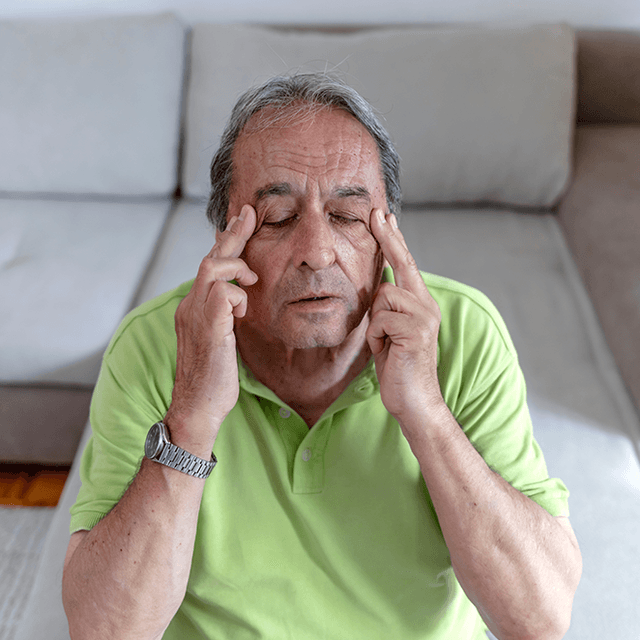
BPPV can be triggered by a person doing something as simple as rolling over in bed, looking up, or bending down. The sensation can be intense and can frighten the person experiencing it, but it is not dangerous, and most importantly does not signify that a person is having a stroke or heart problem.
The only way to treat BPPV is through a method that has head and body movements, in a specific sequence, known as the Epley Maneuver which most likely would be performed by a healthcare professional. This method results in the repositioning of the misplaced crystals and often resolves the person's dizziness in a very short amount of time, meaning 1 or 2 visits. While experiencing BPPV, there is an increased likelihood of a person falling which is why it is important to have a sturdy support system in place at home. For added stability and confidence, we recommend using AGEasy Walking Sticks; because of the constant contact with the ground and what can be described as a steady point of contact, they will decrease the chance of falling during a sudden spinning episode and will also make the person feel more secure in the event that they do feel dizzy.
Why standing up feels like an emergency
When someone has to switch quickly from lying or sitting to standing, and blood pressure drops, it is called orthostatic hypotension. In order to avoid potential fainting occurrences, blood vessels close in order to direct more blood to the brain. This response slows in older people which results in blood pressure drops and they may experience lightheadedness, blurred vision or feel like the world is spinning.
This is different from BPPV because it has to do with the position of the body with respect to gravity, not how the head is positioned. It is especially common after eating, in very hot weather, after prolonged bed rest and can also occur as a side effect of certain blood pressure or cardiac medications.
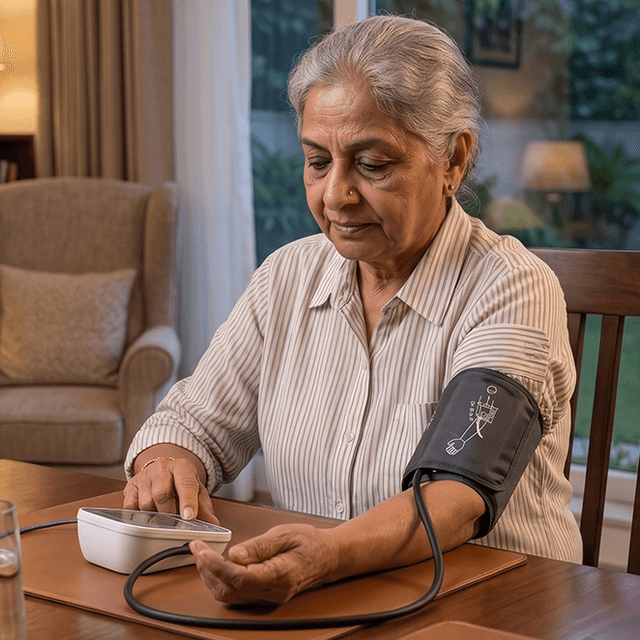
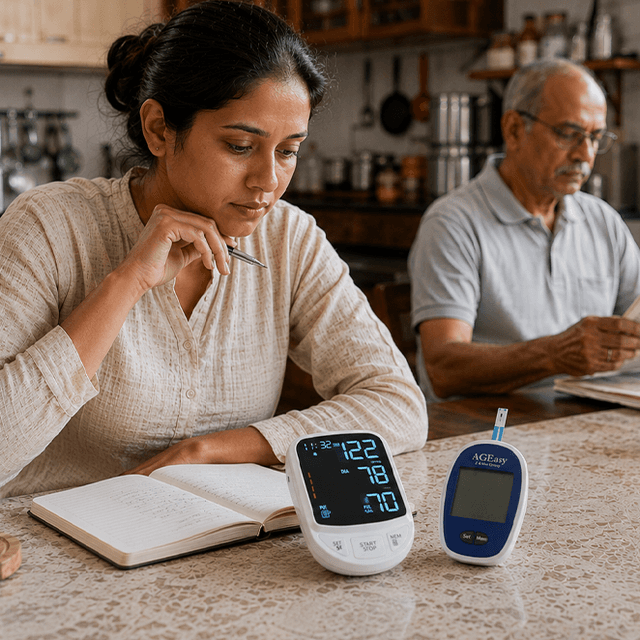
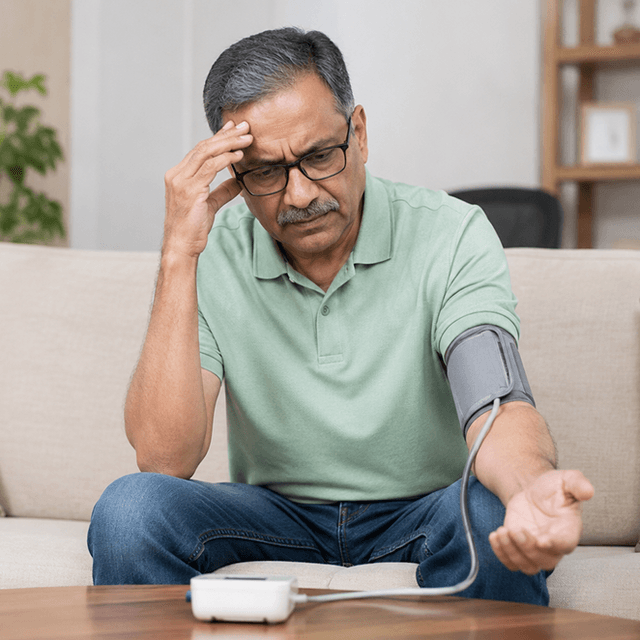
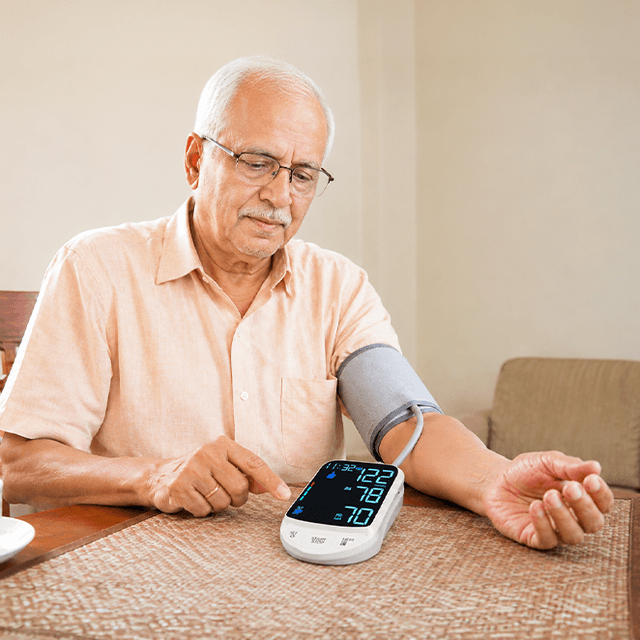
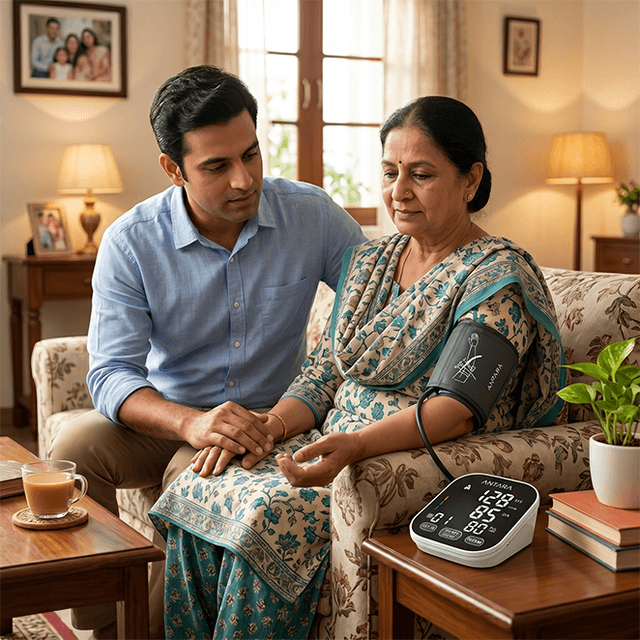
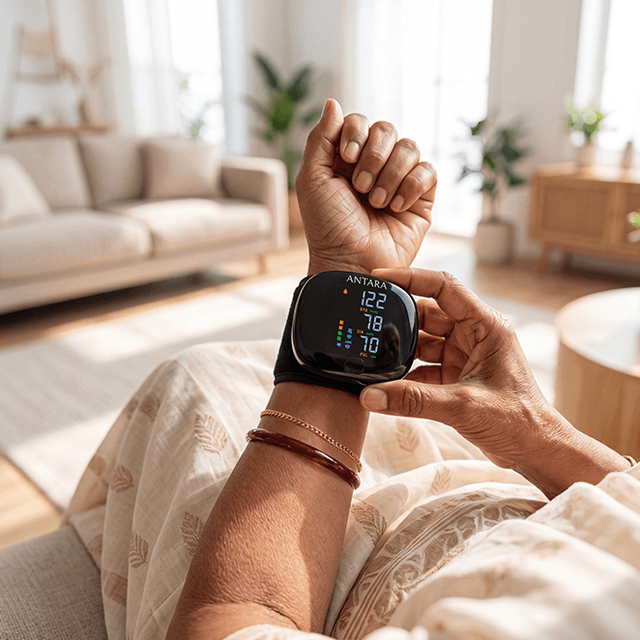
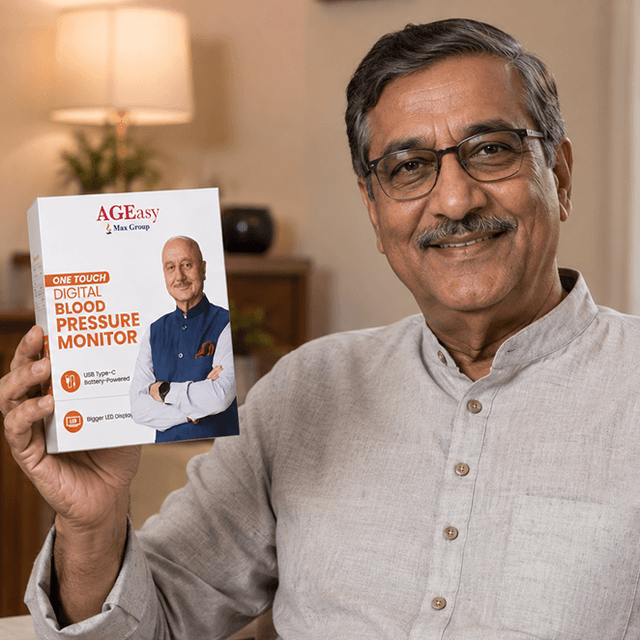
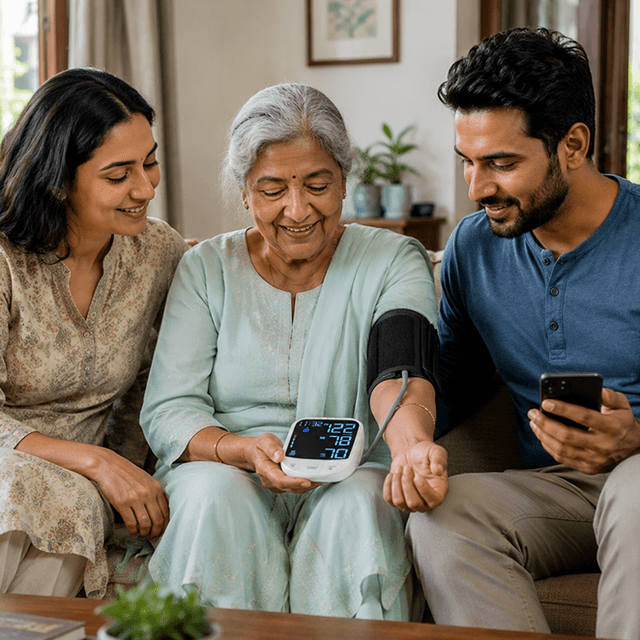
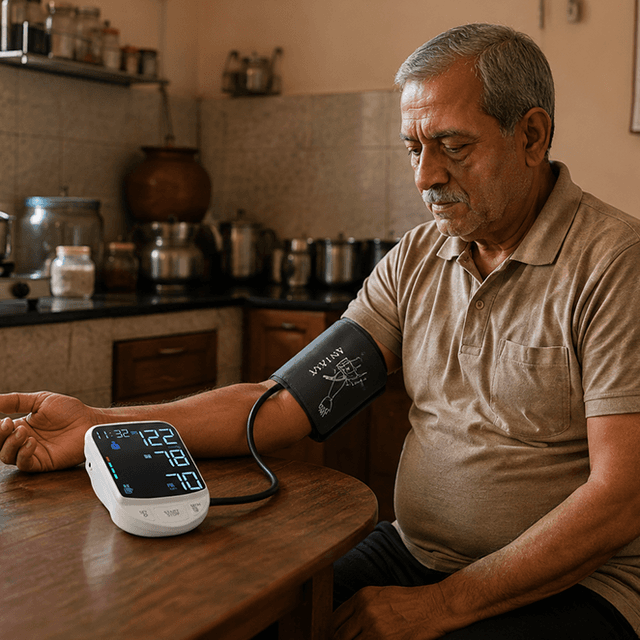
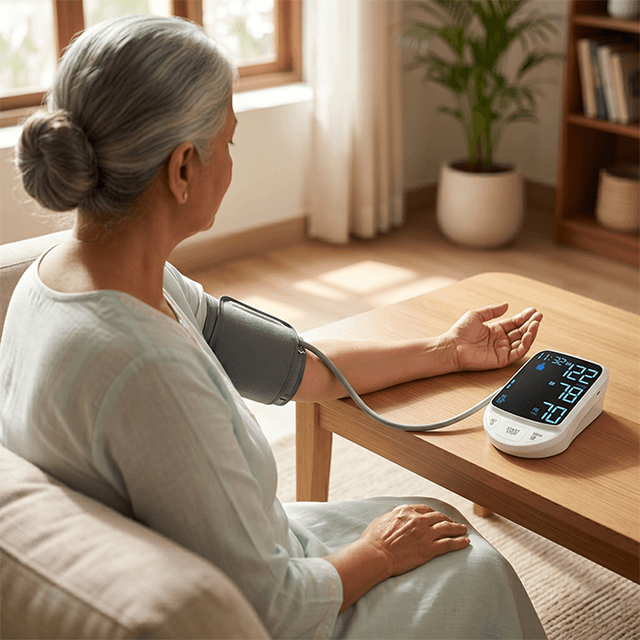
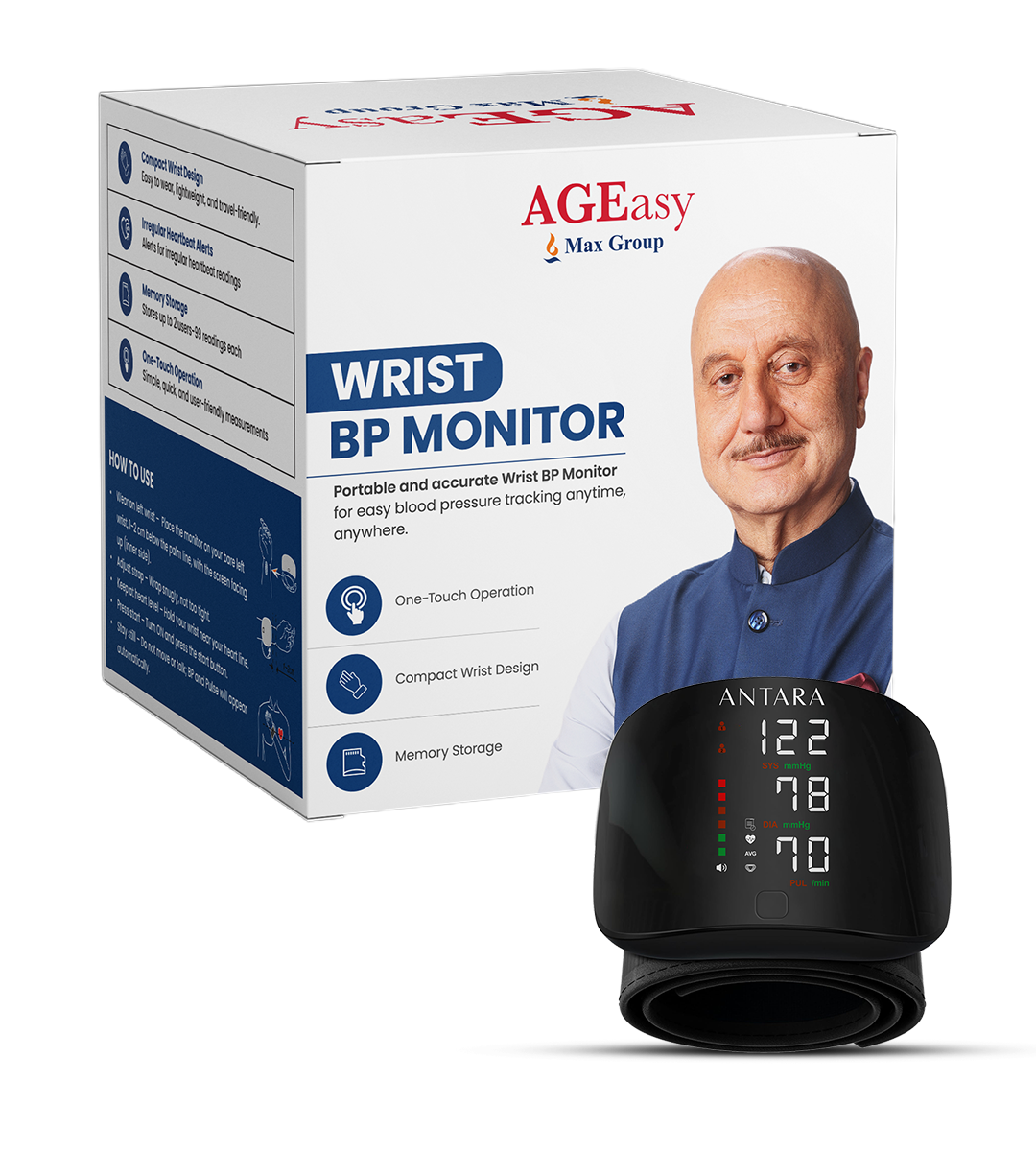
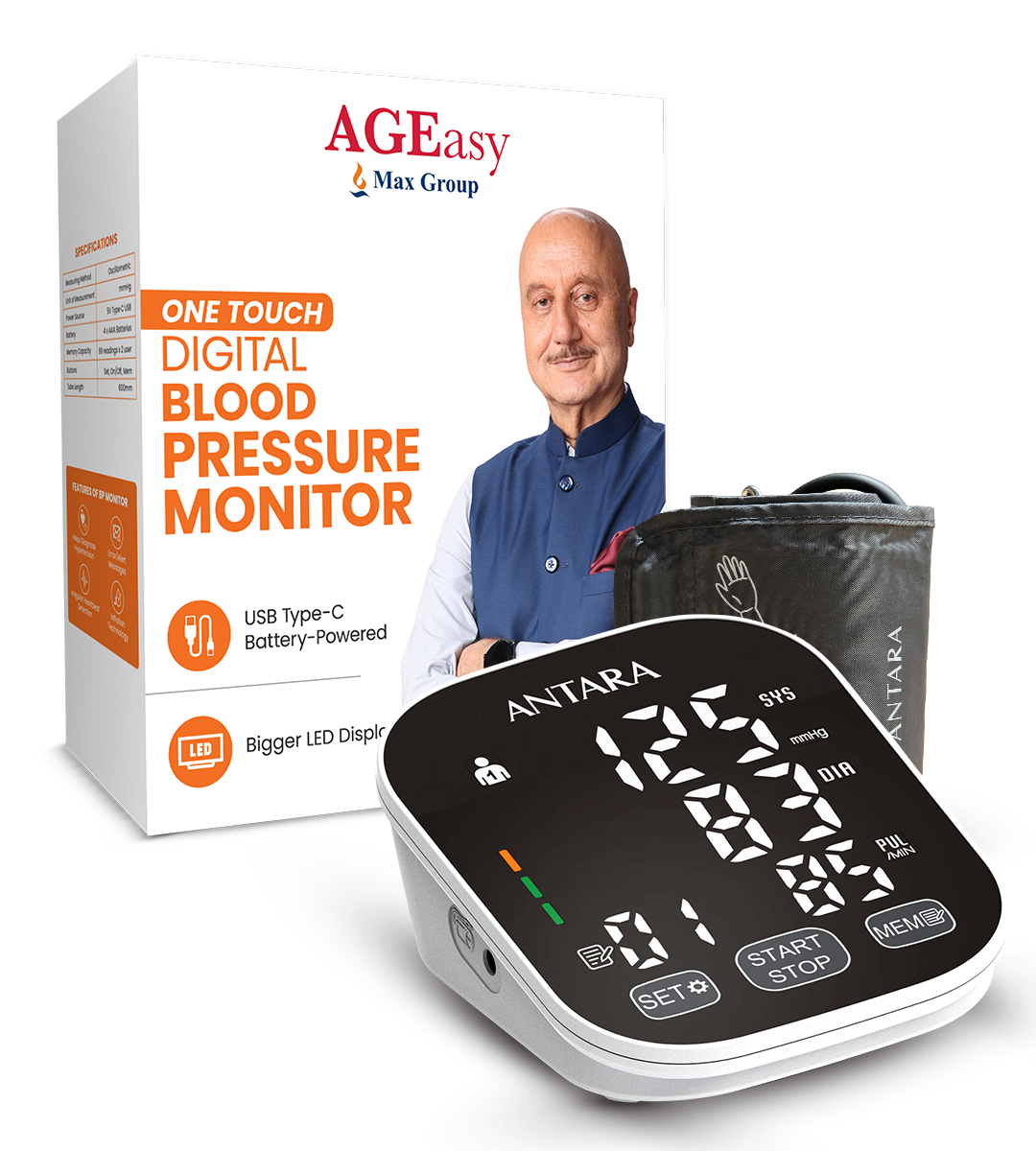
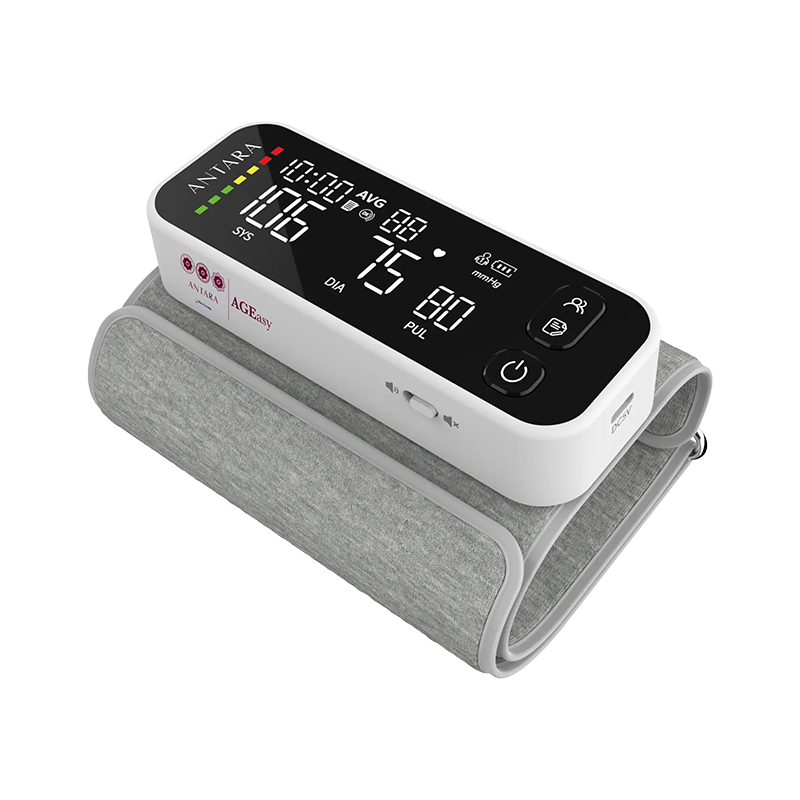
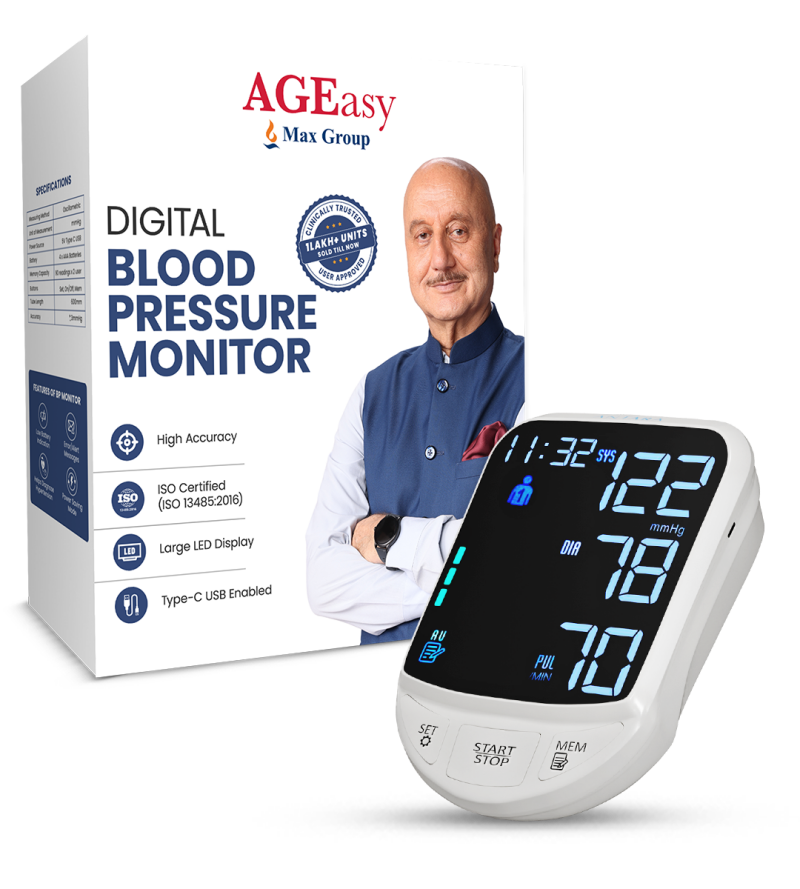
Because this type of dizziness is connected to blood pressure changes, checking blood pressure at home is useful to show the doctor. With the AGEasy Arm or Wrist BP Monitors, readings can be taken in different positions (sitting and standing) so you can find a pattern instead of just guessing it happened at a single visit. The AGEasy One Touch BP Monitor can also help people who have high blood pressure and experience episodes of dizziness. Its memory function is useful to keep track of blood pressure readings for the doctor to check at the next visit.
Developing simple habits can also be beneficial. For example, getting up slowly from sitting positions, waiting a few seconds after getting out of bed before standing, remaining hydrated, and not standing for extended periods after eating can all help lessen the number of episodes.
Dizziness Caused by Medication
Many older adults take multiple prescriptions, and dizziness is one of the side effects that is frequently underreported. Diuretics, beta blockers, sedatives, and certain types of antidepressants can affect one's balance or the regulation of blood pressure. The onset of the dizziness may not be immediate after starting a new medication. It may develop slowly over time or even only occur in combination with other medications introduced later.
If a new medication was prescribed or the dosage was changed, and dizziness started or worsened, you should be sure to discuss this with the physician instead of assuming it is unrelated. It is best to bring the entire list of medications, even over the counter and herbal supplements, to the appointment to help identify potential interactions the physician may not have considered otherwise.
Dizziness and When to Seek Emergency Attention
The majority of dizziness in older adults above the age of 60 is due to manageable conditions. However, some symptoms are indicative of more serious conditions such as strokes or heart problems and these require urgent medical intervention rather than waiting for an appointment.
Go to the emergency room if your dizziness is associated with:
- A severe and sudden headache
- Slurred speech or any difficulty speaking
- Weakness or numbness on the face, arms, or legs (especially one side)
- Loss of vision or experience double vision
- Chest pain, heart palpitations, shortness of breath
- Loss of consciousness or fainting
- Inability to walk or stand, even if you are supported
If you have dizziness with any of these symptoms, especially if they happen at the same time, you need to get medical help as quickly as possible. In the case of strokes, the quicker you get help, the better the outcome.
Precautions While You Figure Out the Cause of Your Dizziness
Even once you know the reason for your dizziness, it can take some time for treatment to become effective, and in the meantime, it is possible for dizziness episodes to happen again. In order to make it less likely that you will experience a fall, try some of these precautions. For example, removing loose rugs and cables from walkways, installing grab bars in the bathroom, and keeping lights on throughout the night can help.
For people who live alone or do not have a caregiver nearby for long stretches of time, having a fall detection device that also has an SOS button can greatly increase safety. Dizziness episodes can make a person unable to call for help, and that is when a Smartwatch with fall detection is most useful because it can automatically send an alert to a designated emergency contact when a fall is detected.
Importance of Getting an Accurate Diagnosis
Every single case of dizziness should be evaluated by a physician to rule out anything serious. Assisting the physician in identifying the cause of your dizziness by providing a log of dizziness episodes, triggers, and blood pressure readings is greatly appreciated.