
Cholesterol Targets for Seniors: When Statins Help and When the Numbers Matter Less
Aug 17, 2026


You likely know of a common scenario. Your parents went to the doctor when they learned your father's lab work showed high cholesterol. Importantly, this prompted your parents to ask the doctor about the prescription for statins.
However, you are looking at this the wrong way. The person matters, not the number.
The prevention and treatment of high cholesterol to preserve and protect your parents' health is more important at the age of 65 for someone with heart disease and diabetes than it is at the age of 88 for someone living with 12 chronic conditions and taking 12 medications to preserve daily comfort and routine.
4 pieces of the puzzle are less important than families expect.
- The cholesterol number itself with no context.
- The lab range.
- Age as the only factor.
- And the experience of a friend or neighbor with a good outcome to statins.
Start with what matters most to your parent. Consider their health challenges as a whole and all of their medications. Find out what they want to achieve while preserving their health.
For senior citizens, setting goals related to prevention and treatment is more complex than aiming for a low single number. The best approach is considering the burden of a new daily treatment and the potential trade-off to preserve health.
Chasing just a number alone puts your family at risk of consenting to treatment without understanding either side of the equation. With an understanding of the entire equation, you will go into the next appointment prepared with sharper questions. You will be able to assess whether putting your parent on a statin is actually beneficial, and why two older adults with similar lab results received different recommendations. You will also be able to make an informed decision based on your parent's health and personal goals.
This guide will give you a comprehensive understanding of the issues related to the pharmacological management of high cholesterol in older adults, situations in which treatment with a statin is likely to be beneficial, the limitations of numeracy, and the types of questions that you should take to your parent's next appointment.
What the Lipid Profile Is Telling You
A lipid profile, more specifically, a complete lipid panel, is a blood test that measures four separate components: total cholesterol, LDL cholesterol, HDL cholesterol, and triglycerides.
LDL cholesterol is the main focus of treatment, as it is the primary contributor to plaque build-up inside the arteries. From a treatment standpoint, non-HDL cholesterol, which is total cholesterol minus HDL cholesterol, is becoming more useful in the diabetes population and those with high triglycerides. Many Indian physicians are beginning to use this number as a first line estimate in treatment.
Next to each of the numbers on the lab report is a reference range. These reference ranges are not based on your parent's risk. Two people could have the same LDL of 130 mg/dL along the reference range, but in actuality, one of these people has already had a heart attack and the other has lived to the age of 80 with no chest pains.
Separate targets exist for high-risk patients, and they often fall below 70 mg/dL after heart attack or stroke and below 55 mg/dL for the most high-risk patients. Those targets were primarily derived from studies of middle-aged adults. As such, they are not directly applicable to patients older than 85 years.
Arithmetic and Aging
Slow-acting statins mean that it takes about 2 to 5 years of daily dosing before the benefits of statin therapy are evident as a reduction in the combined endpoint of heart attack and stroke in patients without prior heart disease.
What matters in geriatric care is the delay. The side effects and burden of pills begin on the first day, while the benefits may only become apparent years later. For patients with good health years ahead of them, they are likely to outlive the harmful effects, while for patients with significant frailty and other conditions of shortened life, the beneficial effects may never come.
Treatment is appropriate for the former and not for the latter. A bed-bound 74-year-old may have heart failure and repeat infections, while an 82-year-old may be healthy and active. Health care professionals refer to this as the difference between physiological age and chronological age. Treatment should reflect the former, not the number on a birth certificate.
When Statins Are More Likely to Help
When we talk about secondary prevention, your mother's risk of having a repeat stroke and other cardiac events is significantly reduced if she is older than 80 and was previously diagnosed with a heart attack, stroke, peripheral artery disease, angina, a stent, bypass surgery, or coronary disease.
There are other situations where statins should be considered. Your mother's risk may also be elevated if she has Type 2 Diabetes and other risk factors, or high LDL from diabetes. If your mother has symptoms of coronary disease from severe degenerative disease of the arteries, in this case, the cholesterol reading becomes important.
When the Number Matters Less
Primary prevention with the oldest patients is based more on considerations than facts. Most major statin trials have people under 75 years old, so in effect, the answer to an 84 year old with no heart disease is a conversation, rather than a directive.
Some cases warrant less treatment. Frail patients with advanced dementia. Patients with an expected lifespan less than the beneficial effect of statins. Patients with older age and more than eight medications, each of which increases the chance of a negative drug interaction. Declining appetite and weight loss are also situations where low cholesterol should be a cause for concern, as it may indicate undernourishment.
These patients benefit from withdrawing statins, which is a practice known as deprescribing.
Common Side Effects
Most older adults take statins without any problems. There are some manageable side effects to be aware of.
Probably the most common complaint is muscle aches, cramps and weakness. Weak legs are more of a concern for an older adult than just being uncomfortable, because if a person's leg muscles become weaker, they may fall. A broken hip at 80 will cause a lot of problems. You should tell your doctor if you notice any new symptoms of weak muscles before your next scheduled visit.
A key side effect is that certain medications, such as antibiotics, antifungals, amiodarone and higher doses of amlodipine, can change the way the body clears certain statins. This will be obvious when a pharmacist does a thorough check of all of your medications, including ayurvedic and over-the-counter medications.
Statins can also increase blood sugar levels. This is more of a concern for people who are close to being diagnosed with diabetes.
If side effects are noticed, a solution is often keeping the same statin, but taking a lower dose or using the alternate day dosing method. It rarely comes to completely stopping statin use.
What to Do Between Appointments
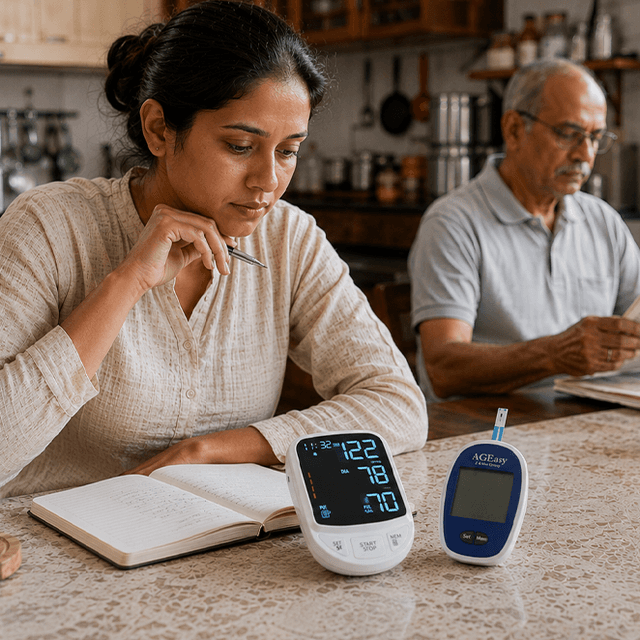
Cholesterol is usually checked once or twice a year. The other two numbers that can affect heart health need to be checked many more times than just cholesterol. Luckily, both of these numbers can easily be checked at home.
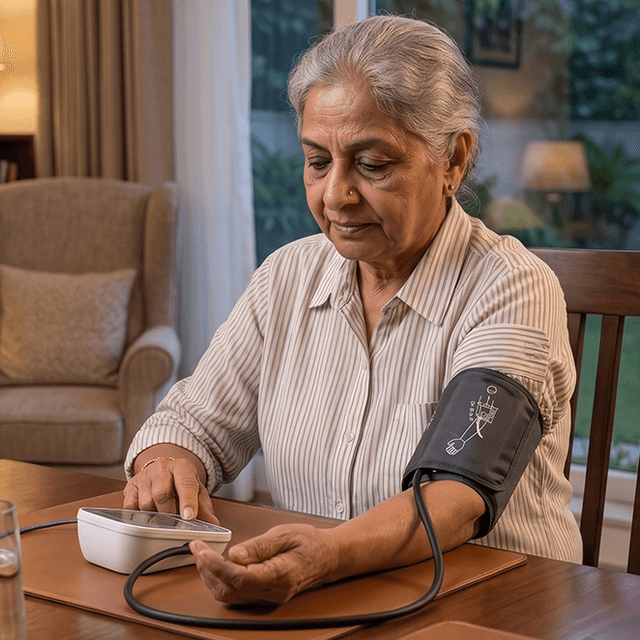
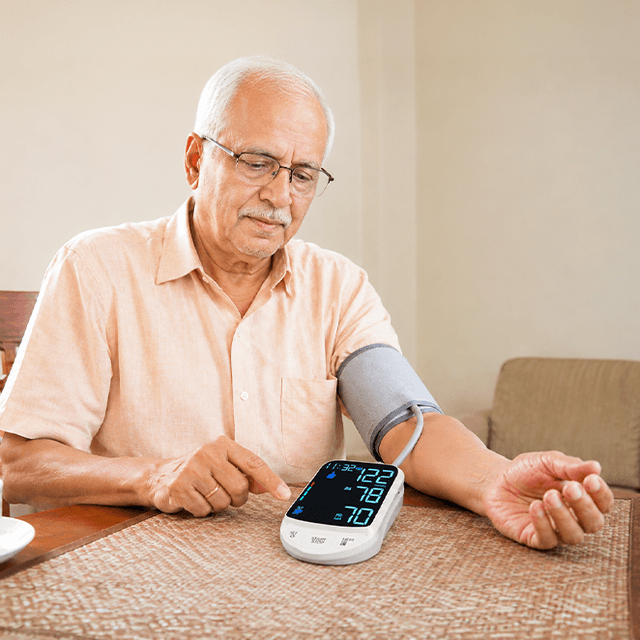
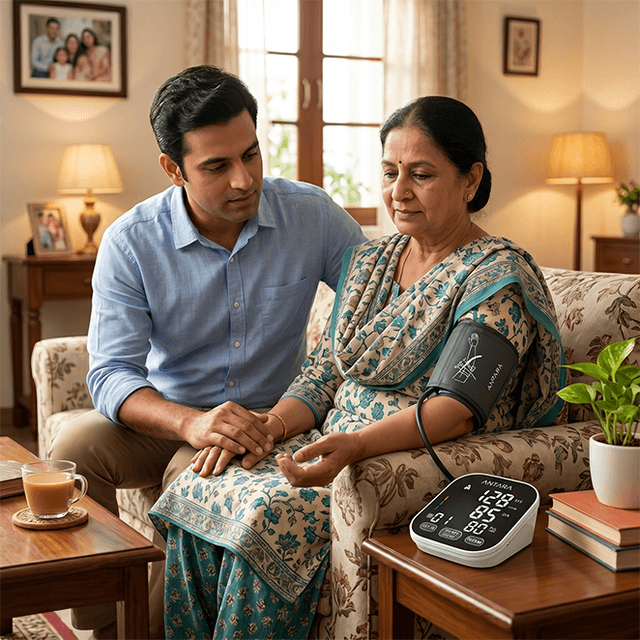
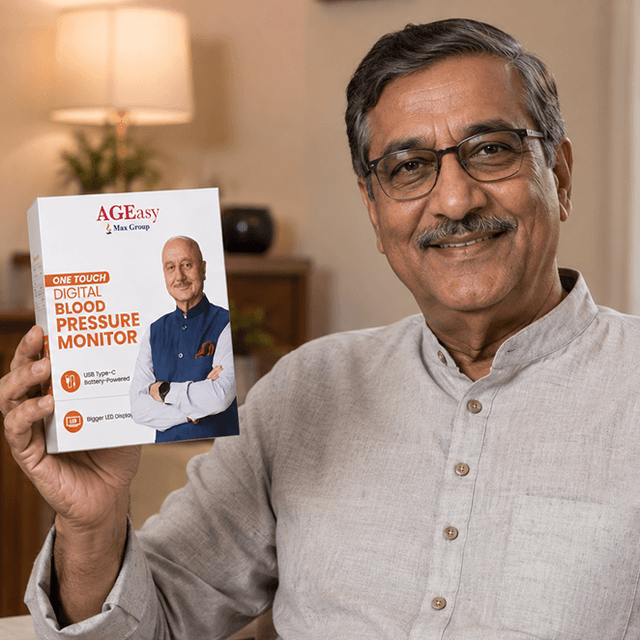
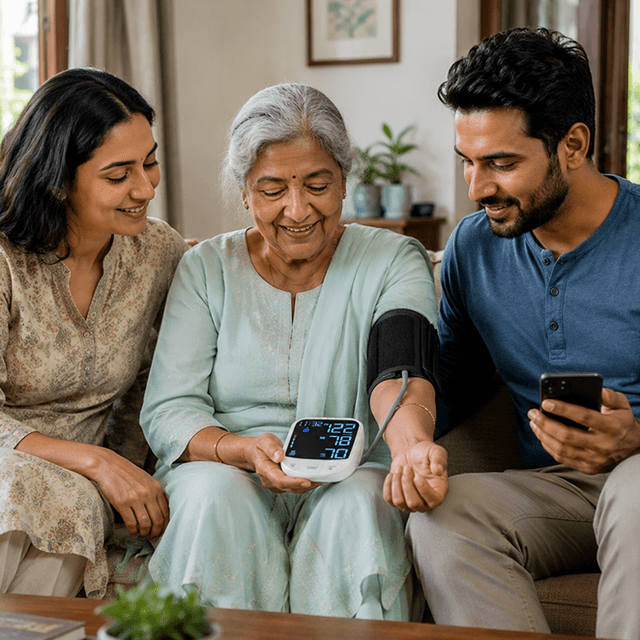
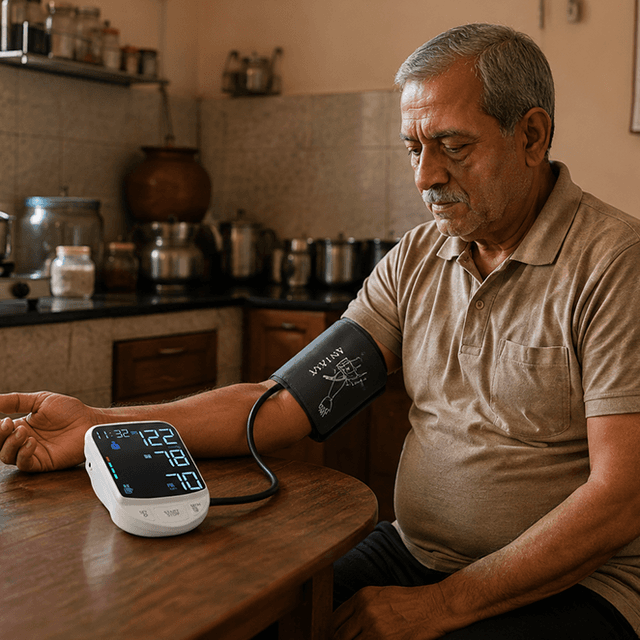
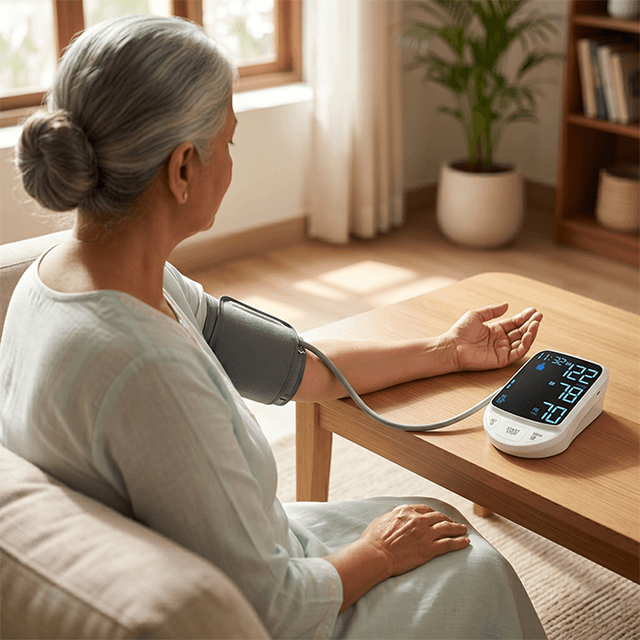
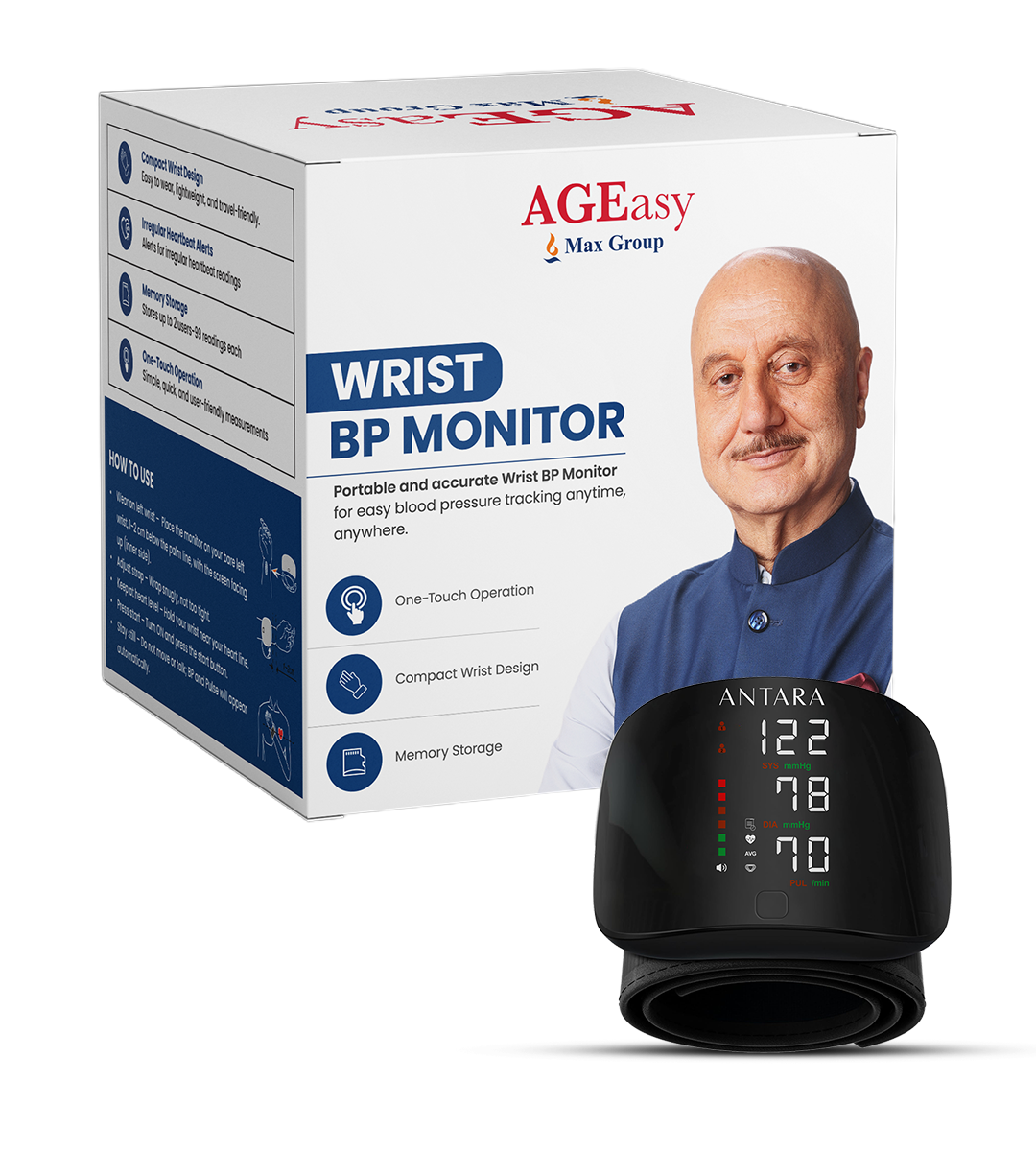
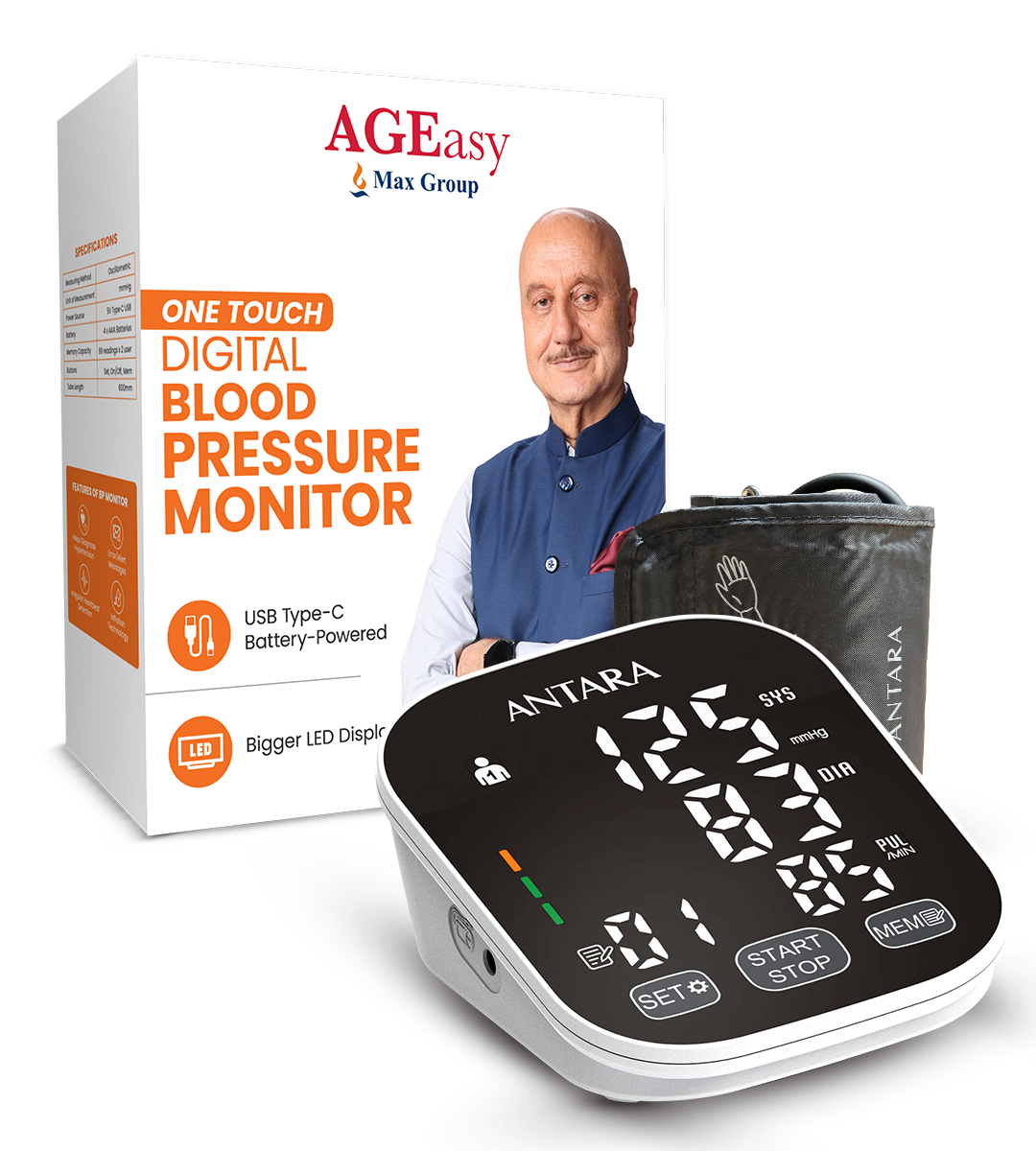
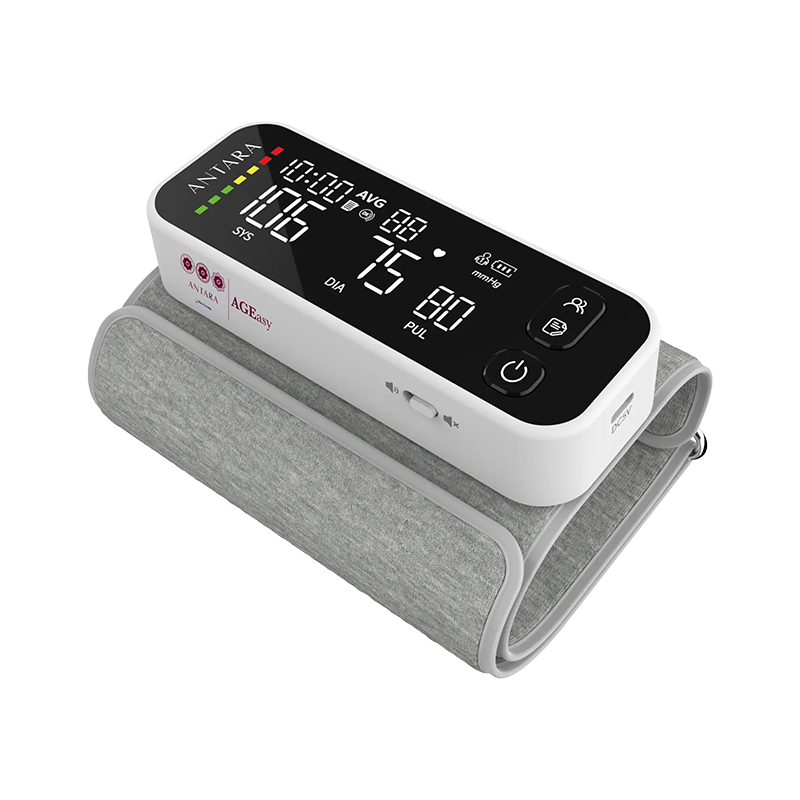
Blood pressure control produces earlier results compared to lipid lowering in older adults. Older adults can also provide more accurate readings through the use of self-monitoring devices at home, as compared to single clinic measurements. Upper arm devices for self-monitoring, such as the AGEasy Arm BP Monitor, are easy to use for most seniors, and a voice-activated feature helps parents view their own results independently, keeping the burden of self-monitoring on parents rather than other family members. Wrist self-monitoring devices are convenient for travel, as most parents move between different residences.
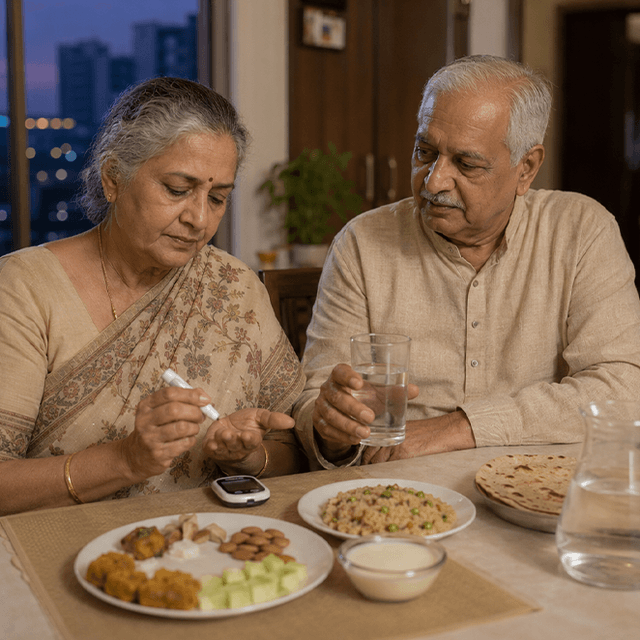
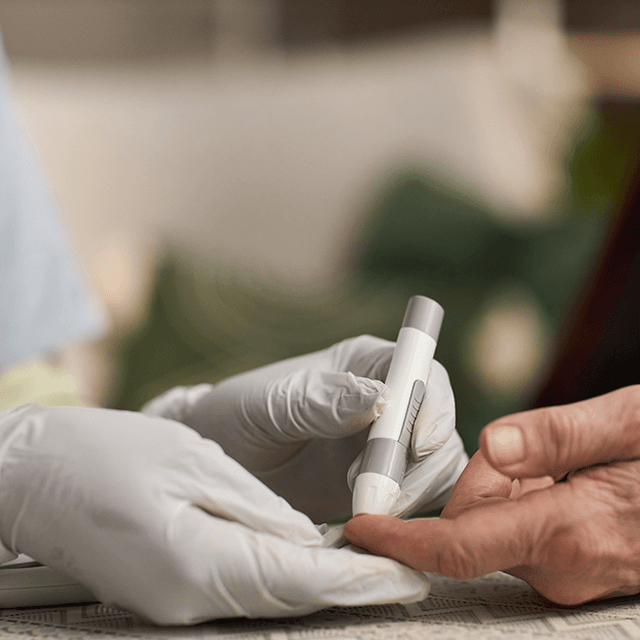
One other lever is blood sugar. Since diabetes affects statin prescriptions and vice versa, it's beneficial for most to monitor both regularly. Since self-monitoring blood glucose levels is a routine process, an ideal self-monitoring kit includes all accessories, and a continuous monitor with a transmitter is most beneficial for parents whose readings show varied patterns.
Carry your home self-monitoring log to your appointment.
More accurate monitoring helps maintain a healthy heart. Falls are the bigger immediate concern for most above the age of 80.
Practical support helps maintain activity. A walking support stick, along with a rollator, helps restore the confidence to venture outdoors. A set of grab bars and anti-slip mats in the bathroom helps address the most common site of falls within the household. A simple shift on the plate moves deep fried food and foods containing refined flour to less of a daily occurrence, while incorporating more vegetables, nuts, dal, and fiber along with adequate protein to maintain muscle mass.
Questions for the Next Appointment
What does the treatment target and how likely is the event to occur within the following five years? What is the expected time period for the benefit to accrue, considering your parents' health? Does the proposed statin have any drug-drug interactions with your parents' current medications? What side effects would warrant a phone call? What happens if the first statin produces muscle symptoms? Do all the other medications on the list remain justified?
One thing should be clarified. It is foolish and risky for someone to stop taking a statin without the doctor's supervision after a heart attack, stroke or surgery to put in a stent. If individuals have concerns about taking statins, they should bring it up with their doctors for discussions to see if any adjustments can be made.
This strategy is not for the individual with the perfect statin number. It is for the parent who wants to stay healthy, have the energy to stay active and keep up with the family, for as long as possible, so they can remain independent.