
Blood Pressure Fluctuation: Why Your Reading Looks Different Every Time
Jul 24, 2026
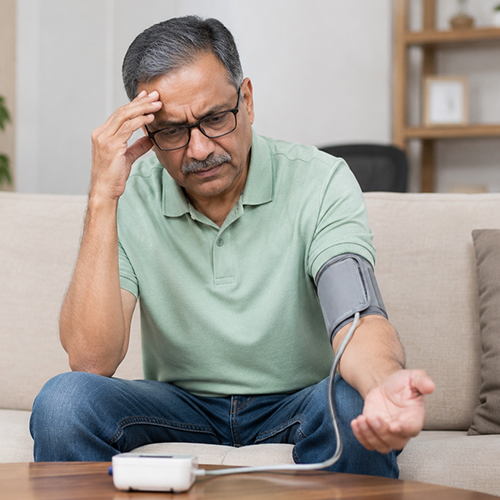
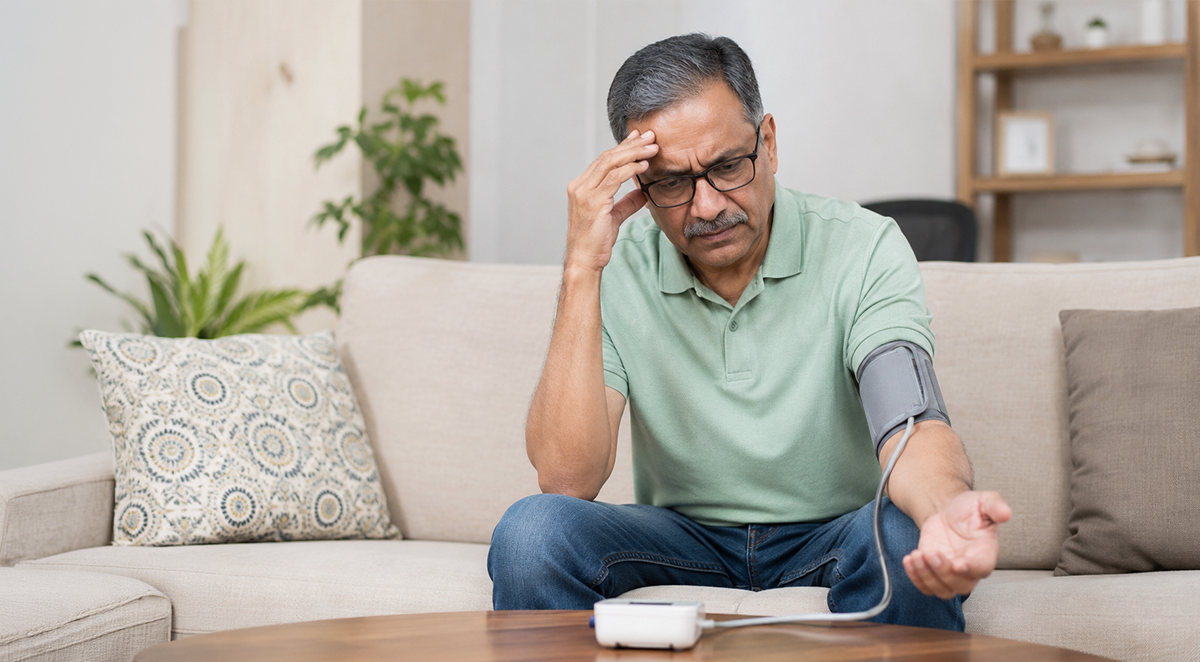
You check your blood pressure after breakfast and it's normal. By afternoon, it climbed. Before bed, it's dropped again. So, which number is the real one?
What most people don't understand is that blood pressure is not supposed to remain constant throughout the day. It fluctuates when you get up, when you climb stairs, when you get stressed or when you are in pain, even when you are talking to someone while the cuff is inflating. Your heart is not a machine that holds a constant setting, it is responsive to life one moment at a time.
One reading rarely tells you anything, what is important is the pattern and the trend over the days and weeks, not what some number says at exactly 3:00 PM on a Tuesday.
The good news is that most fluctuations are normal; you can stop worrying about small shifts and focus on catching the readings that actually need a doctor's attention.
This guide explains why blood pressure readings fluctuate, what factors influence each reading, and when changing readings should be addressed with your doctor. This guide is for anyone managing their own hypertension, monitoring elderly parents, or trying to understand a home blood pressure monitor that seems unreliable.
The Daily Cycle of Your Blood Pressure
Over the course of 24 hours, your blood pressure follows a repeating pattern due to your circadian rhythm. It tends to be highest about one to two hours after waking up (known as a morning surge), lower during the day, and lowest during sleep at night.
For this reason, seeing blood pressure readings differ by 10–20 mmHg throughout the day is common and usually not a cause for concern. An example of this is a blood pressure measurement of 118/76 at night and then 132/84 shortly after waking up, this is most likely a result of your body's internal clock.
This is the reason why you cannot compare a blood pressure measurement taken in the morning to one taken in the evening. A good practice is to take measurements at the same time every day. Many doctors recommend measuring blood pressure once in the morning, before taking any medication and before eating breakfast, and once again at night.
Ordinary Activities That Change Blood Pressure Readings
There are many everyday activities, in addition to the daily rhythm, that can cause blood pressure readings to change, sometimes significantly.
Food, caffeine, and hydration: After eating, our blood pressure may dip slightly because more blood is directed to the digestive system, and for some older adults this dip can be significant enough to cause dizziness (this should be noted to a physician). Unlike food, caffeine can increase blood pressure for an hour or two after drinking coffee or tea. Dehydration also raises blood pressure because it makes the blood thicker and requires the heart to work more, which tends to increase blood pressure readings. If you consumed a heavy and salty meal the night before, you may get a high reading the next morning from your blood pressure monitor.
Movement and position: Within 30 minutes of exercise, your blood pressure will show a temporary elevation, which is a normal cardiovascular response. In addition to this, your body position will also affect blood pressure readings. For example, the readings can be 5-15 mmHg higher than a reading taken from a seating position when the legs are crossed, the back is unsupported, and the arms are hanging below the heart.
Stress, pain, and emotion: Stressful situations like arguments, deadlines and physical pain can cause increases in blood pressure. The phenomenon of "white coat hypertension" is where blood pressure readings in clinics are higher than blood pressure readings taken at home due to the clinical setting. The opposite of this is "masked hypertension" where the blood pressure of a patient in a clinic is normal while being elevated in their home. Both situations show the importance of home blood pressure monitors to physicians in order to get an accurate reading, unlike the readings taken in hospital corridors.
Speaking, a full bladder, and various other minor saboteurs: Even talking can increase the reading by approximately 10 mmHg. The same is true for a full bladder. A cuff placed over clothing, or one that is the wrong size for your arm, can also cause distortion in either direction. All of these may sound trivial, but when combined, they demonstrate the reason why two successive readings may seem like they were taken from two completely different people.
Trustworthy Reading Techniques
Most of the unpredictability is gone with proper technique. This is the procedure that cardiology bodies around the world have recommended:
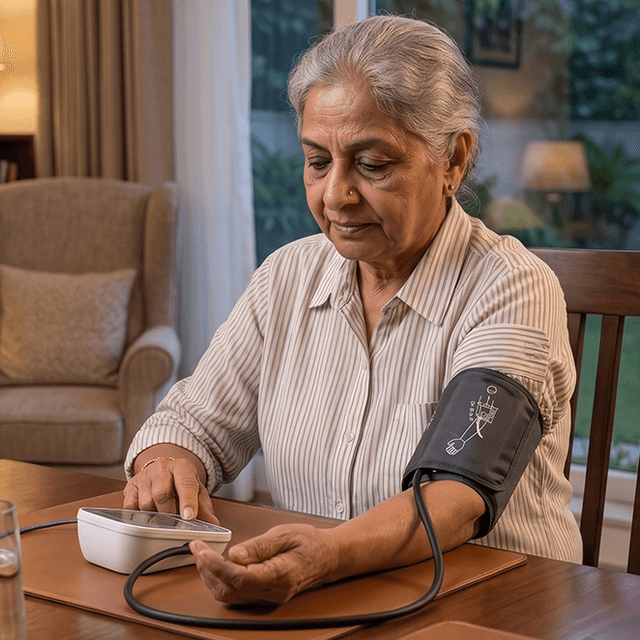
- Rest for 5 minutes before doing the measurement, and do not use your phone or talk. This is a no-conversation zone.
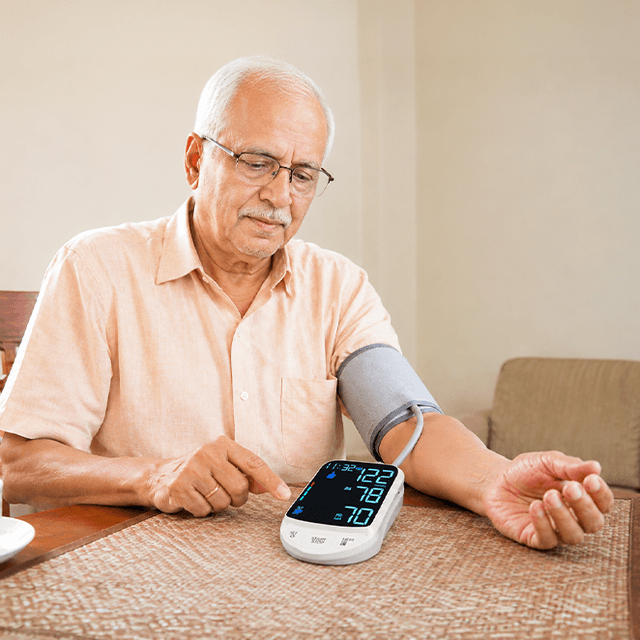
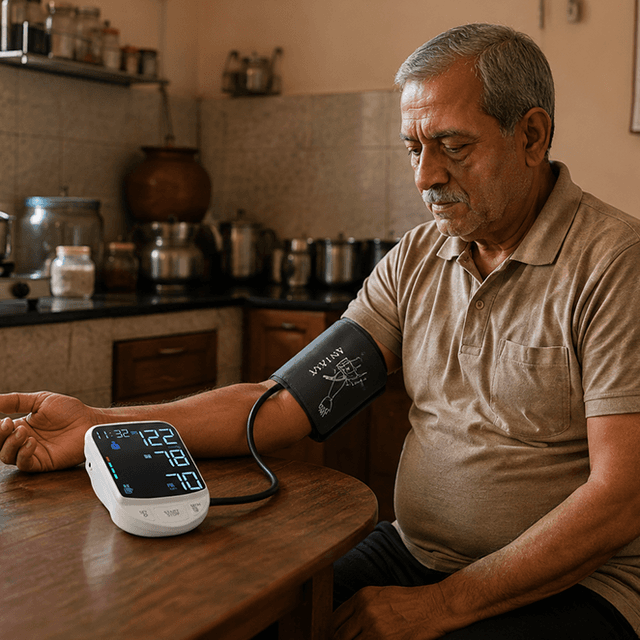
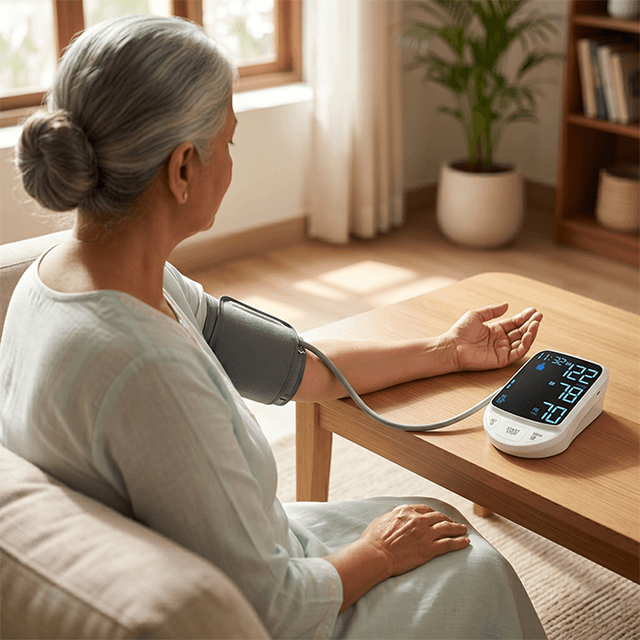
- Ensure that your back is supported, feet are flat, legs are uncrossed. Then, rest your arm on the table where the cuff will be placed at the level of your heart.
- Make sure that your sleeve has been rolled up over the top, and that the cuff fits snug directly on your bare arm.
- For 30 minutes prior to the measurement, do not consume caffeine, do not exercise, and do not smoke. If you have a full bladder, empty it before doing the measurement.
- Take a couple (2 or 3) consecutive measurements, and calculate the average. A single reading is just a snapshot, but the average is much more informative.
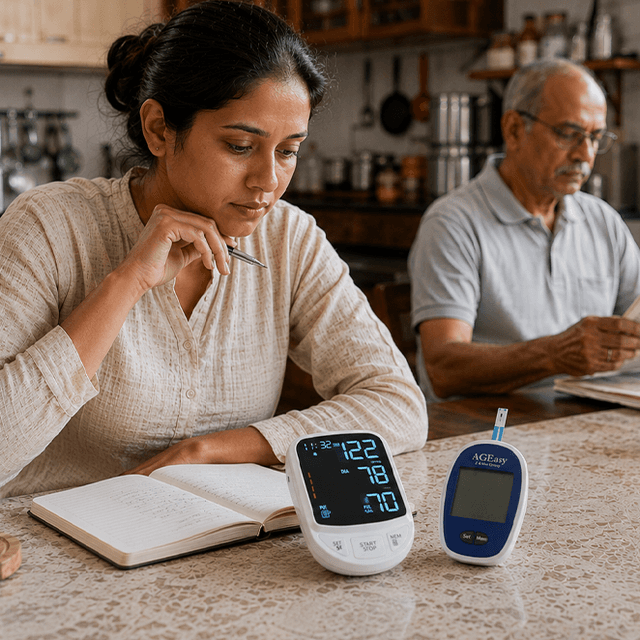
- Keep a record of the values along with the date and time, and make sure that the measurements are done at the same time every day.
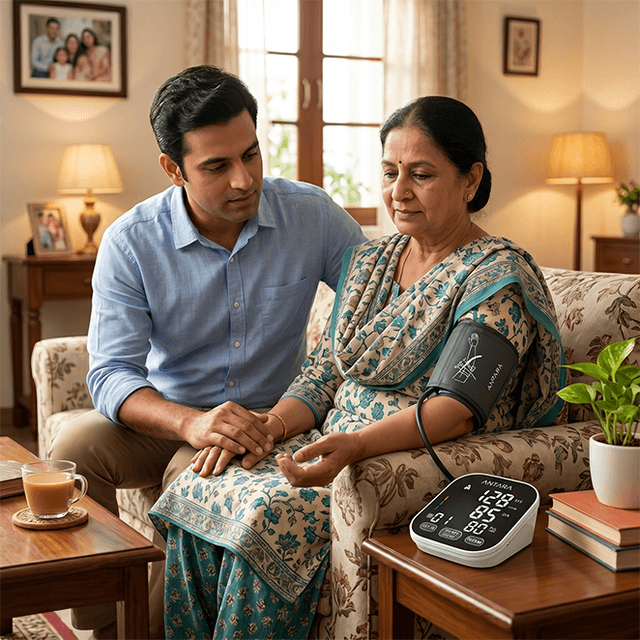
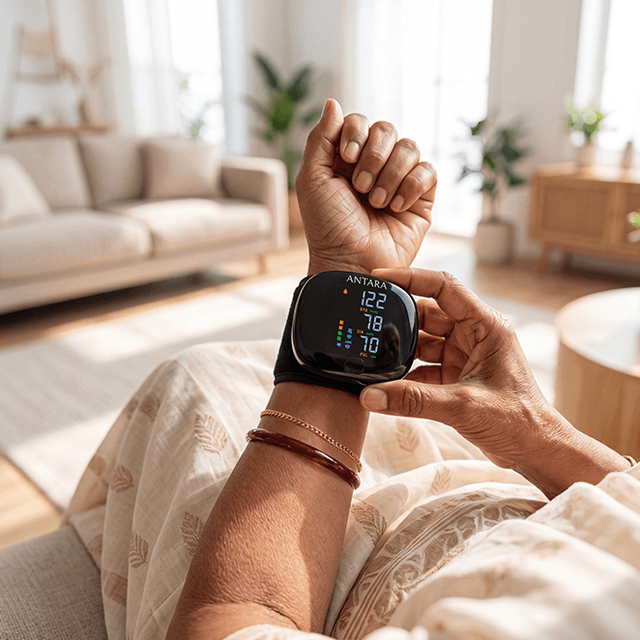
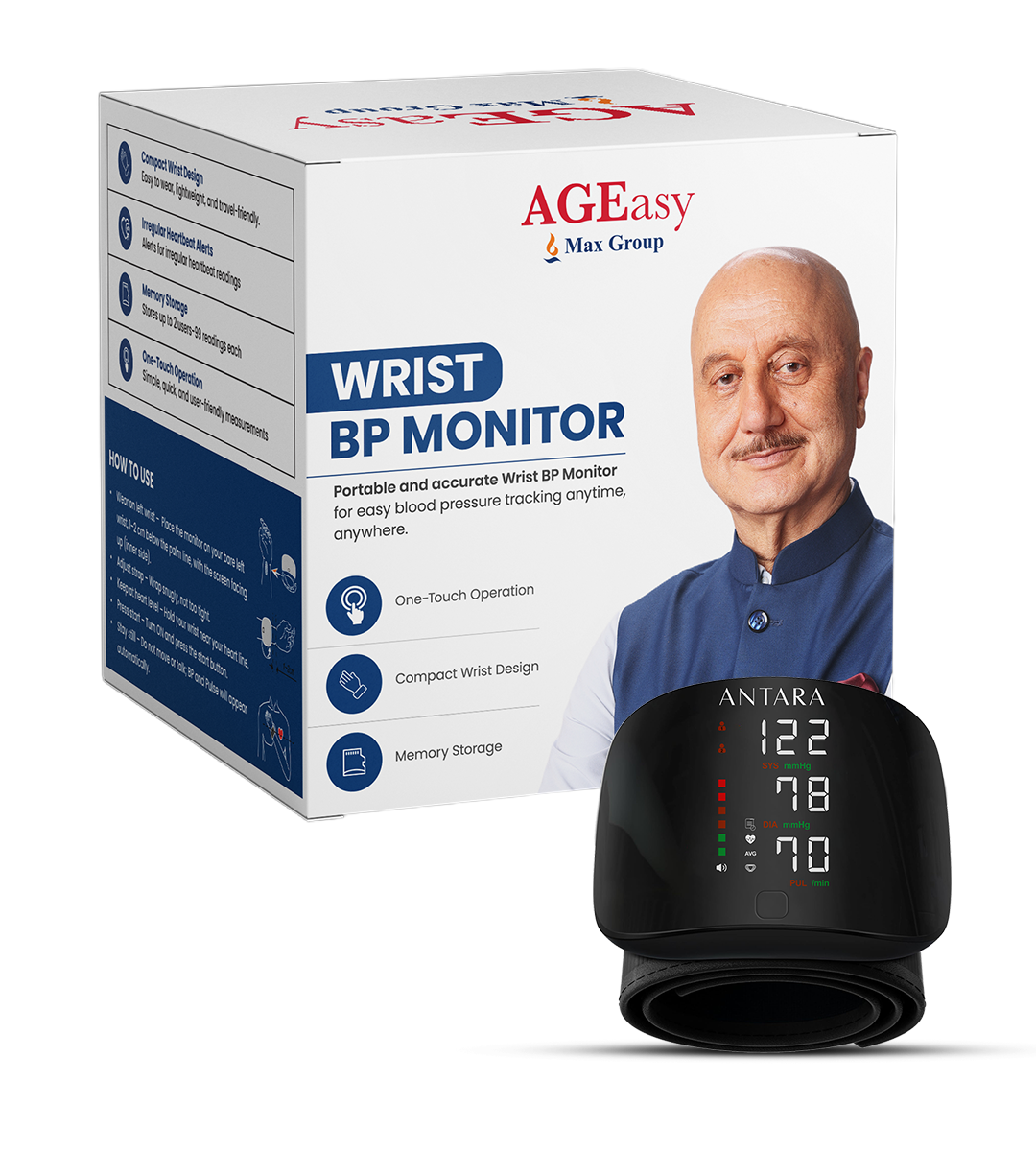
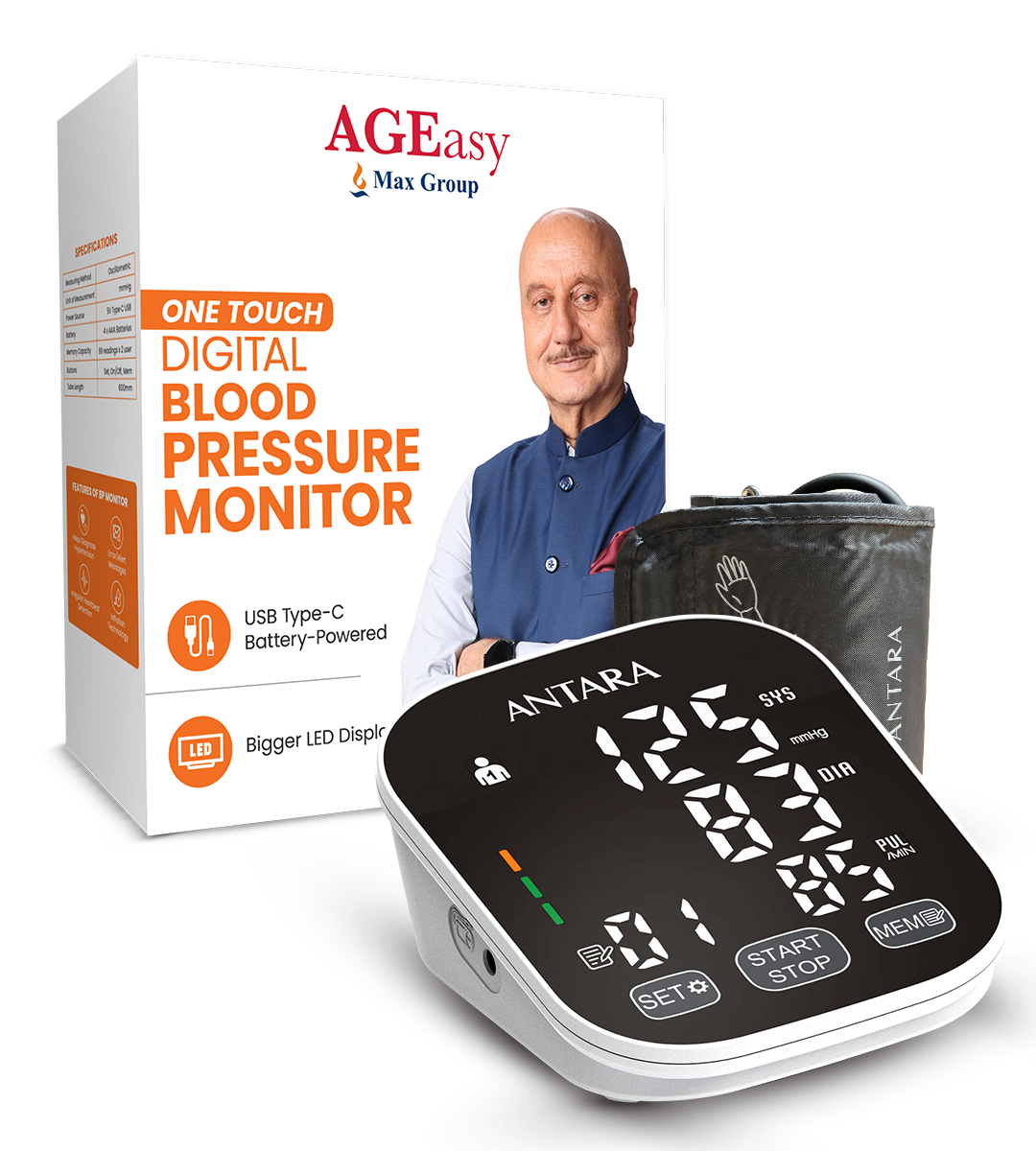
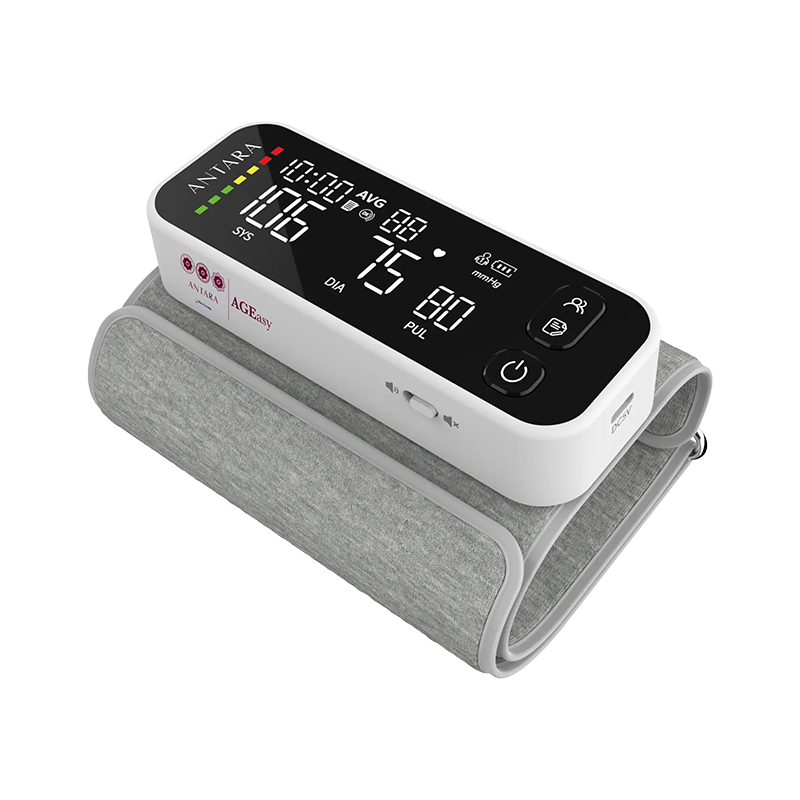
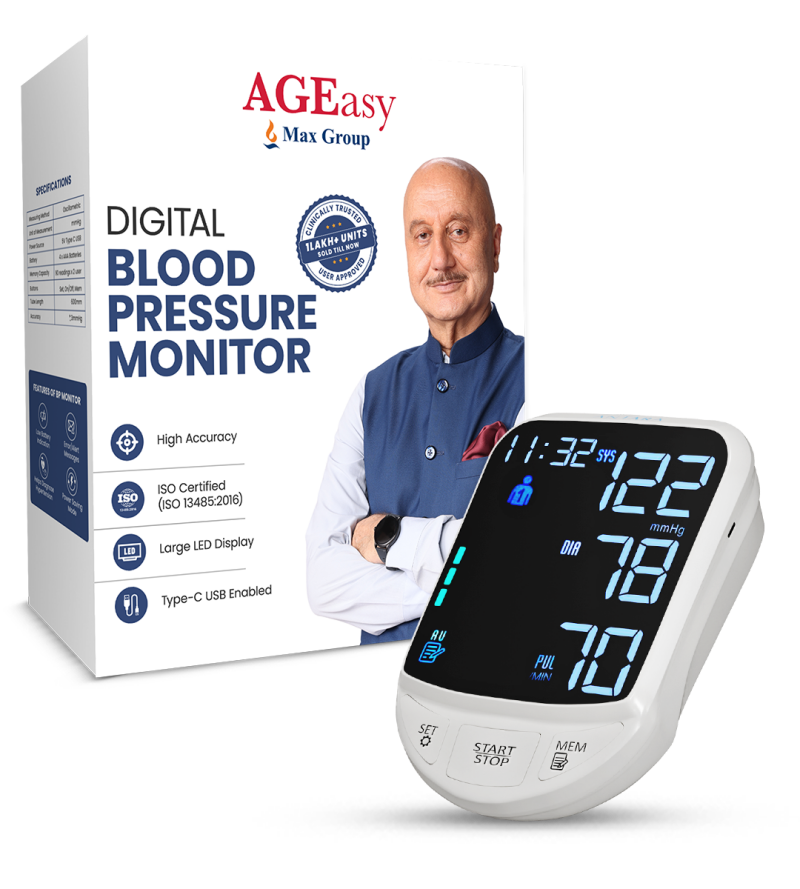
When seniors take their own measurements, the type of equipment used is very important. The AGEasy One Touch BP Monitor is designed for this specific purpose, with one-touch operation, a simple digital screen, and a talking feature that reads the numbers, assisting seniors who have difficulty seeing small screens. If upper-arm cuffs feel too bulky, there is the AGEasy Wrist BP Monitor, which provides guidance on how to properly place the wrist at heart level (the most common source of error when using wrist monitors). Plus, it records up to 90 readings for 2 users, so trends are automatically recorded and not kept on slips of paper.
Reading the Pattern, Not the Panic
Once you begin measuring consistently, here is how to interpret what you see:
- Normal fluctuations are day-to-day variations of about 10-20mmHg around your typical baseline and follow the trend of higher readings in the morning and lower readings at night.
- Drifting upward or above 140/90 readings at home over several days is a good indication that further monitoring is necessary.
- Consult a doctor if you notice frequent readings over 140/90 mmHg, large unexplained fluctuations (30+ mmHg), or symptoms like lightheadedness and dizziness after standing or eating.
- Seek immediate medical care if a reading of 180/120 or above occurs with chest pain, difficulty breathing, severe headaches, vision changes, weakness, or other symptoms.
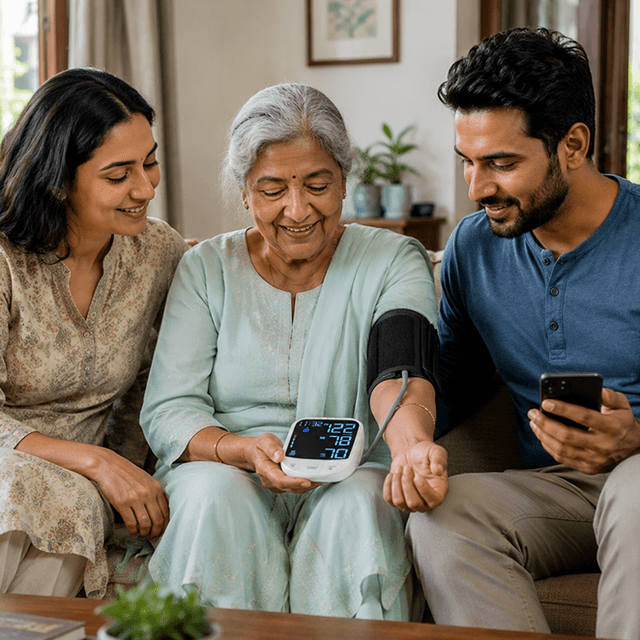
A memory function on monitors (like multi-user storage on the AGEasy One Touch BP Monitor) makes pattern reading easier for both patients and doctors when they review the readings at the next visit. Many doctors ask patients to bring a week's worth of readings taken at home instead of a single measurement taken at the clinic because the trend is much more important diagnostically than any individual number.
The Bottom Line
Blood pressure changes are not a defect in your body or your machine. It is a normal response of a healthy cardiovascular system to stimuli in the environment. A morning surge, a drop after lunch, and an increase when answering a stressful call are all normal and all temporary.
What is important is not so much the single reading that seems strange. It's the pattern that emerges over time, when measurements are taken in a consistent manner, at the same time, on a good quality device. This way, you can take less time worrying about individual readings and focus more on the important, meaningful trends. This is the purpose of home monitoring.
This article is for informational purposes only and is not a substitute for medical advice. Please see your doctor for any concerns about blood pressure readings, medications, or symptoms.