

Tingling and Burning Feet: The Many Faces of Peripheral Neuropathy
Aug 23, 2026
Most people think of diabetes when they hear about burning or tingling feet. Diabetes is not the only possible cause. Peripheral nerves can become damaged and irritated, and this can lead to a variety of symptoms in feet. Nerve damage can be caused by nutritional deficiencies, medications, alcohol, infections, autoimmune conditions, kidney disease and many other illnesses.
It is best to see a healthcare professional sooner rather than later in order to prevent balance problems and other ailments that will affect your daily life and increase the risk of permanent nerve damage.
What Is Peripheral Neuropathy?
Peripheral neuropathy is the name given to the damage of peripheral nerves. These are the nerves that send messages to and from the central nervous system and the rest of the body. Nerve damage can cause many symptoms, the first of which are usually experienced in the feet and legs.
Common symptoms include:
- A prickling or tingling sensation
- A burning feeling
- Numbness
- Pain that is shooting, sharp, or tingling in nature
- Touch becomes overly sensitive or less sensitive
- Muscle weakness or a feeling of instability
The sensation of symptoms often begins in the toes and progresses upwards in a pattern that is often described as "stocking-like." While some people are affected bilaterally, others are affected unilaterally and locally.
Why Diabetes Is Not the Only Cause
While high blood sugar is a well-known cause of peripheral nerve damage and symptoms, there are many other conditions that can cause symptoms that affect feet.
Vitamin Deficiencies
Impairment of nerve functioning can be caused by deficiencies of several vitamins and nutrients. Of these, vitamin B12 deficiency warrants special attention, as it can occur concomitantly with symptoms of fatigue and weakness, pallor, and impaired concentration. Deficiencies may be due to a restricted diet, gastrointestinal disorders, or prolonged use of certain medications.
Alcohol Use
Chronic use of alcohol can cause direct damage to peripheral nerves and can cause deficiencies that lead to neuropathy. Alcohol use can lead to burning pain, numbness, weakness, and impaired gait.
Medicines and Medical Treatments
Several medications can cause peripheral nerve damage as a side effect, especially several of the chemotherapy agents, medicines for infectious diseases, and seizure medications. Chemotherapy and seizure medicines should not be stopped without the prescribing physician's consent, as the physician may adjust the schedule or try a new medication.
Kidney or Liver Disease
The kidneys and liver are vital organs that filter and excrete metabolic waste. Deterioration of either organ can lead to the accumulation of waste which can damage peripheral nerves. Patients with either of these conditions require regular investigations and pharmacotherapy adjustments.
Infections
Some infections can directly damage the nerves and cause peripheral neuropathy. During a systemic infection involving shingles, Lyme disease, or HIV, treatment should be tailored to the specific infection and the patient's overall condition.
Autoimmune Conditions
Several peripheral inflammatory neuropathies can occur in conjunction with rheumatoid arthritis, systemic lupus erythematosus, and vasculitis. These can produce other systemic symptoms including fever, pallor, and fatigue in addition to joint and nerve pain.
Thyroid and Other Hormonal Conditions
An underactive thyroid can involve many systems of the body and can even be associated with some types of neuropathy. Other hormonal disturbances and genetic conditions can also contribute.
Nerve Pressure or Injury
Nerve entrapment in the back, hip, or leg can cause localized burning or tingling. Nerve function can also be affected by past surgeries, injuries, pressing on the nerve for a long time, or performing certain activities in a repetitive manner.
What Doctors Do to Understand the Cause of Tingling Feet
A doctor will first gather the details of the problem, including when the first symptoms occurred, the type of symptoms, the areas affected, and whether the symptoms affect sleep or the ability to walk. Be ready to provide your complete medical history, including your alcohol intake and use, your diet, any medications you are taking, any recent infections you have had, and your family medical history.
The exam can include the following:
- Reflex testing
- Muscle strength assessment
- Walking and balance assessment
- Skin and feet exam
- Assessment of the response to a light touch, and to vibrations and temperature
Common initial blood tests include checking the blood sugar, vitamin B12, thyroid, kidneys, liver functions, and inflammation. Depending on the exam, the cause of the symptoms can warrant additional tests, like imaging or nerve conduction studies.
It is never recommended to self-diagnose, especially with the symptoms of burning feet. Several conditions can be the cause including skin and blood circulation problems, and even the effects of certain medications. Assessment to diagnose the problem is always the first step to determine the most appropriate treatment.
When to Seek Medical Care
Make an appointment if tingling, burning, or numb sensations continue for several days, become recurrent, ascend toward your body's core, or if they begin to disrupt your sleep and daily activities. Patients with diabetes, kidney disease, significant alcohol use, a vitamin deficiency, or medications associated with neuropathy should schedule an urgent appointment.
Get immediate help for sudden weakness, inability to walk normally, a new loss of bowel or bladder control, severe back pain and leg numbness, confusion, or new symptoms that affect just one side of your body. A new wound, blister, burn, or an area that is inflamed, changes color, or becomes infected and occurs on a numb foot should also receive immediate attention.
Protecting Your Feet at Home
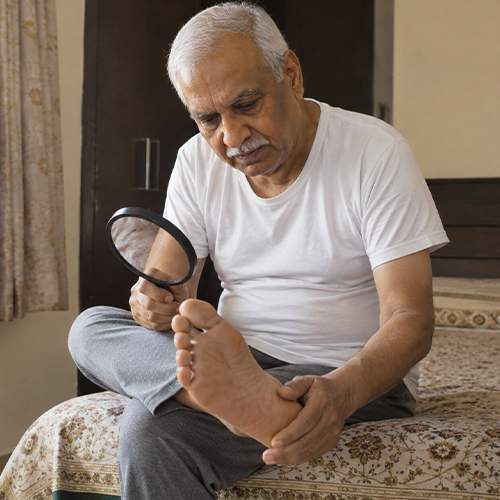
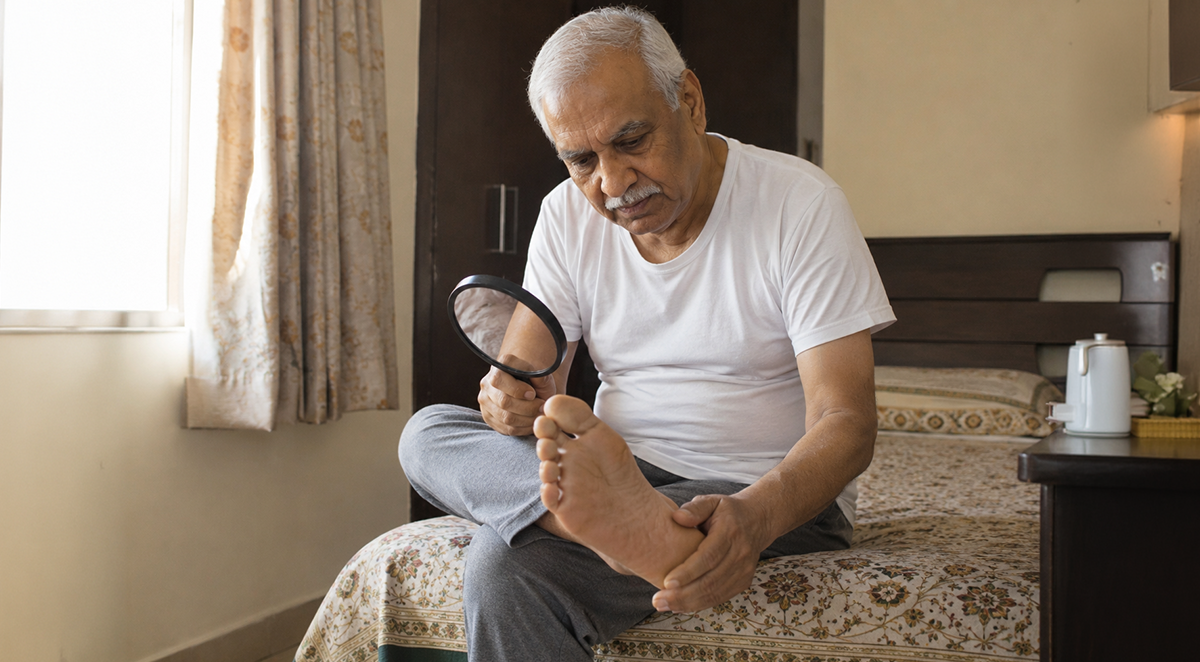
Since you may have a loss of sensation, you may have small injuries that are unseen. You should examine both feet daily, including the soles and the areas between each of your toes. Get assistance from a family member or use a mirror if you cannot bend.
Daily washing feet and proper drying is essential. Follow with the application of moisturizer on dry areas. Do not apply moisturizer between the toes unless instructed to do so by a doctor. Cut your toenails by simply trimming the top of the nail and do not attempt to manage your own toenails if they become a problem.
Always wear shoes and never go barefoot. Wear shoes with plenty of toe room and check that nothing is in the shoe. Avoid hot and outdoor surfaces that may cause damage and can injure your feet.
Reducing Fall Risk
A combination of symptoms can affect stability. This can be exacerbated by dim lighting and uneven surfaces. Make pathways clear of clutter and improve lighting in high-risk areas such as restrooms and stairs. Use grab bars where appropriate. When getting up from a seated position, if you feel unsteady, stand up slowly.
Indoor flooring can be especially problematic for those who may be unsteady and in such cases, anti-slip flooring may be a useful product. AGEasy Anti-Slip Socks have a grip sole and a stretchable material. They are designed for seniors doing yoga and home activities. It supports their movement around the house. These products do not replace appropriate footwear designed for those with neuropathy.
Bathrooms can be especially dangerous for the elderly and those with mobility issues, as wet floors are slippery. The AGEasy Anti-Slip Mat with Foot Scrubber may also add safety as it has a non-slip base and a foot-cleaning section, and is designed for use in wet indoor areas. Maintain a dry restroom when possible and install appropriate grab bars. If you feel unsteady, ask for assistance when showering.
Managing the Underlying Cause
The treatment is based on the cause of the nerve symptoms for the patient. For patients with diabetes, nerve injuries may be further affected by poor control of blood sugar, so tighter control is necessary. For those with a confirmed vitamin deficiency, replacement helps. The doctor may prescribe changing medications, treating an active infection, controlling thyroid disease and addressing kidney and liver diseases.
The management of pain may include medications, physical therapy, prescriptions, sleep, and mood management. Gradual vitamin supplementation may be used for specific medical needs. Alcohol withdrawal will not be treated. High-dose vitamin supplementation will be discouraged. Supplementation will be discouraged if a specific medical need has not been established.
Low-impact activities such as walking and balance exercises can improve strength and mobility. Your physiotherapist will be able to personalize an exercise program based on your symptoms and can help reduce risk of falls. If you have numbness in your feet, be sure to check the feet after exercising and choose exercises that have a low risk of injury.
Living With Ongoing Symptoms
Regular follow-up appointments will be required for the management of peripheral neuropathy. During these appointments, you will be required to describe sensory changes, the severity of pain, difficulty sleeping, impaired balance, and skin manifestations. These should be reported immediately if you experience new weakness, falls, and wounds, or if your gait has changed.
Burning or tingling feet should be evaluated, even in the absence of diabetes. If the cause is known, and your feet are protected along with home safety then your treatment plans are improved, comfort and balance will be maintained, and your independence will be preserved.
Note: This article is for general information and does not replace advice from a qualified doctor.