

Sugar-Free Mithai for Diabetic Parents: What's Safe at Raksha Bandhan and What Isn't
Sep 7, 2026
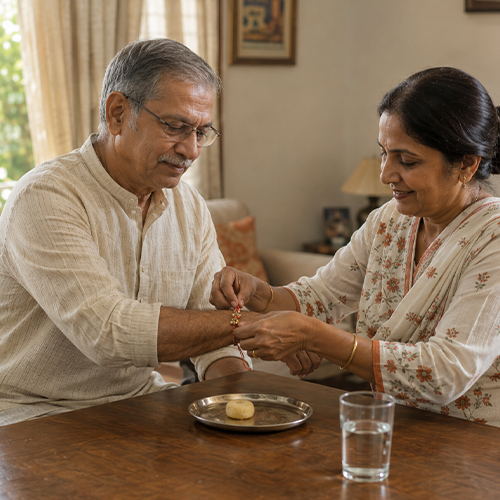
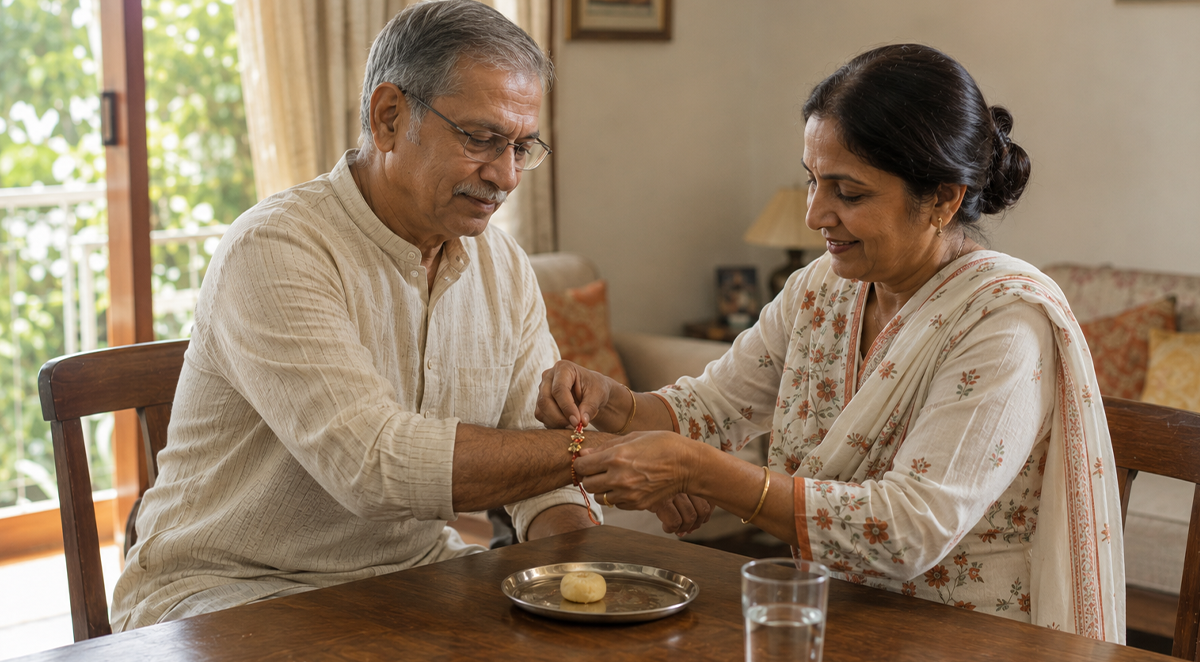
Raksha Bandhan sweets might bring joy to everyone except the caregiver, who often worries about whether or not the treats disturb their parent's blood sugar routine. A sweet may bring joy to your parents, but just one sweet may disrupt the routine of controlling the glucose level of your parents.
Sugar-free labeling may even further confuse the caregiver. Just because something is sugar-free doesn't mean it is safe to eat, or that it contains a safe amount of carbs for the diabetic parent to eat, or that it is safe to be eaten in unlimited quantities.
The goal isn't to totally eliminate all sweets. A small planned portion of sweets during Raksha Bandhan can help your parents enjoy the festivities and also help you guard your parent's routine of meals, medicines, and glucose monitoring. Treat each sweet your parents consume as a part of their daily carbohydrate intake.
What Sugar-Free Mithai Means
What many people are not aware of is that just because something is advertised as a sugar-free treat or mithai, carbohydrates are still included. For you and your parents to stay safe and healthy, keep in mind that the solids of milk and flour, rice, dates, raisins, and coconut all contain calories and therefore carbohydrates. Just because something may be advertised with the tag of "sugar-free" mithai doesn't mean it won't include a sorbitol, a maltitol, or another sweetener.
Just because a sweet is sugar-free, doesn't mean the effect of portion size isn't important. A couple small pieces eaten alongside a balanced meal is not equivalent to eating sweets by the plateful between meals. A sugar-free sweet should show total carbs, serving size, added sugar, saturated fat, and a full ingredient list. If the store doesn't provide any of this information, then the sweet should be avoided.
Just having the word diabetic on a package doesn't mean it is safe to eat. You still have to look at the nutrition information and ask your parent's doctor or dietitian about the sweetener and the serving size, especially if your parent takes insulin, sulfonylureas, or has kidney disease.
What Is Safer for a Festive Meal?
Small servings of simple sweets can be safer. One small slice of milk cake or peda can fit in a meal better than an unlimited supply of sweets.
Homemade sweets, where portions can be controlled, may be safer than store bought sweets. Measuring all the ingredients is important, including sweeteners. You can make simple paneer based sweets with checked sweeteners. Nuts and seeds should be used in a homemade sweet, as they have good fat and fibre, but also have a lot of calories.
Fruit in a Measured Serving
Whole fresh fruit can serve a different purpose than fruit juices or dried fruits. Servings of whole fresh fruits have significant amounts of fiber, while dried fruits such as dates and raisins and fruit-based mithai have simple sugars. Fruits and vegetables should not be considered as foods that can be consumed without restrictions. These should be included in the dietary plans prepared by your parents.
Savory Foods With Caution
Savory foods are not better options when compared to the desserts available. Snacks such as chakli, namkeens, kachori, samosa, and many other fried snacks are often made with refined flour, starch, salt, and fat. A small serving of bhuno chana or mixed roasted unsalted nuts or a homemade snack with vegetables is a better alternative that can be included in your parents' diet as per their allowance.
What to Limit or Avoid
High-Calorie Regular Mithais
Sweets like gulab jamun, jalebi, rasgulla, imarti, barfi, peda, and ladoo are made of refined flour, milk solids, or fried batter and mixed with lots of sugar. A high-sugar dessert eaten after a large meal further increases the total carbohydrate intake. Only allow a small piece of the dessert and avoid serving with juices or sweetened tea.
Sweets That Are Sugar-Free but Contain Hidden Carbohydrates
Sugar-free khoya based barfi and ladoos are still high in carbohydrates because they are made of flour, dates or thickened milk and coconut.
Liquid Sweets and Sweet Beverages
Juices, sharbat, sweet lassi, packaged festival drinks, and sweetened tea provide quick energy and less satiety compared to solid foods. Encourage your parent to drink water or tea that is not sweetened. Offer them a drink that is permitted in their meal plan. If your parent has restricted fluids, follow the recommendations of the doctor.
Dried Fruits in Bowls
Dried fruits look small so a person can easily lose track of how much they have eaten. Dates, raisins, dried cranberries, and anjeer contain natural sugar. Offer it if your parent's plan allows it. Fresh fruit contains more volume for the same quantity of carbohydrate.
How to Plan Sweets for an Older Parent
Understanding the Diabetes Care Plan
Based on their diabetes management, choice of sweets also depends on several other factors such as glucose level, other medications, the state of the kidney, dental health, appetite, etc. Ask the dietitian about how sweets fit in their diabetes care plan. Never adjust medications to allow for sweets unless the doctor alters the plan and suggests it.
Use Part Before Celebration
There is no need to keep the rest of the portion in the serving box. Put a portion on your plate and share with your family. It is about celebrating together.
Connect Serving to Routine
Offer a sweet treat as part of the main meal. If your parents have chewing or swallowing difficulties, consult their doctor before offering festive foods or follow any prescribed texture-modified diet. Ensure the main meal has adequate serving of protein and vegetables and include high fiber food. Replace the celebratory meal. Stick to the diet plan.
Restriction of Movement and Safety in the Home
After a meal sharing routine together, some simple movements may be appropriate for some older adults. However, activity must follow your parent's restrictions, both physical and medical. Never take your parent with poor balance into a crowded or poorly lit area. AGEasy Anti-Slip Socks have safe skid resistance for use on most indoor floors. They provide traction control and do not substitute for appropriate supervision, light control, walkway clearance, and walking aid as prescribed.
If your parent has urinary leakage and limited mobility during longer family visits, AGEasy Adult Diaper Pants provide protection and containment with a soft, breathable fabric and Smart Liquid Distribution. Use them for comfort and hygiene protection, not for prolonging hygiene and health care.
Symptoms Associated with Glucose
Follow the glucose monitoring schedule that the doctor has outlined. Seek emergency medical care immediately for loss of consciousness, difficulty breathing, seizures, or inability to swallow. Do not give food or fluids to anyone who is unconscious or unable to swallow.
A Simple Raksha Bandhan Checklist for Caregivers
- Before buying any sweets, check the ingredients, total carbohydrate, serving size, and type of sweetener.
- Confirm your parent's routine of meal and medication time to structure how sweets will be served. During the festivities, serve one portion along with water.
- Finally, follow the usual active glucose monitoring routine. Keep sweets away from your parents so that they don't binge on the sweets. Explain to your relatives the agreed upon one serving per parent so that they do not provide additional servings.
Raksha Bandhan is much easier to manage when the family supports the same plan. A respectful explanation, such as "We have planned to provide one serving after lunch," protects your parent's dignity while keeping the decision clear. The ideal sweet is one that is enjoyed by your parents while the routine of care is not disturbed.
Disclaimer: This article is for general education and does not provide medical advice or treatment. Each person with diabetes has unique needs. Discuss your parent's food, medication changes, fasting, and activity modifications with their treating physician or registered dietitian. Seek emergency medical care for serious symptoms of very high or very low blood sugar.