

Can Walkers Make Walking Easier for Seniors Facing Mobility Challenges?
Article by: Admin
May 9, 2026. 4 min read
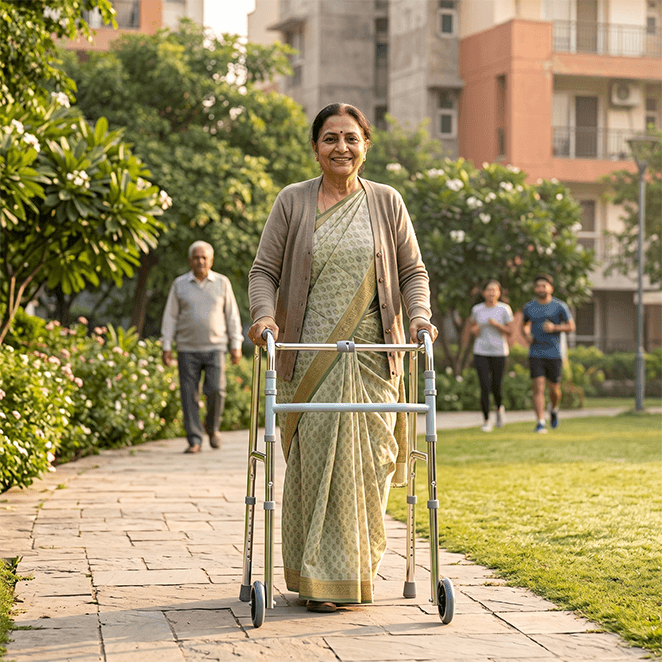
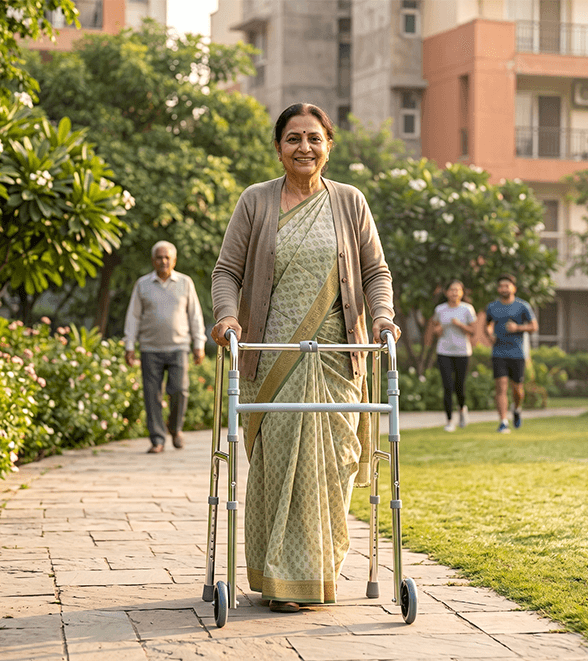
Maintaining steady movement becomes increasingly important as people grow older, especially as balance, strength, and joint comfort change over time. Everyday activities that once felt effortless, such as walking across a room or stepping outside, may start to require more focus and careful control. This shift often leads many individuals to seek supportive solutions that help them stay active without discomfort or uncertainty.
Mobility aids like walkers are designed to improve stability, reduce strain, and make walking feel more controlled across different environments. They also allow users to continue their daily routines with greater ease and reassurance.
In this blog, we'll explore how walkers contribute to safer mobility and everyday independence.
Why Walkers are Important for Stability and Everyday Confidence
Here are the ways walkers support safer and more confident movement:
Provide stable support that helps maintain balance while walking, especially for seniors with limited strength or coordination
Reduce the risk of slips and falls by offering a secure frame for controlled and steady movement
Make everyday mobility easier and more manageable across both indoor and outdoor environments
Build confidence by encouraging greater independence in daily walking and routine activities
Help reduce pressure on joints and legs by distributing body weight more evenly
Support a more active lifestyle through consistent assistance that improves overall mobility and comfort
3 Types of Walkers to Consider for Safe and Comfortable Mobility
Different walkers provide varying levels of support and stability while offering different degrees of ease of use. Here are the different types of walkers that can be selected based on individual mobility needs:
Step Walker (Standard Walker)
A step walker supports safe and controlled movement through its simple four-leg, no-wheel design.
Requires lifting slightly before placing it forward with each step
Offers strong stability as all four legs stay firmly on the ground
Suitable for users who need better support and have enough upper-body strength
Best for indoor use and flat surfaces where balance support is a priority
Encourages better control of movement while engaging the body more actively
Walker With Wheels
A walker with wheels is designed with small front wheels for smoother forward movement
It reduces the need for lifting, making walking less tiring
Usually has two front wheels and two rear rubber tips for balance
Some models include brakes for added safety and control
Suitable for users who want easier mobility while maintaining stability
Helps support a more natural walking motion with reduced physical strain
Walker Without Wheels
A non-wheeled walker is designed to provide maximum stability by offering firm, controlled support for slower and more balanced movement.
Comes with a stable frame and adjustable height settings
Rubber-tipped legs improve grip and reduce slipping risk
Supports slow, controlled walking for better balance and posture
Encourages even weight distribution while moving
Commonly used indoors on flat surfaces
Walker With Wheels and Seat
A wheeled walker with a seat is designed to support continuous movement while offering added convenience for rest and everyday use.
It has an advanced mobility aid with four wheels for continuous movement
Includes a built-in seat for resting during longer walks
Often comes with a storage basket or pouch for essential items
Hand brakes provide safety and better control while moving or stopping
Suitable for users who can walk independently but need support for longer distances
Combines mobility and convenience for everyday outdoor or extended use
5 Key Features that Make Walkers More Effortless for Daily Mobility
When selecting walkers, certain features can significantly improve comfort and safety:
Adjustable Height
Proper height adjustment ensures correct posture, allowing arms to rest comfortably with a slight elbow bend. This reduces strain on the back and shoulders while improving balance while walking.
Hand Grips
Soft, non-slip grips help reduce hand fatigue and improve control. In wheeled models, braking systems add an extra layer of safety when stopping or resting.
Weight Capacity
Each walker should match the user's body weight requirements to ensure stability and long-term durability. This prevents unnecessary stress on the frame.
Portability and Durability
Lightweight, foldable designs make storage and transport easier. Aluminum frames are commonly used for strength without adding unnecessary weight.
Seat and Storage Options
On rollators, a built-in seat allows for rest breaks during longer travel. Storage spaces help carry essentials without requiring additional support.
Carefully considering these features ensures walkers effectively match daily movement needs and living environments.
Take Confident Steps with the Right Support
Taking active steps towards safer mobility can significantly improve daily comfort and independence. Walkers can be a practical starting point for seniors who want to move with greater assurance while reducing physical strain.
Many brands, such as AGEasy, provide thoughtfully designed options that support different mobility levels and environments. Choosing walkers that match personal strength, routine, and comfort preferences can make movement feel less stressful and more controlled. Used for short indoor walks or longer outdoor activity, walkers help maintain steady progress in daily life.
With the right selection and correct usage, walkers can support safer habits, encourage regular movement, and help users stay active with greater confidence in every step they take.
Recommended Blogs





You May Also Like
 No products found
Article by:

Admin
Article Category:
Wheelchair & Walkers