


Acid Reflux at Night: Is Your Sleeping Position Making It Worse?
Article by: Aryan
Jul 10, 2026. 7 min read


Dinner isn't always what keeps your parent awake at night. Sometimes the cause is how they are sleeping.
Most families blame spicy food, late-night tea, or a heavy meal before bed. These factors matter, but they aren't the whole story.
Many elderly adults experience their acid reflux at its worst during the night.
If you see your parent wake up from sleep due to excessive coughing or throat clearing, is experiencing nighttime severe chest pain, or is sleep disturbed by frequent position changes to an elevated posture, these indications point to more than bad sleep, they are likely suffering severe episodes of gastroesophageal reflux disease.
Your parents' sleep deprivation is a bad infection to have, and the long-term effects of severe gastroesophageal reflux disease result in poor quality of life and other consequences. Chronic gastroesophageal reflux disease can also lead to malnutrition due to the emotional impact it has on the individual affected by it.
Adjusting your parent's sleeping position will allow you to improve the amount of reflux your parent experiences, directly improving their quality of sleep. This also gives you increased freedom to determine when medical assistance is necessary.
This guide will help you understand the reasons for increased severity of acid reflux symptoms during sleep, the impact of sleep position posture on acid reflux disease symptoms, and help you identify the simple best solutions to improve your elderly parent's sleep and protect their digestive system.
Why is acid reflux worse at night?
Generally, there are 3 main issues that could contribute to a person's heartburn at night.
- When someone lies down, they no longer have the benefit of gravity to aid in the digestion process.
- The second issue involves the body's salivary glands which produce less saliva while a person is sleeping. Because there is less saliva, acid will stay in the esophagus for longer periods of time.
- The third issue is that digestion slows down and food will stay in the stomach for a longer period of time in comparison to daytime hours.
As a result of these three factors, a parent (who felt fine after having dinner) may even wake up at 2 am with a burning throat due to acid reflux.
How does your sleeping position affect your reflux symptoms?
The position of your body while you sleep does impact acid reflux. When a person is lying down, they also lose the natural force of gravity that helps to keep stomach acid trapped in the stomach. Also, sleeping on your back is considered the worst position for acid reflux because it places the esophagus inline or below the stomach. While on your back, stomach acid can easily flow into your esophagus. Additionally, sleeping on your right side can worsen acid reflux as well due to the orientation of the stomach.
Why does sleeping on the left side help?
Most people find that sleeping on the left side reduces their acid reflux symptoms. This is because the position causes the stomach to sit lower relative to the esophagus, which reduces the likelihood of stomach contents moving upward (reflux) into the esophagus.
The Importance of Raising the Head of the Bed Correctly
How high your parent's bed is raised is just as important as which side your parent sleeps on. When the mattress is flat, it is easier for acid to travel upwards. When the upper body is raised, even just a few inches, the upward path of the acid is altered and gravity can help. This is why many elderly adults tend to use two or three pillows to prop themselves up while sleeping. The problem with using multiple pillows is that they tend to move around a lot during the course of the night, and the excessive bending of the neck can lead to soreness and discomfort.
This problem can be solved more effectively and safely with a wedge-style pillow. The AGEasy Wedge Pillow is constructed from memory foam and is designed to provide even upper body support without the pillow flattening out or slipping out of place during the night. It also allows the user to lie in a natural and relaxed position. Because of this, many families notice a reduction in nighttime disturbances after switching from a wedge pillow to stacked pillows.
Meal Timing and Other Habits That Help Reduce Nighttime Reflux
Correct meal timing can help reduce the number of reflux incidents. Suggest that your parent eat dinner at least three hours before they go to bed. This allows their stomach to empty, and there won't be as much acid or food volume to worry about during the night. Also, large meals, fried foods, caffeine, and alcohol cause reflux to occur more frequently, so be on the lookout for these types of foods if their reflux is frequent after dinner.
Sleepwear can also help. Loose pajama bottoms can help alleviate the pressure that an elastic waistband puts on the stomach. This pressure can help push stomach contents up into the esophagus.
Weight plays a factor too, especially around the abdomen. Extra abdominal weight increases pressure on the lower esophageal sphincter. This is the muscle that is responsible for keeping stomach acid down. While older adults with reflux do not need to lose weight, some may notice a significant improvement in their reflux symptoms with even a small reduction in abdominal weight.
Supportively Adjusting Sleep Position
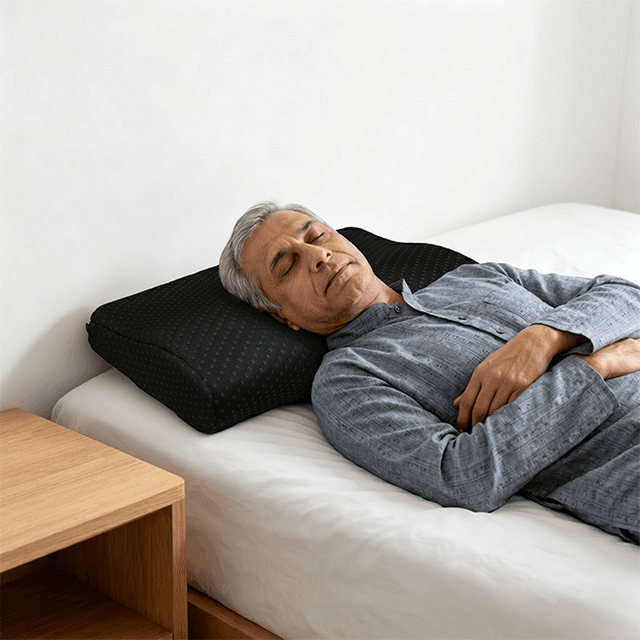
When considering the sleeping arrangement, don't focus solely on the wedge pillow, also think about other items in the arrangement if your parent already experiences reflux, discomfort in the neck or back. A cervical pillow like the AGEasy Cervical Pillow can be used in conjunction with wedge pillows to provide the necessary support to the head and neck at the desired angle, which helps to alleviate the discomfort or stiffness that often occurs in the neck due to the adjustments in sleeping position. For parents that spend time reading or watching television in bed before sleeping, lumbar back support cushions, such as the AGEasy Lumbar Back Support, promote comfort during that transition, making the inclined position less of an adjustment and more of an added comfort.
When to Consult a Physician
Keep track of your parent's reaction within one or two weeks after implementing the changes. Signs that the adjustments are working are less frequent coughing, less throat clearing, and a more quiet, calm, and uninterrupted sleep. If your parent continues to experience burning, coughing, and sleep interruptions despite the aforementioned loose-fitting clothing, proper sleeping position, and earlier dinners, a physician should be consulted. A physician can evaluate persistent nighttime reflux to determine if there are any underlying medical issues that require more than just lifestyle modifications. Frequent nighttime reflux can cause damage to your parent's esophagus if left untreated for months or years, so it is a symptom that should be addressed in a timely manner.
Adjustments to your parent's sleep routine can often provide more relief than adjustments to diet. Try changing their sleep position, providing additional support, and shifting the timing of their last meal. When combined, these modifications give your parent's digestive system a greater opportunity to rest throughout the night, which is often what quality sleep for aging adults boils down to.
Recommended Blogs













You May Also Like
 No products found
Article by:

Aryan
Article Category:
Cushions & Pillows