

Winter Air Pollution and Ageing Lungs: The Indoor Protocol for AQI 300+ Days in Delhi-NCR
Article by: Yuri
Article Category: Breathing Care
Aug 23, 2026
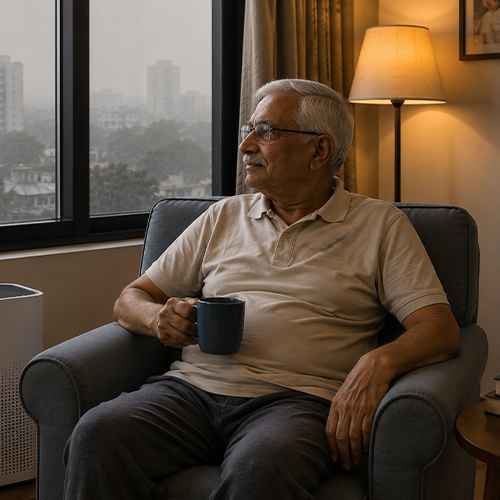
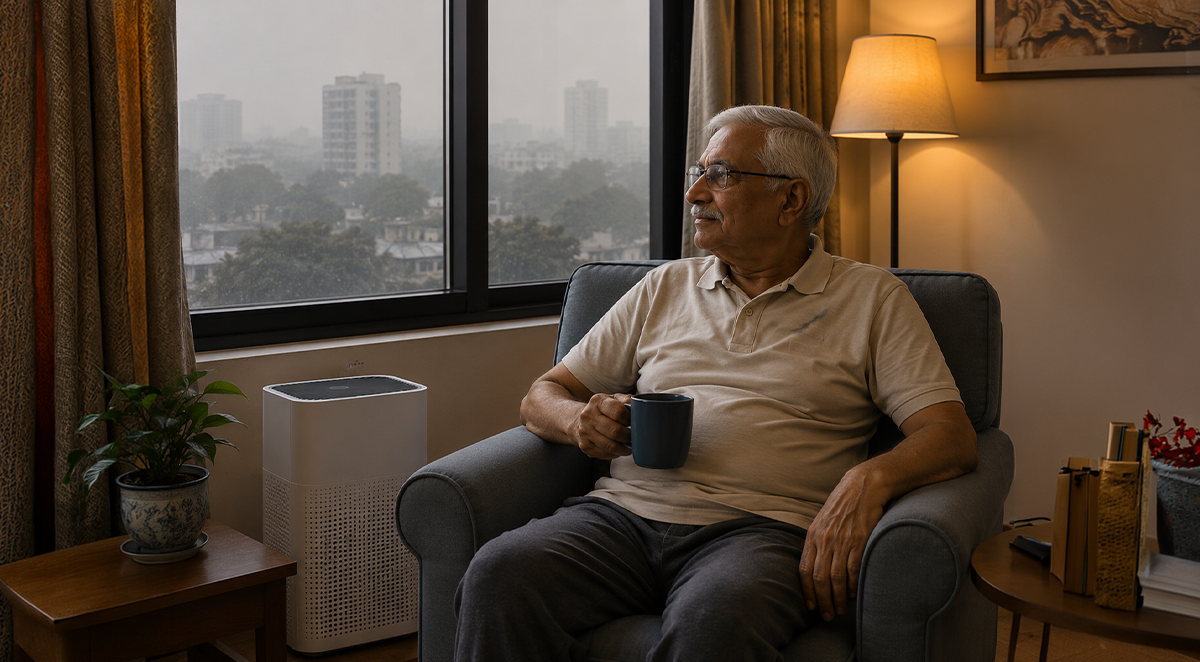
For people living in Delhi-NCR, an AQI (Air Quality Index) reading of 300 and above is considered severe. For elderly folks, this distressing number can signal the presence of air pollution containing PM2.5, a type of particulate matter, i.e., 2.5 micrometers or less in width, which can threaten the health of your loved ones. It can result in an aggravation of cardiovascular disease and worsen symptoms of chronic pain, causing a serious health consequence for the older people who suffer from chronic obstructive pulmonary disease (COPD), asthma, heart disease, and other chronic conditions.
Staying indoors during AQI spikes is a good start, but it is necessary to keep windows and doors shut to prevent the entry of polluted air from outside. Care must be taken to lower indoor air pollution by avoiding smoking and frying, keeping air incense far away, and doing household activities in an open room.
Designing a simple routine will help families act in a more organized way. To improve the air quality at home, you have to close windows and stay in a room with pollution filters during the worst hours of the day. Avoid frying during these hours and use an air purifier, if possible.
The Vulnerable Population
Chest wall flexibility and lung strength decrease with age. The irritation that comes with pollution makes it hard to recover. Older persons with asthma, COPD, diabetes, heart disease, lung infections, etc. should receive special attention if they have breathing symptoms that need medical attention as they require more protection.
Fine particulate pollutants, especially PM2.5, can penetrate deeper into the lungs, causing cough and irritation in the throat, chest, and airways. This can lead to difficulty in breathing, tiredness, and headaches. People with other lung conditions may experience some of the symptoms mentioned above.
Pollution can also put a strain on the cardiovascular system. If a parent has high blood pressure, an irregular heartbeat, or heart problems, they should carry on with their doctor's advised treatment and not step out on days having bad AQI.
Set Up One Cleaner Airtight Room
Choose one bedroom or sitting room with clean air. This room should be away from the kitchen, balcony, smoky or incense burning areas. The room's doors and windows should not face any outdoor polluting sources.
Seal windows and doors well during severe air pollution. Avoid using any fans that will pull outdoor air into the room. Set the AC to recirculate mode.
People should consider using an air purifier for a closed room. Choose an appropriate sized air purifier and keep a clean HEPA filter. Do not install the purifier against a wall, a corner, or near any piece of furniture.
An air purifier does not eliminate all pollutants. Thus, it should not be relied upon to replace normal clean air periods, vacuuming, cleaning, avoiding home smoke, or medical treatment.
Deciding on the Right Time to Open Windows
Short periods of window opening are advisable if there is a drop in outdoor pollution, for example, after a rainfall, or during the cleaner part of the day. Check the AQI (Air Quality Index) before opening windows.
Keep windows closed during peak hour traffic, in the presence of dense smog, during construction activities, and smoking. If the house becomes stuffy, open the house windows for a while and use a purifier.
Pollution Sources Around the Home
Several activities that we perform in our daily lives contribute to air pollution in our homes. When AQI is above 300, ensure the following:
- Avoid the use of incense sticks, dhoop, and mosquito coils.
- Close the doors of the house and keep smokers (including vapers) outside the house or in separate rooms, and completely away from open windows.
- When cooking, use the exhaust fan, and close the kitchen if possible.
- Avoid dry dusting and use the wet mopping method instead.
- Postpone strong emission activities, like pest control measures and paint removal, to a later time.
- Avoid the mixing of cleaning liquids.
Careful Consideration for Movement and Exercise
This is the worst time for outdoor walks, visits to the park, and other physical activities. These activities increase breathing rate, which results in inhaling more polluted air.
Help your parents stretch and do gentle exercises with short, indoor walks. Chair exercises are also great because they help to engage your parent's muscles. If your parents get tired or lack the breath to continue, you should immediately stop activities. People suffering from heart or lung disease should talk to their doctor to determine an exercise routine.
You should avoid taking your parents outside if it really isn't necessary, but if you really must go outside, take a short route that's away from construction and cars. An N95 mask will protect your parents from particles more than a loose cloth mask. An N95 mask should fit over the bridge of your parent's nose and is effective, but it should be replaced when it gets wet, dirty, or difficult to breathe through.
Adhere to the Prescribed Treatment
Wearing a mask will not remove the need for prescribed medications. Place all regular medications near your parents (inhalers to heart medications), so they are within their reach. Check the dates to verify if they are still valid, and ensure that they are taken properly.
If your parents have an inhaler, speak to your parent's doctor or pharmacist to verify whether your parents are using it correctly. Poor techniques will waste the medication. Never start on antibiotics, steroids or a new inhaler without medical intervention.
Taking blood pressure readings at home shows how much care each family member has for each other's health as well, especially during high blood pressure and hypertension. AGEasy also has an arm blood pressure monitor that would be beneficial to families. Record the date, time and symptoms, if you observe any abnormal blood pressure readings. Health readings will assist your parents in having a discussion with their health care practitioner. Home readings should never be replaced with professional care.
For older adults with diabetes, an AGEasy CGM Sensor can help with tracking glucose on a routine basis as part of their diabetes care plan. People, including older adults, may experience changes to their glucose levels during pollution episodes due to illness, less activity, poor sleep, and changes in meal patterns. Use the device based on the prescribed plan and alert your diabetes care team if your readings are outside the prescribed range.
When to Call for Help
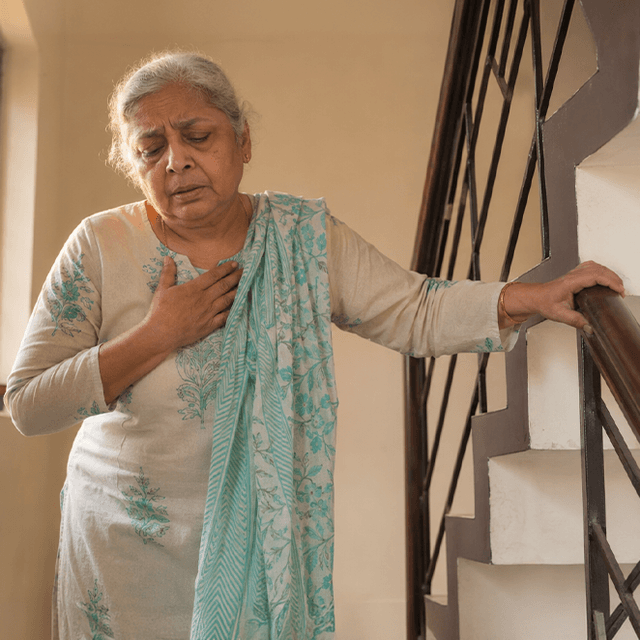
Call for help if your parents start to show signs of sudden breathing problems, chest pain, blue-gray lips, confusion, fainting, or weakness or if they have trouble speaking due to breathing problems. Call for help if the symptoms come on suddenly and if they worsen rapidly.
Call your older parent's doctor if they continue to have breathing problems with a cough, tightness in the chest, wheezing, weakness, or if they feel unusually tired. If your parents have COPD or asthma, they should follow an action plan if one is available.
Readings on a pulse oximeter may show that your parent is OK. The reading may become normal at the early stage of a problem. Do not neglect symptoms if they have cold fingers or poor blood circulation. Results may also become abnormal due to the pulse oximeter not being still.
Create a Pollution Routine for the Family
Write down information including your parent's medications, doctor's contact information, known triggers for your parent, and common symptoms. Prepare a central location that contains all the above resources as well as masks, medicines, drinking water, and cleaning supplies.
An indoor routine can help lower exposure to pollutants in Delhi-NCR during the worst periods of pollution. During the worst pollution episodes, aged persons need to minimize outdoor activities. This is because the protection from polluted air may be enhanced by good indoor air quality, the absence of smoke, regular treatment, medical care, and cautious activities.
Note: This article is for general information and does not replace advice from a qualified doctor.