
Can a Nebulizer Help With Cough, Wheezing & Pneumonia? What It Treats and What It Doesn't"
Aug 12, 2026
When breathing becomes hard, you will reach for anything that might provide support. A nagging cough? An unexpected wheeze? A chest feeling heavy? Most families ask, "Should we try a nebulizer?"
It's a reasonable question to ask. But let's be honest here, a nebulizer will not fix everything. It will not quiet every cough. It will not treat the infection, clear the nose, or undo the problem. It will, however, provide medication to the lungs when used appropriately. A nebulizer doesn't provide relief by itself. It delivers medication. If that medication is a fast-acting bronchodilator, it can quickly relieve asthma-related wheezing and shortness of breath. If no appropriate medication is used, the nebulizer alone won't solve the problem.
This doesn't mean that nebulizer is of no use. It is simply trying to solve the correct problem. If you are trying to understand what a nebulizer does for a cough, a child's wheeze, bronchitis, pneumonia, or something else, this guide will help.
Nebulizers are great for treating some things and other things are left untouched. If you're wondering if a nebulizer is the right call or just the most available option, this guide is for you.
What a Nebulizer Actually Does
Think of a nebulizer as a delivery system, not as a treatment itself.
Liquid bronchodilators, steroids, and saline. These medications are turned into a mist so you can breathe them in from a mouthpiece or mask. The mist will go through your airways and directly to the lungs, skipping the digestive system, which is important because many medications for the respiratory system only work if they go exactly to the area of the problem. It is not very effective to take a pill in the hope that it will get to the inflamed bronchial tubes.
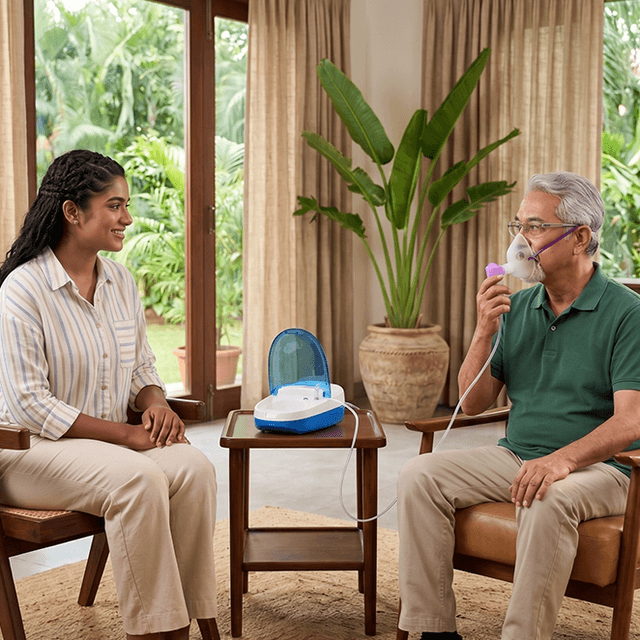
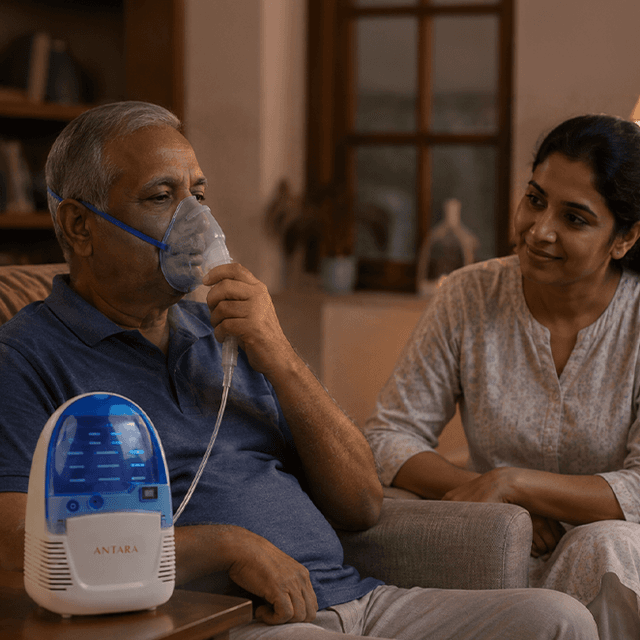
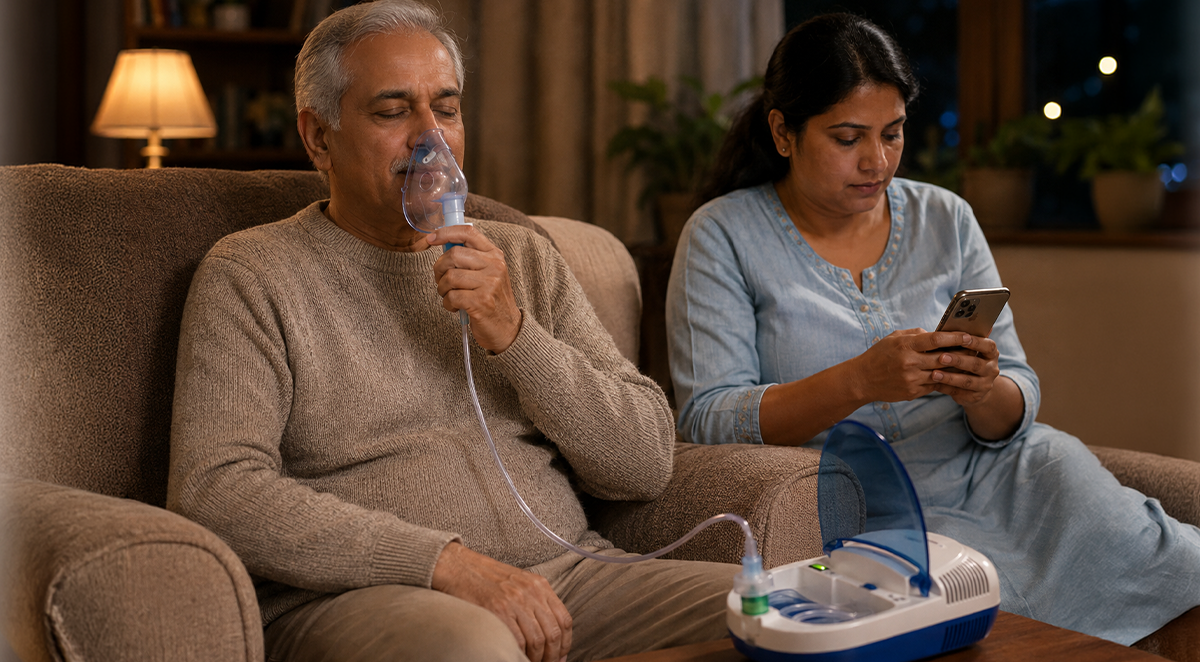
A nebulizer avoids that problem. It also makes things easier for people who have difficulty using an inhaler which can include children, seniors, or people who are having a severe breathing episode. With a nebulizer you don't need special techniques. You just need to breathe normally. The machine will do all the work. This is where you will get the most benefit. A nebulizer will deliver a bronchodilator medication and within a few minutes will relax the tight muscles and open the airways to allow for easier breathing. Young children and seniors in particular can rely on a nebulizer to help prevent emergency room visits. Use of a nebulizer is essential for managing COPD as well.
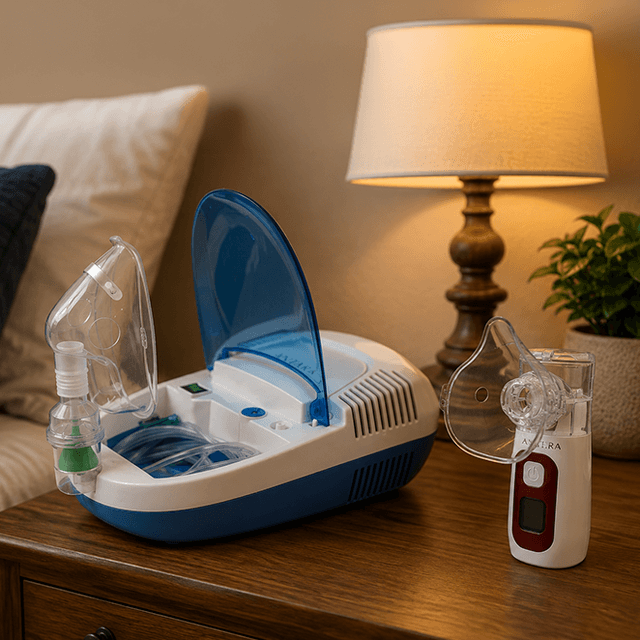
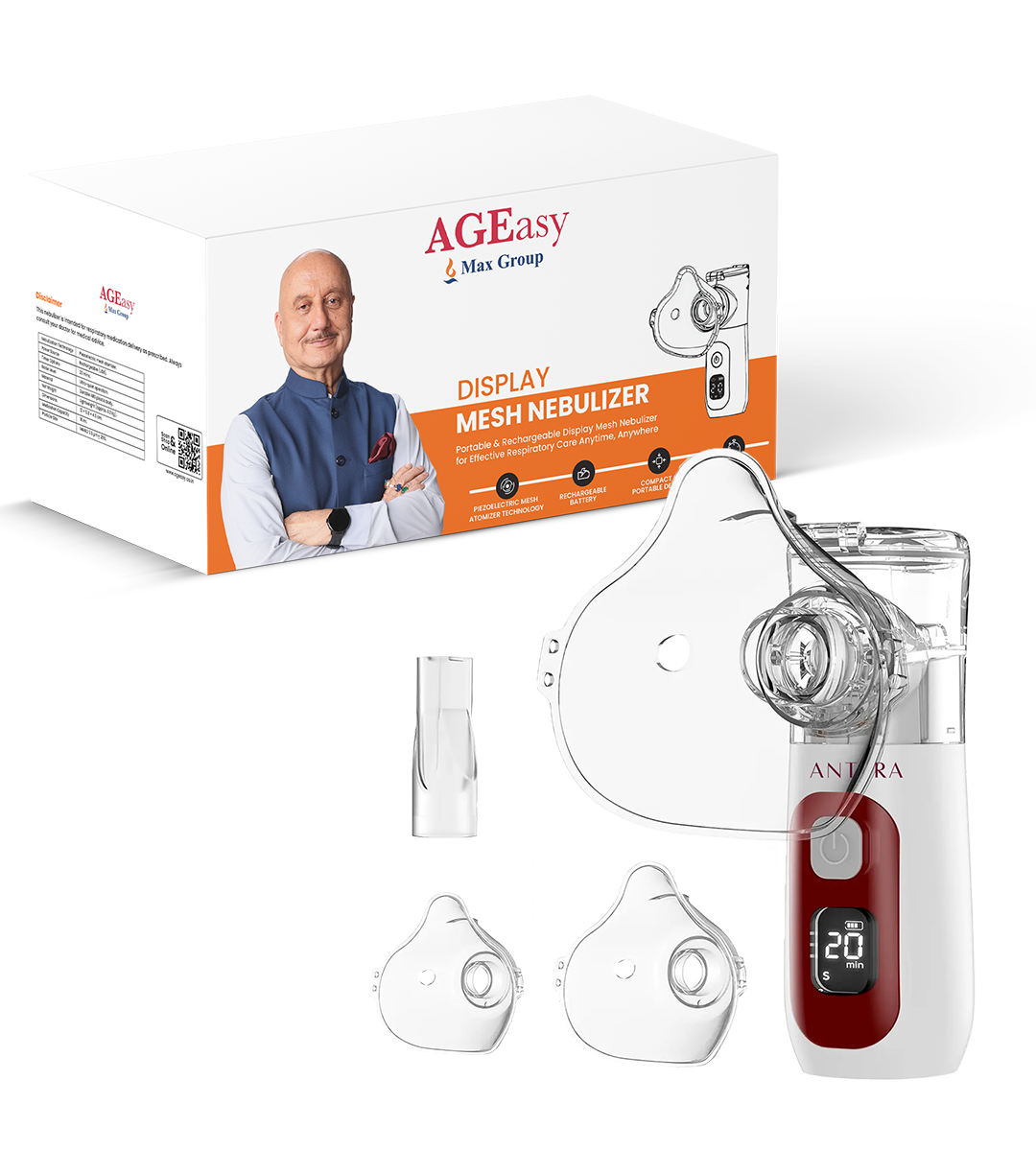
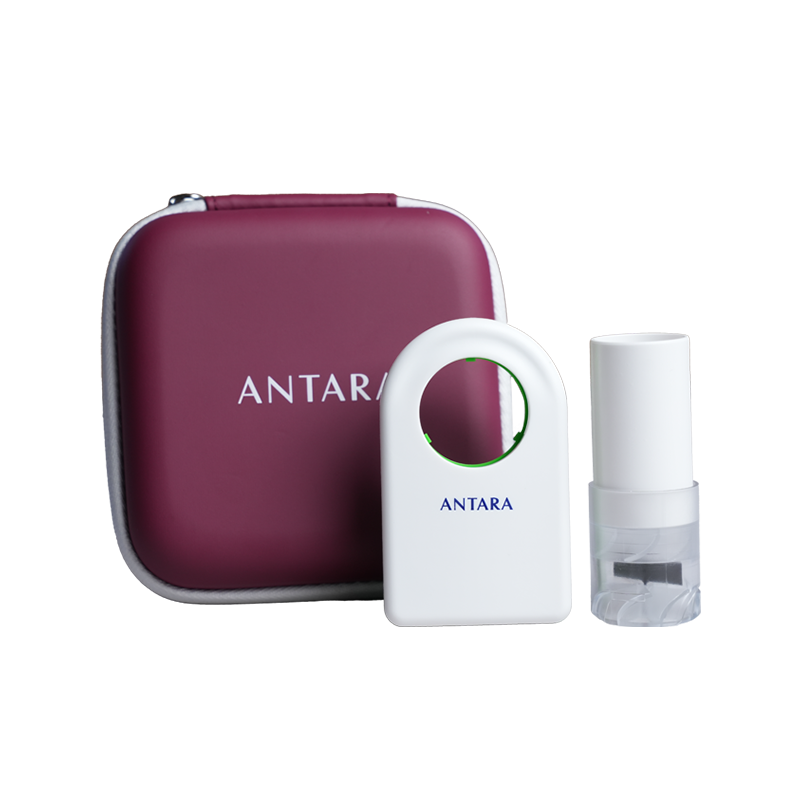
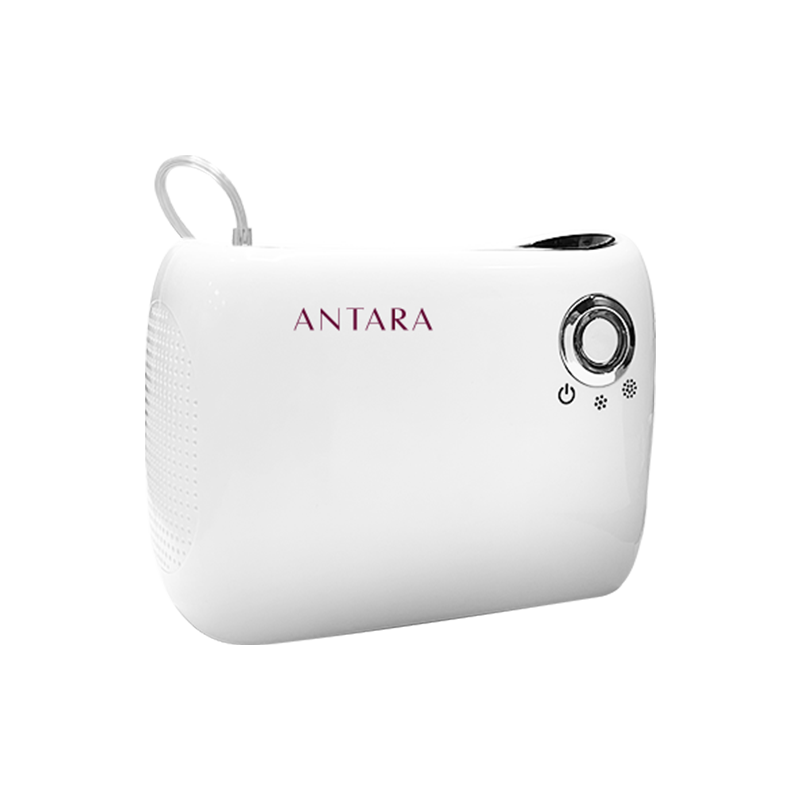
While damage from COPD can never be reversed, the use of nebulizers in combination with bronchodilator and steroid medications can manage symptoms, reduce flare-ups, and improve daily quality of life for breathing. For those caring for parents with elderly COPD, home nebulizers can become as much of a daily routine as blood pressure medications and morning walks. When it comes to devices that provide these therapies, the AGEasy Compact Mesh Nebulizer is specifically designed for quiet and simple operation. This is particularly important for individuals with breathlessness and anxiety.
Bronchitis (Chronic, Not Acute)
It is important to realize the difference between acute and chronic bronchitis. Acute bronchitis is the type of bronchitis you can get after having a cold. Almost always this type of bronchitis is caused by a virus, and in this case using a nebulizer will not change the course of your illness. It will not kill the virus, and, if your airways are especially irritated, it may provide some relief, but it is not doing the bulk of the work. Chronic bronchitis is a separate condition that falls under the umbrella of COPD. This condition is characterized by the persistent inflammation of the bronchial tubes. In cases of chronic bronchitis, the use of nebulized medications can help to manage ongoing irritation and reduce the frequency of severe episodes.
Croup and Pediatric Breathing Distress
Young children suffering from croup may be the first patients to encounter a nebulizer. The combination of a barking cough and labored breathing is alarming. In some clinical situations, the use of nebulized epinephrine or budesonide is used to quickly reduce croup-related inflammation.
At home, plain saline nebulization can help keep the airways moist and loosen mucus, giving some relief even when there are no prescriptions available.
Severe Allergic Airway Reactions
If allergens cause a major narrowing of the airways which antihistamines cannot address, then nebulized bronchodilators can provide some relief to the constriction while the allergic response is treated. This is especially the case for people suffering from allergic asthma, where both conditions are present.
When a Nebulizer Won't Help (And Might Even Delay the Right Care)
This is the section that most guides tend to overlook. And yet, it is important.
A Common Cold or Viral Cough
Your body's attempt to clear debris (i.e., dead cells, mucus, and irritants) will be accompanied by a cough following a common cold. While this can be annoying and frustrating, it is not a sign of a respiratory illness. A nebulizer will not help you get better faster. When your airways are clear, inhaling the medicated mist can just create the illusion that you are doing something, when, in reality, you are just adding a step to the process. Adequate rest, proper hydration, and patience is the best medicine here.
Pneumonia
This condition refers to an infection, whether bacterial or viral, that permeates lung tissue. A nebulizer cannot penetrate that tissue. Therefore, it can only deliver medication to the airways, while ignoring the sites of infection, which are the alveoli. If a person with pneumonia has asthma, then a nebulizer might manage the airway part of their condition, but it will not manage pneumonia. Managing pneumonia requires antibiotics (if bacterial), some cases of pneumonia will require antivirals, and that will be under medical supervision.
Patients often make the mistake of using a nebulizer to treat their pneumonia.
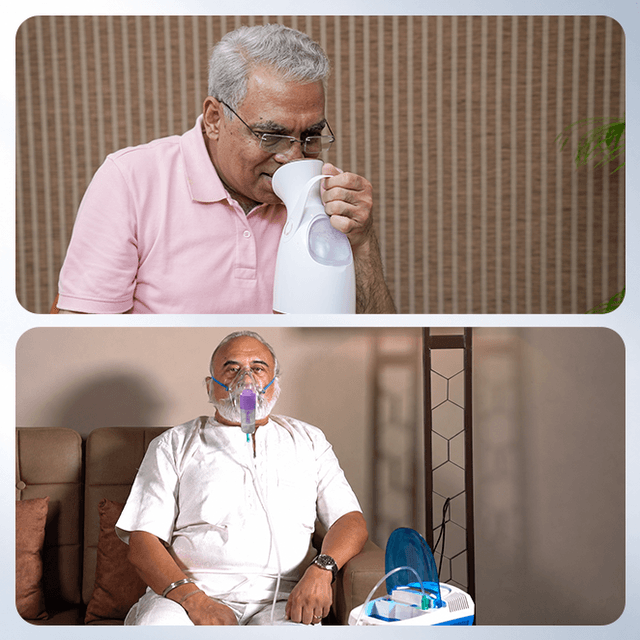
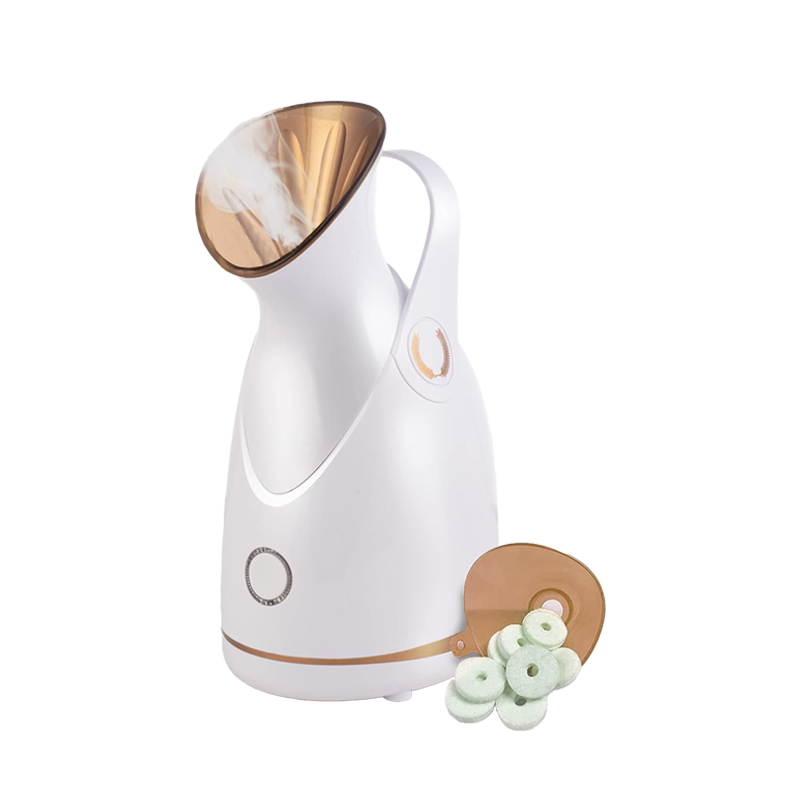
Nasal and sinus congestion is located above the airways and therefore a nebulizer is ineffective in clearing these types of symptoms. Instead, a steam inhaler, saline nasal spray, or warm compress is a means to manage these types of upper respiratory symptoms.
Acid Reflux Cough
Persistent coughs, especially in adults, is often an undiagnosed case of acid reflux. Because the reflux is irritating the throat and driving the cough, no nebulized medication will address the issue. If your cough gets worse after eating, when lying down, or first thing in the morning, discuss the possibility of reflux with your doctor.
The Senior Factor: Why Nebulizers Matter More as We Age
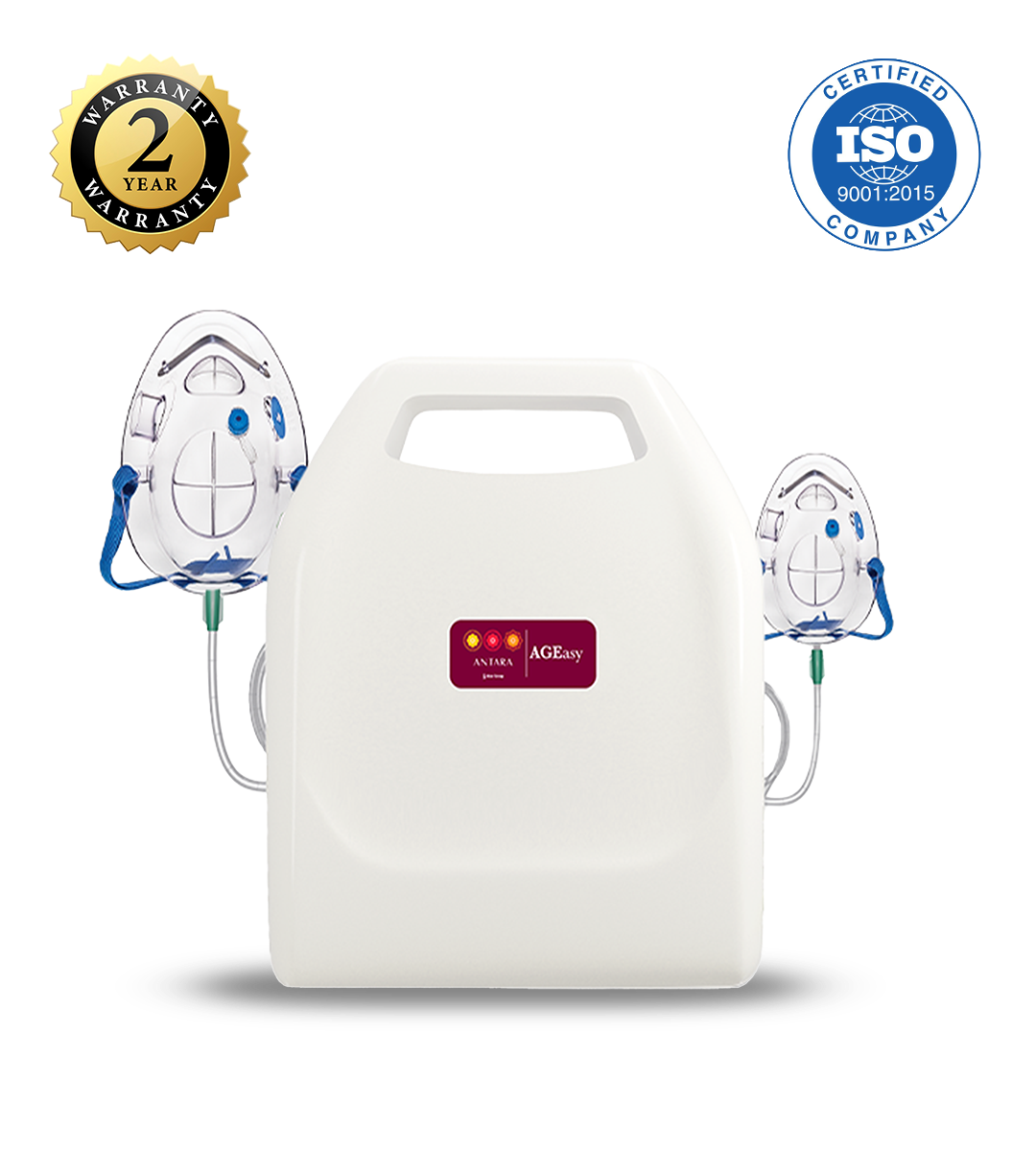
As we age, respiratory conditions become more complicated due to a natural decline in lung capacity, cough reflex, and mucous clearance. Conditions such as COPD, chronic bronchitis, and age-related asthma become more prevalent. For this reason, nebulizers are more advantageous, especially for the elderly, as using one does not require any technique. You don't need to coordinate your breath with a spray; you don't need to hold your breath. You simply sit and breathe. That is exactly why AGEasy has chosen a variety of user-friendly nebulizers.
Mesh nebulizers have some key benefits for customers who appreciate portable technology that can be used without a caregiver's assistance. This is especially helpful for seniors who want to retain their independence yet require nebulizing therapy.
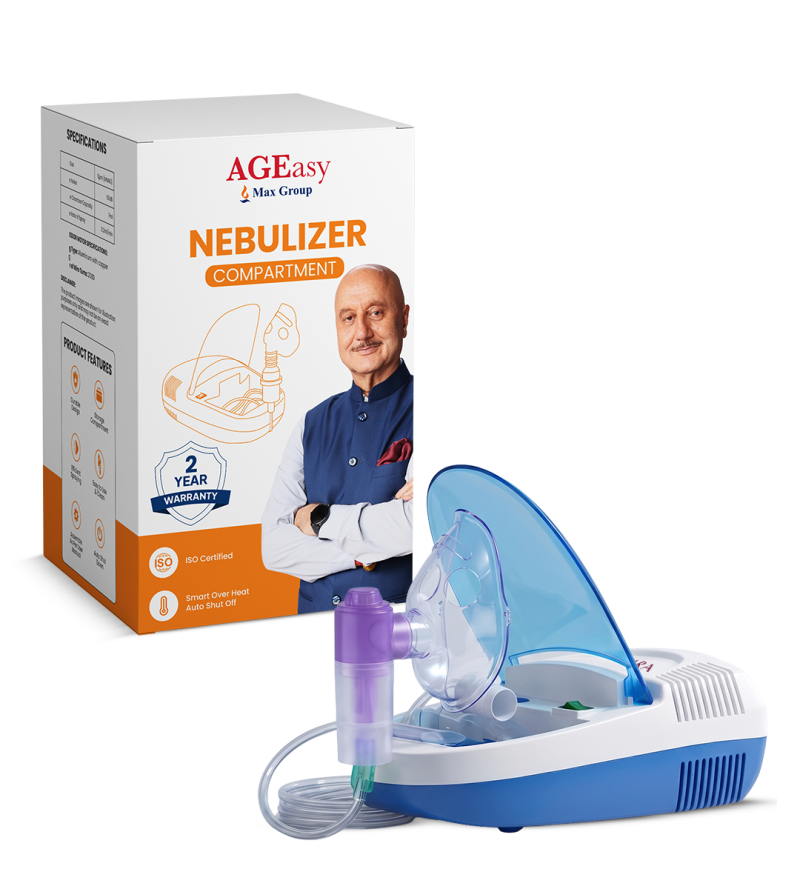
With respect to inhaler vs nebulizer, both devices have pros and cons, so neither is better. For patients with mild to moderate asthma, inhalers are ideal because they are portable and can be used quickly, and because they are easy to use with asthma that is well controlled. However, inhalers do require a specific technique that may be difficult for patients experiencing an asthma attack. In comparison, traditional nebulizers are not portable, but they are easy to use and can be used by patients of any age. This is especially helpful for preschool children, individuals with arthritis or other conditions that result in diminished grip strength, and patients currently experiencing an acute exacerbation of their condition.
It is not unusual for patients with chronic respiratory diseases to use both types of devices. Inhalers are used for daily maintenance medications and rescue medications, while nebulizers are used during exacerbation of their condition and for intensive therapy at night.
Before you purchase or use a nebulizer, there are a few things you need to know.
- First, you need to have a diagnosis. A nebulizer is an attachment. Without knowing what medication needs to be in the nebulizer, your doctor must be consulted before you get a nebulizer. It will sit unused without your doctor's orders and prescribed medication because saline is not an alternative therapy to prescribed medication. Saline can help loosen mucus and soothe irritated and dry airways, but it is not a treatment for asthma, COPD, or any other respiratory condition.
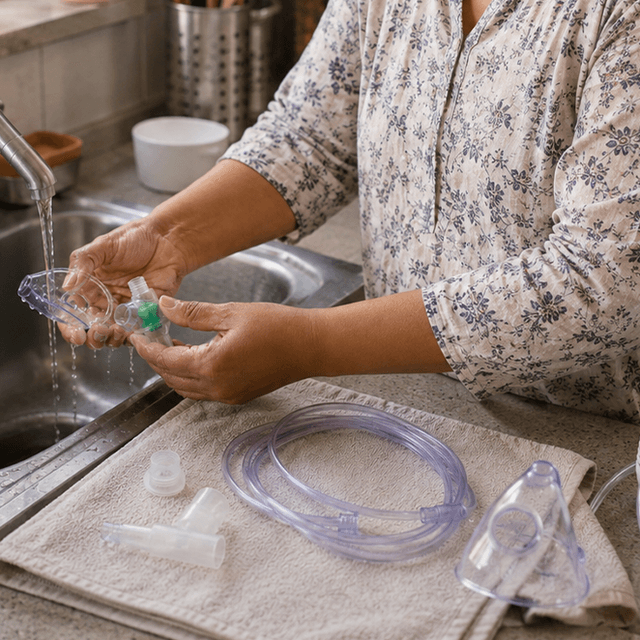
- Don't use it as one. Keep your nebulizer clean. An unclean nebulizer can introduce bacteria into the lungs, which is the last place you want them to go. Be sure to rinse your nebulizer after each use, clean it deeply on a regular basis, and replace the parts on a scheduled basis.
- Consider upgrading to a mesh nebulizer. Older jet nebulizers are clunky and noisy. However, modern nebulizers use mesh technology, which allows them to be quieter as well as more efficient. Modern nebulizers also convert less medication into inhalable mist, therefore wasting less medication.
The Bottom Line
You can have a nebulizer at home, but it can be one of the most useful respiratory devices in the right hands, and for the right condition. For elderly individuals who have been fighting for every breath, a nebulizer can make a world of difference. A nebulizer can also turn a dangerous flare-up into a manageable one at home instead of an emergency.
However, a nebulizer is not a universal solution. It won't help with a viral cough or treat a pneumonia infection. A nebulizer won't help if your nose is blocked. Using a nebulizer instead of seeking an actual diagnosis and treatment can also delay the care that actually helps.
When setting up respiratory care for an elderly parent or a child with recurrent breathing problems, consider that good home healthcare is more than just having a machine. It's understanding when and how to use it.