

Banana for Constipation: Ripe vs Raw — Why It Can Backfire
Aug 24, 2026
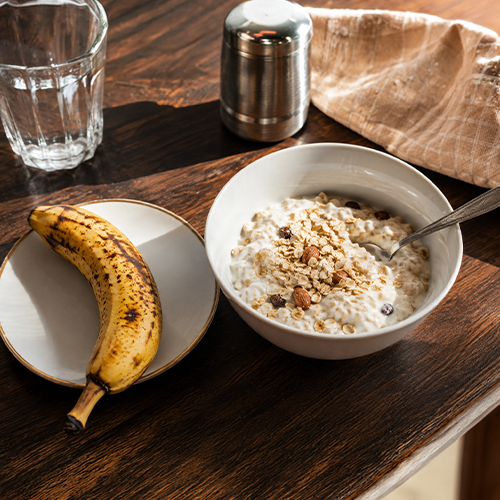
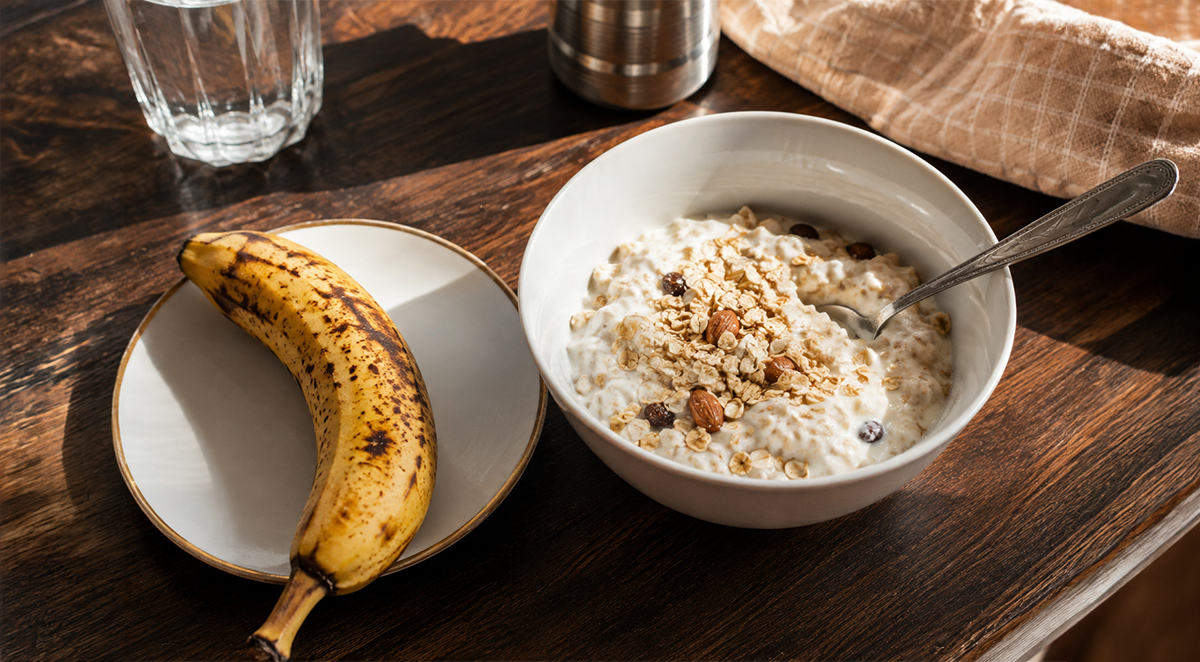
When parents reach a certain age, and develop constipation, the doctors often tell you to give them bananas.
There is a reason doctors tell you to give your parents a banana. Bananas are soft, and therefore, easy to eat, and are also conveniently available to most people. This, however, doesn't mean you can use any kind of banana.
It makes sense to use the ripe bananas because as bananas ripen, their starches change, and one of those changes is a decrease in resistant starch.
There are healthy foods which do not help with constipation.
Whether using bananas that are not ripe or using it to treat constipation caused by other reasons, your parent could also end up with hard stool, lots of bloating, and discomfort. It could also delay the treatment of constipation.
This guide explains how the ripeness of a banana changes its digestibility, how ripe or raw bananas can be part of a diet for constipation, and when constipation becomes a problem that requires frequent visits to the doctor.
How Banana Ripeness Changes Digestion
An unripe banana has more resistant starch. Resistant starch is not completely digested in the small intestine. It then goes to the large intestine to be broken down by bacteria.
Resistant starch is different from easily digestible starch of ripe bananas. Eating a culprit of resistant starch like an unripe banana can make some people feel uncomfortable and bloated with lots of gas.
As a banana ripens, some of its starch changes into sugar. This process makes the banana softer and sweeter. Because of this, a ripe banana is less chewy and can be useful for some elderly people who struggle to eat due to softness of their teeth, loss of appetite, or difficulty swallowing.
A ripe banana will not act as a laxative. Even though a banana provides fiber, you should not consume only a banana to satisfy your fiber needs for the day.
Ripe vs. Underripe Banana
A ripe banana can satisfy your elderly parent's need for a soft, easy to eat food. However, it could also be eaten as part of a meal with other foods containing fiber, such as oats and curd. To increase the fiber content of a meal, other whole foods that contain fiber, such as nuts, could also be eaten.
An underripe banana can provide more fiber to the diet. However, the ability of one food to act as a laxative is unrelated to the amount of fiber it contains. If your parent has slow digestion or is feeling bloated, an underripe banana will make all of your parent's symptoms worse.
Even the level of resistance starch of an underripe banana is unsatisfactory. Green bananas generally have more starch.
For most families, ripe bananas would be the least offensive option to start with. You should see how your parent's stools react to this change as well as how your parent feels over the next few days. Pay attention to all of your parent's symptoms, as food's effect on the body can be greatly different from person to person.
Constipation Has Multiple Contributing Factors
The reasons why a person becomes constipated can be varied and complex and are not solved by one food.
Low Fluid Intake
Increasing age leads to a decrease in water intake. Reasons include a dulled thirst response, fear of having to fully empty the bladder, restricted movement, and dependence on a caregiver.
Hard and dry stool is one of the effects of a lack of water. It’s suggested to drink water, slowly, frequently, throughout the day unless the doctor has advised against it for specific kidney, liver or heart related issues.
Low Fiber Intake
Fiber helps move food through the digestive system, and is found in fruits, vegetables, beans, grains, and oats.
To avoid bloating and even more constipation, do not increase fiber intake drastically, especially when fluid intake is low. Fiber should be increased slowly.
Reduced Movement
Walking, as well as safe movement, promotes normal digestive system activity. Older adults who spend too much time sedentary should try to go for a short walk after each meal, do chair exercises, or do any indoor movement.
The type of movement should be based on your parent’s strength and balance, as well as health concerns. After an injury or illness, a physiotherapist should form a safe exercise plan.
Medication Side Effects
A number of medications cause constipation, such as opioids, antacids, iron, some blood pressure and bladder medications, and some antidepressants.
Constipation is a side effect of a number of medications. Do not make changes to your medication regimen without a doctor’s advice. Make a list of every medication, supplement, and over-the-counter products used. A doctor or pharmacist can review the list and suggest safer substitutions.
Changes in Bowel Habits
Bowel habits may begin to change; however, if you experience changes that last over a period of weeks, it is time to consult a doctor. Including some information about the symptoms of straining to pass bowel movements, feelings of incomplete emptying, very hard bowel movements or the repeated use of laxatives, will help your doctor provide you with some answers.
How to Add Banana to a Constipation-Friendly Diet
Bananas are a great addition to your diet, as long as you don't overdo it.
The addition of bananas to your breakfast, lunch or dinner is always considered a healthy option. Consuming them with foods that have a high fiber content such as curd, will give you an added advantage.
One banana is more than enough. It is also pivotal that you do not replace your high fiber, high protein whole grains such as oats in your diet.
It is best to introduce foods as supplements to your diet.
If you begin taking a host of new supplements with an increase in your fiber intake and changes to new activities, you may have a hard time pinpointing the cause to discomfort of bloating.
When a Fibre Product Might Be Relevant
Some older adults still have problems associated with a low fiber diet despite meeting the professionals dietary guidelines and recommended fluid intake and activity levels. Gut motility, some medications, and delayed muscle coordination with the bowel may be some of the reasons.
AGEasy Consti Calm is a gut-health product, a formula containing extract of kiwifruit, prebiotic fiber, jeera, ajwain, and mulethi. Each formula is sold in single serving sachets that dissolve in water. Consti Calm is sugar-free and gluten-free.
This product should not be used in place of a medical evaluation. If your parent has kidney disease, heart failure, diabetes, difficulty swallowing, unexplained weight loss, or a history of bowel obstruction, have them evaluated by a doctor or pharmacist prior to use. Use is also warranted for a parent who has numerous medications.
Use as directed with professional recommendations. Reduce fluid intake according to your parent’s limitation.
Do Not Ignore Warning Signs
If your parent has worsening or new, severe abdominal pain, repeated vomiting, inability to pass gas, swollen stomach, blood in stool, black stool, fever, confusion, constipation, or fails to use the restroom, seek urgent medical care.
Any new constipation should be evaluated by a doctor.
The medicine may cause constipation. Avoid all fibre, fruit, and home remedies until symptoms resolve.
Banana is ripe when its skin turns yellow with brown spots. Constipation may develop. This does not mean a banana can be a permanent constipation solution.
An underripe banana has more resistant starch, but some people get more gas and bloating from these. Generally, a ripe banana works better when eaten with other foods in a meal like oats, pulses, vegetables, seeds, and adequate fluids.
The best approach combines food choices and a review of hydration, movement, medications, bowel habits, and medical symptoms. Give this a try, and, if you continue to get constipation, then please see your health care provider.
AGEasy Consti Calm might be good to consider for this plan for some adults, but health care provider advice has to come before this.
Disclaimer: This article provides general information and should not replace individualized advice from a doctor or qualified healthcare professional.