

Bunions, Aching Arches, and the Shoes - Why the Wrong Shoes Make Foot Pain Worse
Jul 9, 2026
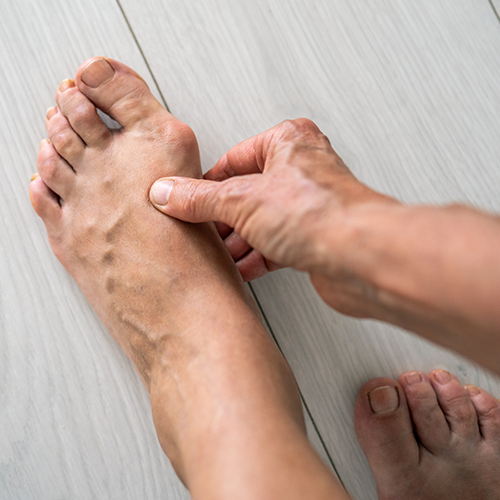
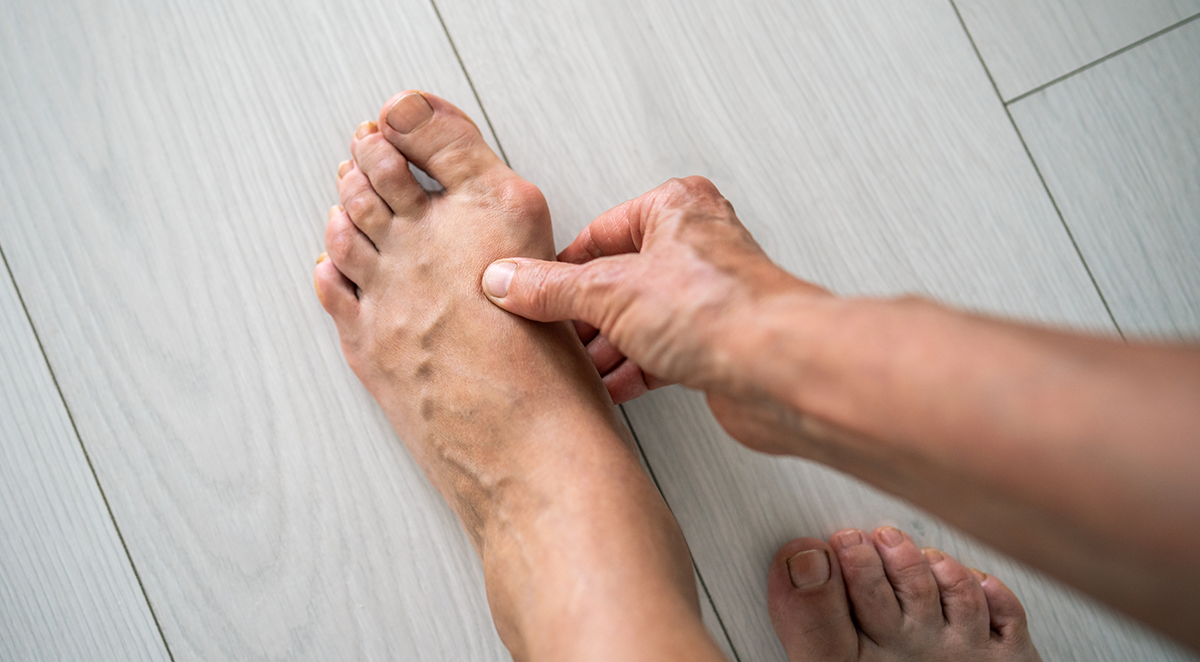
Foot pain can be associated with a bunion, which occurs when the big toe crosses over the adjacent toe causing the joint at its base to protrude outward. The process of developing a bunion is exacerbated by the use of shoes that are narrow and tight. These shoes can apply direct pressure on a bunion, and also cause the toes to be positioned unnaturally with each step. Eventually, this pressure causes joints to become inflamed, and a mild bunion ache can become a chronic condition.
Foot pain caused by falling or aching arches also follows the same pathway. The arch of the foot is designed to act as a shock absorber and distributes the pressure of an entire body evenly across the foot. This shock absorbing function is negated by the use of flat shoes or shoes with no arch support. When a flat shoe is worn, every step allows the entire body weight to be driven into the heel and balls of the feet. In addition, the arch has muscles which are designed to help support the arch, and this causes the muscles to become over-utilized and fatigued. When this type of strain occurs the body can manifest the strain as soreness, fatigue, and an unwillingness to stand or walk for extended periods of time.
Many seniors also may switch to soft slippers or old sandals because they feel gentler on sore feet. This choice often can be counterproductive, as the lack of support in the shoes can lead to unstable footing, and cause the joints to be stressed and increase the likelihood of falling.
How to Choose Footwear to Keep Your Parent's Feet Healthier
Shoes that are well fitting can help change the way your parents walk, stand, and move activities throughout the day. When selecting shoes, it is important to look for the features that will help provide comfort to aging feet.
- Wide toe box - The front is spacious enough to alleviate pressure from bunions and allow the toes to splay naturally and avoid crossing each other.
- Cushioned, contoured footbed - A footbed designed to the arch shape will allow even distribution of pressure, therefore, reducing the stress on the muscles that are fatigued. Some AGEasy customers use this type of footwear with the AGEasy Comfort Foot Knee Cap, which provides gentle support to the foot and lower ankle, helping to stabilize while walking and reducing the pressure on the painful joints.
- Firm, non-slip sole - The anti-slip rubber sole provides traction on tiles, wet surfaces, uneven pavement, and other surfaces to minimize the risk of falling.
- Low, wide heel - A shoe with minimal heel height shifts the body's weight forward and reduces the load on the ankles and knees.
- Adjustable closures - Velcro straps and elastic laces offer the possibility of adjusting the fit to accommodate swelling, which can occur during the day. This is not the case with laces that are rigid or with shoes that are designed to be slipped-on.
- Breathable material - Heat and humidity cause swelling in the feet. Air circulation, mesh, and soft leather upper materials reduce swelling and irritation and lower the risk of developing a fungal infection.
Once you know what to look for, it only takes a few minutes to look at your parents' current shoes. Press a thumb along the edge of the shoe where the big toe is. If the fabric bends out or is tight, the shoe is too narrow. Look for shine or wear marks on the inside of the sole. These marks correspond with areas of chronic skin irritation, such as the red marks or calluses that develop from repeated rubbing.
Simple Changes That Make a Real Difference
After a few weeks, small changes will make a noticeable difference for the better.
- Replace shoes every 8 to 12 months. The cushioning and support in the soles of shoes starts to break down long before the exterior of the shoe looks worn out. Even if a shoe feels supportive at six months it will likely feel "flat" by ten months.
- Shop in the afternoon. Feet swell slightly throughout the day so fittings in the afternoon give a better estimate of how the shoe will feel during day to day activities.
- For walks, knee or ankle supports can add stability. The foot knee cap from AGEasy Comfort can help redistribute pressure away from painful areas like a bunion or arch.
- After activity, apply a pain relief gel. AGEasy Pain Relief Gel is made with turmeric, clove oil, and menthol. It offers a cooling non-sticky option to relieve soreness in the feet, ankles, and calves after walks or after a long day of standing.
- Use walking aids on rough surfaces. Devices like the AGEasy Quadbase Elite offer more support than a single-point cane, taking pressure off a sore foot while walking, as well as being useful for traversing up and down stairs.
- Switch between two pairs of shoes. Having to put on different shoes will allow cushioned inserts to decompress as well as spread the impact of pressure from standing or walking over a wider area.
- Daily checks on your feet. Each day, set aside a few moments to check for any signs or symptoms that may be indicative of serious medical concerns, such as blisters or skin infections. For seniors with diabetes or poor circulation, these types of infections are extremely dangerous.
With a few simple changes to these individuals' daily routine, steps can be made to improve mobility that are evident in more steady walking and longer distance walking.
Watching for the Signs That Need Medical Attention
Foot pain, especially with the elderly, is a signal that there may be something underlying more serious than problematic footwear. Any wounds that do not show significant signs of healing within a week are particularly problematic, especially with diabetic patients due to the risk of developing serious medical conditions from unnoticed small injuries.
If your parent's bunion pain worsens regardless of the type of shoes they are using, or if the arch pain is extending to the heel or the ankle, a podiatrist will determine if custom orthotics, physical therapy, or another treatment option is appropriate. While comfortable shoes and supportive accessories do manage the daily demands of the condition, they are not a substitute for ongoing care.
In order to assist a parent in maintaining safe mobility and stability, the process can begin with examining their footwear. With some simple adjustments, and with the changes to the shoes complemented by attentive daily foot inspections, small foot issues can be prevented from progressing to more serious complications and your parents can continue to walk, and visit family and friends.