

What To Know Before Purchasing Ayushman Vay Vandana Health Insurance
Article by: Gia
Article Category: Bestsellers
Aug 23, 2026
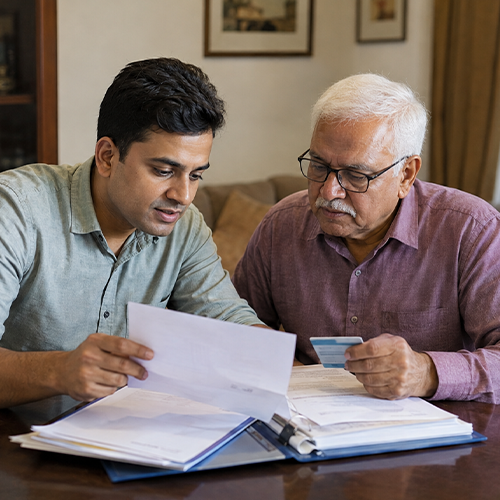
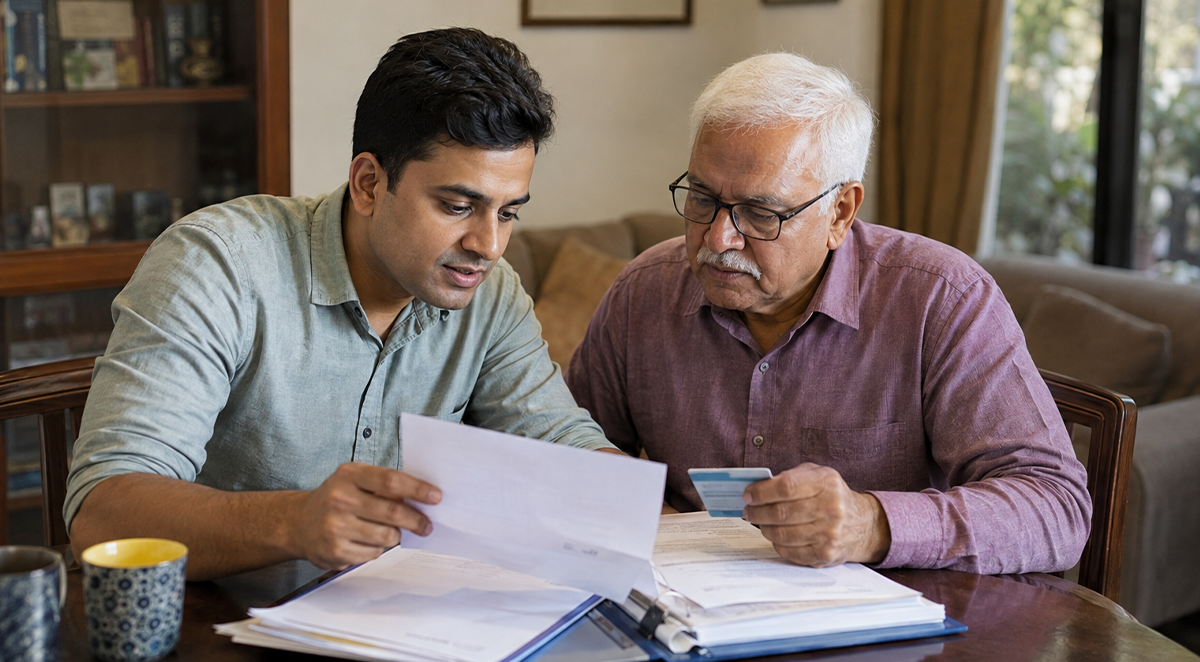
After parents turn 70, many families are faced with the burden of major expenses, often in the lakhs, to cover expenditures associated with prolonged hospitalization, surgery costs, cancer treatment, etc. The safety net of health insurance must be provided at this stage to help afford these large, unexpected costs.
Ayushman Vay Vandana provides health insurance for citizens of India who have reached the age of 70. The government covers the cost of the insurance, and it is provided irrespective of the income of the beneficiary. However, there are some high expenses that will need to be covered by the beneficiary. There are several other limitations of the insurance that may result in additional expenses. Because of these limitations, you should anticipate additional costs that you may be responsible for.
You should understand the limitations of Ayushman Vay Vandana; however, you should also consider what other income/private health insurance may be necessary to help the costs associated with the significant healthcare expenses your parents may face.
What Is Ayushman Vay Vandana?
Ayushman Vay Vandana is a health insurance benefit for citizens of India who have reached the age of 70, under the Ayushman Bharat Pradhan Mantri Jan Arogya Yojana. This health insurance benefit is for senior citizens irrespective of their income. The Government of India bears the cost for the health insurance.
The scheme offers protection up to Rs 5 lakhs per year for a family. According to the scheme rules, senior citizen parents of PM-JAY will be eligible for the additional benefits for themselves.
The coverage applies only to hospitalization and treatment under the plan, which is organized under the enlisted hospitals. Your parents are eligible only if they have an Ayushman card or digital, approved record. Having an Aadhaar card and other required documents will reduce time during the enrollment process.
What Ayushman Vay Vandana Covers
The scheme covers hospital treatment of a tertiary nature and includes treatment for several serious ailments like heart disease, cancer, renal, orthopedic, neurological, and other such issues.
The benefits of the coverage generally include:
- Hospitalization for the treatment of procedures covered under the plan
- Cost of surgery and related procedures
- Room charge, nursing, and professional charges
- Cost of medicines and diagnostic services linked to the hospitalization
- Pre-hospitalization and post-hospitalization expenses
The exact benefits will vary depending on the treatment package, the hospital chosen, the state, and the scheme guidelines. For further details, contact the Ayushman help desk of the selected hospital.
A unique feature of the scheme is that from the day of purchase of the policy, the benefits for pre-existing diseases are applied. So, for the treatment of diabetes, hypertension, and even a previous heart problem, there is no need for your parents to wait for long. However, the treatment must be done under the approved package and be organized at the enlisted hospitals.
What the Scheme Does Not Cover
The Ayushman Vay Vandana fund is not a medical expense account that provides unlimited funds. It focuses on approved hospitalization packages. There are several expenses that lie outside the fund or for which additional approval will be needed.
Common expenses that will need to be borne out of pocket include routine outpatient consultations, normal medicines, diagnostic tests, follow-ups, and appointments. Most consultations will not be covered unless a follow-up is done for a treatment that has been approved under the scheme.
The scheme does not provide automatic coverage for all hospitals, doctors, medicines, implants, or procedures. The hospital has to be registered for the treatment for which the scheme is being used. Some hospitals will charge extra for services that fall outside the package, though the card may be accepted for the particular department.
Other expenses that will need to be taken care of include the following:
- Cosmetic or elective surgeries that are not medically essential
- Treatment at a non-listed hospital
- Routine dental care
- Charges for personal comforts and non-medical services
- Medicines purchased after discharge
- Food, lodging, and transport for the family
- Expense limits for treatment packages that cover specific services or implants
Before admission, ask for a written estimate of the costs for which the scheme will provide coverage and the costs that will not be covered by the scheme. This estimate will be of help to your family in planning to cover the total expenditure for the treatment and other costs.
Does Ayushman Vay Vandana Replace Private Health Insurance?
For some families, this government scheme will provide valuable financial support. However, it will not take the place of private health insurance for most families.
Private insurance may offer a broader hospital network, greater coverage, outpatient benefits, home healthcare, preventive health services, ambulance service, or protection for expenses not covered by government packages. Policy terms and conditions will vary, so comparison of terms should not be done solely on the basis of insurance coverage.
More strict financing means higher premiums can affect people as old as 70. Some companies add co-pays and co-insurance, limit the length of time you can stay in a room, have disease-specific exclusions, or add waiting periods. Read all the terms and conditions. Be sure to ask the company about how they manage cases of diabetes, blood pressure, heart disease, cataract surgery, joint replacements, cancer treatments, and home care.
Families should check whether their parents have coverage from an employer, a pensioner scheme, CGHS, ECHS, or any other government-run health benefit. Coverage with an employer has its own rules. Make sure you have all documents related to the different plans and benefits. Reach out to the proper authorities to see which of the plans should be prioritized for which treatments.
Build a Health Insurance Plan with a Wider Scope
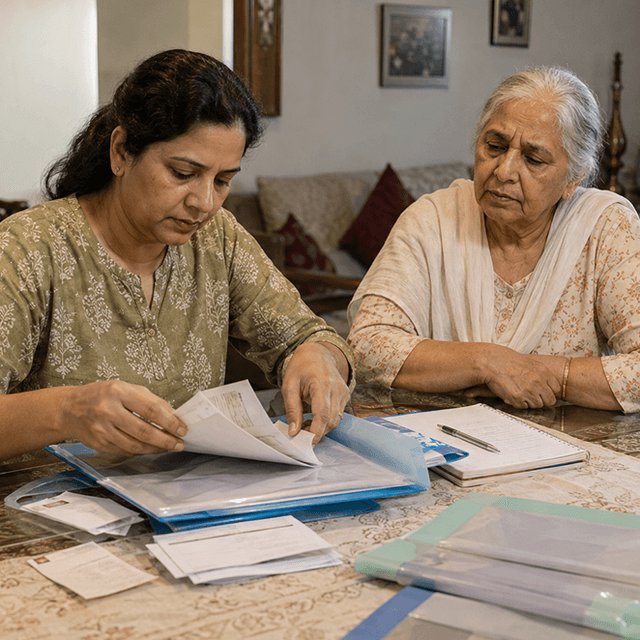
Start with a health conditions list including prescriptions, allergies, and a contact list of doctors and emergency contacts. Copy all insurance documents along with all medical reports, prescriptions, and discharge summaries. Send one folder to each of your family members.
Health readings should be done according to your physician's instructions. Home health supplies and monitoring equipment, such as blood pressure monitors for hypertension and diabetes or blood glucose monitors, can help families comply with health plans. Adult care supplies, like the All Day Health Monitoring Combo, and BP monitoring equipment are supplied by AGEasy. Use health supplies and monitors as a part of your health plan, and not as a replacement for your plan.
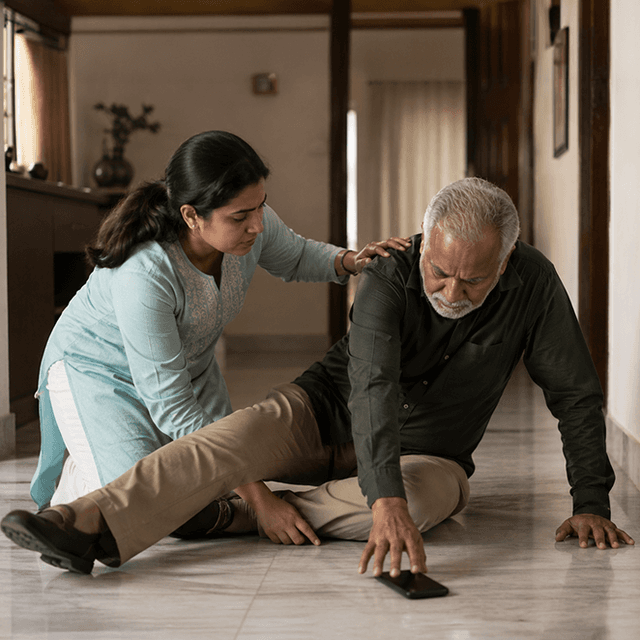
We must also consider safety at home. While a broken hip may not be the end of the world, it is a 6-month recovery after your stay in the hospital. Simple additions such as an AGEasy anti-slip bathroom mat, a Secure Hold Grab Bar, or some other form of bathroom safety aid may help ease the worries of accidental slips on unpredictable surfaces. Wall structure and your parents' mobility and height need to be accounted for when the safety aids are installed.
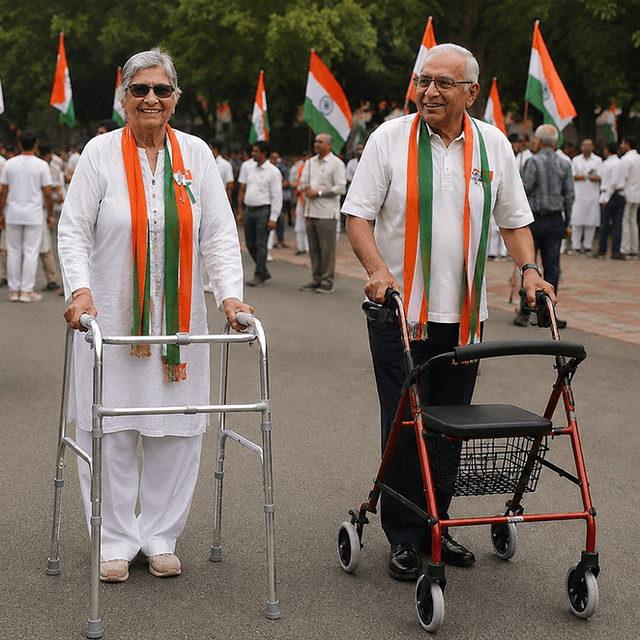
There are aids to assist individuals with limited mobility such as an AGEasy four-leg walking stick or walker for seniors. Concerns about mobility, height, and the manner in which the aid is used must be known to a physiotherapist for proper aid selection. Unless safety is addressed, it is possible that your efforts to provide a mobility aid will have a negative impact on your parents' balance.
How to Avoid Delays in the Scheme
Carry the Ayushman card and your ID. Confirm whether the hospital visit in your area is enlisted in the scheme and check if the treatment you need is covered by Ayushman Vay Vandana.
Go to the Ayushman help desk after you arrive. Show the reports and the prescription. Ask for the package, approval status, and expenses beyond the package.
Never sign a blank form or approve an unvouchered charge. Insist on a specified record of expenses kept by the hospital. If the hospital refuses to honor a legitimate benefit or charges you in an unusual manner, call the grievance or complaints department.
Questions to Ask Prior to Treatment
Prior to agreeing on planned hospitalization, ask the following.
- Is the hospital empanelled for this treatment?
- Does the treatment plan fall under a sanctioned package?
- What overall benefits of the plan do you carry?
- What plan benefits cover medicines, implants, tests, and room charges?
- What plan benefits are you expected to cover?
- What documents does the hospital require?
- Whom should you contact if a claim approval is pending?
Once the answers to the above questions are provided, your family will be in a better position to understand the out-of-pocket expenses.
The Practical Approach
Ayushman Vay Vandana is a government health scheme for Indian seniors aged 70 and above. The real value is seen when the family understands the package, utilizes empanelled hospitals, and confirms expenses prior to treatment.
Private insurance should only be added following a thorough review of the benefits, exclusions, premium, and renewal. Until then, ensure adding appropriate support equipment to the home such as monitoring devices, mobility aids, bathroom assistance tools, and hygiene supplies. Remember, prevention is better than cure.