
8 Rights & Schemes Every Indian Senior Citizen Has and Most Never Claim
Aug 14, 2026
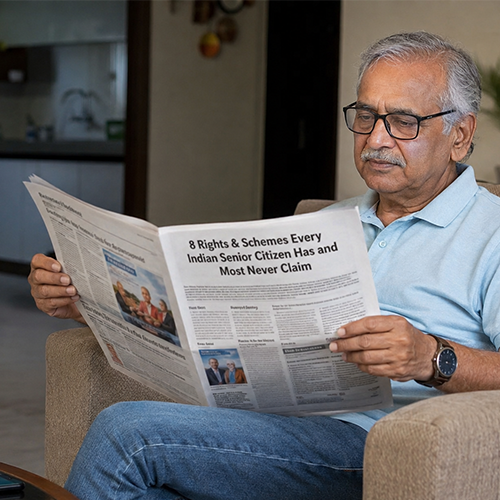
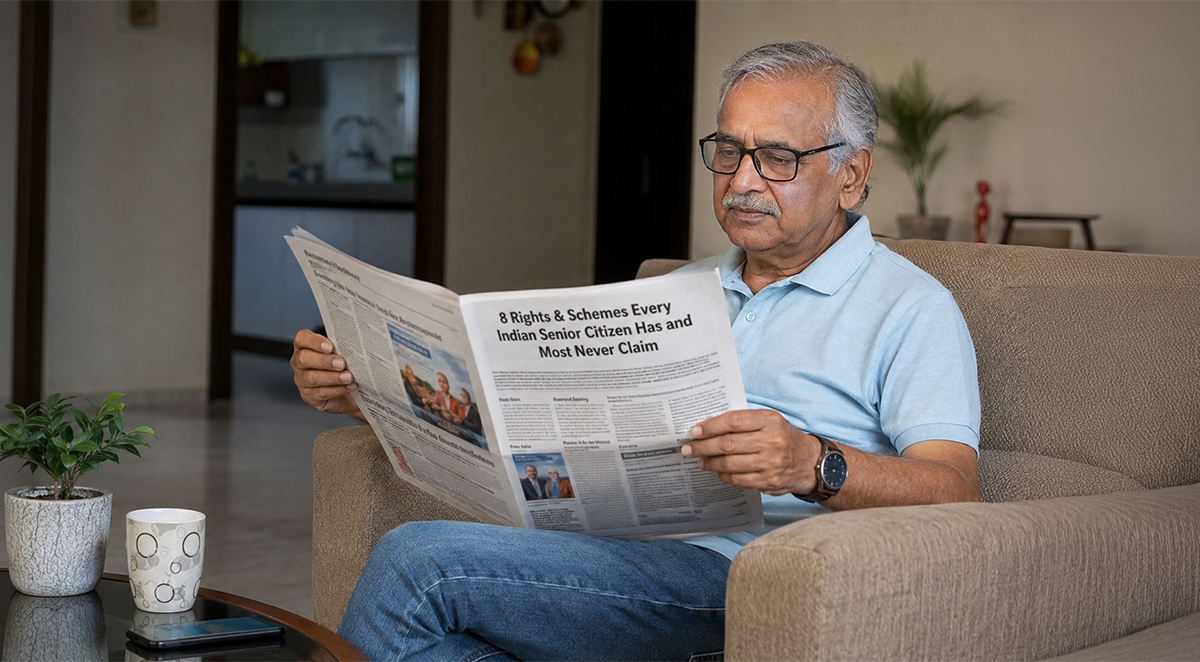
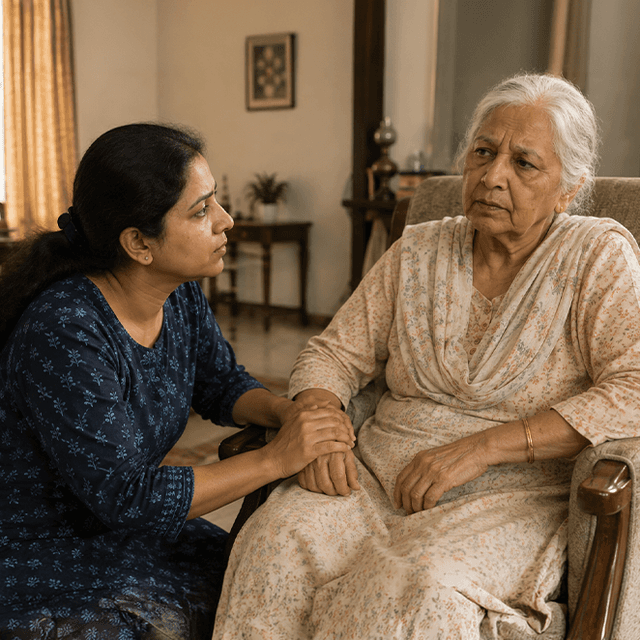
The process of aging in India is more than just visiting the doctor or finding somebody to help you with daily tasks. There are actually government schemes and systems built to make life for senior citizens a lot easier. The problem? Most families don't take benefits from them.
It's not by choice. People just don't know about them.
Maybe your father is eligible for a pension he has never even heard of. Maybe your mother is eligible for healthcare subsidies that would greatly reduce her medical bills. It could be that your parents, and many elderly people in India, are missing out on financial, legal, and traveling benefits that could protect them from being taken advantage of financially. However, if they don't know about these things, they may as well not exist.
The fact of the matter is, your parents may be eligible for benefits that could improve their financial situation and make life easier for both them and you. It's less about support given and more about support known.
Because supporting your parents in their later years is difficult enough, you shouldn't have to do it without help specifically designed for this time in your lives.
1. Monthly Pension Through IGNOAPS
If your parent is 60 years or older and a member of a Below Poverty Line (BPL) household, they may already be eligible for a monthly pension under the Indira Gandhi National Old Age Pension Scheme (IGNOAPS).
The central government offers a ₹200 per month for people aged 60–79 years and a pension of ₹500 to persons aged 80 years or more. More importantly, states often provide their own supplements, which means the actual pension received may vary from around ₹250 to over ₹4,000.
More than 2.21 crore elderly persons have been covered under this pension. However, the majority of eligible families do not apply due to lack of information on this scheme. Applications may be submitted to the Gram Panchayat, Block Office, or the Municipal Corporation. Several states have developed their own online portals now.
2. Free Health Insurance Under Ayushman Bharat (Ages 70+)
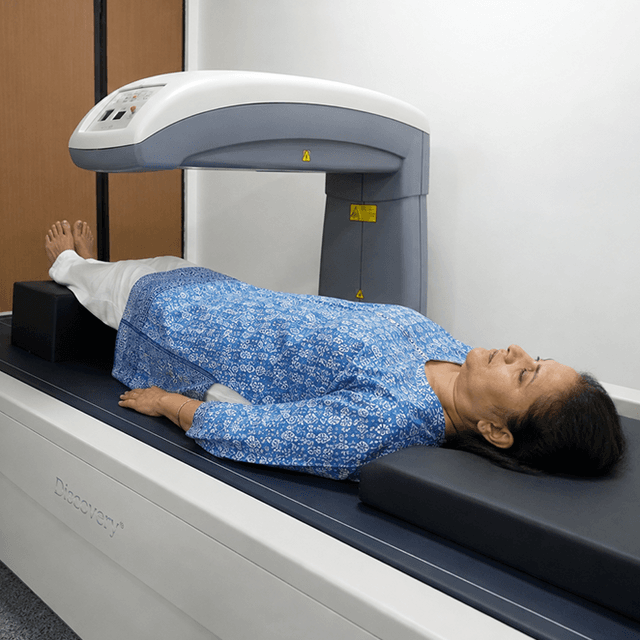
In September 2024, the Union Cabinet extended "Ayushman Bharat Pradhan Mantri Jan Arogya Yojana" (AB PM-JAY) to include free health insurance for senior citizens over the age of 70 regardless of income. It will cover up to ₹5 lakh for 1,929 medical and surgical procedures, including cardiac care, cancer treatments, and knee replacements, for secondary and tertiary care.
If your family is already insured with AB PM-JAY, your parent gets a top-up cover of ₹5 lakh. In case you are not covered, your family gets a fresh cover of ₹5 lakh. Pre-existing illnesses are covered immediately, and treatment is cashless in the hospitals throughout the country.
Toll Free Helpline for Ayushman Bharat: 14477 or 1800-11-4477
Website for Ayushman Bharat: abdm.gov.in
3. Important Tax Benefits
Though many tax breaks for seniors in India's Income Tax Act are restricted to the old tax regime, some relevant provisions are as follows for the assessment year of 2026–27:
- Higher basic exemption limit: Without any tax burden, senior citizens (60–79 years) can have income up to ₹3 lakh, and super senior citizens (80+ years) can have income up to ₹5 lakh, in the old regime.
- Section 80TTB: Senior citizens can claim a deduction of up to ₹50,000 for interest income from fixed, recurring deposits, savings accounts and post office deposits.
- Section 80D: Deduction of up to ₹50,000 for health insurance premiums or actual expenses incurred for medical treatments, and an additional ₹50,000 for senior parents' insurance premiums.
- Section 80DDB: A deduction of up to ₹1 lakh for treatment of serious illnesses.
- Higher TDS threshold: TDS on interest income of senior citizens is not deducted until the interest income breaches ₹1 lakh, as against ₹50,000 in the budget, 2025.
- If your parent's business income is zero, they are not liable to pay advance tax, and their liability can be discharged while filing the income tax return.
4. Travel Concessions and Priority Services
The 40% fare concession for men aged 60 and above and 50% fare concession for women over age 58+ on Indian Railways (both suspended since March 2020) are replaced with a number of priority comfort benefits. Indian Railways has prioritized allocation of lower berths to senior citizens across Sleeper, 3A, and 2A classes, with a quota of four to seven lower berths per coach, respectively.
Senior citizens are given priority to occupy any lower berths that become available during the course of the journey even though they were initially ticketed for a middle or upper berth.
Many state transport corporations offer discounted senior citizen bus fares. Discounts may vary by state.
5. Legal Protection Against Neglect and Exploitation
The Maintenance and Welfare of Parents and Senior Citizens Act, 2007 (MWPSC Act) is one of the most unused acts in Indian law. It says that all children and legal heirs are bound by the law to provide maintenance to their elderly parents and senior citizens who are above the age of 60 years to meet their basic needs of food, clothing, shelter, and medical needs.
If children or legal heirs do not provide maintenance, parents or senior citizens are entitled to approach the Maintenance Tribunal (usually the Sub-Divisional Officer or Assistant Commissioner) without requiring lawyer assistance. The process is simple, quick, and free.
The Act empowers senior citizens to re-acquire property which has been gifted to children if those children fail to provide maintenance, which was upheld by the Supreme Court recently. Neglecting by children of their obligations towards parents or senior citizens is a criminal offence and is punishable with a maximum fine of ₹5,000 or a maximum of 3 months imprisonment.
6. Higher Interest Rates on Savings
Fixed deposits held by senior citizens are offered an additional 0.25%–0.75% interest by banks and post offices over what regular depositors get.
The Senior Citizen Savings Scheme (SCSS), offered at post offices and selected banks, attracts a fairly high rate of interest, and is also tax exempt. When coupled with the benefits of Section 80TTB on the senior citizens' income, the SCSS provides a significant cushion to senior citizens who rely heavily on income from fixed deposits.
7. State-Specific Benefits You Should Not Ignore
Most states also run additional pension schemes for the elderly, pensions for widows, and disability pensions, and these schemes provide higher benefits than IGNOAPS. Some state governments offer free or cheaper bus passes, subsidized ration cards, free cataract surgery, and a senior citizen-specific helpline. The benefits offered may differ from state to state. What is available in Kerala may not be available in Madhya Pradesh or Maharashtra, for example, so you need to check your state's Social Welfare Department website.
8. Assistive Devices Through Senior-Care Schemes
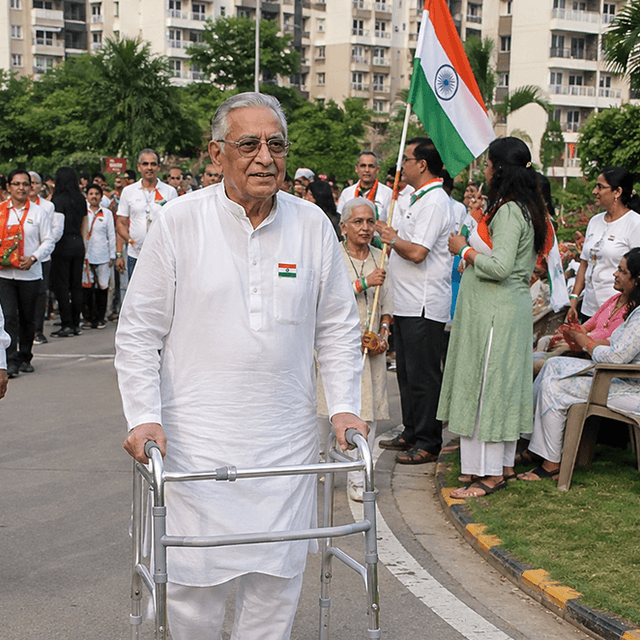
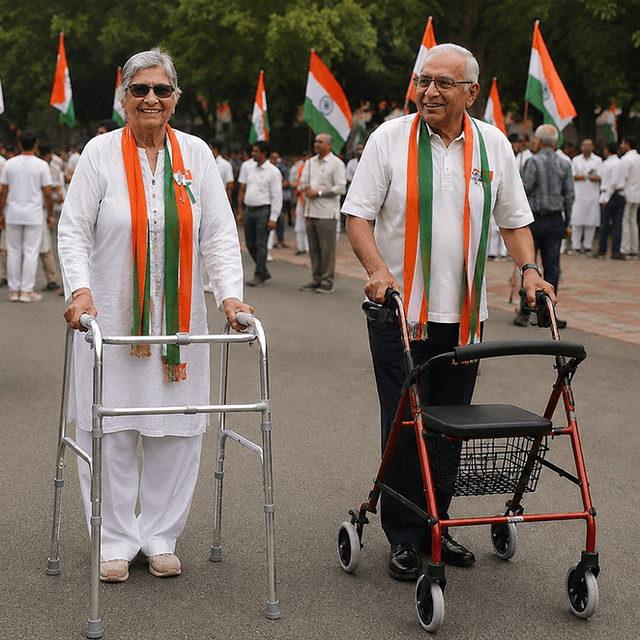
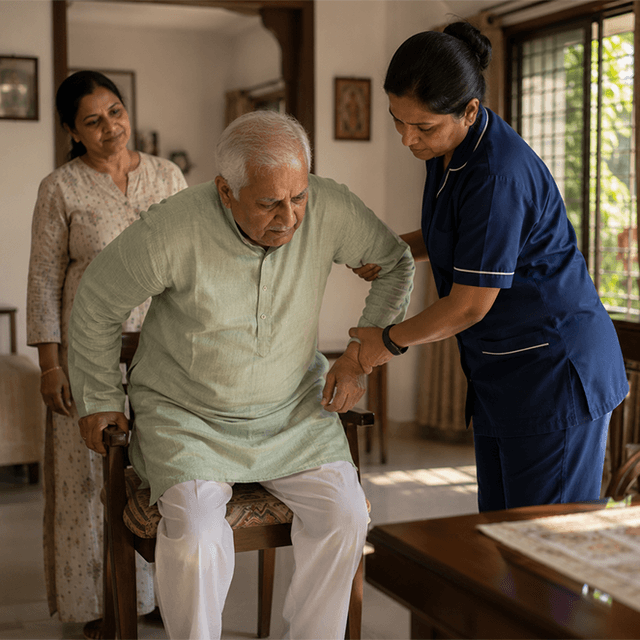
Some government programs may help senior citizens with assistive devices, such as Rashtriya Vayoshri Yojana. However, these devices would be accessible only to the senior citizens who meet certain requirements.
Depending on the individual assessment and rules of the program, the assistive devices and mobility aids might be provided. The support is generally provided by Government agencies, district administration, camps and/or implementing organizations.
It is important to conduct a medical assessment or a functional assessment before deciding the kind of aid a person would need — whether it is getting the senior a walking aid, a wheelchair, a hearing aid, or any other assistive device. The improper use of a device poses a fall risk and creates discomfort to the user.
Website for Rashtriya Vayoshri Yojana: scw.dosje.gov.in/rashtriya-vayoshri-yojana
How to Start Claiming What Your Parents Are Owed
The first step is recognizing what options are available. Here are some first steps:
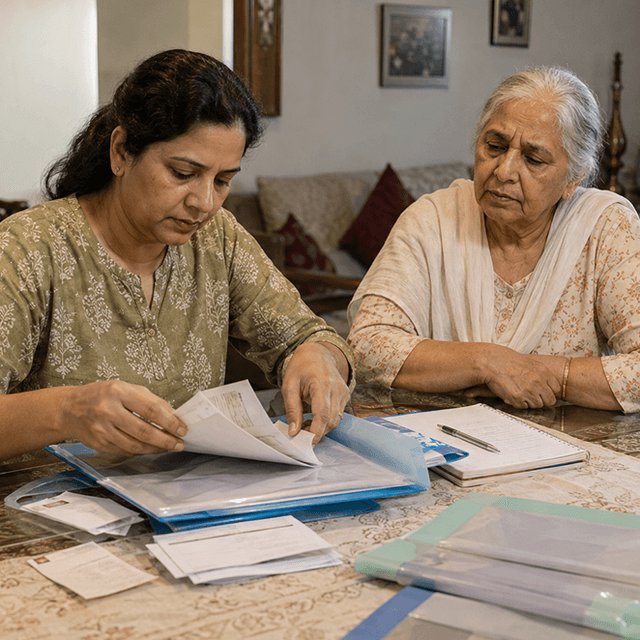
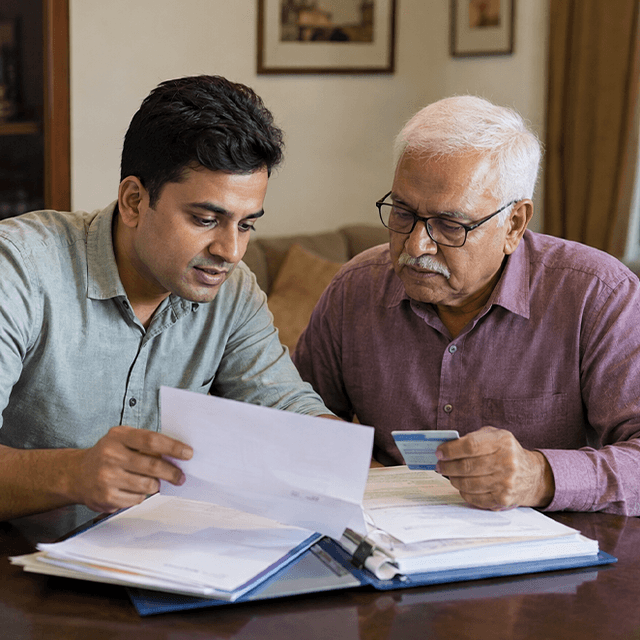
- Find out if you are entitled to a pension through the Gram Panchayat or on the state social welfare portal.
- If your parent is 70 or older, register your parent for Ayushman Bharat, at the Common Service Centre and/or empanelled hospital, with Aadhaar and age proof.
- Review all your senior citizen tax filings to confirm that old regime tax deductions (80D, 80TTB, 80DDB) were claimed.
Understand the law. Know your rights and know your remedies. The MWPSC Act provides civil remedies for parents who are being neglected.
An entitlement that no one knows about is essentially a nonexistent benefit. Senior citizen specific schemes, laws, and products have already been created. What is currently lacking is beneficiary families like yours.
Disclaimer: For the purposes of this article, we are not offering legal advice, tax advice or medical advice. The guidelines for accessing government subsidies change from time to time. Validate the latest version before applying from the official government websites. For medical issues, consult a qualified professional.