

Why Your Parent Has Lost 2 Inches of Height: Understanding Vertebral Compression
Sep 7, 2026
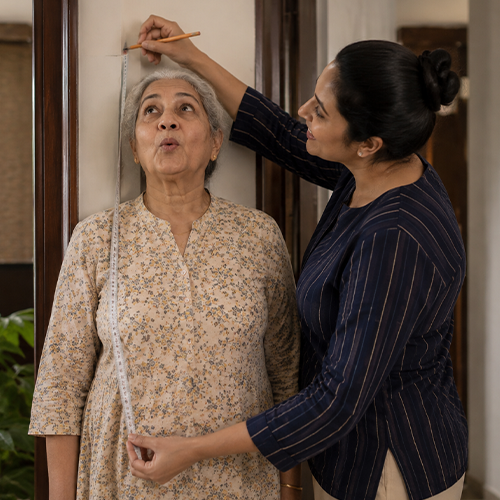
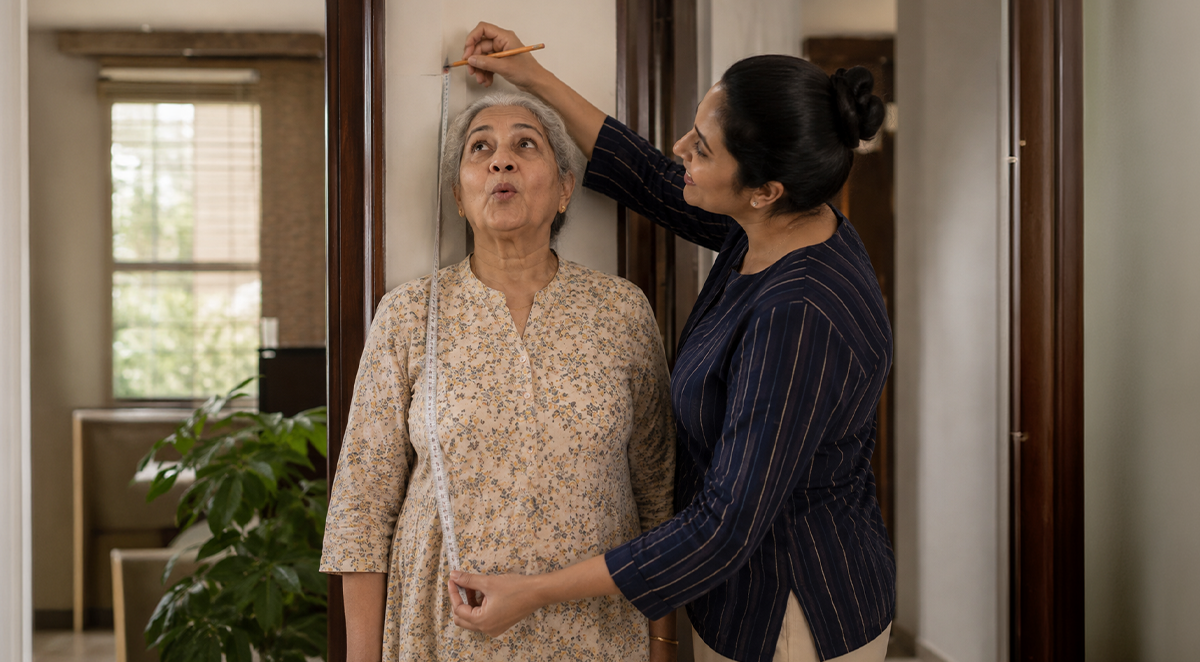
Your parent may not have suddenly become shorter. Sometimes, a noticeable change in height can be the first sign that something has changed in the spine.
You may notice that trousers need shortening or that your parent measures around two inches shorter than they were a few years ago. Some loss of height is normal with age, but noticeable or progressive height loss should not simply be dismissed as part of getting older.
A vertebra can become compressed, and the spine can gradually lean forward under the effects of gravity. Osteoporosis can increase the likelihood of small fractures in the spine. In some people, a vertebral compression fracture may not initially cause obvious back pain. Instead, the first noticeable change may be a loss of height.
This makes height loss more than just a number on a measuring tape. It can indicate changes in the strength of the spine, bone quality, spinal curvature, or ability to move comfortably.
Not every centimetre of height loss means that a vertebra has fractured. However, progressive height loss in an older adult should be assessed so that conditions such as osteoporosis or vertebral compression can be considered.
Changes in posture, clothes fitting differently, difficulty standing upright, or new back discomfort can provide additional clues. If you notice these changes in your parent, discuss them with their doctor.
Why Do People Lose Height With Age?
Height loss can occur for several reasons. The discs between the vertebrae can lose water and become thinner as part of the aging process.
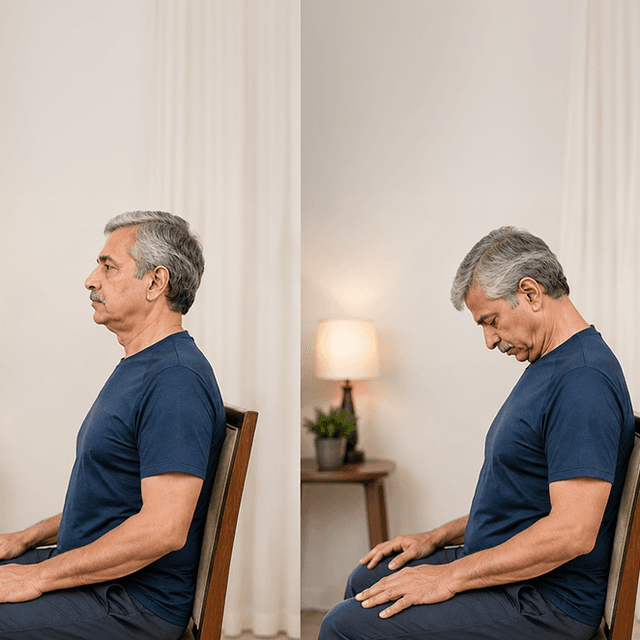
Changes in posture can also occur when the muscles of the back and abdomen become weaker. Some people develop a forward rounding of the spine, known as kyphosis.
These changes can contribute to some degree of height reduction. However, rapid or significant height loss may indicate a vertebral compression fracture.
The vertebrae are the small bones that make up the spine. When bone strength decreases, the vertebral bodies may become less able to withstand normal loads. A vertebral body can then lose some of its height, resulting in a type of fracture known as a compression fracture.
The amount of collapse can vary, and more than one vertebra may be affected. Multiple vertebral fractures can contribute to chronic pain, changes in spinal curvature, a stooped posture, and difficulty maintaining an upright sitting or standing position.
How Osteoporosis Can Affect the Spine
Osteoporosis involves a reduction in bone mass and strength and can increase the risk of fractures. Fractures can occur in the vertebrae, hip, wrist, or other bones.
Vertebral fractures can sometimes occur following relatively minor events, such as twisting, bending, coughing, lifting, or a fall. In some cases, a person may not remember a specific injury at all.
Osteoporosis becomes more common with age, particularly in women after menopause, but it also affects older men.
Other factors associated with increased risk include:
- Family history of hip fracture
- Low body mass
- Smoking
- Heavy alcohol use
- Prolonged steroid use
- Low calcium and vitamin D intake
- Certain medical conditions
People who have already experienced a fragility fracture may have an increased risk of additional fractures and may benefit from early assessment.
Signs of Vertebral Compression That Should Not Be Ignored
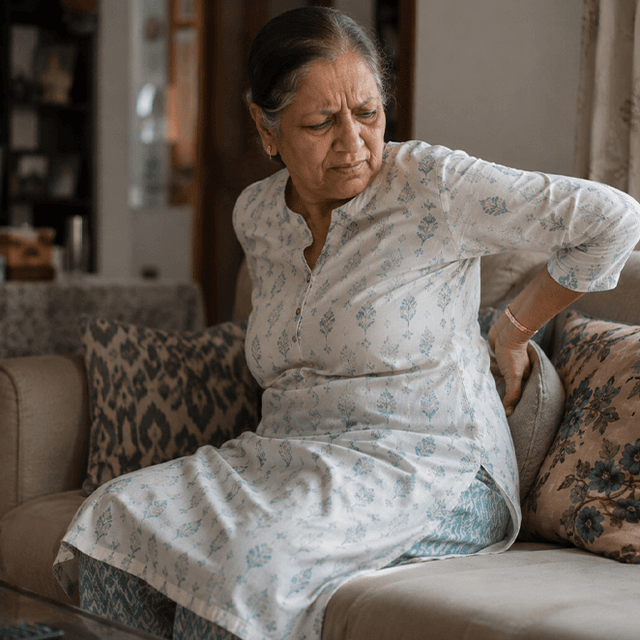
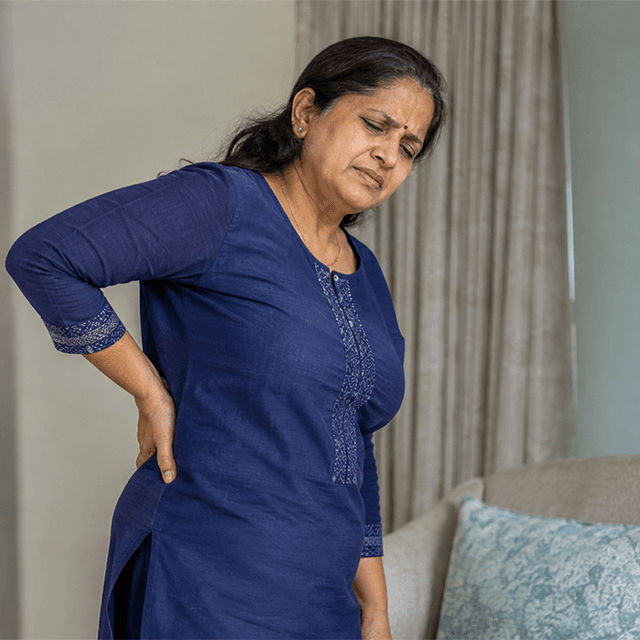
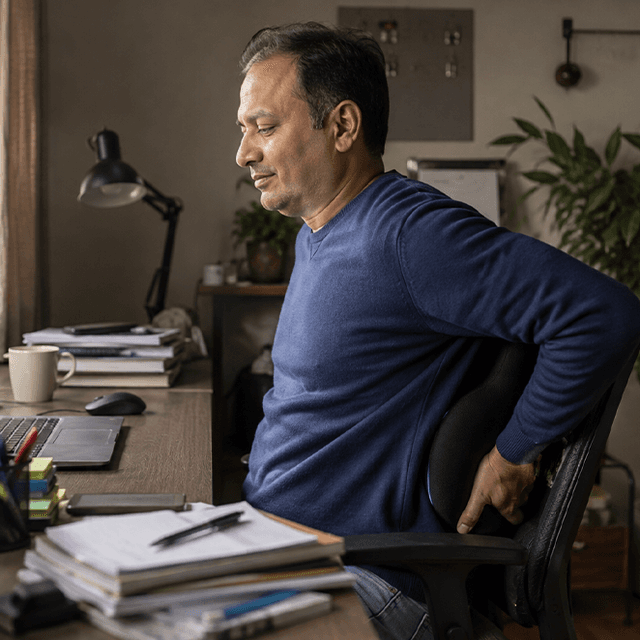
Sudden or persistent back pain can be one possible symptom. Pain may become worse with coughing, walking, standing, or changing position. Some people may also experience tenderness over the affected area of the spine.
Other signs can include:
- A measurable decrease in height
- A gradually developing stooped or rounded back
- Difficulty remaining upright
- Clothes becoming tighter around the waist or shoulders
- Difficulty walking
- Increasing dependence on furniture for support
- Back pain following a slight movement or an accident
Vertebral fractures can also occur without obvious pain. Sometimes the only signs a family notices are gradual height loss or a change in posture.
These changes should be mentioned during a medical appointment even if they initially appear to be normal effects of aging.
When Should You Seek Urgent Care?
Seek immediate medical attention if your parent has fallen and developed significant back pain.
Urgent medical assessment is also required when back pain is accompanied by:
- Leg numbness or weakness
- Weakness in the legs or trunk
- Difficulty controlling the bladder or bowel
- Severe neck pain
- Loss of balance
Fever, unexplained weight loss, night pain, or a history of serious chronic illness should also be discussed with a doctor. These symptoms may point to causes other than a vertebral fracture and require appropriate medical assessment.
How Might a Doctor Investigate Height Loss?
Before ordering tests, the doctor may review your parent's previous medical records and ask about pain, falls, medications, previous fractures, spinal surgery, and changes in posture.
A physical examination may include checking balance, spinal tenderness, movement, and strength.
Depending on the symptoms and medical history, the doctor may recommend imaging or other investigations.
X-rays can show compression or wedging of the vertebrae. An MRI may be requested when there has been recent trauma or when there is concern about pressure on spinal nerves.
A DXA scan may be recommended to assess bone density and help evaluate the risk of osteoporosis.
Blood tests may also be ordered to investigate other possible medical causes of symptoms affecting the bones. The tests selected will depend on your parent's symptoms and medical history.
Treatment Depends on the Cause
There is no single treatment for height loss or vertebral compression. The appropriate approach depends on what is causing the change and the overall health of the individual.
Treatment may include pain management, activity modification, physiotherapy, and medicines for osteoporosis when appropriate.
Depending on blood test results and dietary intake, a physician may also recommend calcium or vitamin D supplementation to maintain adequate levels.
If your parent is prescribed medication for bone health, it should be taken under medical supervision. Never start or stop medicines or supplements without discussing the decision with their doctor.
Physiotherapy can also play an important role in improving strength and reducing fall risk. Exercises should be adapted to your parent's condition, particularly when there are restrictions related to forward bending or heavy lifting.
Supporting Your Parent's Back at Home
Practical changes can make everyday movement safer while your parent is being assessed or treated.
Keep frequently used items within easy reach so your parent does not have to repeatedly bend, stretch, or reach towards high shelves.
Choose chairs with a firm and supportive design and, where appropriate, armrests that make sitting and standing easier.
Also look at the walking routes around the home. Make sure frequently used areas are well lit and remove loose rugs or other obstacles that could increase the risk of a fall.
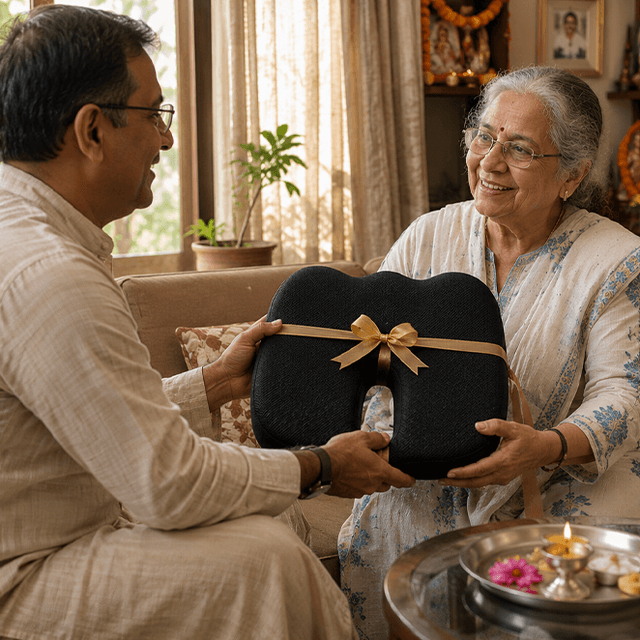
A support product may provide comfort for some types of back discomfort, but it should not be relied upon to manage a spinal fracture.
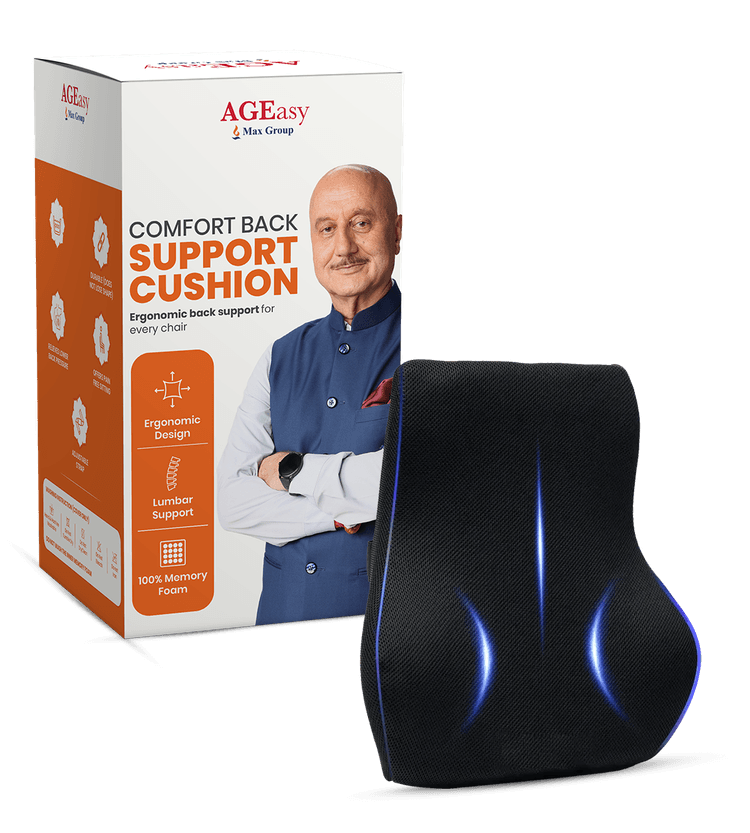
The AGEasy Lumbar Back Support is designed to provide lower-back support while sitting. It should not be considered a treatment or replacement for medical management of a vertebral compression fracture.
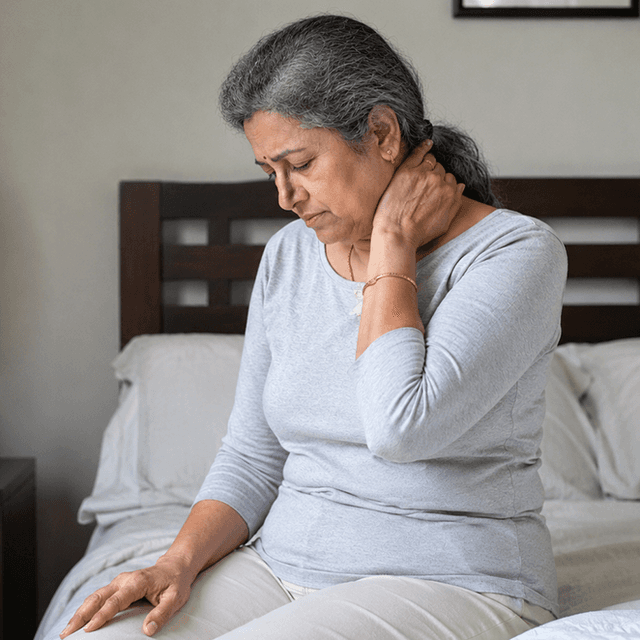
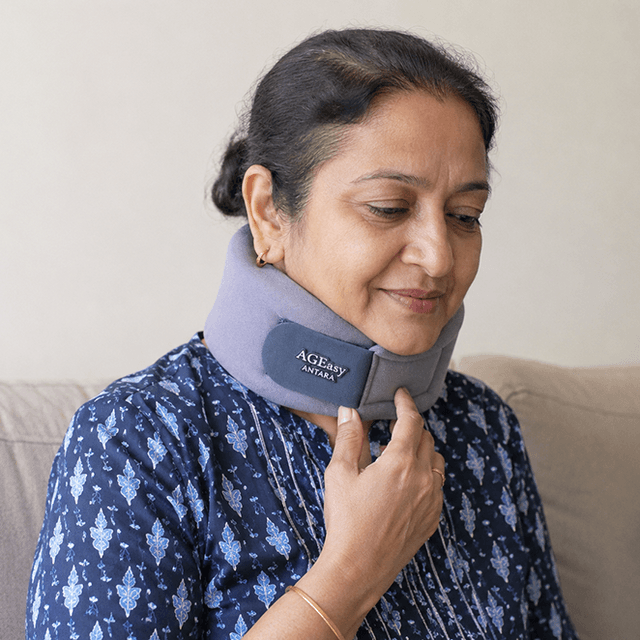
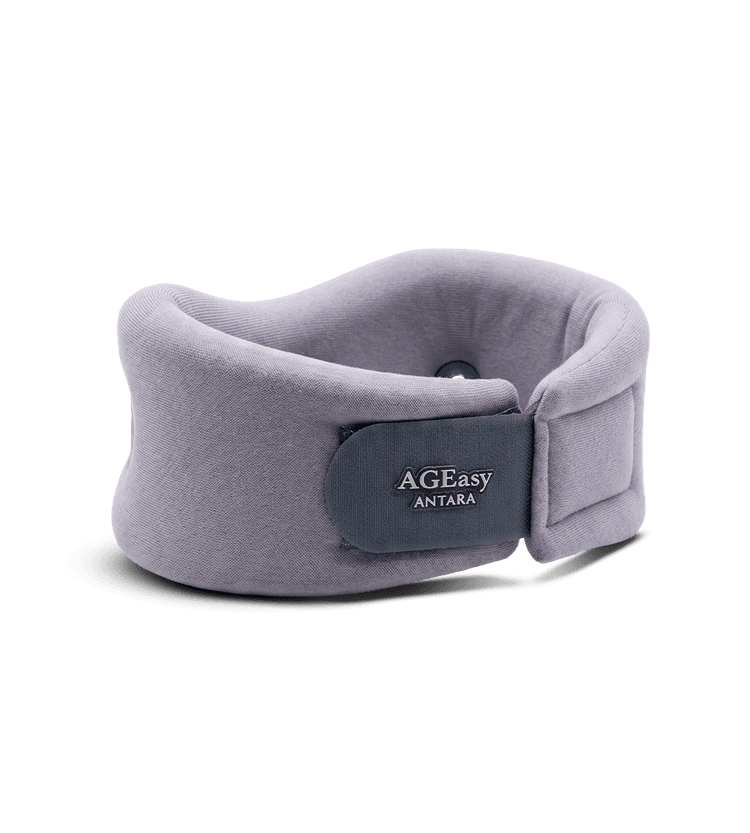
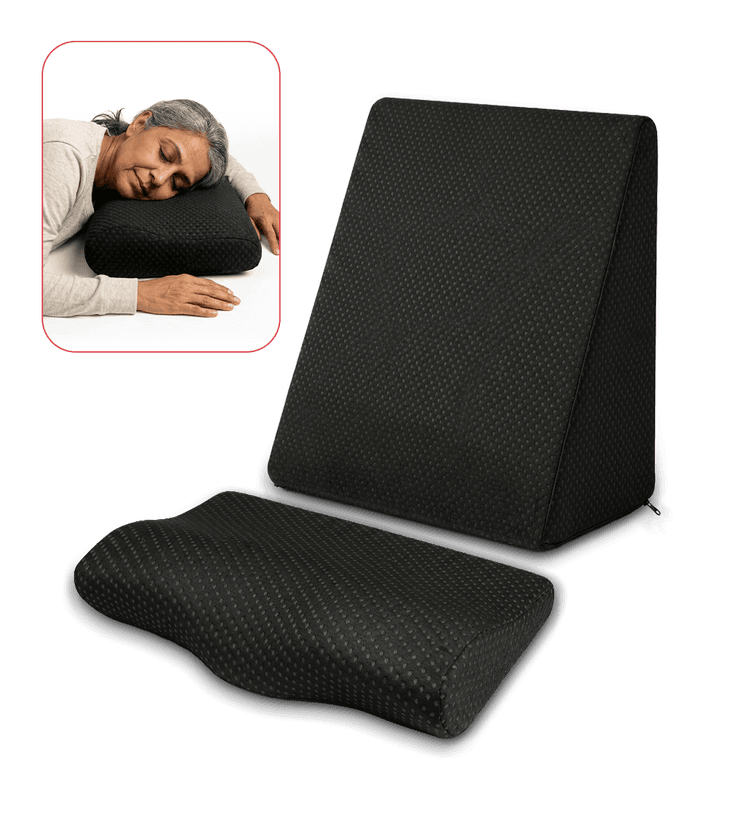
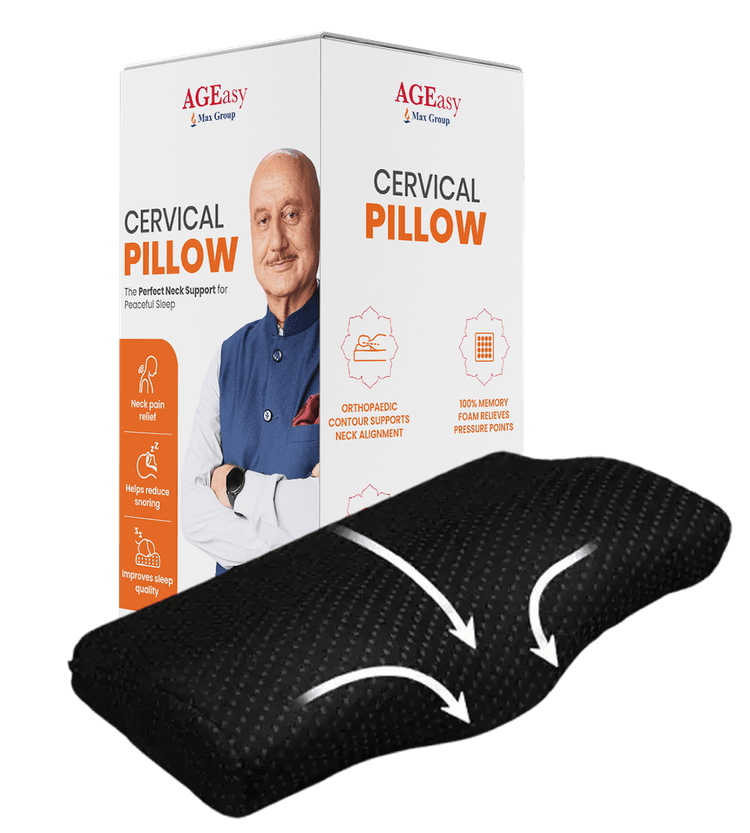
The AGEasy Cervical Pillow may be considered by some people for sleeping support. Comfort should remain the priority, and your parent should stop using a pillow or positioning method if it produces new symptoms such as headache, numbness, or tingling.
Mobility aids may also be recommended when balance or strength is reduced. The appropriate aid depends on the individual's mobility and may require professional assessment and adjustment.
For parents who need additional walking support, the AGEasy Walker Without Wheels for Seniors is one available mobility option.
For people who need a rolling walking aid and may benefit from the ability to sit and rest during movement, the AGEasy Rollator with Seat for Seniors is another option.
A healthcare professional can help determine which mobility aid is appropriate for your parent's strength, balance, walking ability, and home environment.
Preserving Bone Health and Maintaining Independence
Bone health cannot be addressed through supplements alone. A broader approach may include appropriate strength training, balanced nutrition, adequate calcium and vitamin D intake, and safe weight-bearing activities when approved by a healthcare professional.
Exercise should be appropriate for your parent's condition. If they have already experienced a vertebral fracture or have significant osteoporosis, exercises may need to be modified to avoid movements that are not appropriate for them.
Regular vision and hearing checks are also important because sensory difficulties may increase the risk of falls and other adverse events.
Your parent's doctor can also review their medicines for possible side effects such as dizziness or sleepiness.
For some people, monitoring blood pressure at home may be appropriate. The AGEasy Arm BP Monitor can be used for home blood-pressure monitoring when recommended, but blood-pressure readings should not be used to independently change or stop prescribed medicines.
When helping an older adult move, avoid pulling or lifting them by the arms. If a safe transfer cannot be performed, seek appropriate assistance rather than attempting a potentially dangerous transfer.
Height Loss Is a Signal, Not a Diagnosis
Height loss does not automatically mean that your parent has a vertebral fracture.
Changes in height can occur because of normal changes in the spinal discs, changes in posture, reduced muscle strength, or a combination of different factors.
However, noticeable height loss combined with a stooped posture or unexplained new back pain is a reason to contact your parent's doctor.
These changes can sometimes be associated with osteoporosis or vertebral compression and may warrant further assessment.
If you notice that your parent has lost height, make a note of the change and tell their doctor. The doctor can determine whether bone-density testing, imaging, or another assessment is appropriate.
With the right support, mobility aids, home adjustments, and appropriate physical therapy, many older adults can continue to live safely and maintain greater independence.
Disclaimer: This article is intended for general informational purposes and does not replace medical advice, diagnosis, or treatment. Progressive height loss, new or persistent back pain, changes in posture, or difficulty walking should be discussed with a qualified healthcare professional. Do not start, stop, or change medicines or supplements without medical guidance.