


Why Sitting for Long Car Rides or Flights Hurts More As You Age
Article by: Aakash
Jul 10, 2026. 8 min read
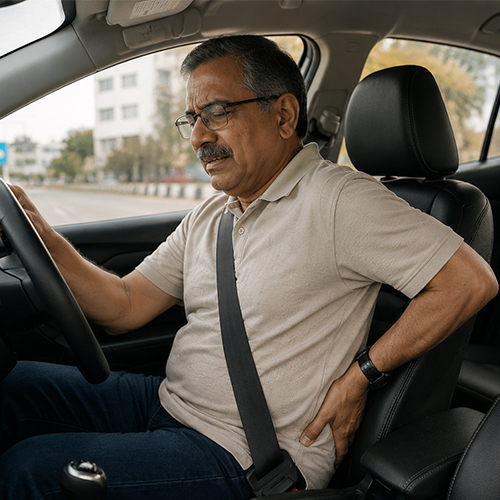
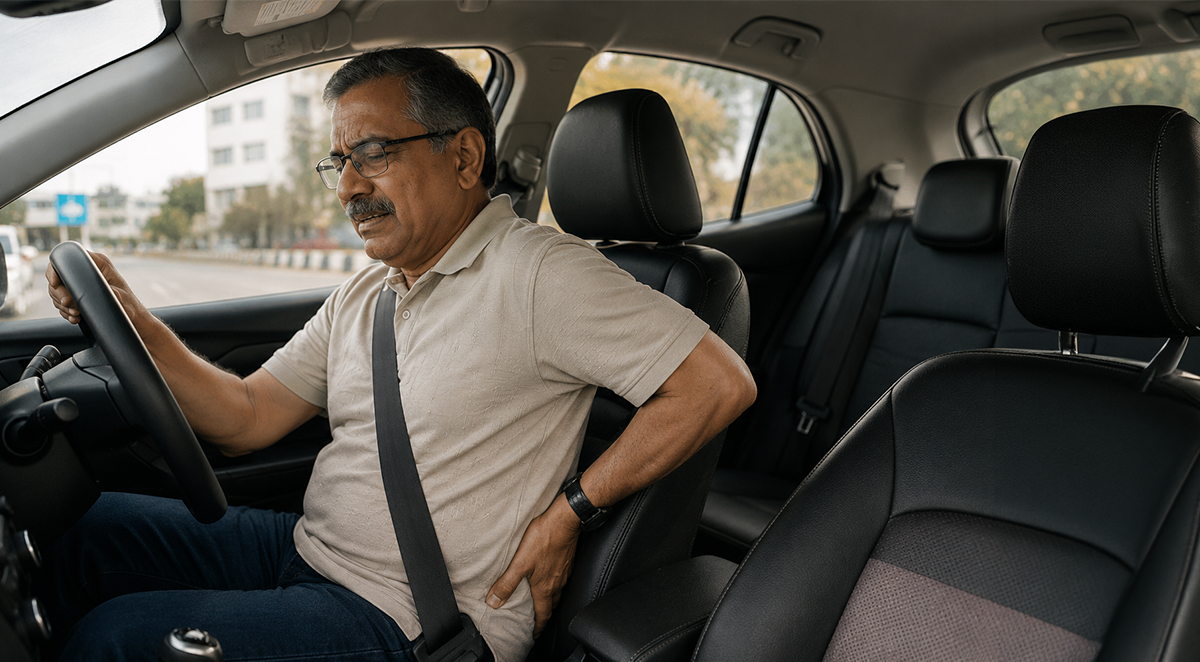
It isn't the destination that gets harder with age; it's the journey. Many families notice this without realizing what it means. A parent who used to love road trips starts asking for a stop every hour. Long flights become a nightmare, and family holidays are painful enough that they sometimes stay home to avoid it altogether.
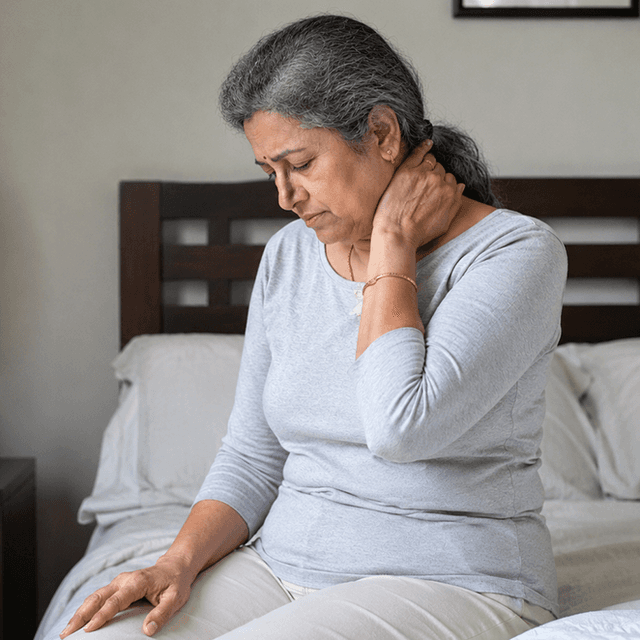
The big mistake people make is assuming the parent is just tired of travelling. What most children do not see is that the parent is trying to avoid the pain sitting for long periods can cause.
Parents who struggle to get out of the car after longer drives due to stiffness, feel pain in their back, hips, or knees from sitting, and excuse themselves from trips they enjoyed are not signs of old age. These are signs of the body's growing intolerance to long sitting periods.
Without pain and stiff travels addressed, that parent will become increasingly unwilling to travel, they will avoid family holidays and any other long journeys, lose confidence in travelling and will become more isolated and less active.
Knowing how discomfort is caused makes long journeys more comfortable. Reduced travel stiffness and discomfort is possible with the right support and travel aids, enabling the parent to enjoy travel without the discomfort.
This article is going to discuss why extended car rides and flights become more painful and more difficult to endure with age, what the common causes of this discomfort are, and what simple adjustments can be made so that older adults can travel more comfortably and with greater ease.
What Happens To The Body During Long Periods of Sitting
Sitting for extended periods of time puts constant pressure on one's spine, hips, and knees. When one is young the pressure is absorbed by the muscles and joints, however, as one ages the spinal discs lose hydration and shrink, meaning less support is placed on the lower back as the discs degenerate. The muscles that support the lower back and hips become less elastic as well, meaning they will tighten more quickly and take a longer time to relax.
Ultimately, stillness will result in a decreased level of blood circulation throughout one's body. This issue is worsened as one gets older and circulation becomes more sluggish. Inactivity can lead to less blood flow to one's legs and as a result, there can be increased stiffness and swelling in the legs, especially on long flights where there are greater restrictions on movement.
Lastly, one's joint cartilage will also degenerate over time. The knees and hips are especially reliant on cartilage for smooth movement. When the cartilage, which provides lubrication, wears away, long periods of sitting and remaining in the same position can create gaps between the surfaces of the joints. This is why, when one's parent is sitting in a car, it takes a period of time for them to walk normally afterwards.
Common Reasons Behind Travel Discomfort
The answer to this question is likely to be found in a number of factors.
A person who has to sit for several hours at a time in the same position will experience pain due to a lack of proper support for the spine. Most seats in cars and planes are not made for the natural curvatures of the spine as it ages. When there is no support for the lower back, the spine flexes forward and creates additional strain on the vertebral discs and the supporting musculature.
Discomfort in the tailbone increases due to prolonged periods of sitting, and is intensified for those who have less muscle padding over the pelvis, a common occurrence in the older population. After 1 to 2 hours of continuous sitting, it is not unusual to experience pain, ranging from mild to severe, in the lower back region due to prolonged sitting.
When a person sits in a position with their knees bent for an extended period without any breaks, the knees and hips will become difficult to flex and extend. This is especially true on airplanes where the space provided to extend and shift the legs is limited.
When traveling, especially on long-distance flights, the feet and ankles will become swollen due to poor circulation, which is also the reason for compression-related discomfort and fatigued legs.
A prolonged seated position will generally weaken the back and abdominal muscles, thereby making it more difficult to maintain an upright posture. The more the body relies on the core for support, the less strain is placed on the spinal column and joints, thereby reducing the speed of fatigue and the onset of pain.
Simple Changes That Make Travel More Comfortable
None of the above issues are reasons to avoid travel. Implementing easy modifications to seating support and travel habits can greatly enhance comfort while traveling.
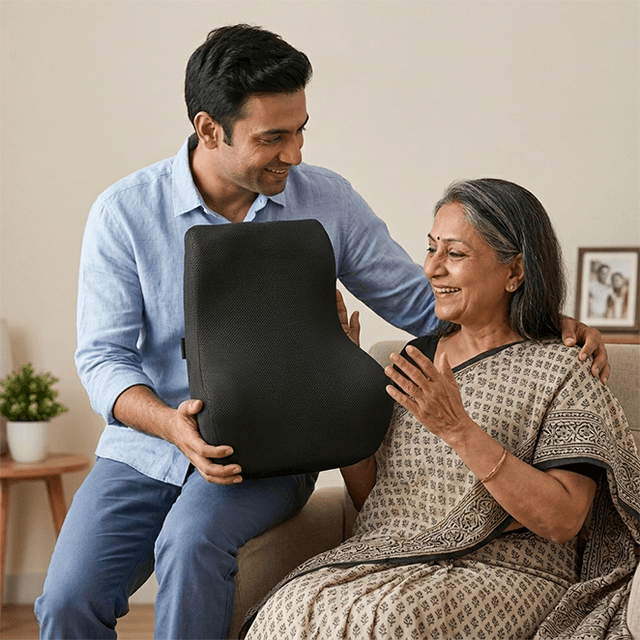
Car and airplane seats can be modified by adding support features. For example, lumbar back support cushions are designed to fill the space where people have discomfort due to a lack of contact between the lower back and the seat back. Having something like this helps to keep your spine in a more physiologically acceptable position, as opposed to experiencing slumped posture. An example of this type of product is the AGEasy Lumbar Back Support, which is designed to strap onto a variety of seats, which also includes bus seats, and is designed to maintain support during prolonged, continuous seated postures that occur in vehicles, including cars, as well as during seated dining (table) postures.
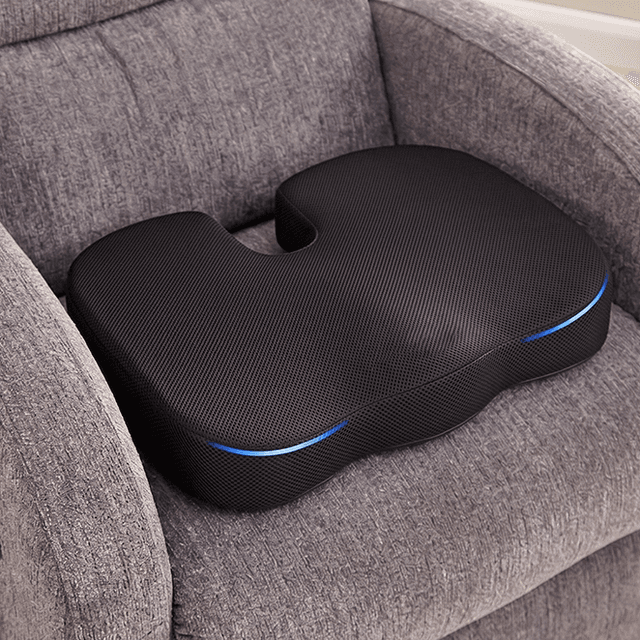
If the primary concern is ease of sitting, direct cushioning of the coccyx may be warranted. A cushion of this type, the AGEasy Coccyx Cushion for Tailbone Pain Relief, utilizes a weight-relieving cut-out design to redistribute and relieve pressure on the coccyx, which also reduces the sharply localized discomfort that many older adults have after sitting for prolonged and uninterrupted periods of time, especially during air travel or car travel.
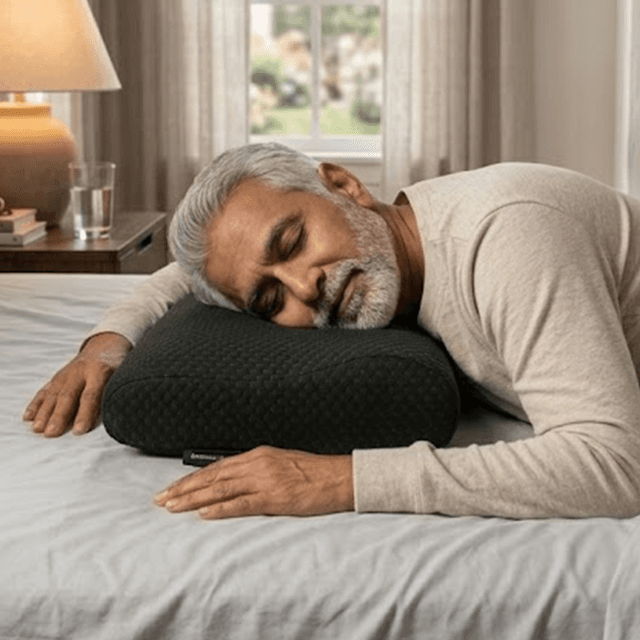
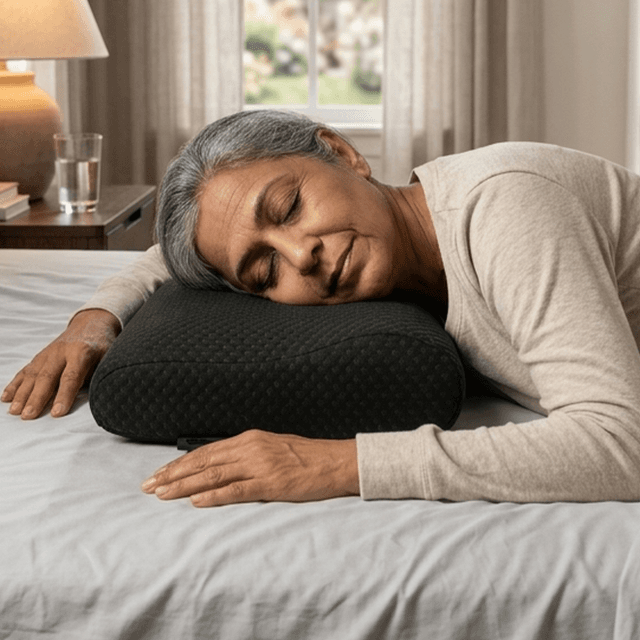
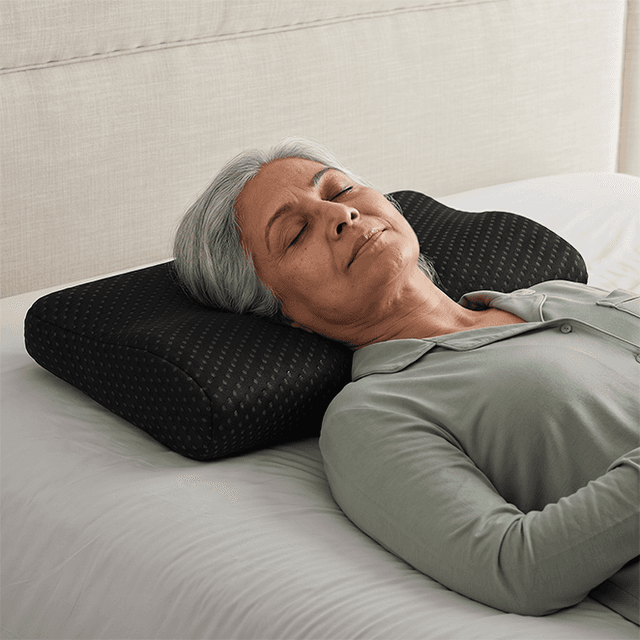
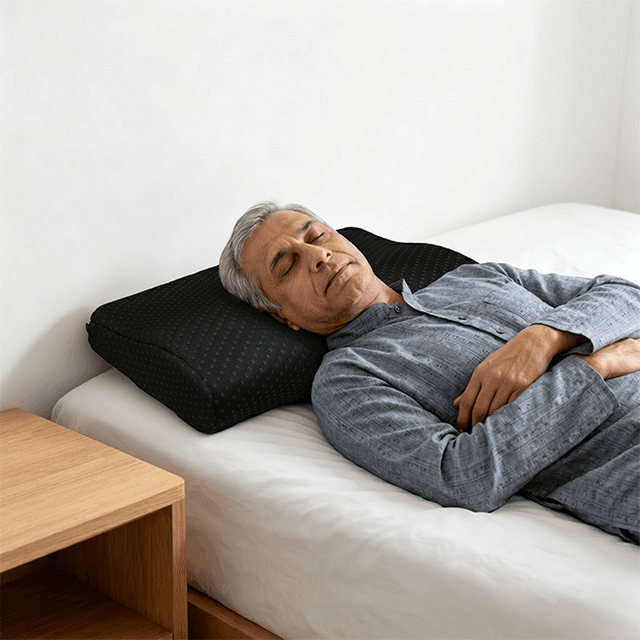
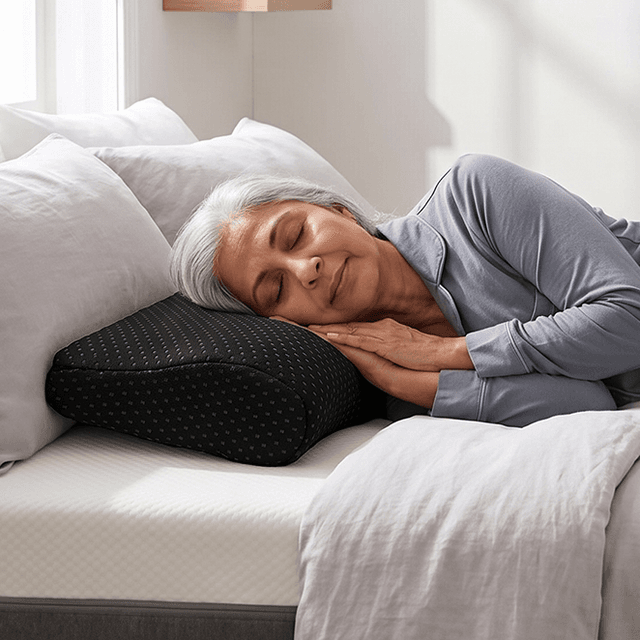
During travel, and possibly even at rest stops, neck support may be warranted due to the increased risk of positioning the neck at a sharp angle during sleep in a car, bus, or airplane seat. A good example of a travel cervical pillow designed to address this neck support issue is the AGEasy Cervical Pillow, which is designed to promote good posture of the neck during sleep.
Consistently planned rests for movement are necessary for any travel that includes driving or flying. On road trips, we should make stops to move about every hour or two, where possible. During air travel, movement of the legs and feet, above and below the seated posture, should occur as soon as the belt-limited seat restraint indication is no longer illuminated. During sustained periods of time where movement is prevented, blood circulation is diminished, and joints tend to remain still in one position.
Encourage the use of knee supports when it is hard to get in and out of a car or airplane. A knee support allows for added stability to the joint when standing and climbing flights, and reduces the strain on a joint with deteriorating cartilage.
Pain relief gels should be carried for pain experienced during the trip. The AGEasy Pain Relief Gel is great because it helps with the pain of stiff muscles and joints at the destination. It does not require you to wait for an oral medication to start working.
Choosing the Right Travel Aids
Not every travel aid is suitable for everyone, and in order to get the most effective aid for your discomfort. A parent primarily suffering from lower back pain will get more use out of a lumbar cushion than a coccyx cushion. If your tailbone is sensitive, you will need a coccyx cushion. If your concern has been neck stiffness after a nap, a cervical pillow will address that need.
Look for travel aids with adjustable straps. They help keep the aid in place with varying seat shapes, be it a car (sedan, SUV) or an economy class airplane. Covers that are washable are also important as multiple days of use can make it unhygienic.
Helping Your Parent Regain Confidence in Travel
With the right support, many older people can find travel intimidating. Parents are more likely to travel once they have grandkids, especially if they have previously avoided travel due to discomfort.
Start with brief journeys to help build confidence. A weekend trip to a local relative can be a way to trial new seating supports before a longer trip. It is best to directly ask about comfort as the trip goes on rather than waiting for complaints. Many older adults will underreport discomfort to avoid causing family members concern.
When to See a Doctor
Travel aids and posture support can help manage discomfort from sitting for long periods, however, if there is pain that continues to be bothersome or gets worse, this requires medical intervention. If your parent has sharp pains, numbness, or tingling in the legs, or pain that does not improve with rest or change in position, it is important to see a doctor or orthopedic specialist. These symptoms could indicate an underlying joint or spinal problem that requires a proper diagnosis and treatment beyond just seating support.
Recommended Blogs







You May Also Like
 No products found
Article by:

Aakash
Article Category:
Cushions & Pillows