

Lumbar Belt Uses: 6 Conditions It May Genuinely Help
Aug 30, 2026
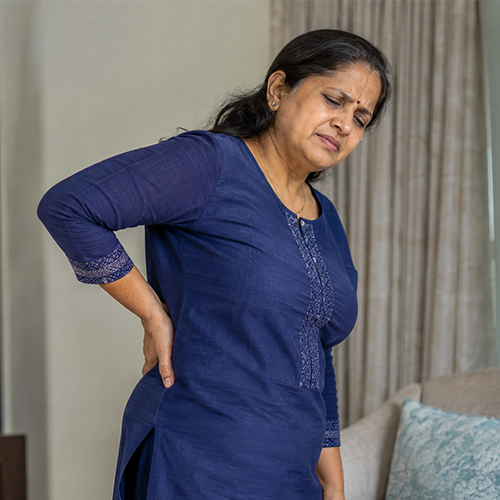
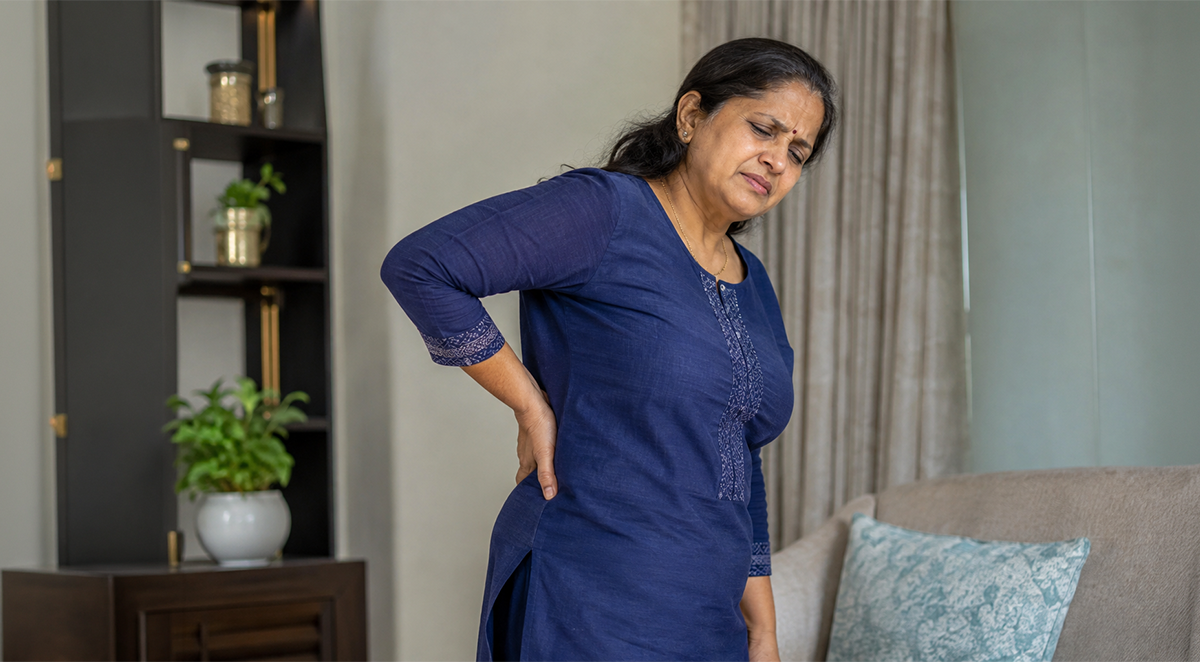
When your parent grabs onto a chair for support while standing, it may be time to consider whether additional back support is appropriate. However, choosing a lumbar belt requires more than simply looking for the strongest support available.
A lumbar belt should fit properly, match the problem it is intended to support, and form part of a broader care and movement plan.
Back support belts will not heal spinal disc tissue, reverse the effects of spinal aging, or eliminate the need for medical care. They may slightly restrict painful movement, provide gentle pressure around the lumbar region, and act as a reminder to maintain posture and avoid sudden bending movements.
The goal of using a back support belt should be to manage discomfort during appropriate activities while the underlying cause of the pain is evaluated when necessary.
For caregivers, the important question is not simply whether a lumbar belt is good or bad. Consider how the belt affects your parent's symptoms, daily routine, movement, and comfort, along with the advice provided by their healthcare professional.
What Does a Lumbar Belt Do?
Depending on the design, lumbar belts can provide warmth and/or firm compression during movement while increasing awareness of posture. Some designs use flexible stays or a contoured shape to follow the natural curve of the lower spine.
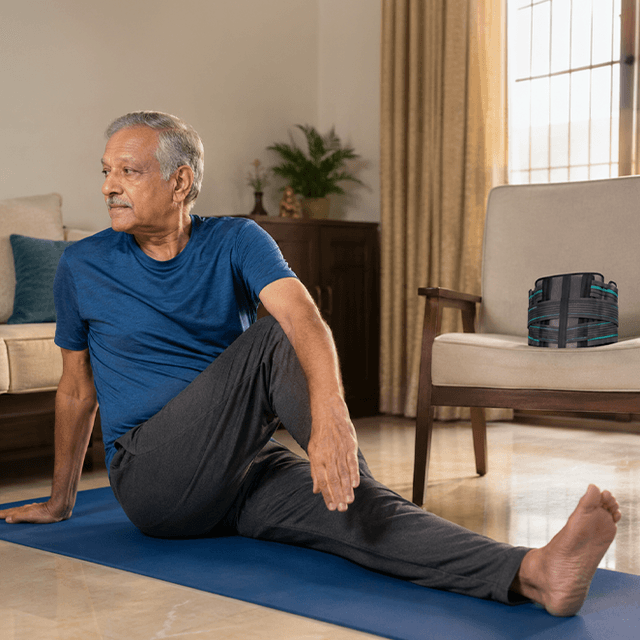
The AGEasy Lumbo Sacral (LS) Belt has an ergonomic, contoured design with flexible compression. The current product listing describes features including an ergonomic contoured design, firm yet flexible compression, breathable fabric, and dual adjustable straps.
These features relate to the design and fit of the belt. The appropriate duration and suitability of use should still be determined according to the individual's symptoms and, where necessary, their healthcare professional's recommendations.
A lumbar belt is a temporary support measure. Regular use without appropriate movement, strengthening exercises, or clinical evaluation will not address the underlying concern.
A belt should not cause numbness or tingling, difficulty breathing, skin irritation, or increased pain when worn.
1. Acute Lower Back Muscle Strain
Most muscle strains occur after heavy lifting or twisting, excessive work in one position, or a rapid change in activity. Pain may become worse with standing, bending, or turning.
A lumbar belt may provide some support during short activities, such as going to the bathroom or preparing a meal.
Use it alongside relative rest and gentle movements as directed by a physician. Complete bed rest should not be used unless a doctor has specifically advised it.
Seek medical evaluation promptly if the pain is severe, occurred after a fall, or does not improve.
2. Mechanical Low Back Pain
Mechanical low back pain can be associated with activities such as prolonged sitting, reduced activity, gardening, travel, or poor sleeping posture.
A lumbar belt can provide support and encourage a more appropriate position during an activity that causes discomfort.
It may be useful for short periods, such as when standing in the kitchen, taking a short walk, or travelling by car. The belt should be removed during rest.
If back pain continues after several uses, the underlying cause should be assessed by a physician rather than simply increasing belt use.
3. Lumbar Spondylosis
Lumbar spondylosis refers to degenerative changes in the lower spine. Some people with these changes have no symptoms, while others experience stiffness, aching, and reduced tolerance for standing or walking.
A lumbar belt does not correct these degenerative changes. However, it may help some people feel steadier during activities such as standing or walking by limiting excessive movement and providing gentle support.
If your parent has a known diagnosis, follow the wearing instructions provided by their healthcare professional.
Support should be combined with appropriate activity and prescribed exercises. Remove the belt if wearing it aggravates symptoms in the lower legs.
4. Pain Associated With Lumbar Disc Problems
Pain associated with a disc bulge, disc herniation, or prolapsed disc may radiate to the buttock or leg.
When approved by a healthcare professional, a lumbar belt may provide limited support during a specific activity by providing a sense of support and limiting painful bending.
A lumbar belt does not address nerve-root impingement or prevent a disc protrusion from progressing.
Seek immediate medical attention for numbness, loss of bladder or bowel control, or leg weakness. Do not rely on a lumbar belt for these symptoms.
When a healthcare professional has approved its use, avoid prolonged or continuous wearing and ensure that the belt is not fastened excessively tightly.
5. Posture-Related Lower Back Discomfort
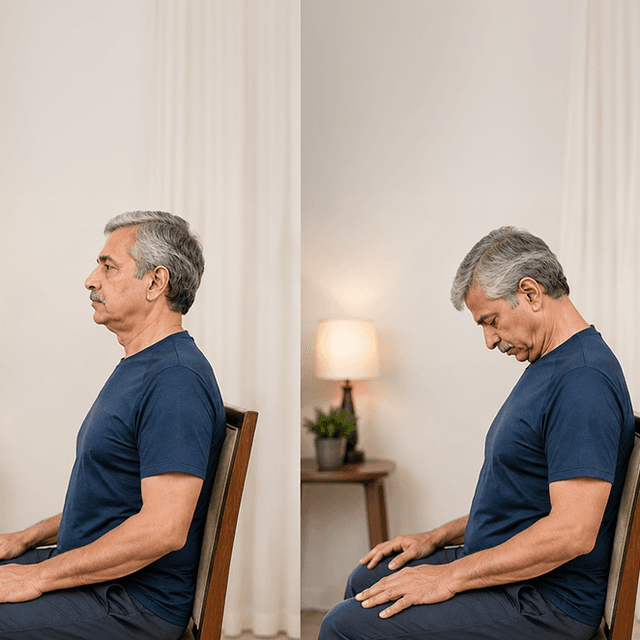
Some adults develop lower-back aching while sitting with a rounded back, leaning to one side, or using seating without adequate support. Poor sitting posture may also be influenced by vision problems, muscle weakness, balance issues, or fatigue.
A lumbar belt can increase awareness of posture by providing a physical reminder to maintain a more neutral position.
Its benefits may be noticed during activities such as reading, computer work, or longer trips.
Other changes to the physical environment can also encourage a neutral sitting position. These include using a more supportive chair, keeping both feet flat on the floor, placing frequently used items nearby to avoid repeated reaching, and changing position regularly.
A belt should not be used to force an uncomfortable posture or keep the body in one position for an extended period.
6. Temporary Support After a Back Procedure or Injury
After some procedures or injuries, a physician may recommend external support during recovery. In these situations, the belt may provide comfort while limiting certain activities of daily living.
The appropriate type of support, fit, and duration will depend on the specific injury or procedure.
Always follow the instructions provided by the surgeon or physical therapist.
A general-purpose lumbar belt should never be used as a replacement for a prescribed brace. If your parent has recently undergone surgery, discuss any belt purchase with the clinical team before use.
How to Select and Use a Lumbar Belt
Start with the diagnosis, the activity that causes discomfort, and the amount of time for which support is needed.
Consider:
- What movement causes the pain
- How long the activity lasts
- Whether a physician has recommended using a lumbar belt
- Whether light compression or greater support is appropriate
- Whether the belt remains comfortable throughout the activity
Check the fit while the wearer is standing or seated. The belt should not restrict breathing or digestion by pressing excessively against the ribs or abdomen.
Avoid allowing the belt to roll from the hips onto the stomach. Check the skin regularly for irritation, particularly if your parent has diabetes, thin or fragile skin, reduced sensation, or a history of pressure injuries.
Follow the manufacturer's directions for washing, fitting, and recommended wear time. Limit use to the advised duration and remove the lumbar belt during sleep unless a physician has specifically advised otherwise.
If pain decreases over time, review whether continued belt use is still necessary rather than automatically continuing the same routine.
When to Seek Emergency Care
Severe back pain following a fall requires urgent medical assessment. New back pain in a person with known cancer also requires prompt medical attention.
Back pain accompanied by fever or unexplained weight loss should also be medically assessed.
Seek emergency care for new weakness, significant numbness, difficulty walking, or changes in bladder or bowel control.
These symptoms should never be managed simply by tightening or continuing to wear a lumbar belt.
The Bottom Line
A lumbar belt may be useful in specific circumstances to manage discomfort associated with movement for a limited period.
It should be selected according to the individual's condition and activity, fitted correctly, and used within the recommended limits.
A lumbar belt should not replace medical evaluation, prescribed rehabilitation, strengthening exercises, or an appropriate treatment plan.
If your parent has persistent or worsening pain, numbness, weakness, difficulty walking, or symptoms following an injury or surgery, speak with a healthcare professional before relying on a lumbar belt.
Disclaimer: This article is intended for general education and does not replace medical advice, diagnosis, or treatment. Lumbar belts should be used according to appropriate medical guidance, particularly after an injury or surgery or when pain, numbness, weakness, or difficulty walking is present.