

Cervical Collar Uses: Soft vs Hard, and the Mistake That Prolongs Neck Pain
Aug 30, 2026
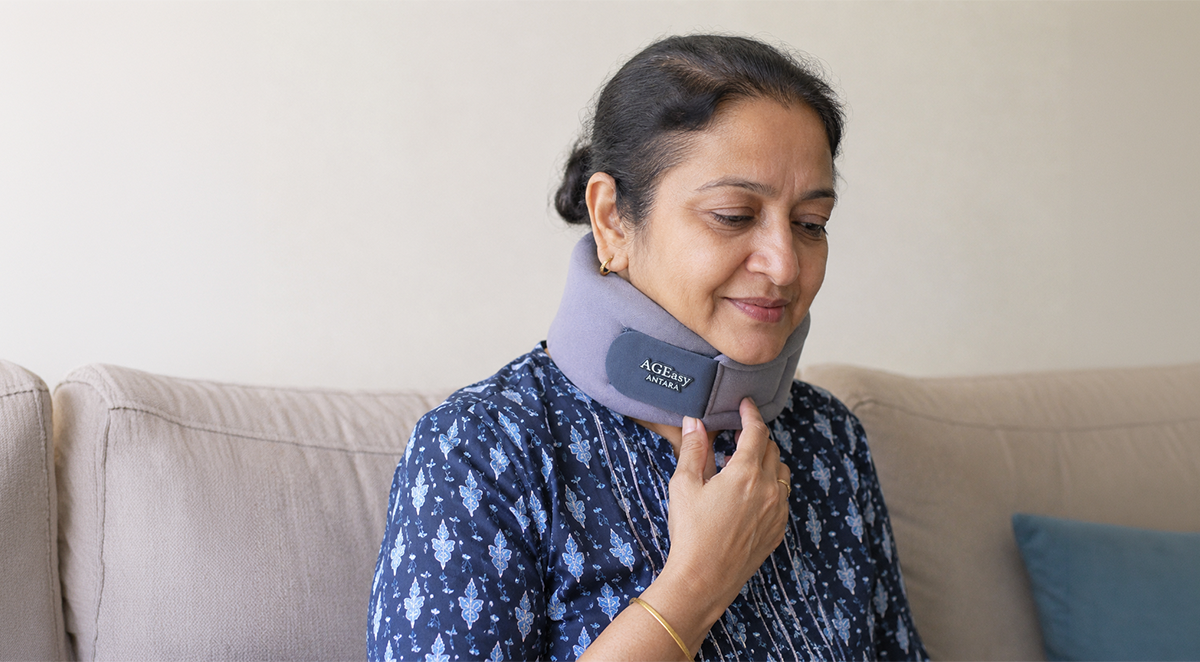
When your parents start having a difficult time turning to get something from the bedside table because of neck stiffness, a cervical collar may seem like an easy solution. However, neck pain may persist if the collar is worn at the wrong time or with an inappropriate level of support.
The more important question is whether your parent needs short-term protection, gentle support, or a medical examination.
Families often reach for a collar as soon as neck pain begins. Increased tightness can also be mistaken for increased support. Some people then keep the collar on throughout the day because they believe removing it will make the pain worse. Wearing a collar continuously without an appropriate plan can restrict movement and may contribute to ongoing discomfort.
What Is the Use of a Cervical Collar?
A cervical collar is used to support and, when appropriate, restrict movement of the neck. Depending on the situation, collars may be used following a neck injury, neck surgery or procedure, or for certain neck conditions. They may also be recommended for temporary comfort during painful movements.
Wearing a collar does not determine or treat the underlying cause of neck pain. In older adults, neck pain can result from muscle strain, sleeping position, falls, age-related changes, or nerve irritation. Each cause may require a different approach.
A cervical collar should therefore be used in addition to appropriate medical assessment when required, rather than as a replacement for it.
Soft Collar vs Hard Collar: Uses and Limitations
Soft Cervical Collar
A soft collar generally has a padded foam core and fabric covering. It provides minimal support and can act as a reminder to avoid sudden or excessive neck movements.
At a physician's discretion, a soft collar may be used for short periods in mild cases of neck stiffness or strain. Some older adults may find a soft collar more comfortable during a medically advised rest period or a short trip.
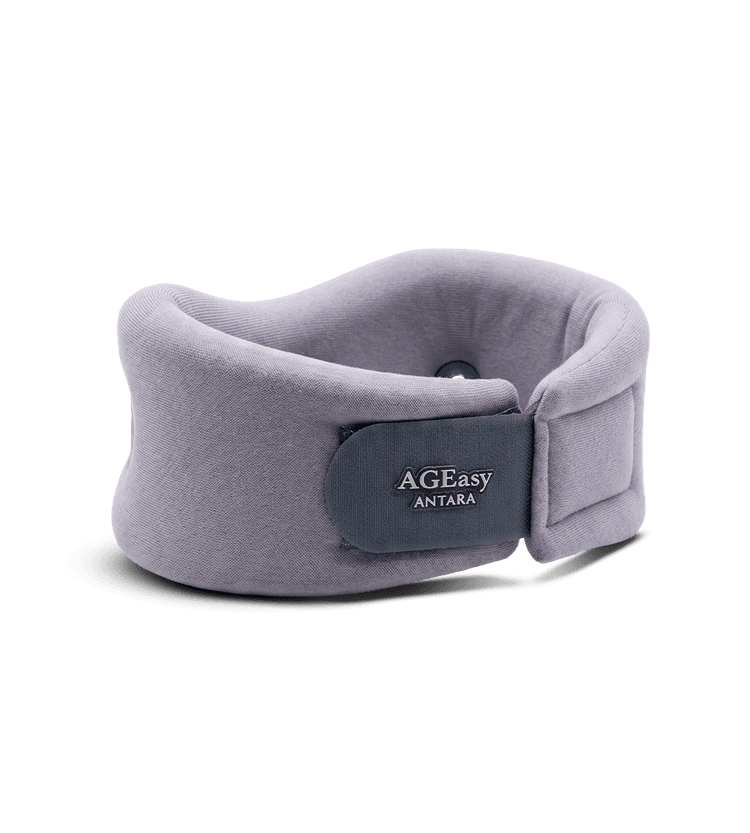
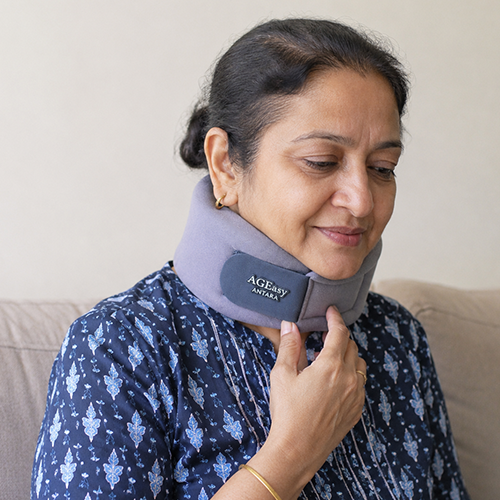
The AGEasy Cervical Collar is one example of a soft cervical collar. The current product page describes it as having a lightweight, breathable material and a curved anatomical design. These product features relate to comfort and fit; they do not determine how long the collar should be worn.
A soft collar has important limitations. It is not designed to immobilize a serious neck injury. It also should not be relied upon as the sole treatment when pain travels down the arm or when the person experiences numbness or weakness.
Hard Cervical Collar
A hard collar has a rigid outer structure and provides more support and movement control than a soft collar.
Hard collars may be prescribed following trauma, suspected fracture, or surgery. The correct size and positioning are important because they affect the alignment and support provided to the neck.
A hard collar should not be selected or used casually without professional guidance. Incorrect use can cause discomfort while eating or sleeping and may place pressure on the skin.
Older adults may be particularly vulnerable to skin breakdown, reduced sensation, or circulation problems, making regular monitoring important when a rigid collar is prescribed.
Soft Collar vs Hard Collar
| Feature | Soft Collar | Hard Collar |
|---|---|---|
| Primary purpose | Support and comfort | Greater support and movement control |
| Typical use | Selected mild cases or medically advised short-term use | Higher-risk situations when medically prescribed |
| Comfort | Generally more comfortable | Less comfortable but more restrictive |
| Professional guidance | Recommended when symptoms persist or the cause is uncertain | Essential for appropriate sizing, positioning, and duration |
The choice between a soft and hard collar depends primarily on the cause of the neck problem and the findings of an appropriate examination. Online reviews or the assumption that more support is always better should not determine the choice.
If a physician has prescribed a hard collar, follow the prescribed instructions exactly.
The Mistake That Can Prolong Neck Pain
One of the biggest mistakes is wearing a collar continuously without a clear medical or rehabilitation plan.
Restricting neck movement for too long can contribute to muscle weakness and stiffness. Families may also become reluctant to remove the collar because the neck feels uncomfortable when movement returns.
This does not mean that a cervical collar should never be used. It means that the wearing schedule matters.
If a therapist has recommended a collar, ask when your parent should remove it, which movements are safe while wearing it, and whether gentle exercises or physiotherapy should be included in the recovery plan.
Do not adjust the tightness simply because the neck hurts. Pain is not a reliable guide for deciding how tightly a collar should be fitted.
How to Use a Cervical Collar More Safely
Make Sure It Fits Correctly
The collar should feel secure without being excessively tight. Your parent should be able to breathe, swallow, and talk normally.
Follow the sizing instructions provided with the collar. If the collar is being used following an injury, have a therapist or other appropriate healthcare professional check the fit.
Check the Skin
Remove the collar at the recommended times and inspect the skin for redness, blisters, broken skin, or other signs of irritation.
For a hard collar, follow the prescribed instructions for removing and cleaning it. Skin under pressure can deteriorate quickly, particularly in older adults, so report signs of skin damage promptly.
Consider Everyday Activities
A collar should not create unnecessary risks during eating, drinking, walking, or sleeping. Keep frequently needed food, medicines, and other items within easy reach so your parent does not have to repeatedly turn their neck to access them.
Follow the specific instructions provided by the healthcare professional, particularly when the collar has been prescribed after an injury or surgery.
Support Recovery Beyond the Collar
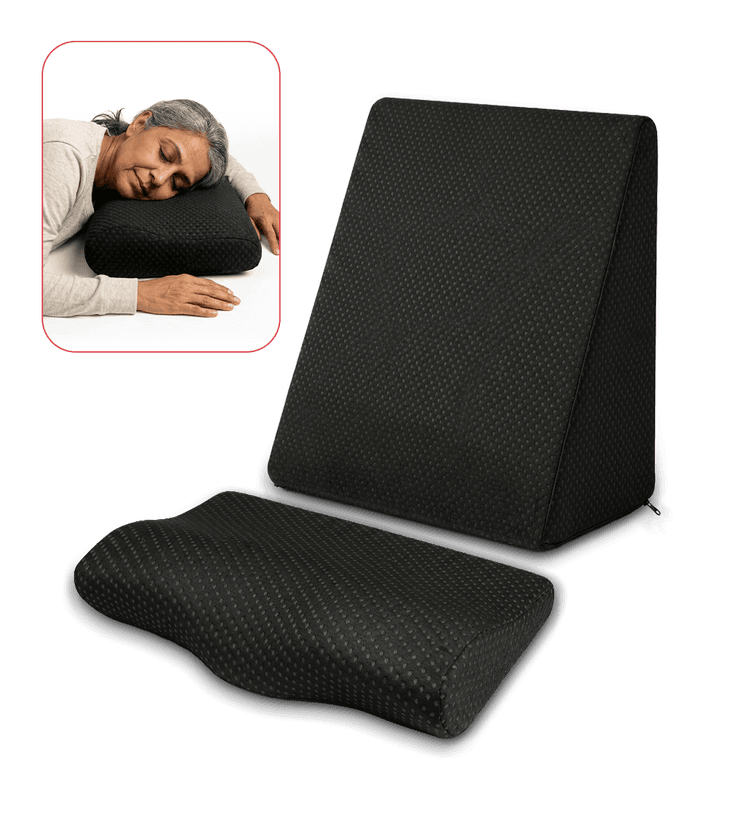
Sleep comfort can also matter when managing neck stiffness. A pillow that helps maintain a neutral head position may reduce overnight strain.
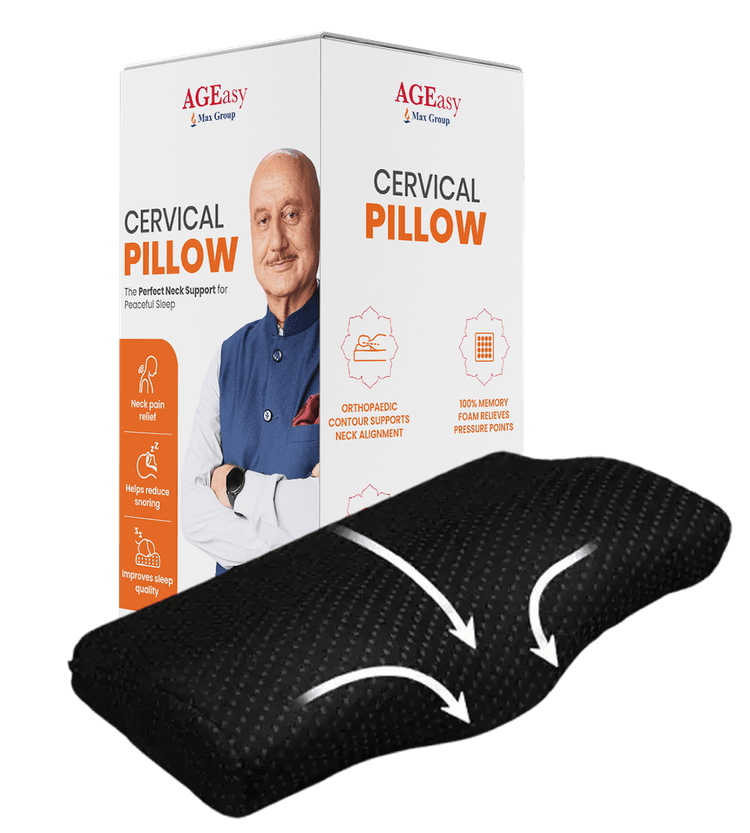
The AGEasy Cervical Pillow is described on the current product page as a high-density memory foam cervical pillow with a breathable, washable cover. These features may support sleep comfort, but a supportive pillow does not itself treat or heal a neck injury.
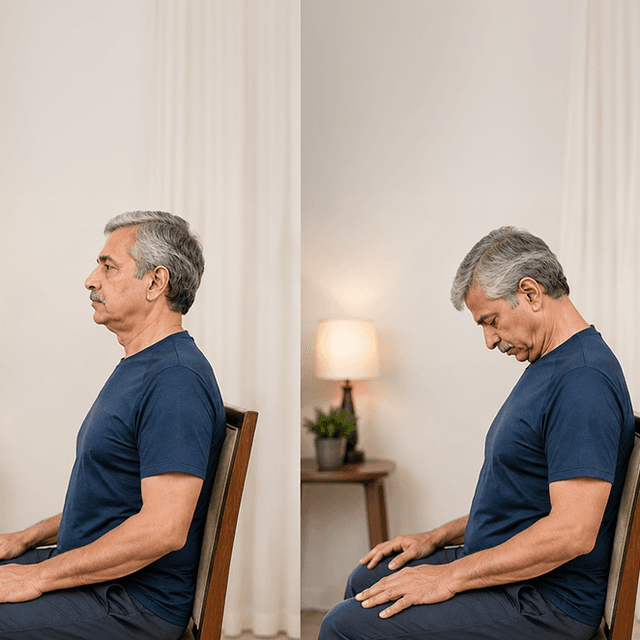
Movement and exercise recommended by the physician or physiotherapist should be encouraged. When reading or using a screen, keep the screen at eye level and avoid keeping the head in a flexed position for long periods.
Older adults may benefit from frequent activity breaks rather than one long period of exercise. If pain remains persistent and movement continues to decrease, seek a rehabilitation plan from a physiotherapist.
When to Seek Medical Care
After a fall, road accident, or blow to the head or neck, seek emergency medical care, particularly when symptoms are severe or concerning.
New weakness, numbness, loss of balance, difficulty speaking, difficulty swallowing, difficulty breathing, or loss of bladder or bowel control should be treated as urgent symptoms.
Arrange a routine medical assessment if neck pain continues for several days, repeatedly returns, or disrupts sleep or rest.
A physician can assess the course of the pain, review medications and related medical issues, and determine whether imaging, physiotherapy, or other treatment is appropriate.
The Right Collar Is the One That Fits the Problem
For mild discomfort where some movement is still appropriate, a soft collar may be considered when guided by a healthcare professional. A hard collar generally signals a more specific medical plan and should not be selected casually.
If your parent is experiencing neck pain, the goal should not simply be to immobilize the neck. The priority is to identify the cause, use appropriate support when needed, and create a safe recovery plan that allows movement to return at the appropriate stage.
Disclaimer: The information provided is not a substitute for a doctor's advice when it comes to evaluating an injury, making a diagnosis, or developing a care plan.