
Nebulizer Parts Explained: Mask, Chamber, Tubing, Mouthpiece & Filter — What Each Does and When to Replace
Aug 12, 2026
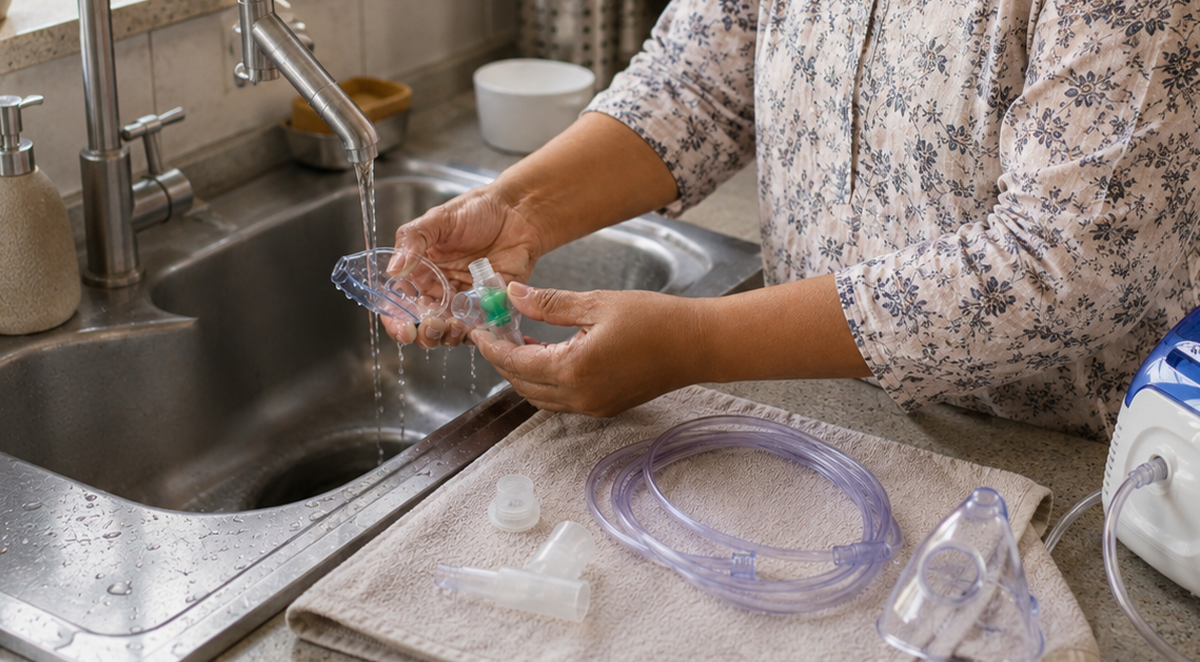
Considering how a nebulizer works, it is important to understand the purpose of each component and how replacement parts impact functionality and effectiveness. A broken filter, cracked chamber, and misfitting mask are all problems that should not be ignored as they can cause medication to be dispersed into the air rather than delivered to the patient's lungs. Without the proper maintenance and equipment a patient will be left wondering why their treatment does not feel effective.
In most cases, patients are unaware that the packaging of the nebulizer should be seen as a temporary solution to a long term problem. Nebulizer components are meant to be replaced as the wear and tear occurs but without anyone to remind these patients to replace them they are left with old and dysfunctional parts. This can be problematic for many reasons.
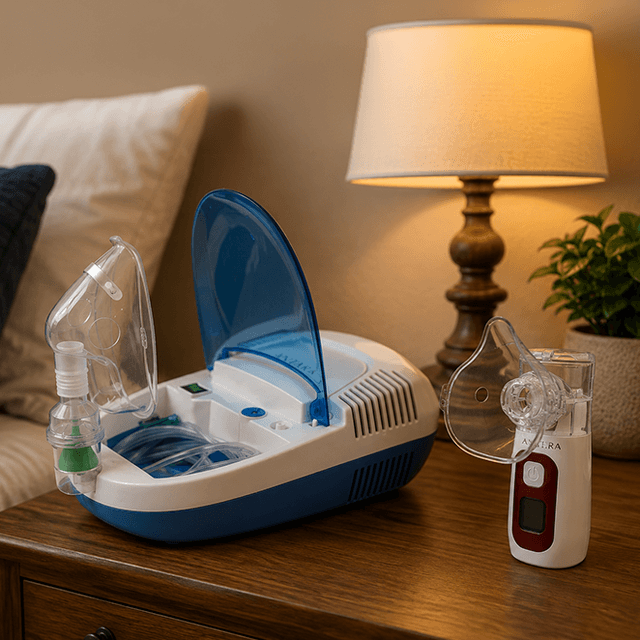
Each part has a specific job with nebulizer. The mask delivers the medicine, the chamber generates the mist, the filter keeps the machine clean, and the mouthpiece controls the flow and direction of the medicine. The tubing retrieves the air current and maintains the flow system to make sure that air is delivered to the medicine.
We understand that you may have questions regarding the replacement and cleaning of these different parts so we have assembled this guide to provide clear, concise, and easy to understand medical terminology. We hope that it explains clearly the purpose of the parts so that you are confident that your nebulizer will do its job.
The Medicine Chamber: Where Everything Begins
The nebulizer cup, also referred to as the chamber, is the component of the device that transforms your liquid medication into vapor that can be inhaled deep into your lungs.
The cup, which usually has a capacity of 6–8 ml, serves an important function in the operation of the device.
The compressor pushes air through the chamber at high pressure. That air impacts the liquid medication and breaks it down into microscopic droplets, particles small enough to go past your throat and into your airways. The finer the mist, the deeper it penetrates.
What goes wrong: After each use of the device, build-up residue is left behind in the chamber. As time passes, this can lead to clogging of the jet opening, the opening which creates the mist. When this happens, the time taken to administer the treatment increases and more medicine is consumed, while the treatment is less effective.
Chambers that are cracked are even worse. Even a hairline crack alters the pressure dynamics of the device. The mist is not created properly and then treatment is not as effective. Even if you do not see cracks in the chamber, you may very well feel the difference in the treatment.
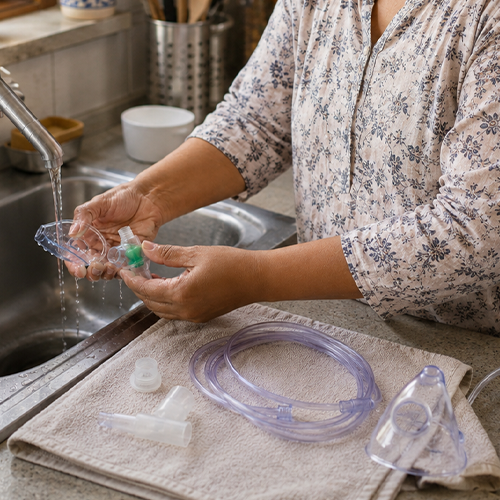
Cleaning: After every use of the device, rinse the mask with warm water and air dry. Avoid letting moisture sit in the mask because it can produce bacteria.
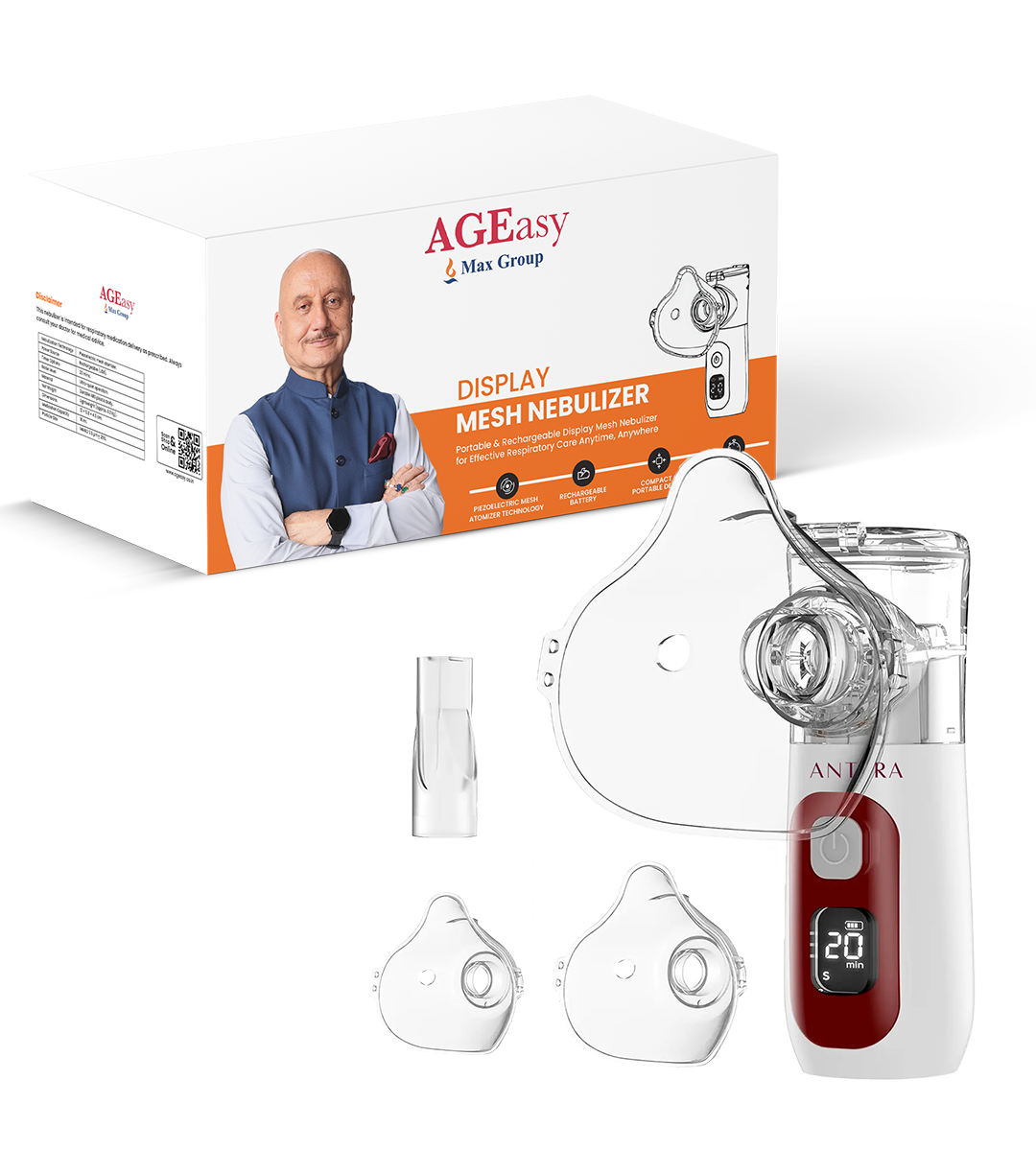
Mask Replacement: The mask should be replaced every six months, or sooner if there are any stains, discoloration or cracks. All nebulizer kits, including the AGEasy Compressor Nebulizer, come with replacement masks, and are easy to source when you need one.
Nebulizer Mask: Closest Touch
The mask is the most tight-fitting and the closest part to you. It will hold all the medicine and decide how much of the aerosolized medication will enter your lungs and how much will be lost to the surrounding area.
An effective mask will seal all around your nose and mouth with no gaps. The seal should be void of any gaps on the cheeks and chin, and those are the areas that will lose medication to their breath. You may not notice it, but your lungs will.
There is a reason that masks come in two sizes. An adult mask will not seal adequately on a child's face and will be ineffective. Conversely, a child mask will be ineffective and uncomfortable. This is true not only for comfort but also for treatment.
Additionally, this is a large part of the significance of including two of each size in the kit; it is a huge compromise on your treatment if you use the wrong mask. The AGEasy nebulizer kit is designed with this in mind, which is why it comes with one adult mask and one child mask.
What goes wrong: Masks deteriorate over time. The rubber edges become rigid and less pliable which leads to the formation of gaps in the mask seal. During proper mask application, gaps may be formed due to rigid edges of the mask. The mask fit is also affected by strap stretching which may lead to a loose fit and allow the mask to become a reservoir of bacteria and other contaminants if not cleaned on a regular basis.
When to clean it: Masks should be cleaned after every use. This may be done by washing the masks using warm water with some mild detergent and rinsing it thoroughly. To dry the masks, avoid using towels that may deposit lint, and instead hang the masks to air dry.
When to replace it: Masks should be replaced every 3-6 months, or sooner if the mask has stiff edges, worn straps, or if there are unremovable stains.
The Tubing: The Quiet Workhorse
No one thinks about the tubing, which is the first problem.
The tube is how the compressor and the medicine chamber are connected. The tube transports the pressurized air needed for the nebulization process. If the medicine chamber doesn't have consistent airflow, it will not create mist efficiently. No mist, no treatment, and all you will hear is the sound of a machine running.
While it may look like a simple tube, the tubing's role is to maintain airtight airflow from the compressor to the chamber.
What goes wrong: The tubing can kink, and crack at the bends of the connections. It can become discolored from the inside, which is a sign of trapped moisture, and this becomes a contamination risk if the tube is carrying air into the medicine chamber.
Though the device may sound normal and the chamber may produce some mist, pinhole leaks are a hidden issue. The pressure is dropping somewhere in the line, and medicines are not being atomized properly.
Cleaning: It is advised to use a dry wipe to clean the tubing. To clean the inside, it should absolutely remain dry. If moisture is in the tube, after use, hang it to dry and allow it to air out.
Replacing: This should be done every six months to a year, or immediately if you notice permanent kinks, discoloration, or a decrease in mist output that is not due to a clogged filter or chamber.
The Mouthpiece: Precision Over Coverage
For older children and adults, the mouthpiece is the mask alternative that is often more effective.
This is due to the fact that masks cover the entire face, including the nose. This means that when some people use a mask, they are using a device that traps some of the medication in the nasal passages. Some of the medication can be absorbed by the passages before it arrives at the lungs, which decreases the effectiveness of the treatment. This is the principle behind mouthpieces. They create a direct path for the medication to go into the mouth, where it can then be targeted directly to the lower airways.
Devices that target the bronchi, as well as the deeper lung tissues are critical for the effective treatment of conditions like asthma or COPD. Mouthpieces are usually the more effective option as they can provide a greater flow of medication to precisely where it is needed.
The technique matters though. You need to breathe slowly and deeply through your mouth, with your lips sealed around the mouthpiece. If you breathe through your nose while using a mouthpiece, you lose most of the benefit.
What goes wrong: The mouthpiece directly contacts your saliva and the residue from your medications. This means a buildup of gunk happens quickly. Additionally, if the mouthpiece is made of a thinner plastic, a small crack at the bite point can form and that crack will introduce an air leak, thus reducing the effectiveness of the mouthpiece.
When to clean it: After every single use. The mouthpiece is the most hygiene-critical element of the entire kit because it has direct oral contact. You should rinse it, wash it with soap, rinse it again, and then air dry it completely.
When to replace it: Every 3–6 months. If you see any cracks, cloudiness, or residue that will not come off even after multiple cleanings, you need to replace it immediately.
The Filter
The filter is the component that most people forget about until it is too late.
The filter is supposed to be a barrier between the air and your medicine.
Here's what happens: the compressor in your nebulizer sucks in air from the environment. That air contains dust and other irritants such as allergens, pet dander, and other particles. That air is then pressurized and forced through the chamber that contains your medication. If the air that enters the compressor is dirty, that dirt goes everywhere in your system including your lungs.
So the filter is at the intake of the air. Its purpose is to filter the air before it gets inside.
An unblemished filter contributes to clear airflow. Clear airflow generates steady pressure. Steady pressure leads to productive nebulization. The filter is the first component in this chain.
Issues that arise: The filter becomes dirty and stops working, due to its function of capturing particles. Over time, filters can build up a substantial amount of debris. A dirty filter causes the airflow to be partially obstructed. Reduced airflow decreases the pressure in the compressor. Decreased pressure makes the chamber fail to properly atomize the medication and results in a mist that is weaker, coarser, and does not go as deep.
In more severe cases, a filter that is clogged will cause the compressor to work harder than intended. This will lead to a shortened life for the entire machine.
AGEasy knew that filters would need replacing most often, so they included 5 of them in the kit, ensuring that running out of filters wouldn't cause patients to skip treatments.
How often should filters be replaced? Filters should be replaced every 1-3 months, depending on usage and air quality. You can replace it if it appears grey/color blocked when you hold it up to the light. Don't wait for the performance to drop before you act.
The Functioning Parts and Framework
It's best to think of it as a system.
The filter gets rid of dirty air, while the compressor pressurizes the clean air. Then tubing carries pressurized air to the chamber. The chamber turns the medication into ultrafine particles using that pressurized air. Those particles are delivered to your airways through the mouthpiece or mask.
You need all the parts to get the best results.
A dirty filter reduces airflow. The medication delivery system works on the principle of weak airflow, weak mist, and poor delivery of medication, and treatment is therefore ineffective without the patient's knowledge.
Replacement Schedule
You can stop memorizing the parts and say what needs to be done.
- After every use – Chamber and mask and mouthpiece should be cleaned and tubing aired out.
- Every 1–3 months – Filters are to be replaced every 1–3 months. More often if your home is dusty or you use the nebulizer daily.
- Every 3–6 months – Change the mask and mouthpiece. Inspect the tubing for any twists or color changes.
- Every 6–12 months – Replace the tubing and chamber. You may want to replace all the accessories.
- Immediately – Replace any items that are cracked, discolored, hardened, or are not producing mist like they used to.
Picking a User-Friendly Nebulizer
Starting with a pack that contains everything you need for replacements is the best way to keep up with changes.
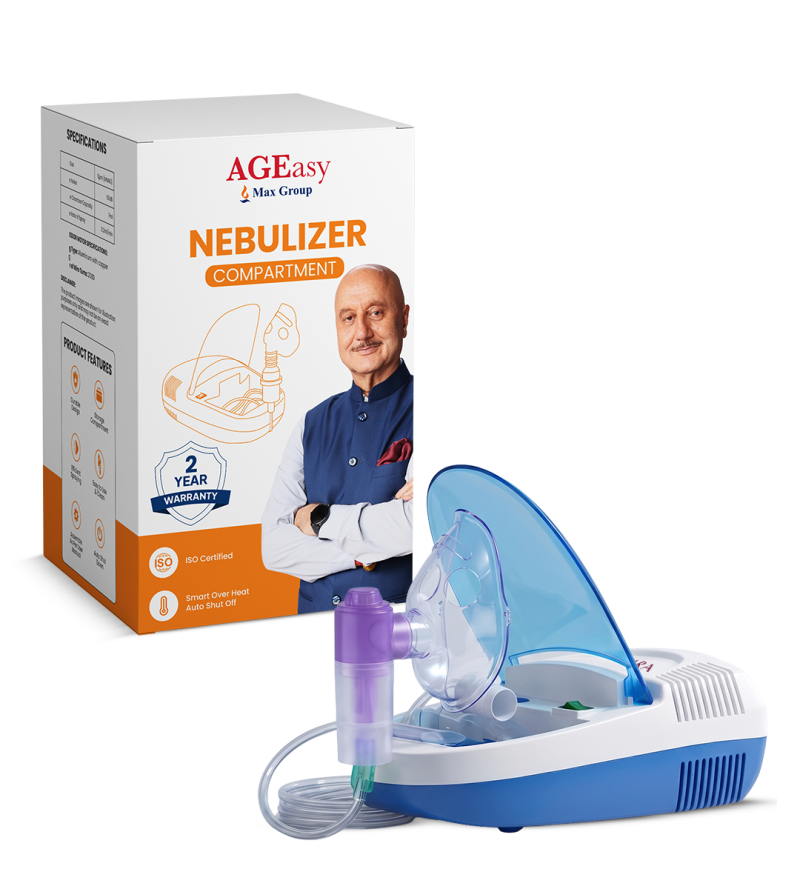
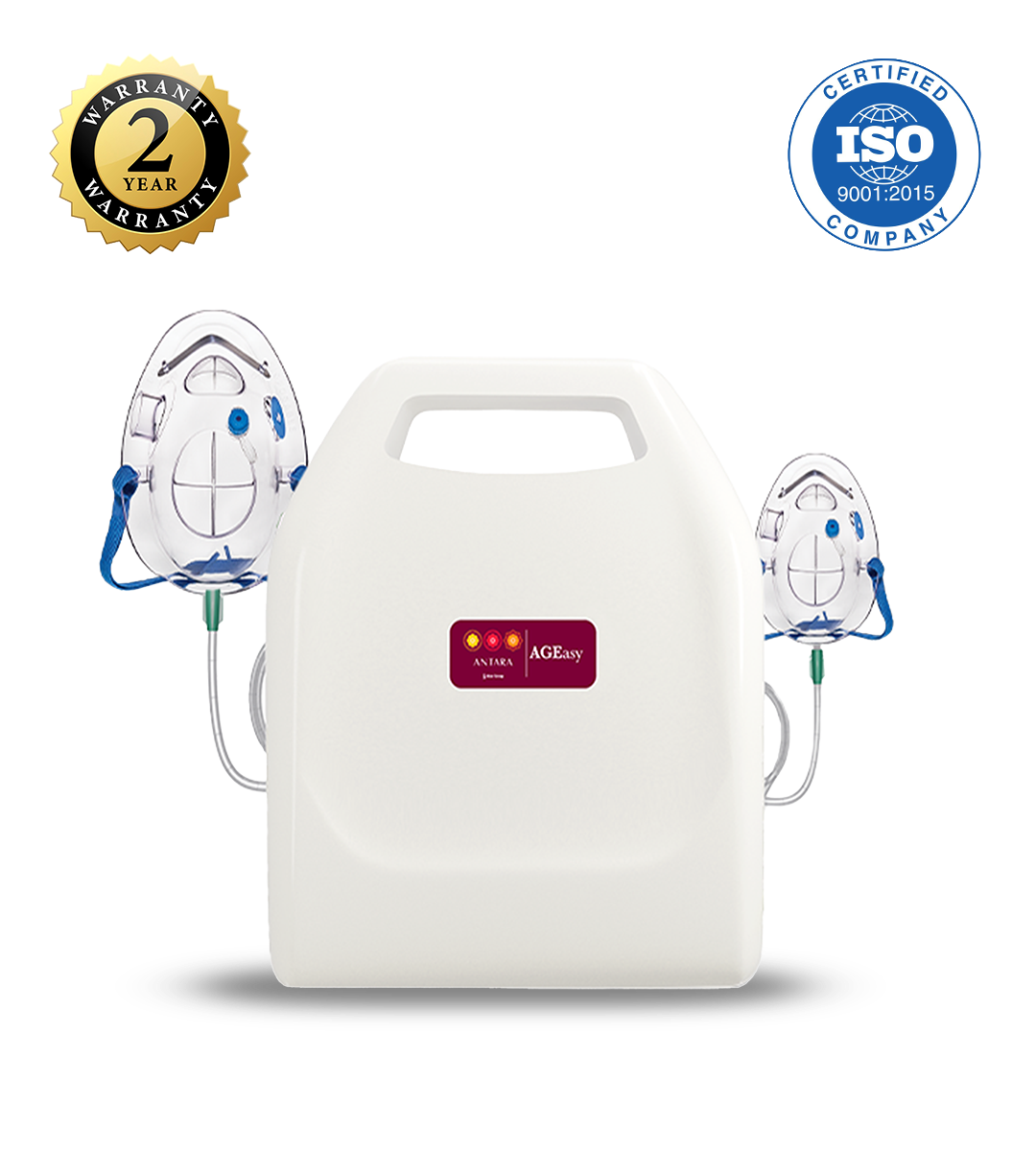
The AGEasy Compressor Nebulizer has been made with this goal in mind, it includes a medicine chamber, masks for adults and children, a mouthpiece, tubing, and 5 filters. ISO13485 certified for medical device safety and having a 2-year warranty, it provides you with everything you need to begin treatment properly and maintain it that way.
For those dealing with more delicate respiratory issues, the AGEasy Premium Nebulizer with HEPA Filter goes a step further, the HEPA filter ensures that the air used to drive your treatment is as clean as possible, eliminating 99.97% of airborne particles before they enter the system.
The quality of your treatment goes beyond the medication. It is important for every component of the system to work.
The Bottom Line
The majority of people use their nebulizer like a kitchen appliance. They use it, then store it away and only think about it when something breaks.
This is not the way to think about your nebulizer.
A nebulizer is a device used to deliver medication directly to the lungs. Each component plays a specific role in transferring medication from a bottle to your lungs. When a component wears out, the entire system starts to underperform, quietly, gradually, and easily to overlook.
Take the time to clean the components, replace them when necessary, and when you are ready to invest in a new system, look for one where the entire kit is available, parts are designed to be replaced, and the system is constructed to be long lasting.
Every treatment goes into your lungs.
They deserve an operational nebulizer.