


COPD Symptoms in Seniors: Early Signs to Watch For
Article by: Shikhar
Jul 17, 2026. 7 min read
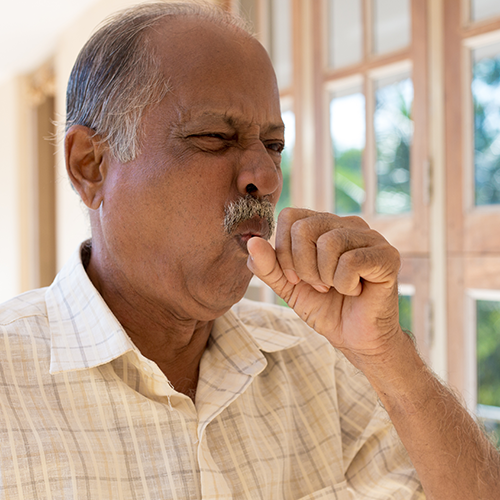
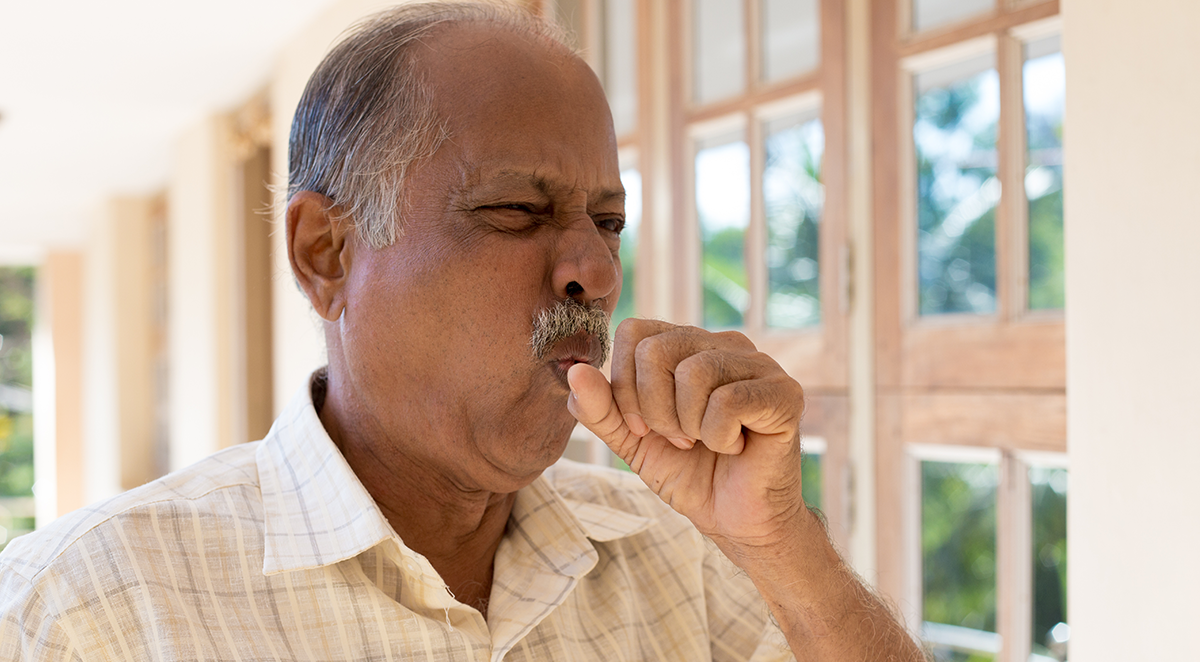
Your parent is unlikely to tell you that they think they have a terminal illness. Instead, they refer to their 'condition' as being, 'older.' They are walking slower than before, they are stopping more frequently to catch their breath, they are ending their daily walks, and they try to ignore the cough they have had for months.
The most severe misjudgment is thinking that breathlessness is a natural part of aging. It is not.
A cough that does not go away, breathlessness with daily activities, new wheezing, and the quiet cessation of previously enjoyed activities are not simply signs of older age. They are most likely signs that the lungs are not functioning properly.
Ignoring these changes may result in your parent losing more and more lung function before finally seeking help, becoming increasingly inactive as their breathing becomes more difficult, mistaking a condition that is easily treatable for old age, and suffering more frequently from exacerbations and hospitalizations.
Timely recognition of these changes allows you to encourage an appropriate medical assessment, assist in keeping your parent active for as long as possible, and most importantly, to maintain their independence and improve their quality of life.
Before the daily tasks of life become challenging, this guide will cover the early signs of COPD in older adults and discuss the reasons why these signs are commonly misunderstood for normal signs of aging.
What is COPD?
COPD is the abbreviation for Chronic obstructive pulmonary disease. The term covers a range of conditions that include chronic bronchitis and emphysema. In these conditions, the airways get obstructed and the tissue of the lungs loses its elasticity. This results in the trapping of air in the lungs, causing the person to work harder to breathe in and out.
The condition is insidious as it develops gradually over a long period of time, sometimes years, for those having the condition. This also explains why families do not notice it. An adult does not wake up with a cough, or shortness of breath. The ability to breathe and walk progressively declines and the adult becomes accustomed to it.
Why is it Mistaken for the Natural Process of Ageing?
An older person may have a cough or shortness of breath, and for families, it is a default assumption that it is due to old age or the natural process of ageing. The cough may be blamed on a cold or bronchitis or the dust in the house or environment. Parents are reluctant to complain about their health to their children and therefore they do not voice their concerns. It maybe months or years later that children begin to question the health of their parents.
Symptoms to Watch Out To Avoid Delaying Treatment
Coughing is natural to human beings, however, if the cough is persistent after a few weeks, it is a sign that should invite the attention of health professionals, particularly if the cough is green, or worsening in the morning. It is also important to understand that a cold does not last for weeks but a cough related to COPD will last despite all the measures taken to control the cough.
Another important indicator of a potential problem is feeling short of breath when doing normal daily activities. People should not be gasping for air when walking to the mailbox, going up one flight of stairs, or lifting a bag of groceries. If someone is doing one of those activities and is gasping for breath, it means their lungs are working too hard.
A wheezing sound while breathing may indicate narrowed airways that are likely to cause breathing difficulties, first while exerting oneself, and later even when at rest.
As the world shrinks, stamina fades. If a parent stops gardening, sitting out family social events, or evening walks, it may be simply because breathing has become laborious. It is not unusual for a person to prefer staying still in order to avoid being embarrassed from the effort it would take to be active.
Lung function may be impaired if someone experiences frequent bouts of chest infections that take longer than they used to clear up.
The Importance of Early Detection
Even though lung damage caused by COPD is irreversible, its progression can be slowed with the proper treatment. Early detection allows the parent to maintain active, independent living for a longer period of time due to increased available treatment options.
A delayed diagnosis typically means that the disease is detected only after an exacerbation necessitating hospitalization. In this case, the lung function has deteriorated even further, making it more challenging to recover to the previous baseline. Routine monitoring at home allows small changes to be noticed before they become emergencies.
Testing an individual's blood oxygen saturation level can be achieved using a pulse oximeter, a device that can be simply clipped onto a fingerprint. It takes only a few seconds to produce a reading. The AGEasy Advanced Sensor Pulse Oximeter has been developed to allow parents to easily take their own readings as it only has one button and a display. Recording readings over a period of weeks will provide a baseline that demonstrates a range of fluctuations, and then identifies significant drops.
In order to monitor overall lung capacity, a peak flow meter can be used to measure respiratory airflow. The Antara AGEasy Premium Peak Flow Meter pairs with an app to automatically log measurements and offers the option to share data with a physician during telemedicine consultations. Instead of relying on a caregiver's recollection of the child's symptoms, this consistent repository of information aids the physician to identify an early downward trend.
Helping A Parent When Symptoms Develop
In the event of a diagnosis such as COPD or another comorbidity of respiratory illness, daily management becomes crucial. The means by which a patient receives medication can be as important as the actual medication provided. For example, a nebulizer is a device that converts medicine from a liquid state to a mist, which penetrates deep into the lungs. Older patients may benefit more from nebulizers than inhalers which require a significant amount of manual coordination for optimal performance.
Designed to be compact and quiet, the AGEasy Portable Mesh Nebulizer is parent-friendly for daily use. The AGEasy Premium Nebulizer with HEPA Filter allows users to limit exposure to air-borne dust and allergens, which is beneficial for those who may be triggered by flare-ups.
For a lung injury, breathing exercises may be recommended by your doctor. The AGEasy Breathing Trainer is a tool designed to improve and strengthen the lungs using resistance breathing, which some pulmonologists may recommend in addition to COPD medication.
Although the mentioned products may help, they do not replace a doctor's order or treatment plan; however, they do offer your family a way to help with daily care without interference.
When to Consult a Doctor
If your parent has a cough for more than 3 weeks, breathlessness when doing daily activities, frequent chest infections, or inexplicable fatigue that has altered their daily routines, schedule a medical evaluation. A pulmonologist can perform basic tests, including spirometry, to assess lung function and diagnose or exclude COPD.
If your parent has faced multiple crises, including one visit to the hospital for breathing issues, that should prompt you to develop a solid monitoring and management plan. It is not something to address once and forget.
The Importance of Taking Notice
As we age, many of us experience changes, and some changes might even resemble early signs of cancer. But by taking notice, and being proactive, your parent has the best chance of remaining active and independent for years to come.
When to See a Doctor
In case any of your parent's condition worsens, particularly if they become breathless from simple activities (even walking to the bathroom, or light coughing), try to seek medical attention from a doctor or specialist, especially if their condition is acute. If your parent is in a state of acute respiratory distress, they need to go to the hospital immediately if they develop any of the following: severe chest pain, bluish discoloration of the lips, or altered mentation.
You May Also Like
 No products found
Article by:

Shikhar
Article Category:
Lung Care