


Calcium-Rich Indian Foods That Aren't Just Milk: A Guide for Ageing Bones
Article by: Aman
Jul 20, 2026. 8 min read
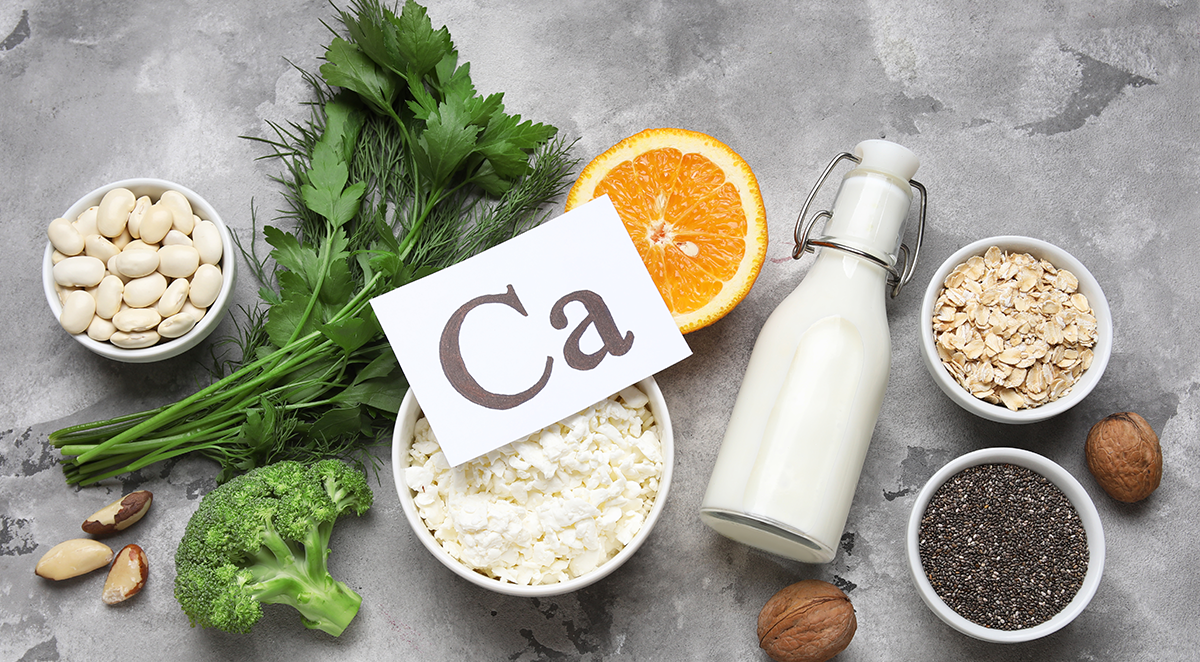
People usually think of calcium as found solely in milk products. When an older parent avoids milk, many families assume that calcium deficiency might eventually develop.
Unfortunately, this perspective is too simple. Many older adults dislike milk, find it difficult to digest to satisfy daily calcium needs. The good news is that milk is by no means the only calcium source. Indian traditional diets are rich in calcium, with curd and paneer, leafy vegetables, sesame seed products, ragi, soy and certain legumes. The real challenge lies in balancing dietary calcium with other minerals and finding ways to incorporate these into the diet.
Adequate dietary calcium is especially important for older adults, as it reduces the risk of falls and fractures, and is important for preserving strength, balance, and independence. Building a diet that is calcium-rich, without relying on milk, is possible with little effort.
Why Calcium Needs Rise After 60
Bones are living tissues that are constantly being remodeled. Up to the age of about 30, the process of bone formation is greater than bone resorption. After 50 this balance shifts and bone resorption occurs at an accelerated rate, especially in females because of the rapid decline of oestrogen after menopause.
With ageing, the intestines become less efficient, and so less calcium is absorbed. An older adult will get less absorbable calcium from the same thali that they would have eaten at 40. That is why the ICMR recommends 1,000 mg calcium daily for older adults, more than what is recommended for the younger population.
When the intake of calcium is less than the recommendation level, the body transfers calcium from the bones to maintain blood calcium levels. This leads to gradual bone thinning, which takes years to show signs of. This can come across as a stooped posture, wrist fractures from minimal falls, or hip fractures from falls at home.
Dairy, not just milk
If your parent refuses to drink milk because of the taste, or for fear of bloating, other dairy products may work better like:
Curd and buttermilk
Around 150g of curd contains approximately 150-200mg of calcium. The fermentation process of curd breaks down the lactose, so people who are uncomfortable with milk can digest curd easily. Buttermilk is also a good option, especially in the summer months, and it goes well with a meal.
Paneer
One of the most calcium-rich foods in the Indian kitchens is paneer. 100g of paneer contains more than 200mg of calcium, making it one of the most calcium-dense foods available. Soft paneer bhurji or paneer in paratha are good options for people with dental issues.
Ragi: The Underrated Bone Builder
Ragi, also known as finger millet, is outstanding among all other cereals. It has 340 milligrams of calcium per 100 grams of food. That is over three times the amount found in milk by weight. It also provides fiber and iron.
Ragi can be used for ragi dosa or idli for breakfast, ragi porridge (ragi malt) sweetened with a little jaggery, ragi laddoos for an evening snack, and ragi roti (mixed with some wheat flour). Ragi porridge is suitable for older people who have problems chewing or swallowing.
Sesame Seeds and Nuts
Til (sesame seeds) have about 1,400 milligrams of calcium per 100 grams. Of course, people do not consume 100 grams of sesame in a day, but small amounts over time contribute to this amount. So, a tablespoon of til chutney eaten with meals, sesame added to cooked vegetables (sabzi), or salad, and a small til laddoo eaten in the winter, offers about 80 to 100 milligrams of calcium.
Almonds are also helpful. About 10 soaked almonds provide about 70 milligrams of calcium, and also magnesium, which is another mineral the bones need.
Choose the Right Leafy Greens
Not all greens are equal in terms of calcium content. Spinach is one of them. It contains plenty of calcium but also contains oxalates, which bind calcium and block its absorption. It is best to consider spinach as a source of other nutrients and not calcium.
There are better and more absorbable sources of calcium that can be found in India, such as the leaves of the drumstick tree (Moringa oleifera) and the leaves of amaranth (chaulai) and fenugreek (methi) as well as colocasia (arbi ke patte) as noted. Moringa leaf powder can also be added to a soup or dal preparation to serve it to parents who do not prefer to eat whole green leaves. Cooked green leaves with a little oil also help in the absorption of the fat-soluble vitamins present in the leaves.
Soy Foods and Legumes
Calcium-set tofu, which is a soft food suitable for the elderly, provides 200 to 350 mg of calcium per 100 g, along with soybeans and soy chunks (nuggets) which provide extra protein. This is important as muscles need protein to become strong enough to support the bones in the event of a fall.
Among the legumes, rajma, chana and moong provide small but sustained contributions. A diet with dal (pulses) twice a day adds 100 mg quietly. Since sprouting legumes helps with the absorption of minerals, sprouted moong chaat is a good snack for mid-mornings.
Ensure the Body Absorbs What You Serve
Feeding the body with calcium is just half the job. The other half is the absorption of calcium in the body.
Vitamin D helps in the absorption of calcium from the food and therefore needs to be eaten in moderation. Encourage your parents to get 20 to 30 minutes of sun exposure on their bare arms a couple of times in a week. Many older Indians are found to be deficient in Vitamin D, so it is a good idea to first consult your parents' doctor to determine whether a blood test to determine Vitamin D levels and a vitamin D supplement is warranted.
Calcium should be consumed throughout the day. The gut is able to absorb calcium best in small amounts, preferably under 500 mg, so it is better to eat a calcium-rich food at each meal rather than one large serving.
Watch the timing of your tea. Tannins in tea and phytates in unsoaked grains lower absorption. So, keep tea an hour away from calcium-rich meals.
Watch salt intake. High sodium diets increase urinary calcium loss, so go easy on pickles and papad.
Active Bones Are Stronger Bones
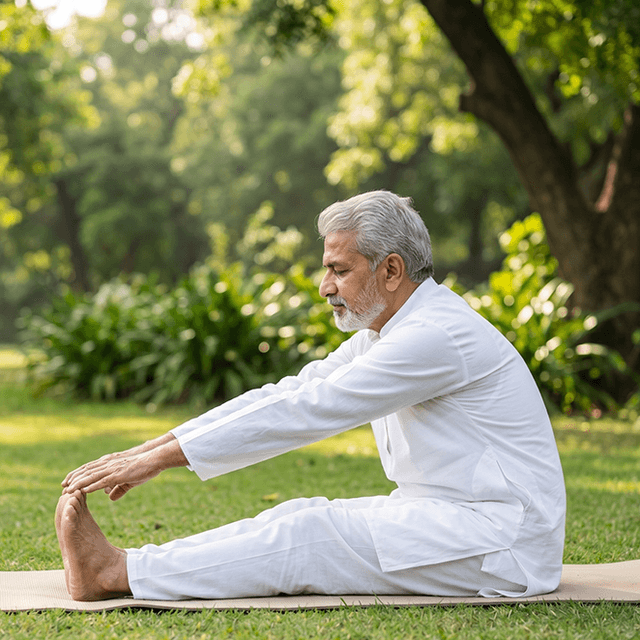
Calcium provides the building blocks, but the bones become stronger by growing and developing through load bearing. Activities such as walking, stair climbing and light resistance work are important as they signal the body to maintain bone density. Most fractures in older people are a result of falls, so balance work is important too.
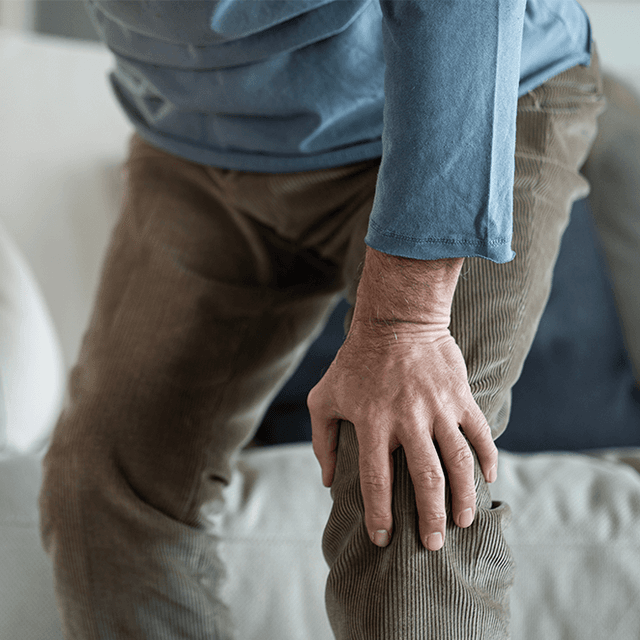
If your parent is not walking daily due to knee or joint pain, take steps to fix this. Supportive knee caps meant for seniors give gentle compression and support to the knee while walking, and a supplement like AGEasy Joint Care Comfort G, which contains glucosamine, boswellia and curcumin, can help lessen discomfort and support an active routine. Any new supplements should be discussed with their healthcare provider, especially if they take any other medications.
Make the Home Fall-Proof Too
An anti-slip bathroom mat and grab bars from the AGEasy bathroom safety range are inexpensive compared to the cost of a hip fracture. The picture is complete with slip resistant footwear.
When to Involve a Doctor
If your parent has had a fracture from a fall that was deemed to be minor, has lost height, has a new bend to their posture, or has been on thyroid or steroid medications for a long time, consult a physician. DEXA is the name of the scan that determines bone density. If your parent is a woman over 65 or a man over 70, screening is recommended even if you don't exhibit symptoms.
Calcium supplements should be taken only after you consult a doctor. A diet high in calcium is advisable and most people are better served with a diet first strategy. The doctor will determine whether supplements are necessary and at what dosage based on the diet, kidney function, and other medications.
A Bone-Friendly Eating Day
- Dinner: Make curry with paneer or tofu and either rice or roti.
- Night: Have tea at the correct time with a small til laddoo.
- Lunch: includes roti, dal, and methi or moringa sabzi as well as a katori of yogurt.
A glass of chaas or a serving of sprouted moong chaat can also be very healthy. Breakfast can include ragi dosas with sambhar or ragi porridge that has some almonds that have been soaked.
Each of the foods listed here are inexpensive and non exotic. 800 to 1,000 mg of calcium can be consumed through these meals without the inclusion of one glass of plain milk.
Bottomline
Building strong bones in your 70s comes from a series of small and consistent efforts made in the kitchen and daily activities. Make one change this week. Maybe try replacing one wheat roti with ragi. Change isn't easy, but this is a great place to start.
This piece is aimed at creating general awareness and does not substitute the importance of professional counsel. For any dietary guidance concerning your parent's health, please contact a professional medical practitioner or a registered dietitian.
Recommended Blogs



You May Also Like
 No products found
Article by:

Aman
Article Category:
Joint Care