
Air Bed for Patients: Alternating Pressure Mattresses for Bed Sores Prevention
Aug 24, 2026
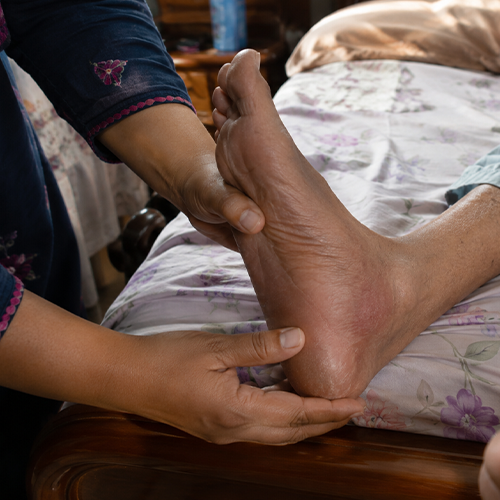
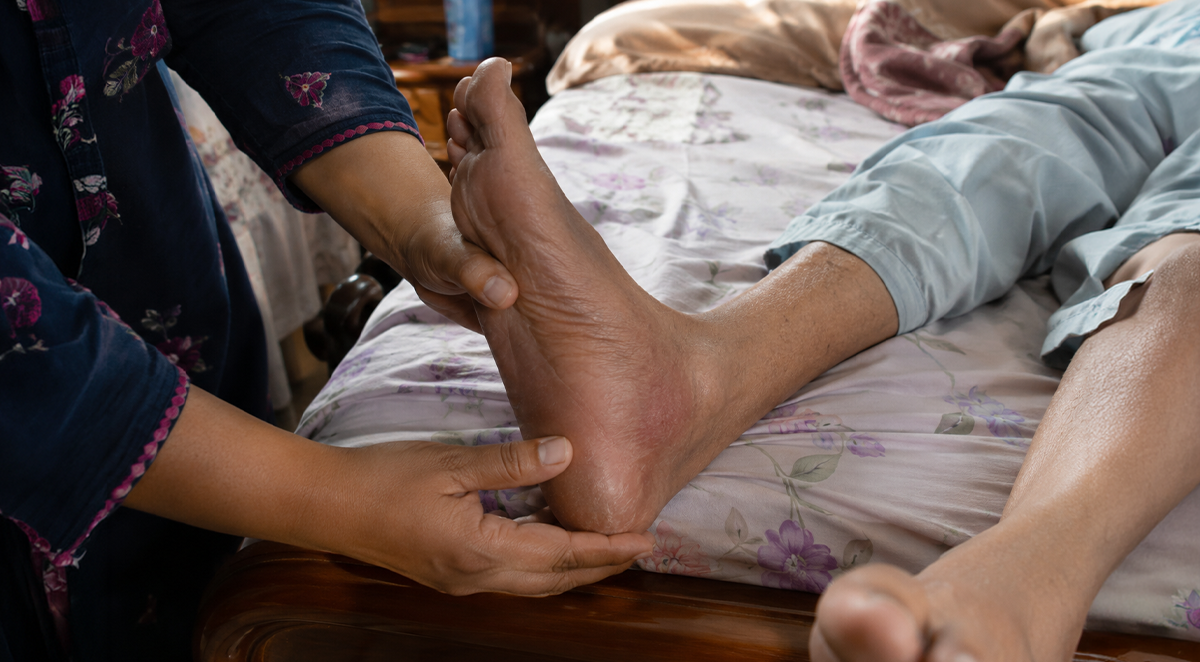
The red mark that appears when a person remains in one position for too long can develop into a blister or painful wound before a family member notices it. This damage is caused by prolonged pressure on the skin and underlying tissues. Bedbound patients remain at risk even when they appear comfortable.
An air bed provides a comfortable surface for a patient, but alternating-pressure mattresses are also medical devices. Alternating pressure mattresses provide breathable and adjustable surfaces to relieve pressure. They protect patients from unwanted consequences of staying in one position by relieving heavy pressure on certain areas, promoting blood circulation, and reducing strain.
Although pressure sores are caused primarily by pressure, several other factors also contribute, such as moisture, friction, malnutrition, lack of skin sensation, and many medical conditions. An alternating pressure mattress is a vital, yet small, part of overall patient care and should not replace frequent care checks, repositioning, hygiene, and medical care.
What Is an Alternating Pressure Mattress?
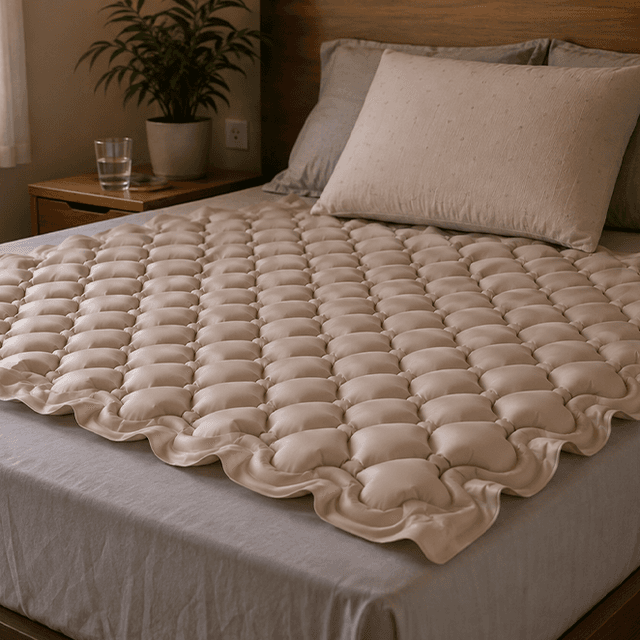
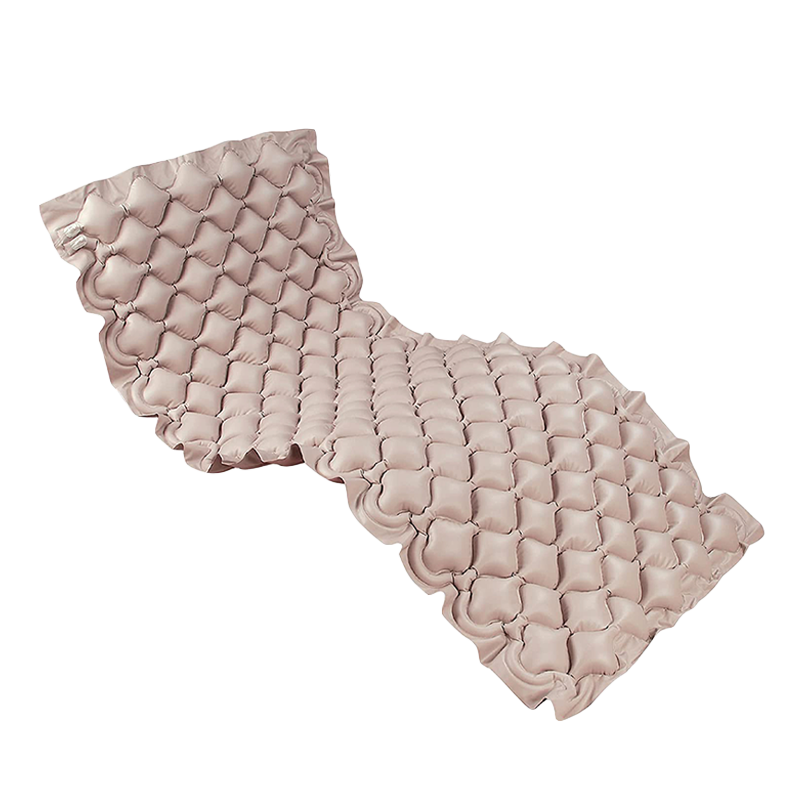
An alternating pressure mattress is constructed with multiple air cells. An electrical pump controls the air cell cycle by inflating a group of cells then deflating them to release pressure.
During the cycle, a group of cells inflates to a support position. After the inflation/support period for the group of cells, a pump relieves pressure on all cells and inflates the next group of cells. This type of construction helps provide relief for areas such as heels, hips, shoulders, elbows, and the tailbone.
Most systems include:
- An air mattress comprising multiple cells
- An electric pump
- Adjustable pressure control
- Mattress straps or supports
- Washable covers or protective layers
The pump requires a stable source of electricity and needs to be adjusted to the patient’s size and weight.
How Bed Sores Develop
When constant force is applied to the body, blood is cut off to a certain region due to the lack of flow, thinning and weakening the skin and causing sores to develop.
A patient is at increased risk if they:
- Spend most of their time in a bed or chair
- Have reduced sensitivity, from injury, stroke, or a nerve condition
- Are immobile
- Lack appetite or have poor fluid intake
- Have sweating or incontinence issues
- Have poor circulation, diabetes, or fragile skin
Early indicators include warmth, redness, swelling, skin hardening, and discomfort. Darker skin may appear purple, blue, or black. If you notice any of these changes and the area does not heal on its own, assistance is needed.
How an Air Bed Helps Avoid Pressure Sores
Avoiding Constant Pressure
Conventional mattresses apply pressure to certain parts of the body for too long. Air alternating pressure mattresses relieve the constant pressure by distributing support to new parts of the body throughout the cycle.
This feature is useful for patients requiring constant supervision, where assistance to turn or adjust is required. This feature will lessen the need for caregivers to reposition constrained patients.
Supports Pressure Redistribution
By spreading the weight across multiple air cells, the mattress helps avoid loading the weight of the patient on smaller regions. Mattresses alleviate pressure on bony areas with adequate inflation. As mentioned, pressure relief is only achieved if sufficient inflation is performed. If the inflation is too high, then the mattress offers little relief. If it is inflated too low, then the patient's body may come into contact with the bottom of the mattress.
Helps Reduce Friction and Shear
Friction and shear each cause skin injury when friction occurs from sliding against bed linens or fabric. Shear occurs when the deeper tissues slide beneath the skin and the skin is fixed to the bed.
A well-positioned air mattress reduces the risk of pressure-related injury and provides cushioning for the patient. However, caregivers must still move the patient by lifting or repositioning the patient rather than sliding them across the mattress.
A pressure-relieving air mattress provides cushioning for bed rest, pain relief, and comfort to allow the healing of pressure injuries. Those symptoms should be medically evaluated by a doctor or nurse for new onset pain, swelling, numbness, or injury to the skin.
Who Might Benefit From an Air Bed?
Patients who spend a lot of time in bed and who have limited ability to change positions would typically require an alternating pressure mattress. Recovery from surgery, fracture, stroke, or an extended period of illness might also benefit from the use of such a mattress.
A healthcare professional should assist with the recommendation for patients with:
- Existing pressure ulcers
- Severe pain or fragile bones
- Spinal injuries
- Reduced sensation
- Breathing problems
- High body weight
- Frequent involuntary movements
The type of mattress required is determined by the patient's condition. For instance, a basic mattress may be sufficient for home recovery for a short period. However, for longer recovery periods, a more advanced mattress may be used which provides better pressure control and less noise.
For families considering an air mattress for a bedridden senior, AGEasy Air Mattress is one option available for home and care-setting use. The product page lists 160 air cells, medical-grade material, a breathable PVC design, and a waterproof, easy-to-clean surface.
How to Use an Alternating Pressure Mattress Safely
Follow the manufacturer's directions for assembling the mattress on an appropriate frame. Be sure to secure the mattress in place. Always ensure the pump has adequate airflow and place it on a stable surface. Before each use, check for loose hose connections. If hose connections are loose, the mattress cells will not inflate fully.
Set the pressure according to the device instructions and the patient's weight. Ensure the patient is supported after inflation. If the mattress is not inflated correctly, the patient will be in contact with the base of the bed.
Check for leaks, tears, or loose connections daily. Clean the cover as indicated. Keep the mattress away from sharp or hot objects, and pets.
Do not use extra blankets or padding. This reduces the effect of the air cells. Use a thin, breathable sheet and keep the surface dry.
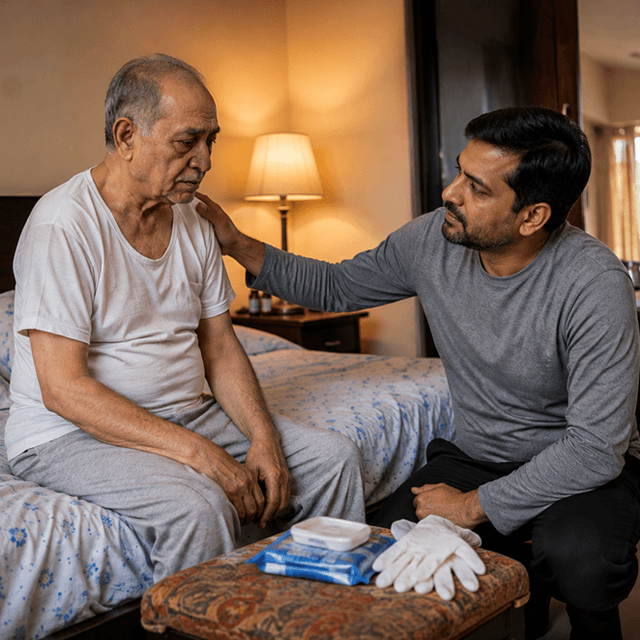
An air bed does not eliminate the need for regular repositioning. Follow the care team’s schedule. Support the patient’s heels, prevent their knees from pressing together, and place pillows as recommended.
Other Ways to Avoid Bed Sores
Inspect the skin daily.
Focus on the areas around the tailbone, hips, heels, ankles, elbows, and shoulders. Check for discoloration, warmth, swelling, tenderness, or breakage of the skin.
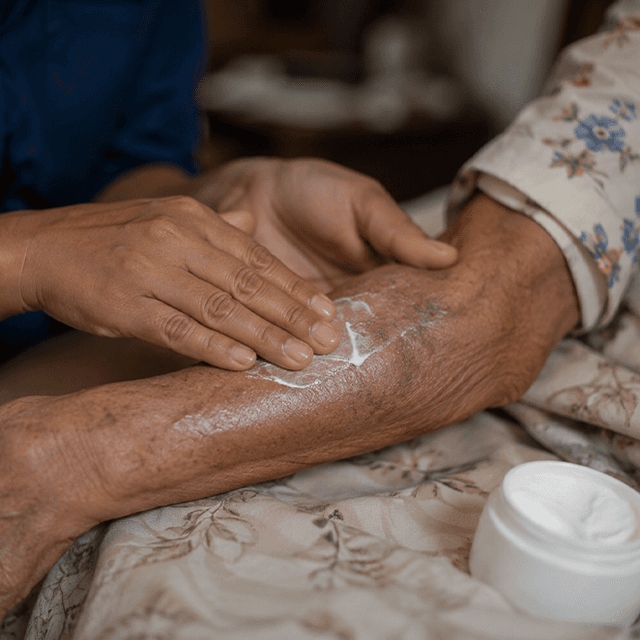
Use barrier products after gentle cleaning and drying of the skin.
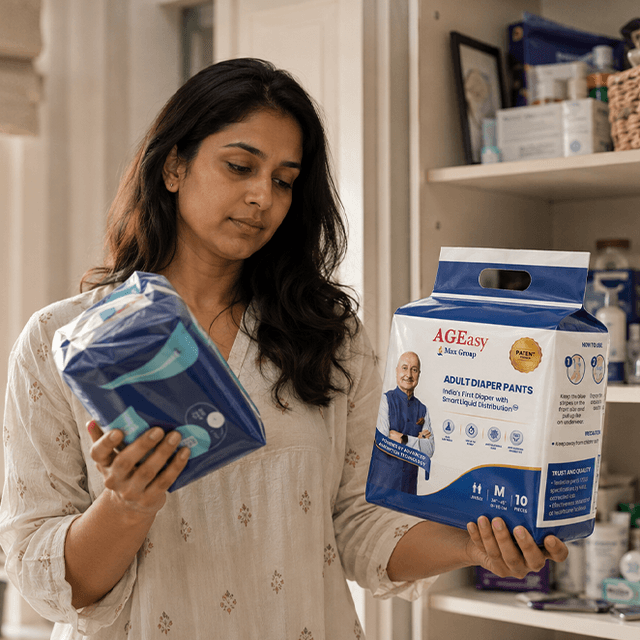
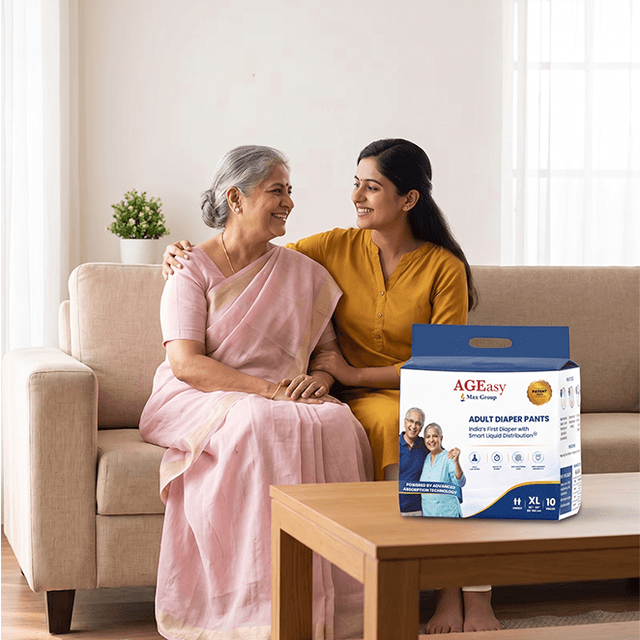
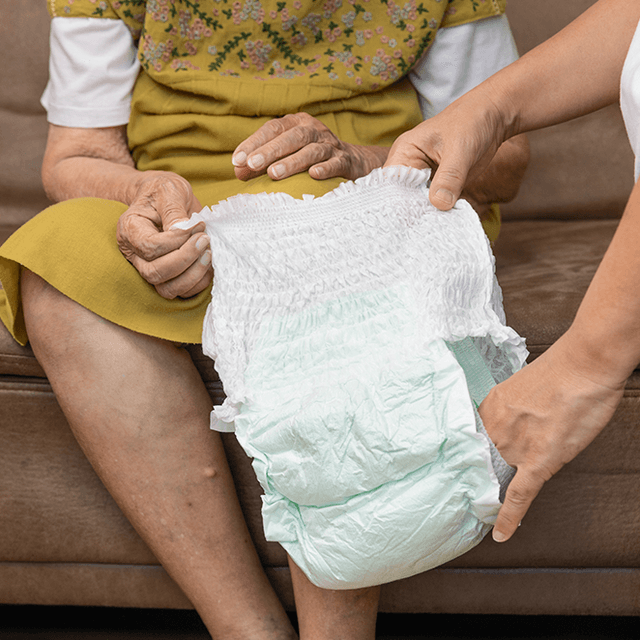
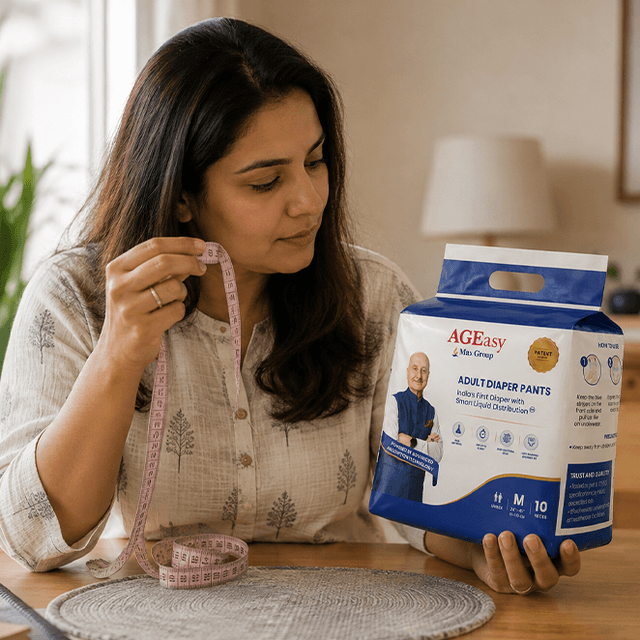
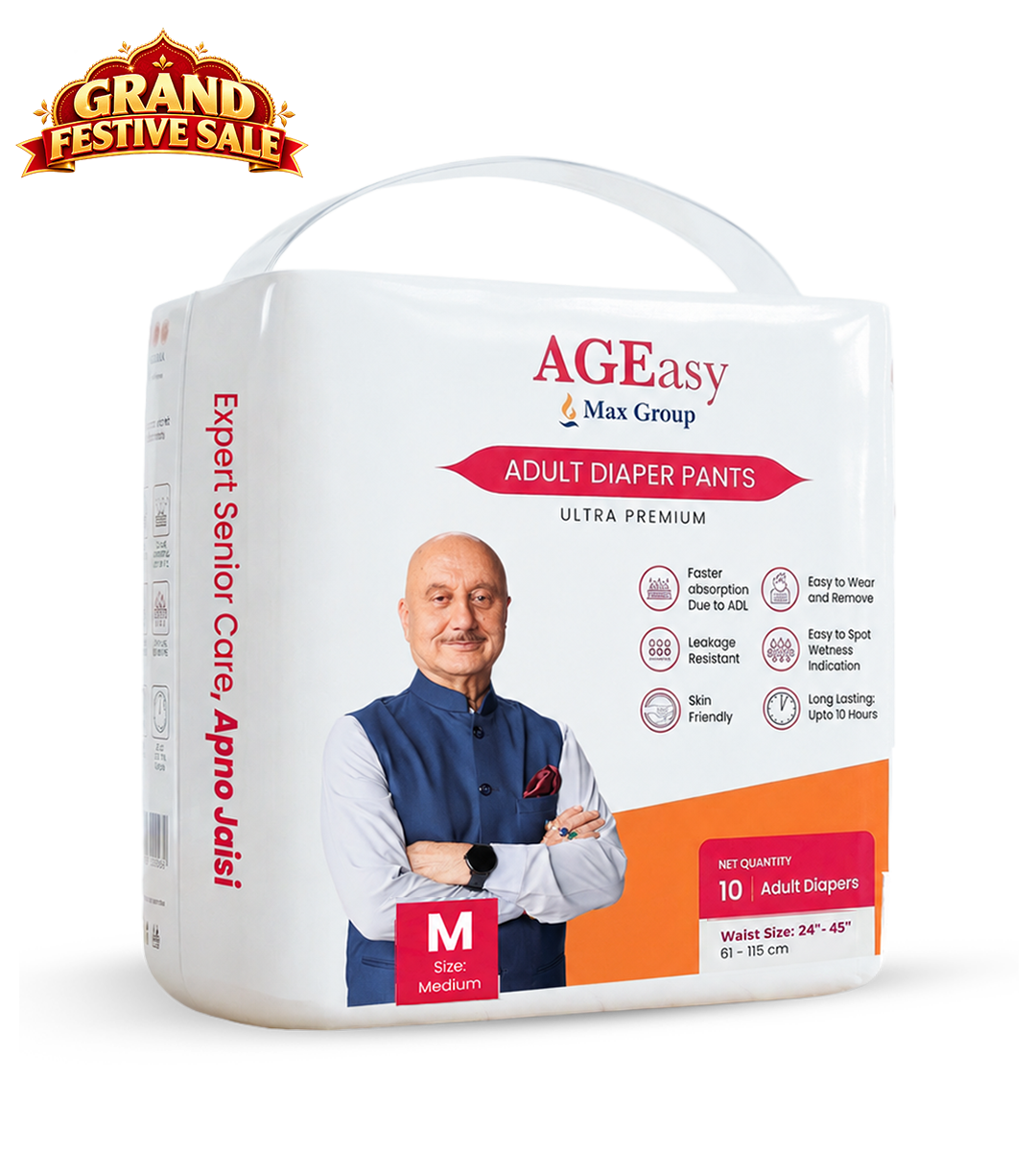
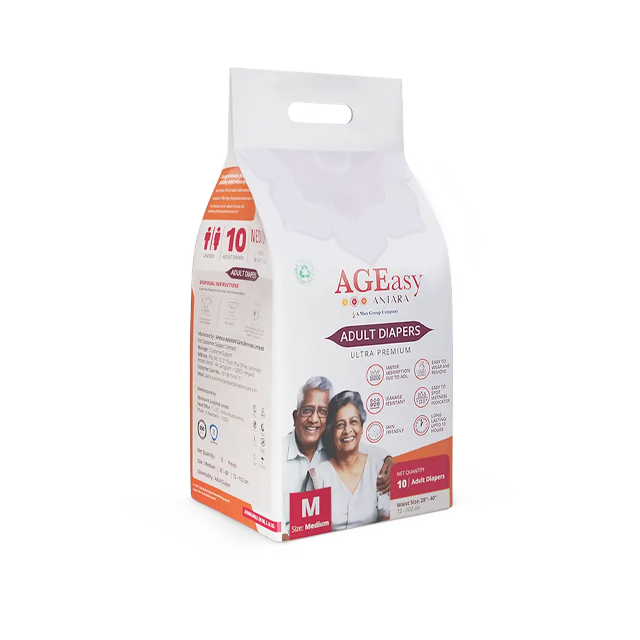
Hygiene products intended for older adults are available in the AGEasy Hygiene Essentials collection. These products may help manage moisture and enhance continence care. That said, regular skin checks and changes are necessary.
Support the patient with balanced meals and fluids unless a doctor has restricted fluids or diet. Healthy food choice is important for skin health and injury repair.
Assist the patient to move within the limits of safety. This includes assisted standing, gentle exercises, assisting the patient to change position, and Timed Sitting. Follow the guidance of a physiotherapist or nurse, especially after surgery or an injury.
AGEasy offers products that support mobility to assist the patients to move safely, under the supervision of a caregiver, within their limits. The products should be chosen as per the height, strength, and balance of the patient, together with the patient’s rehabilitation plan.
When to Seek Help of a Healthcare Professional
Contact a healthcare professional if a reddened or darkened patch does not heal after the pressure has been taken away. Get help for a break in the skin, blisters, increased pain, excessive heat, swelling, discharge of pus, bad odor, or a quickly growing sore.
Patients with diabetes, poor circulation, or immunity issues, as well as patients with existing pressure ulcers, require early intervention as they are at higher risk of developing ulcers.
Never massage an area that is red or appears damaged. Never apply a cream, antiseptic, or dressing, unless instructed to do so by a professional.
An alternating pressure mattress provides an excellent option to support patients at risk of developing bed sores. This mattress provides relief through regular pressure redistribution, proper positioning, good hygiene, nutrition and most importantly movement and observation.
With the proper routine and care, health care aides and families can provide a safe and comfortable environment for recovery and long-term support.
Disclaimer: This article provides general information and should not replace individualized advice from a qualified healthcare professional.