
Is a CGM Right for Your Parent? A Prudent Assessment of Continuous Glucose Monitoring for Seniors
Aug 17, 2026
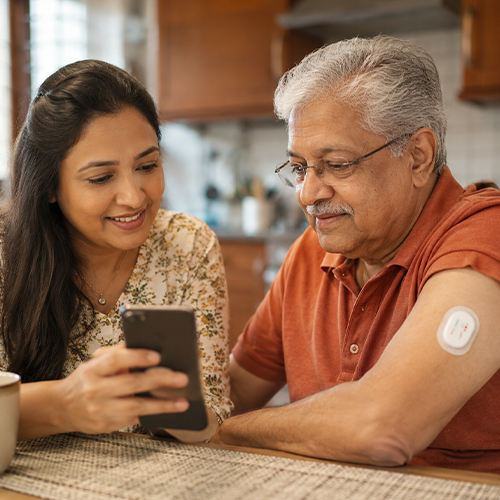
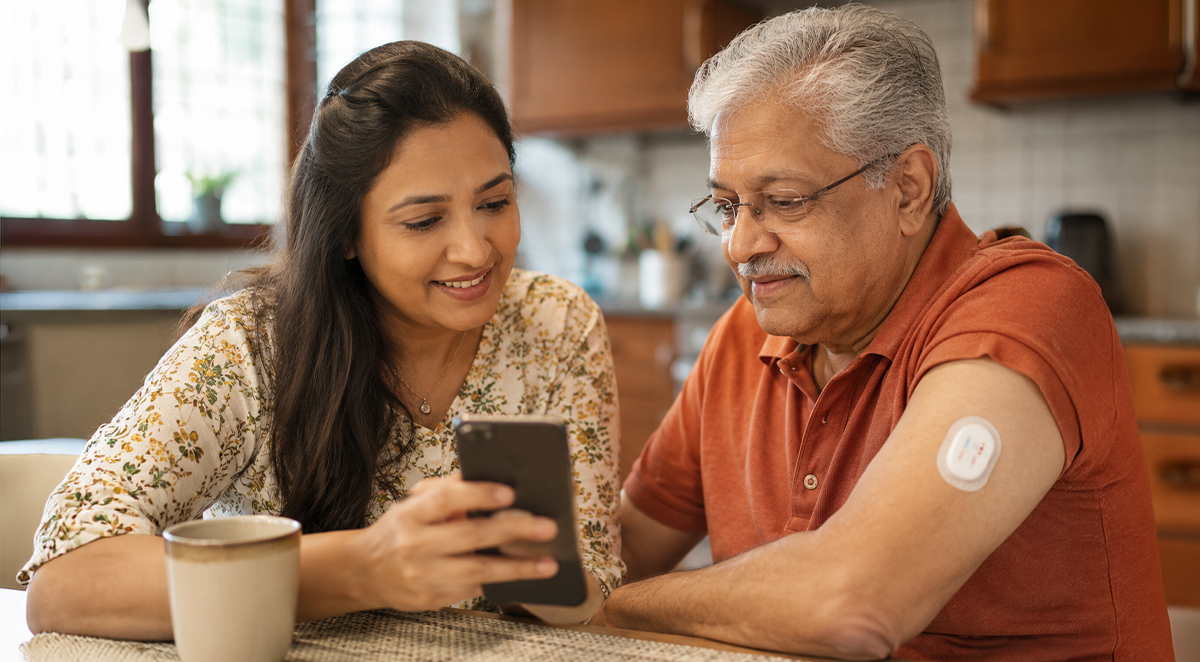
If your parent or an older relative has diabetes, you've likely seen the ads:
- No more finger sticks...
- Continuous blood sugar readings on your phone...
It seems like a no brainer.
But is it the right decision for every older adult?
Some older adults benefit from CGMs. These devices capture the senior's lows that the morning finger stick tests can miss.
The device captures revealing trends like how a bowl of rice moves glucose for 3 more hours, or how a new medication affects their blood sugar over time.
Family members who live far away from that senior are also able to see the trends, as opposed to just the finger stick test numbers.
Other older adults get little from a CGM. Those who have stable diabetes that is well controlled due to therapy or those who check blood sugar 2 times a week, and are always in range, get almost no benefit from a CGM.
A parent who does not like using smart devices, will just get more stressed rather than being at peace.
The answer is to discover the balance in which continuous monitoring is cost effective, where continuous monitoring is necessary, and what you need to ask the doctor first to reach the right decision.
The Innovations of CGM Technology
A CGM gives you a curve and a finger prick gives you a single number.
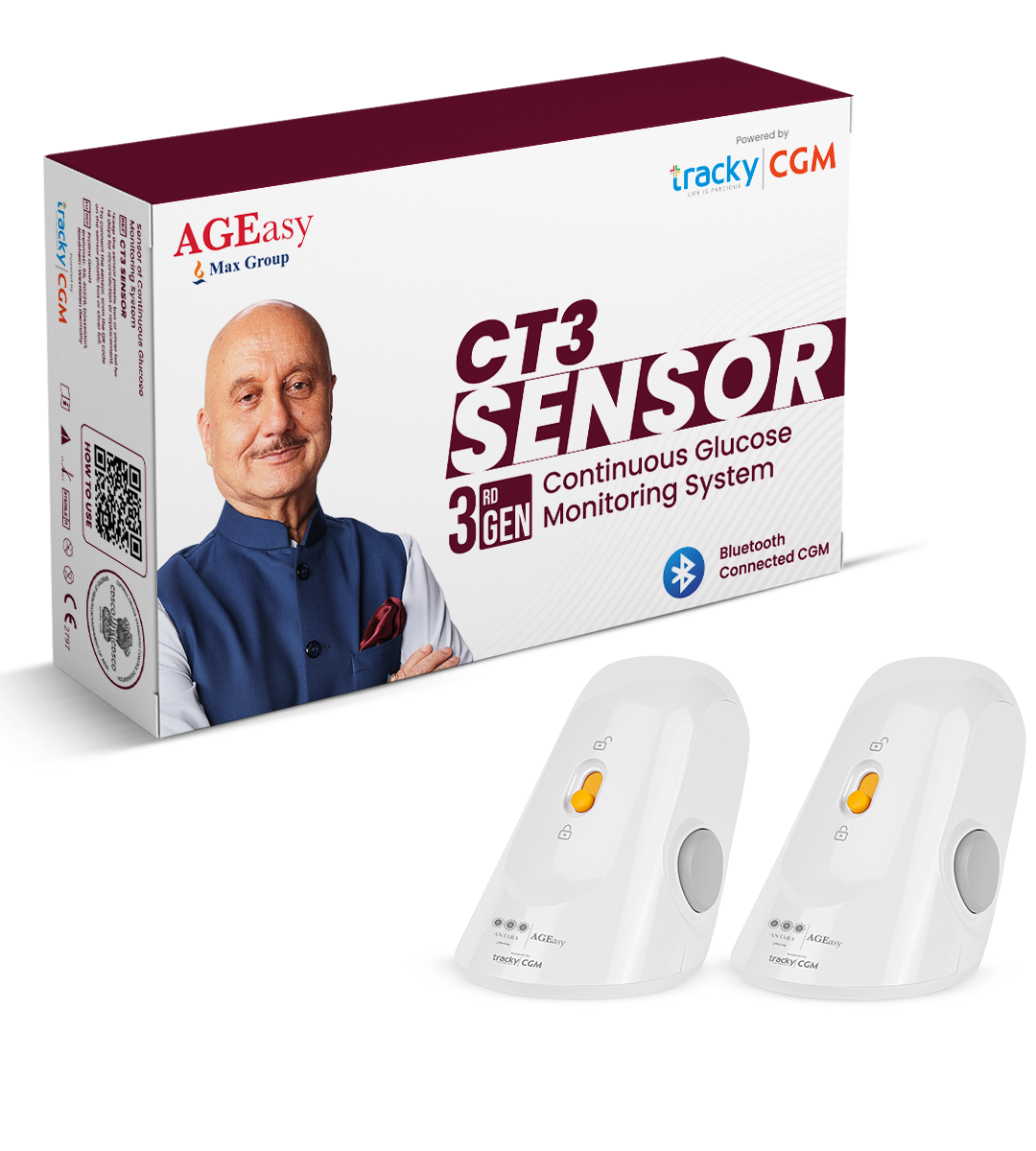
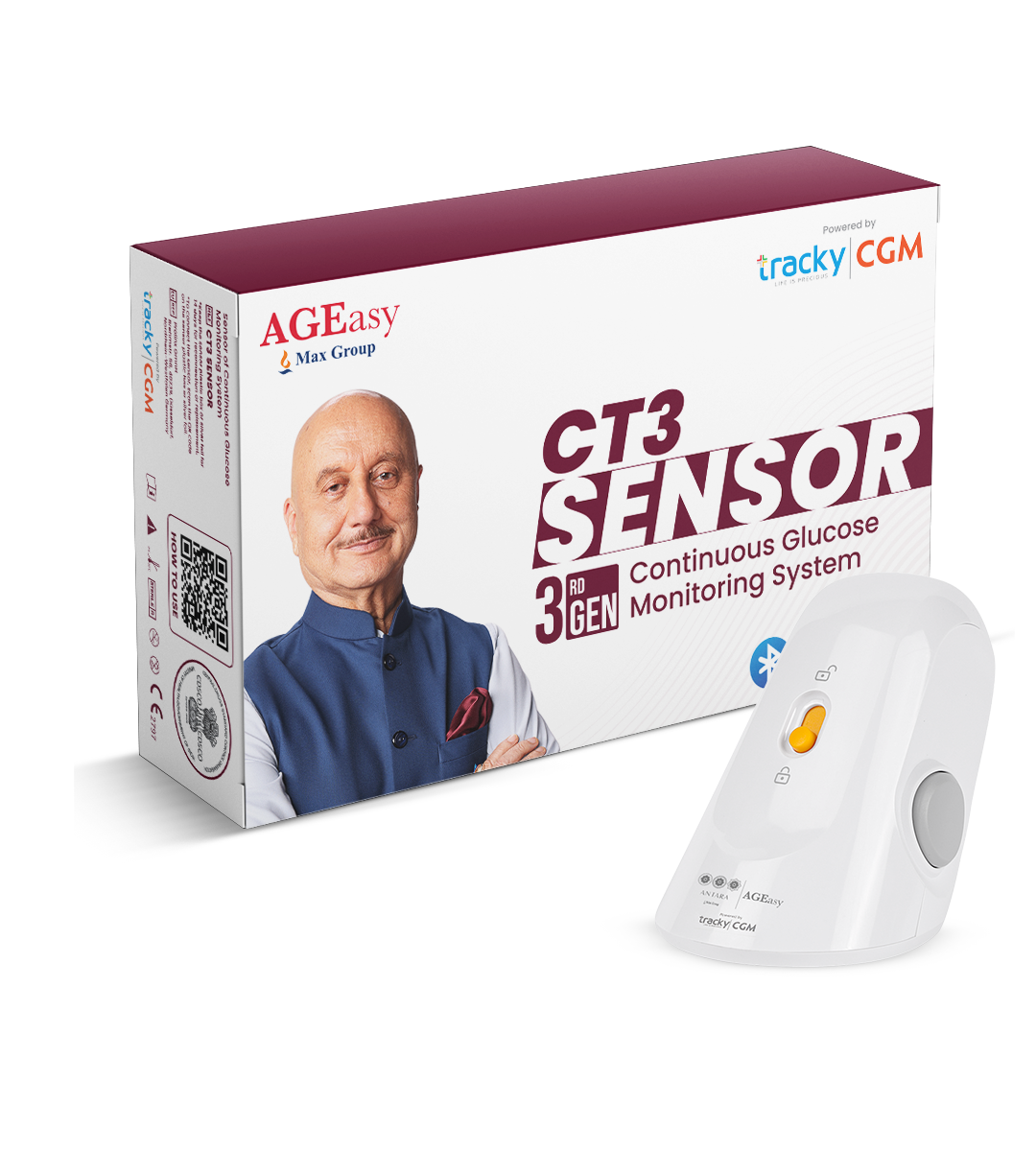
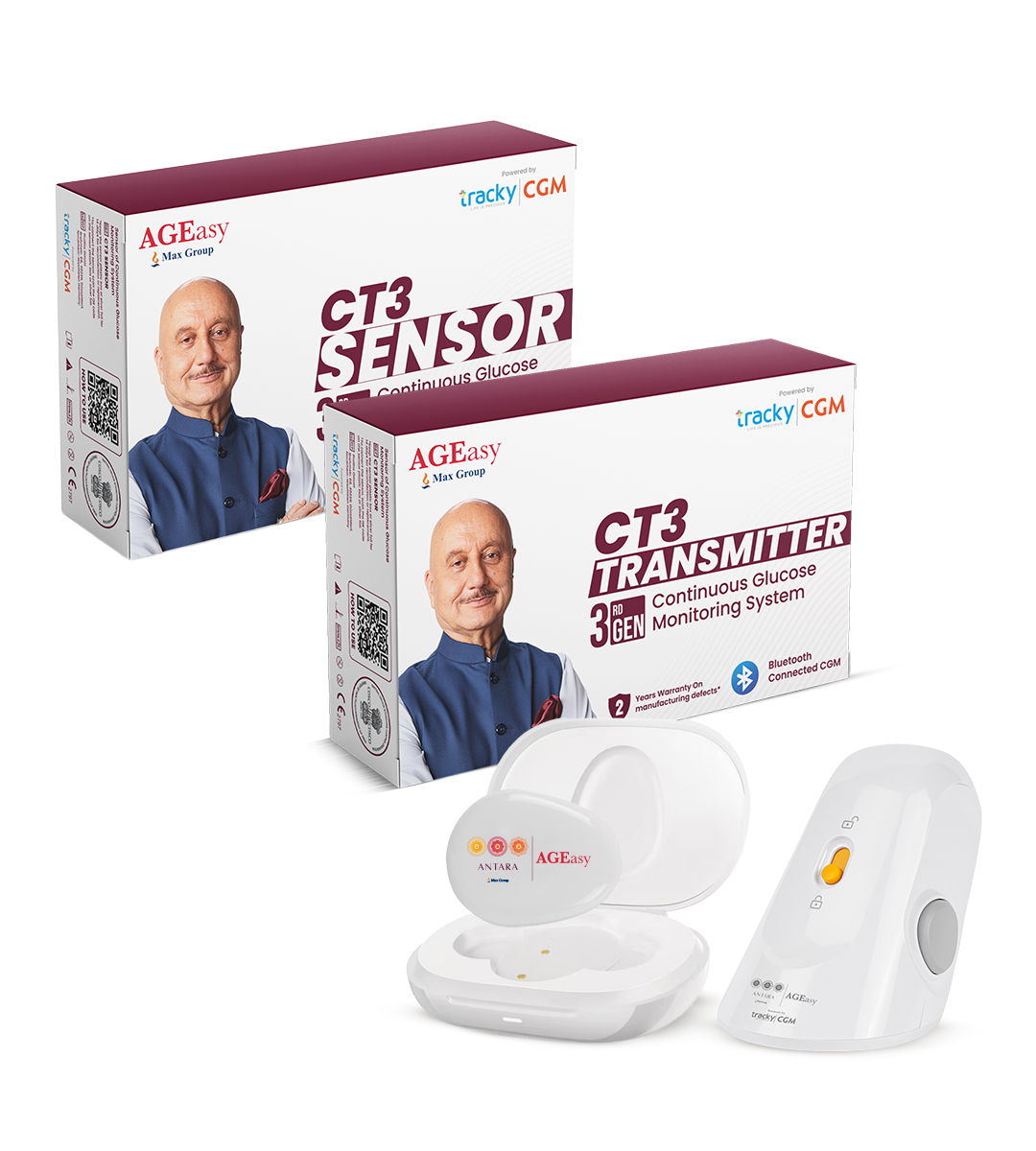
A CGM sensor is placed on the arm or abdomen and has a filament that measures the glucose in the interstitial fluid and is thinner than a hair. Each CGM logging device transmits its reading to a smartphone and most sensors are good for two weeks of continuous use. The AGEasy CGM sensor can be used even while taking a shower and during light exercise.
Things that you can only get from a curve and not a finger prick are the following.
- Direction. It is not the same to have a reading of 90 mg/dL if glucose is stable versus falling rapidly. An arrow indicates the degree of change.
- Data. Most older adults do not test at 3 am. Night time lows go undetected for months and show up only as morning grogginess or a fall on the way to the bathroom.
- Time in range. Now you get to see instead how much time was spent within target range instead of seeing just your parent's HbA1c every three months. It's possible for two people to have the exact same HbA1c level, and yet they could have had completely different patterns with one person having a steady pattern and the other oscillating up and down.
When a CGM Justifies Its Price
Your parents are likely on insulin or sulfonylureas, and both of these classes of medications can cause hypoglycemia. Medications such as glimepiride and glibenclamide that are highly prescribed in India can have significant effects even many hours after a meal is missed. Continuous glucose monitors can be utilized to give warning before more serious symptoms of hypoglycemia occur.
What it does help detect is the following:
- Hypoglycemia unawareness: It is common for older adults to become unaware of the symptoms of hypoglycemia, such as shaking and/or sweating. Some older adults have described experiencing confusion as their only symptom. A sensor alarm is better than no warning of hypoglycemia.
- Recent falls, hospital visits, or unexplained confusion: Low levels of blood sugar occur commonly in older adults and can be a cause of falls. Continuous glucose monitoring for 2 weeks may show a correlation of low levels of blood sugar with falls. Improving safety in the home is also important, as many factors can contribute to someone's risk of falling. The AGEasy fall prevention kit includes equipment to help address fall risk issues associated with the environment, such as motion sensor lights and anti-slip mats.
- A treatment change is underway. Starting insulin or changing medications or doses is much easier with 2 weeks of continuous glucose monitoring instead of 4 finger pricks every day.
- Erratic eating or appetite loss. Meal skipping is very common in older adults, especially among those who have their medication dosing fixed. With a continuous glucose monitor, the symptom pattern is made visible.
If you don't live nearby, you're not just calling to ask how the sugar is. You can review shared readings over the phone instead.
When a CGM Adds Cost, Not Much Else
Type 2 diabetes is managed through metformin. Rarely does hypoglycemia occur with metformin. For a parent whose HbA1c is below 7.5 and presents with no symptoms and whose routines are stable, there is little practical value in an observed CGM reading every minute.
A CGM may not add value for people who have:
Discomfort with technology. If your parent has no smartphone application experience, then you will be the source of the data. Whose actions will the numbers justify, and is the relationship untenable?
Advanced dementia or agitation. Sensors and adhesives cause irritation. The purpose of the sensors becomes the focus and the device causes distress.
Obsession with numbers. Older adults check readings and worry about fluctuations. Observe this behavior in the first 2 weeks.
Very frail seniors or those in palliative care. In this population, the goal of tight management is detrimental.
The Actual Cost Scenario in India
Sensors cost 1,300 to 2,000 rupees for a 2-week supply, depending on the manufacturer and whether they are purchased in bulk. A continuous sensor has a monthly cost of 2,600 to 4,000 rupees. Given the nature of the device, there is a one-time cost to add a reusable transmitter. The AGEasy combines a CGM and Transmitter.
Most health insurance policies in India do not cover CGM sensors for out-of-pocket use.
A middle path works best for most families. Instead of wearing a sensor at all times, use it in select situations. After changing medication? After a fall? Before seeing a doctor? These help in minimizing expenses while also offering the diagnostic value, which most geriatricians support.
Things to Ask Your Doctor
Write down the following and take them to your parent's next appointment:
- Does your parent's medication list put them at risk of low blood sugar? The answer to this question will determine the rest of your concerns.
- What blood sugar levels should your parent aim for, considering their age and health?
- Do you think two weeks of data will make a difference in how you will manage your parent's treatment? If your doctor answers this in the negative, then there are better uses for the money.
- Who will be looking at the data and how often? Continuous glucose monitors that are worn continuously and are not reviewed are a waste of money.
- What are the directions for low blood sugar? Those will be more helpful than the device in managing the lows.
Proper Structuring of the First Two Weeks
In the first 2 weeks of using a sensor, the structure of the sensor reading should be done properly to include:
- Meals and food including times of consumption
- Activities of daily living including times of consumption
- Injections and other medications
Context helps in explaining the readings to the doctor. For example, a spike at 4 pm may be due to the snack of tea and biscuits.
Meter readings tend to be separated from sensor readings by several minutes, and can be unreliable as they tend to lag behind somewhat and can drift with sudden and rapid changes.
Have a meter with you to confirm readings before treating a low or changing a dose. Be conservative with your alerts at first. Too many will have the opposite effect and people will stop responding to alerts. Be sure to book your next appointment to review your sensor data in advance, as the clinician will be the one to interpret the data. Irritation can occur from the adhesive with older and thinner skin. Be sure to rotate sites with each new sensor.
Bottom Line
A CGM is a diagnostic tool, and while they can show patterns, CGMs cannot change them.
CGMs can be truly valuable for a particular high risk patient who is on insulin or a sulfonylurea with unexplained hypoglycemic episodes and poor awareness.
For a low risk, stable patient who is on metformin with a routine and predictable day, a CGM will yield data that no clinician will interpret or act on.
CGMs truly do work for a variety of applications and result in better outcomes for the right patients.
The better question is whether the CGM will change what your parent's doctor does or what you do at home. The answer to that question, once the doctor has weighed in, will make the decision clear.
This article is general information and not medical advice. Discuss glucose monitoring decisions and medication changes with your parent's treating physician.