


Steam Inhaler vs Nebulizer: What's the Difference?
Article by: Aaryan
Jul 17, 2026. 8 min read
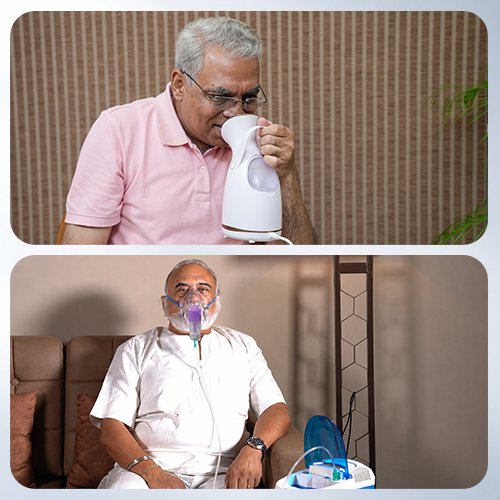
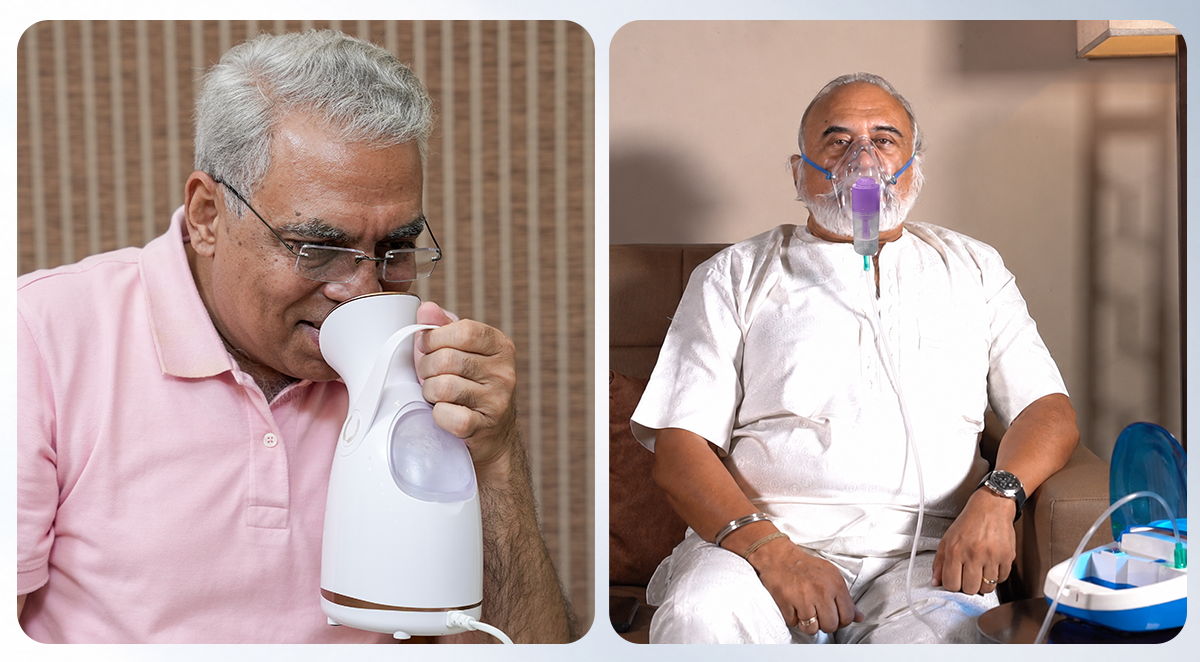
When a family member experiences breathing problems from a cold, cough, asthma, or COPD, the distinctions between a steam inhaler and a nebulizer could come out to be unclear. Both produce a mist for inhalation, and both are commonly used for breathing problems.
However, a steam inhaler and a nebulizer are different. While a steam inhaler offers only a temporary means for relief of nasal congestion, a nebulizer is a medical device that delivers prescribed medication directly to the lungs.
Using one of these devices instead of the other may delay receiving appropriate medical care, and in some cases, may worsen serious respiratory problems. Knowing the differences is about more than just choosing the correct device; it is about knowing how to do something for your family member instead of doing nothing about the respiratory problem.
How a Steam Inhaler works
Steam inhalers use heated water to produce water vapor. When your family member inhales the vapor, it moisturizes the nasal passages, throat, and upper respiratory tract. The warmth helps loosen thick mucus to make it easier to remove. It also soothes the irritation from a cough or nasal obstruction.
The key word here is relief. While steam inhalation therapy is useful, it does not provide any medication to treat the illness. The benefit provided by steam inhalation therapy is only temporary and even then it only works for a few hours, and it only treats the upper respiratory system. Research has shown that steam inhalation therapy has helped several patients with respiratory system infections. For this reason, many doctors recommend patients with respiratory system infections to use steam inhalation therapy along with other measures like taking more rest or increasing their water intake.
The AGEasy Advanced Multi-Functional Steamer is specifically designed for people with increased risk for getting burned. It is safe to use, only takes about thirty seconds to heat up, and has three features that allow steaming that are not boiling hot. Additionally, this steaming device is safer for seniors than traditional steaming methods like boiling water and placing a towel over their head.
What a Nebulizer Does
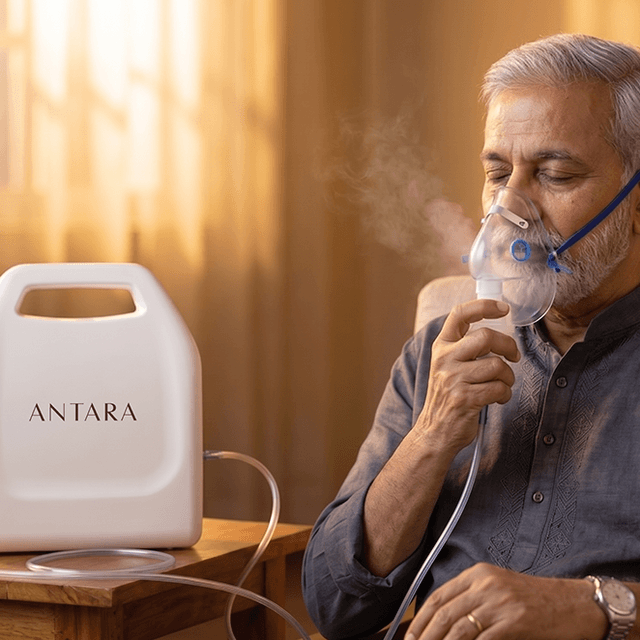
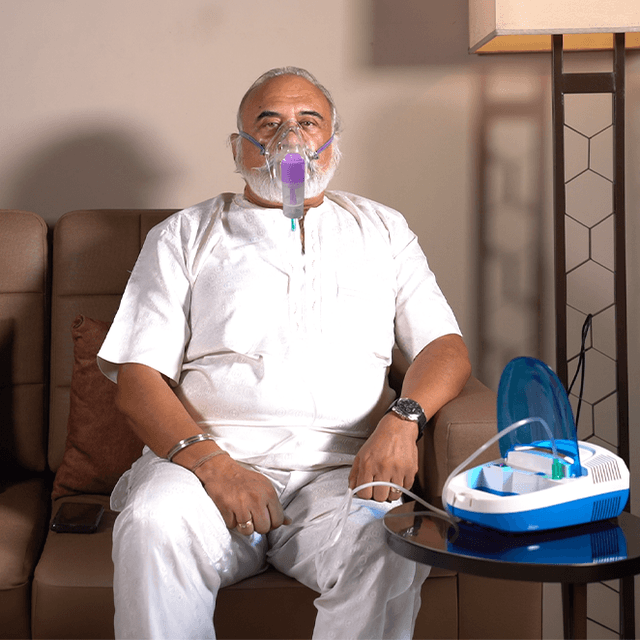
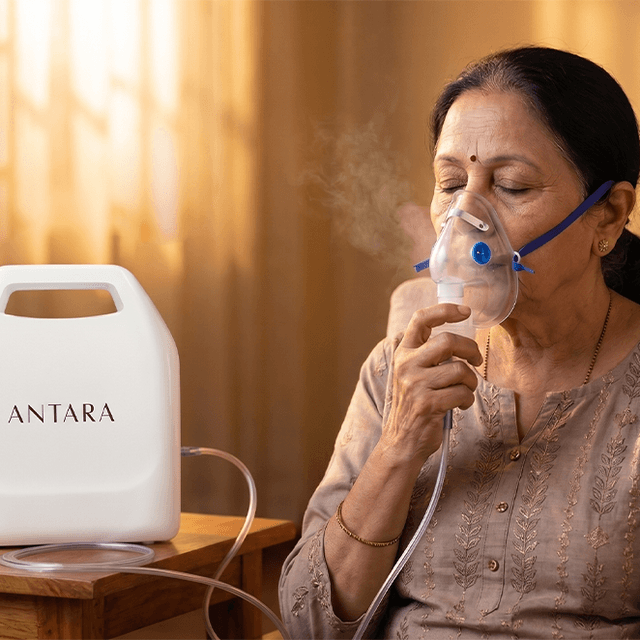
A nebulizer converts a liquid medication into a fine mist. During the process, the patient will breathe normally for 10-15 minutes to allow the medication to reach deep into the lungs and directly into the airways.
What matters is the medication. To open narrowed airways, doctors prescribe bronchodilators, and to reduce inflammation, they prescribe corticosteroids. Saline solutions are prescribed to thin thick mucus. A nebulizer is just a method for administering the medication, like how an injection is administered via a syringe. The medicine cup of a nebulizer cannot contain anything without a prescription.
For nebulizers, the most important conditions involve the lungs. These include asthma, COPD, chronic bronchitis, and certain lung infections. They are particularly useful for the elderly, as using inhaler pumps can be very challenging. Using an inhaler requires a person to push the pump down and take a deep breath simultaneously, which can be very difficult for seniors who may have arthritis, weakened hand muscles or grip. A nebulizer removes all of these obstacles. Your parent will be able to use the nebulizer while sitting comfortably and at his or her own pace.
The Core Differences, Side by Side
The most important differentiating factor between the two devices is purpose. A steam inhaler is intended to provide some comfort to irritated upper airways, while a nebulizer is meant to provide treatment for asthma, chronic bronchitis, and other lung diseases.
What you are inhaling is completely different. Steam is simply warm water vapor. On the other hand, the mist from a nebulizer is composed of suspended drugs encapsulated in droplets and small enough to reach the deepest parts of your lungs. Unlike a nebulizer, steam consists of larger droplets, meaning most of the vapor will settle in your nose and throat and completely bypass your lower airways.
Here's another difference. Steam has an effect on your nose, sinuses, and throat, while a nebulizer has an effect on your bronchial tubes and lung tissues.
One is for paying customers only, while the other is for everyone. Anyone with a cold can use steam. However, nebulizer medications require a prescription, which means they also come with a specific dosage and time schedule from the doctor.
Choosing a Steam Inhaler
Try steam inhalation for nose and throat issues. For example, if your parent has a cold, steam inhalation is also suitable for dry cough due to irritation and congestion that gets worse at night, as warm vapor will provide relief. Steam inhalation can be particularly beneficial when the weather transitions suddenly from warm to cold, as many older adults experience nasal congestion for no clear reason.
Steam inhalation is safe for everyday use as long as the device is properly cleaned and maintained. If your parent uses the old bowl and towel method for steam inhalation, it's time for an upgrade. Seniors face a very real risk of burns from using boiling water and a steam inhaler is designed to reduce most of those risks with the use of a mask and a stand on device.
When Your Parent Needs a Nebulizer
Once a doctor prescribes medication to be inhaled, a nebulizer becomes essential. This may include a diagnosis of a lung condition. Wheezing, where the breath sound is accompanied by a whistle, or feeling winded after minor tasks like walking to the bathroom, or having a chronic cough due to asthma or COPD, or frequently having chest infections are examples of when inhaled medication may be required.
If your parent has received a prescription, the last step is to choose from the various types of machines. The AGEasy Compressor Nebulizer is a good example of a reliable home nebulizer and will be less of a hassle for older people with its easy-to-use buttons. The AGEasy Premium Nebulizer with HEPA Filter will nebulize and then hepafilter the air to remove 99.97% of airborne contaminants including dust and allergens. This device is excellent for allergy sufferers or those with a dusty home. The AGEasy Portable Mesh Nebulizer is an ideal choice for families who travel a lot, or those who have multiple residences, as it operates quietly and is small enough to fit in a handbag without a bulky compressor.
Potential Dangers When Using the Incorrect Device
When risks begin to exist, they are only in one direction. Using a nebulizer with just saline solution, while a parent has a cold is a time wasting activity. If a parent requires medications and prescriptions to do steam treatments that is a different risk altogether.
When there is an active asthma flare, the airways in the lungs become tight and inflamed. This is one of the reasons steam treatments are not effective as they do not have any medication to assist in relaxing the airways. A family spending an hour doing steam treatments while an active airway obstruction is present is one hour lost to the hopefully active bronchodilator treatment.
A simple rule is that steam is acceptable for problems that are exclusively above the neck. For any chest problems, wheezing, shortness of breath or any lung conditions, it is essential to follow doctor's orders and use the nebulizer.
Is it Possible to Have Both Devices in the Same Household?
It certainly is, and it is very common in homes with an older person. The two devices are designed to work together. Steamer deals with the common colds and blocked noses that occur in the winter. The nebulizer is for prescribed treatment of asthma or COPD. AGEasy's breathing care range provides both devices designed with the grip strength, sight and comfort of the elderly in mind.
Using medical devices that are brought and set up at home must be coupled with proper hygiene practices. Steamer water tanks should be emptied and cleaned as dirty water can breed bacteria. Also, washed, dried and stored separately from other washing items, nebulizer masks, mouthpieces and medicine cups should be cleaned after each use. Neglecting to do these activities could result in the inhalation of moist air with smothering germs into the airways of an individual fighting for breath.
When to Contact a Doctor
In-home medical devices should only be viewed as secondary care and not primary medical care. If a parent's breathlessness continues to worsen with the use of the prescribed nebulizer, or the parent begins to experience blue lips and/or fingertips, a fever, and chest congestion, or if they are breathless to the point that they cannot complete a sentence, or they have a cough that lasts more than three weeks, contact a doctor. These symptoms will not improve with the use of home devices.
The Bottom Line
Even though steam inhalers and nebulizers may look alike, they actually serve radically different functions. A steam inhaler offers warm vapor while a nebulizer administers prescribed medication to the lungs to aid in their treatment. It is important to ensure that each device is used for that purpose, to keep the devices clean and to inform your parent's doctor about any breathing problems that extend beyond the typical symptoms of a cold. If you comply with the above, you will help your parent obtain relief from his condition and save yourself from having to endure sleepless nights.
Disclaimer: Always follow the instructions given by your parent's treating doctor for measuring, targets, and treatment decisions. This article does not provide medical advice and is meant for general purposes only. Always follow the instructions provided by your parent's treating doctor regarding the measurement, target, and treatment decisions.
Recommended Blogs







You May Also Like
 No products found
Article by:

Aaryan
Article Category:
Nebulizers & Breathing Care