


Vitamin D Deficiency in Indian Seniors: Why Sunshine Alone Is Not Enough
Article by: Aryan
Jul 20, 2026. 10 min read
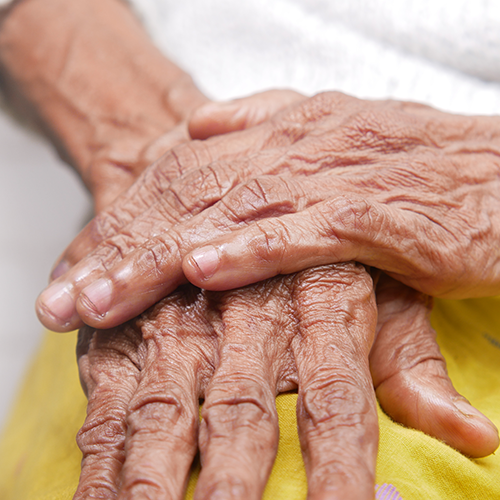
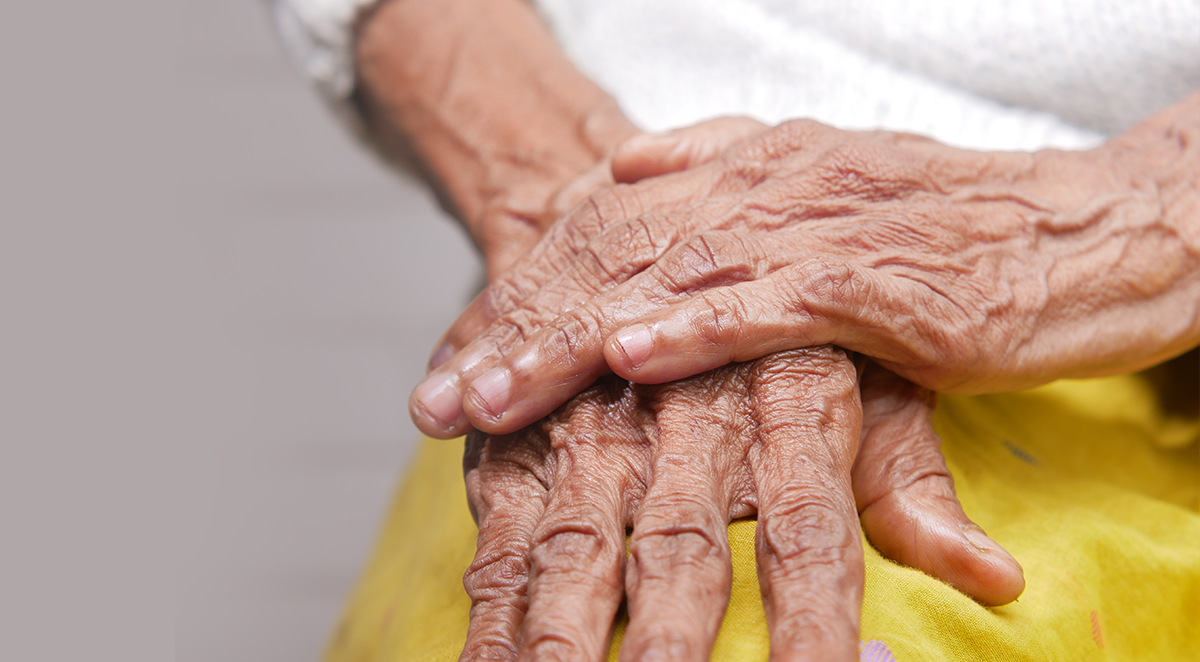
Almost all Indians get some form of sunlight throughout the day but we still see a huge amount of vitamin D deficiency in the older adult population. Your parents may step outside often, eat well, and go on walks, but they can still be vitamin D deficient.
This is due to the fact that skin loses its ability to easily synthesize vitamin D as we age. In addition to this, many seniors naturally shy away from the sun, and as they age, the number of health issues they suffer from increases which further decreases one's ability to absorb vitamin D. Because of this, many people overlook a Vitamin D deficiency until they start to suffer from muscle weakness, increased risk of falling and suffering a fracture, fatigue, and bone pain.
Many families mistake this condition as just part of the normal aging process. Understanding the reasons behind this widespread problem will help identify danger signs and act in a timely manner to protect your parent's bone health, muscle health, and overall health.
Why Sunlight Alone Does Not Fix the Problem
With Age, Skin Synthesizes Vitamin D More and More Slowly
Vitamin D production in the skin occurs because of UVB (Ultraviolet B) exposure and involves a substance called 7-dehydrocholesterol. As we age, the skin has progressively less of this substance. A 70-year-old will only produce a mere 25% of the Vitamin D that a 20-year-old will produce after the same amount of exposure. Thus, the morning walk enjoyed by your father at the age of 40 would have certainly benefitted him more than it would when he is 70.
Our Lifestyle Stops Us From Getting Enough Sunlight
Most Indian seniors prefer to stay indoors during peak UV hours (11am-3pm) to specifically avoid UV exposure. Although the morning sun is deceiving and can trick someone into staying outside, it is also a lot cooler and therefore, less UV radiated.
Additionally, full-sleeved clothing, sarees, and Indian skin (which is rich in melanin) require more exposure to sun, compared to European UV light sensitive skin, to get the same effect. Plus, an outdoor routine for Indians who have melanin-rich skin will cause a deficient synthesis of vitamin D.
City Living & Vitamin D Exposure
Despite having a lower level of sun exposure (which is essential for vitamin D synthesis), urban pollution offers a greater extent of urban vitamin D deficiency. This is primarily caused due to the fact that urban pollution blocks and filters out the necessary sun rays before they even reach the ground. Additionally, the urban lifestyle of high-rise living combined with an indoor lifestyle further cause a significant drop in sun exposure due to the presence of glass windows which also block the sun's essential rays.
Restriction in Vitamin D Synthesis Further Inhibited Due to Conditions and Medications Common After 60
Seniors suffering from diabetes are likely to experience a reduction in kidney functionality, and a decline in renal function, which is frequent among seniors suffering from diabetes or hypertension, reduces the quantity of vitamin D that is in its active form. This same occurrence is seen in persons suffering from hepatic illness.
Chronic disorders of the gastrointestinal tract result in a further decrease of vitamin D absorption. If a senior suffers from obesity, no amount of vitamin D will be beneficial because the vitamin will be stored in the excess body fat and, thus, be kept outside of the circulatory system. As a result, seniors above the age of 60 are essentially out of options.
Indicators of Vitamin D Deficiency That Most Families Frequently Miss
Usually, the signs of vitamin D deficiency are not visible and known. These patterns can help you recognise if your parent is actually Vitamin D deficient or not:
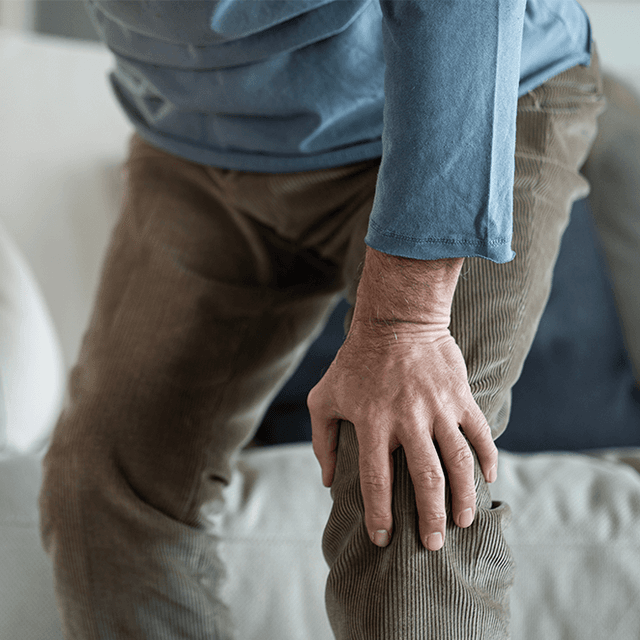
- Muscle weakness, especially difficulty in rising from a seated position, or climbing a few steps without the aid of a handrail or other support.
- Frequent instances of falling
- Dull persistent pain in bones in the lower back, hips, or legs
- Unexplained fatigue that does not improve with rest
- A recent fracture due to a trivial fall, probably due to some pathological process or bone deficiency
- Unexplained low mood or irritability
These are often seen as just normal signs of getting older.
Deficiency of Vitamin D Can Affect Bones and Muscles
Vitamin D is important for calcium absorption in the intestines. When the body detects low calcium levels in the blood and vitamin D is insufficient, the body is forced to pull calcium from bones to maintain normal blood calcium levels; this process is ongoing. The continual depletion of bones leads to less dense bones and may result in osteomalacia and osteoporosis.
Weak bones in older adults are especially problematic because they are at a greater risk for fractures. Hip fractures in older adults may also cause loss of mobility and independence.
A deficiency can actually cause weakness in the body's major muscles, especially in the hips and thighs, which are important for maintaining balance and standing. This could explain why older adults who tend to experience falls, have been noted to have low levels of vitamin D. When both bones and muscles are weak, the situation can be very dangerous because weakness of the body causes the person to fall and when the person falls, the weak bones break due to the impact.
Testing Vitamin D Deficiency
Current levels of vitamin D can be assessed through a regular blood test called serum 25-hydroxyvitamin D or 25(OH)D. This blood test can be done at most clinics in India, and some of them offer home sample collection through a kit.
A level of vitamin D that is below 20ng/mL is viewed as a deficiency, and a level of vitamin D that ranges from 20 to 30 ng/mL is considered insufficient. While a level that is above that is considered alright. Along with the calcium test, the doctor will review the vitamin D level along with your parent's other tests related to kidney function and general health. If the doctor suspects significant bone loss or fractures, a bone density (DEXA) scan may be requested.
Safely Increasing Vitamin D Levels
Reasonable Sun Exposure
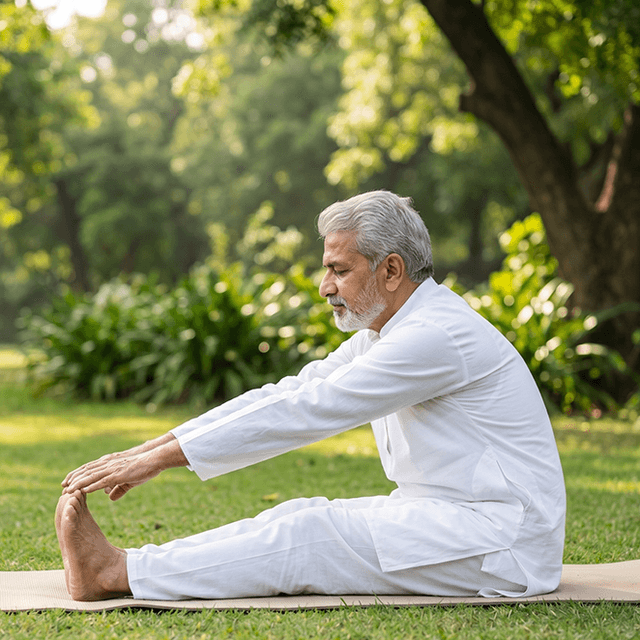
Try to get 15 - 30 minutes of sun exposure on your face, arms, and legs a few times a week. Ideally, do this between 11 - 2 since those are when the sun rays are the strongest. You can also do this on your balcony. If you are doing this for the first time, it may be wise to start off with fewer minutes. If you think you may get thirsty, have some water nearby. This is important for people in advanced age as they can start to develop some skin problems, and this should be addressed with a physician prior to doing it.
Sources of Vitamin D in Food
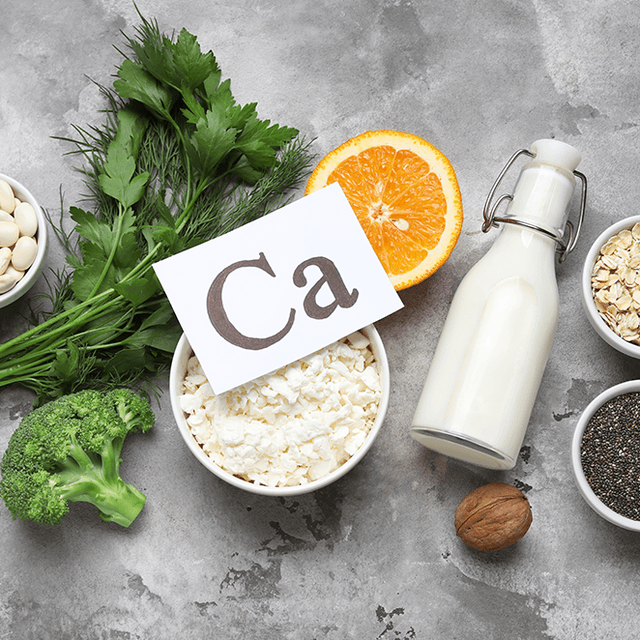
When it comes to Indian food, there are very few options that actually have Vitamin D. Eating some salmon, rohu, or hilsa (which are all fatty fish), chicken egg yolks, and drinking fortified milk or oils will give you a negligible amount of Vitamin D. A balanced diet offers little to no solutions for eliminating Vitamin D deficiency. But, it can help to keep Vitamin D levels from dropping again after treatment.
With a prescription from a doctor, they will usually send you to get some blood work done and if you do have a Vitamin D deficiency, they will write you a prescription for a high dose of Vitamin D3 (usually 60,000 IU). This may be for a time period of 8 to 12 weeks, and then you will be given an ongoing dose to maintain it. Do NOT start a prescription for a high dose Vitamin D3 without a doctor's order, as you can develop other problems as a result, including very high levels of Vitamin D which can also lead to hypercalcemia (having too much calcium in your blood which can be very dangerous).
You will have to increase your calcium levels either through your diet or with a supplement. This works with the Vitamin D to create the problems that were mentioned before. You will need to get blood work done again to see if you have levels that are within the normal range after two to three months.
Safeguarding Your Parent While Regaining Strength
It can take weeks to fix deficiencies so muscle strength can return only slowly.
Such a risk can also cause your parents to fall. In Indian homes, the bathroom is the most dangerous place to have a fall. Reliable support can be given by installing the AGEasy Secure Hold Grab Bar in the toilet and bathing area. Your parent will have a firm hold on the slippery tiles. This support should be used together with a non-slip mat and good lighting. AGEasy also provides walking aids and other home supports specifically designed for Indian homes.
If your parent is living alone, or if you are leaving home for work, the fall detection feature of the AGEasy Protec Fall Detection Smartwatch, gives an elderly person a call, and alerts family members. This feature disables an elderly person from waiting for a long time after an accident without help.
A supportive knee cap will help them stay pain free and will keep them active outdoors. Joint support supplements like AGEasy Joint Care Comfort G are added by some families to the prescription of joint support supplements from the doctor. This is more common with seniors. Knee pain can limit walking. Less walking will also limit sun exposure.
When to See a Doctor
If you notice your parent has muscle weakness for a longer period of time and has undiagnosed pain in their bones or frequent falls, or has sustained a fracture from a trivial incident, a medical consultation is important. For you, if you have sustained an injury to your head from a fall, or are unable to bear weight on your legs, medical assistance should be sought immediately. Consider taking an inventory of your parent's current medications, as some of them can interfere with Vitamin D.
The Bottom Line
Vitamin D deficiency is a common issue among seniors of Indian origin even with the availability of sun in the immediate environment. The reasons could be due to aging skin, indoor habits, clothing that covers the skin, presence of environmental pollutants, and enduring medical conditions. The answer to the problem is straightforward. Your parent needs to undergo an assessment and receive treatment, obtain medical clearance to go outdoors during peak sun hours, and ensure the home is designed to prevent falls while your parent is regaining strength. A timely response to the early signs of warning by families of the seniors helps in preventing their parents from experiencing fractures that could lead to loss of independence and prolonged recovery.
This article cannot be considered as medical advice. Only a credentialed medical professional, with access to your parent's complete health history, can diagnose and treat your parent for Vitamin D deficiency.
Recommended Blogs

You May Also Like
 No products found
Article by:

Aryan
Article Category:
Joint Care