


Is It Arthritis, a Sprain, or Just Overuse? How to Tell the Difference in Older Adults
Article by: Miya
Jul 9, 2026. 7 min read
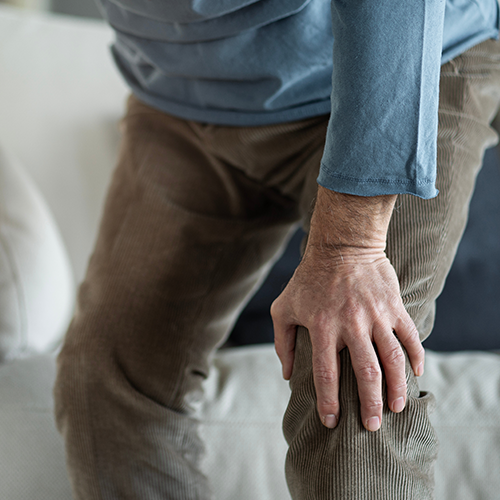
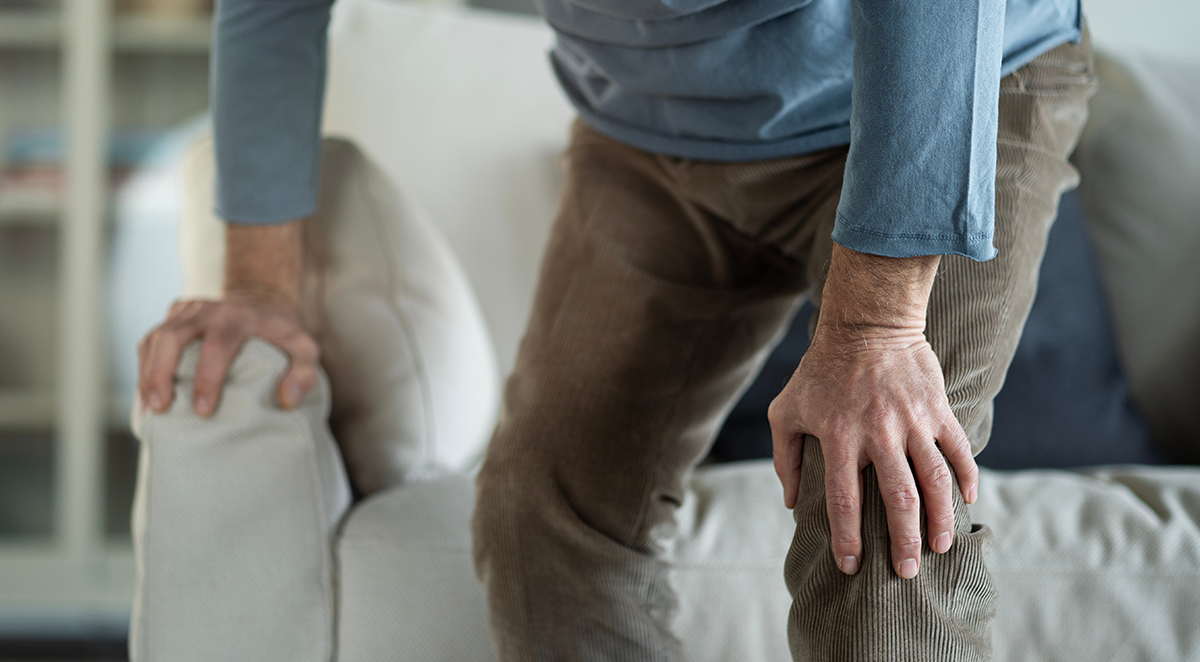
Not every ache is arthritis, and not every painful knee or ankle should be ignored. This is a trap that many families fall into.
A parent states it's probably just old age, and a few days later the parent is still limping. A week later, the parent stops going for morning walks altogether.
The biggest error is thinking that every joint or muscle pain is the same issue - it isn't.
You shouldn't evaluate pain based on the severity of the problem, the age of your parents, the location of the pain, or the frequency it comes and goes.
Instead, inquire about how the pain started.
Was it sudden and the result of a twist or a fall? Did the pain build up gradually over weeks or months? Is it worse in the morning or after activity? Does rest make it better, or worse?
Pain has a pattern, and that pattern often provides more information than the actual pain.
If you want to help your parents avoid treating the wrong problem while the real issue keeps getting worse, try to understand the clues. Doing so will help you identify the difference between arthritis, a sprain, and overuse. This will help you identify when home care is sufficient, and when medical treatment shouldn't be postponed. You help your parents stay active without making the injury worse.
This guide outlines the warning signs and symptoms that differentiate arthritis, sprains, and overuse injuries and helps you decide what steps to take next for your parent's recovery.
Arthritis Develops Gradually
Arthritis in older individuals follows a predictable pattern. Stiffness occurs first thing in the morning and goes away after 30 minutes to 1 hour after your parent has started moving. The pain is localized to the same joint over weeks or months and is aggravated after prolonged sitting, and in cold weather. Joints commonly affected are the knees, hips, hands, and shoulders. Injury-related swelling and bruising, however, are very uncommon.
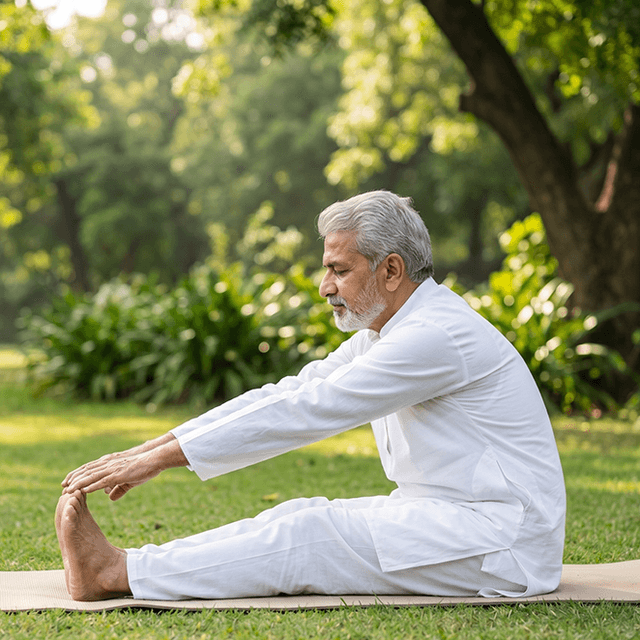
If this pattern describes your parent's condition, then gentle movement will be more beneficial than complete rest. The joint can be kept from stiffening further with short walks, light stretching, or a few minutes of simple exercises. During daily activities, compression is provided by knee supports like the Comfort Ease Knee Cap or the Hinged Max Comfort Knee Cap from AGEasy. For mornings, warm water soaks may relieve stiffness in hands.
An ankle sprain occurs in a singular, immediate event, for example, an individual's parent may have stepped off a curb incorrectly, or twisted their body when getting out of an office chair, or slipped on a wet floor. Initially there is sprain associated pain with possible subsequent swelling in addition to bruising around the ankle joint within a 48 hour timeframe. The affected parent may be unable to ambulate without a significant amount of pain which then can leave them with a feeling that the ankle is not overly stiff but feels woefully unstable.
While resting and elevating the affected leg with a cold pack on the joint for periods lasting fifteen to twenty minutes can help with pain and swelling, the best way to care for a sprain is to do absolutely nothing for the first 48-72 hours to allow the ligaments to stabilize. Keeping the joint immobile can be helped by the use of a hinged knee immobilizer and/or splint with lateral support in addition to use of an assistive ambulation device that is designed to offload the affected limb, such as the AGEasy Single Leg Walking Stick or the Four Leg Walking Stick.
If the joint parent is unable to touch weight to the limb then the joint appears grossly deformed or the pain remains severe regardless of rest, this may indicate much more severe injury such as a fracture so immediate medical evaluation is indicated.
Connection Between Activities and Overuse Pain
Pain caused by overuse occurs over time, similar to arthritis, however, it is related to a specific activity. Soreness for the following day or two can occur from gardening for an additional hour, taking a longer than normal walk, or performing the same action repetitively like kneeling to tend to plants, or cooking and standing for long periods. This pain is located in the muscles or tendons surrounding a joint rather than the joint itself. Rest for a day or two truly improves the pain, and this is what separates overuse pain from arthritis because in arthritis, rest does absolutely nothing to help the stiffness.
Watching for the trigger activity provides the most insight. When your parent's knee or ankle starts hurting after certain activities and it calms down after a rest period from those activities, overuse is very likely to be the reason. Supportive shoes, activity modifications like less strenuous, and more frequent breaks help to alleviate some of the stress on the affected joint. Activity knee supports during gardening or similar activities and a back support cushion can provide significant relief during prolonged sitting.
Signs to Look Out For
Most causes of pain from joints can usually be fixed with rest, however there are some signs that suggest more serious issues at play.
Symptoms like heat and redness on a joint, sudden swelling that worsens in a matter of hours, joint pain with fever, pain severe enough to prevent any weight bearing on that leg, or pain that interrupts your parent's sleep. Any of these symptoms warrant a visit to a physician instead of treating at home.
If there is numbness, tingling, or pain around the joint in question, it may indicate that a nerve is involved and should be evaluated medically. A doctor's visit is warranted regardless of how mild the pain seems, if it occurs after a fall and there is a history of bone fractures or the patient has osteopenia or osteoporosis, as it can be due to a hairline fracture, which may not be immediately apparent.
Home Care That Supports Recovery
If there are no red flags, home care can be a great adjunct to the treatment of any type of arthritis or sprain, as well as injuries from overuse. While gentle movement of the joint within a pain-free range (if not directed otherwise by a physician) is encouraged, heat should be applied to the joint if it is stiff and cold packs should be applied to the joint if it is swollen (it is even recommended to alternate heat and cold).
For minor pain, a topical analgesic will suffice, as it provides pain relief without the need for oral medications. A supportive sleeve that has side hinges will control any knee movement for walking, standing, climbing stairs, or sitting for prolonged periods of time. If your parent has some instability after an injury or flare episode, using a cane will improve safety during the healing period. The Quadbase Elite model is best for uneven surfaces, while the single-legged supports are great for lightweight assistance.
Keep track of your parent's symptoms over the course of a week. Try to document things like when the pain started, what activities were done right before it started, if movement makes the pain feel better or worse, if there is any swelling or bruising, and so on. This documentation will help the doctor reach a diagnosis faster if the circumstance requires a visit, and it will help you and your parent identify patterns you may otherwise overlook.
When to See a Doctor
A doctor should be seen if the symptoms continue for more than two weeks and there has been enough rest and home care, if there has been swelling for three to four days or more and it has not gone down, if there is no improvement in mobility for your parent, or if the pain returns continuously when they try to do a normal activity. A physiotherapist can help by suggesting safe exercises and movements to help alleviate your parent's specific joint problem, and this often stops a small issue from becoming a big issue.
Getting the right diagnosis right away allows your parent to avoid months of uncertainty and gives them the best chance of staying active and independent. If there is no improvement after a few days or if the symptoms get worse, consult a doctor or physiotherapist.
Recommended Blogs

You May Also Like
 No products found
Article by:

Miya
Article Category:
Joint Care