

How to Prevent Adult Diaper Rash
Article by: Aisha
Article Category: Adult Diapers & More
Aug 10, 2026
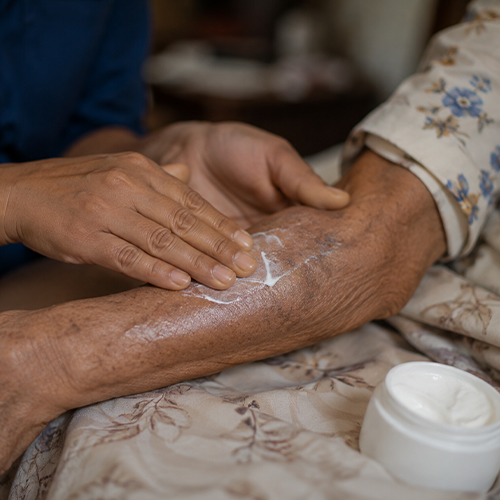
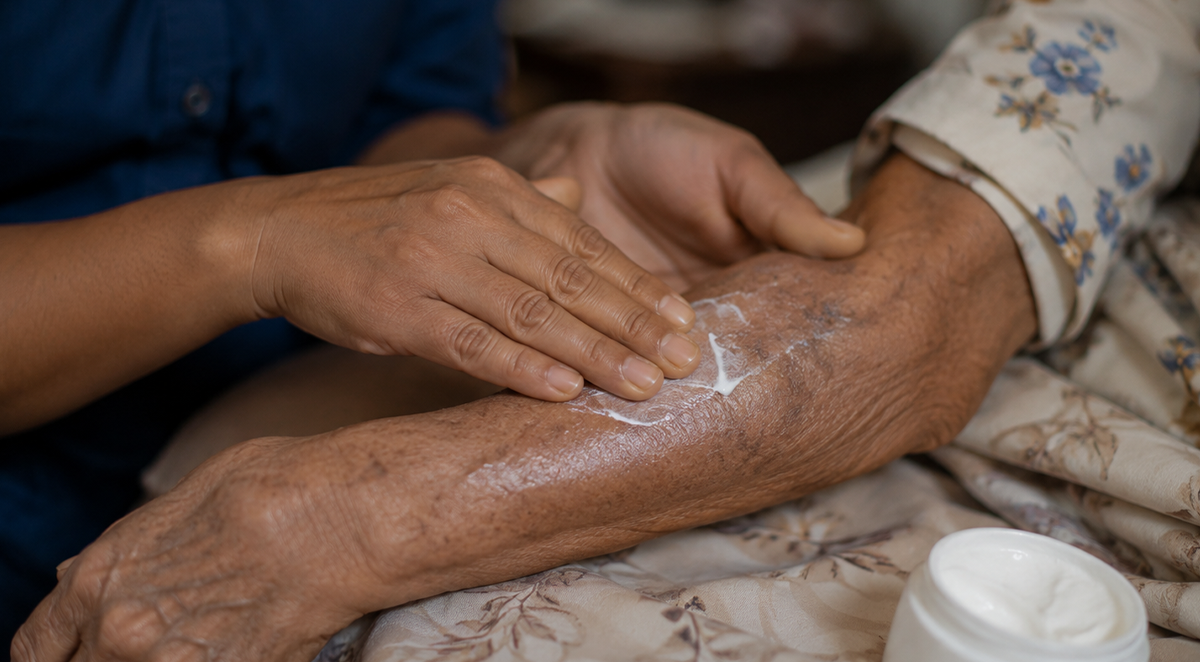
Improper skin care can often cause serious discomfort and poor skin care routines can lead to diaper rash. Many people think that adult diapers cause skin irritations regardless of the duration of wear, but this is not always the case.
Many people incorrectly assume that the adult diaper is the root cause of their skin irritation. In fact, irritation can be caused by skin sensitivity, age, or even the diaper, but these situations often have more to do with the care routine than the product used. Issues often arise due to infrequent changing of the diaper, insufficient skin cleaning and drying after a change, inappropriate size and absorbency of the diaper, or a lack of adequate skin barrier protection softening during the day.
Most of the time it is not luck that keeps skin healthy, it is consistent care. Neglecting early warning signs of rash can result in the development of serious skin conditions such as infections or ulcerations, which will be much more difficult to treat. Reducing friction and moisture by getting the fundamentals right will allow for the use of adult diapers with minimal discomfort, allowing the user to retain their dignity.
This guide details the causes of adult diaper rash and includes preventative strategies, the most common and misleading misconceptions, and protective skin care routines.
What causes adult diaper rash?
Older adult skin is more likely to get rashes because skin thins, heals slower, and less oil is naturally produced which inhibits the skin's ability to heal. This means that the senior adult will require more care to keep their skin from becoming irritated, which is a contrast from a younger adult who may not require as much care because their skin irritates less. Overall, the harsh effects of older skin's thinness and healing ability results in the older adult needing more focus.
There are also specific conditions that further increase the risk. The increased risk of skin breakdown is caused by diabetes; bed-ridden states; incontinence resulting from reduced mobility; and other such conditions. If your loved one is experiencing any of these conditions, make sure to check their skin daily instead of waiting until they visibly show signs of discomfort.
Change frequency matters more than diaper choice
Emotionally supportive reasons and functional reasons both explain why it is not the diaper, but rather the frequency at which the diaper is being changed. This is because the most significant factor in skin rashes is the duration for which skin remains wet or moisture has accumulated in the diaper.
For example, throughout the day, the diaper should be changed every 3 to 4 hours regardless of any excrement in the diaper. At the end of the day, the pants must also be changed after bowel movements or any other excrement in the pants.
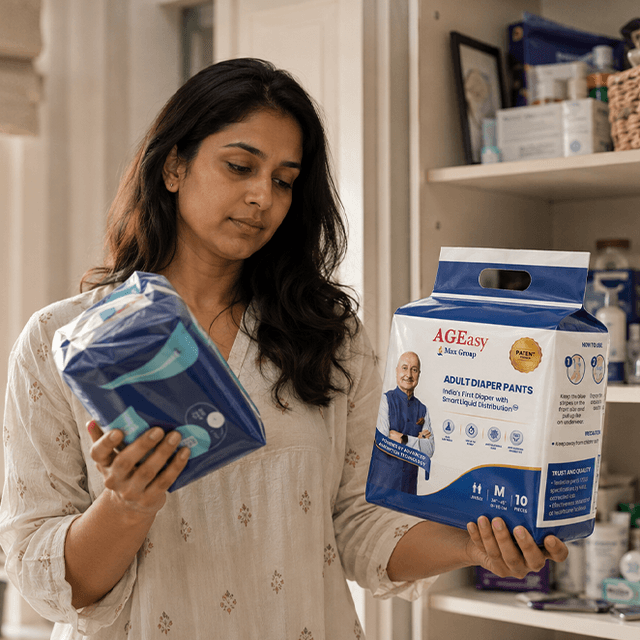
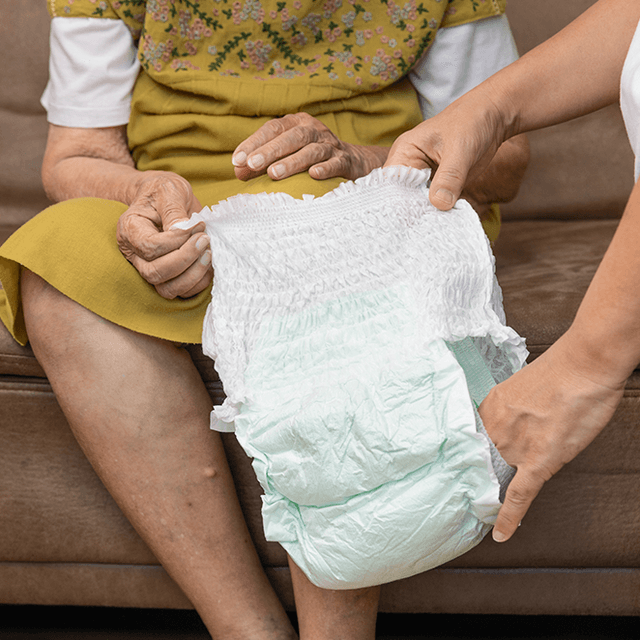
Diapers that are designed to be worn overnight help to ensure sleep is uninterrupted. Adult Diaper Pants by AGEasy feature Smart Liquid Distribution technology, which allows liquid to be distributed evenly in the absorbent core rather than staying in one location. This results in the top staying drier for an extended period of time, along with having the ability to be worn overnight for up to 12 hours, something that is beneficial when frequent changes are not an option.
For seniors who are unable to move or are bedridden, the taped style of diapers provide the ability for caregivers to check or change the diapers easily. Adult Diapers Tape Style by AGEasy feature refastenable tapes, meaning a caregiver is able to check the status of the diaper without having to remove the entire diaper, thus reducing disturbances and allowing for a timely change of a wet diaper.
Clean and dry the skin properly
Every change is a chance to protect the skin instead of simply containing the moisture. Use water and a gentle, fragrance free cleanser, and avoid scrubbing, as this adds friction that damages already sensitive skin. Instead of rubbing, pat the skin dry, and give it a chance to fully air dry before putting on a fresh diaper.
It is best to avoid heavily-scented wipes and talcum powder, as they can irritate skin, as well as clogging the pores and worsening an already present rash. After the skin is clean, applying a barrier cream with zinc oxide protects the skin by creating a barrier between the skin and moisture. This step is most important for those who are already showing early signs of redness.
Get the size and absorbency right
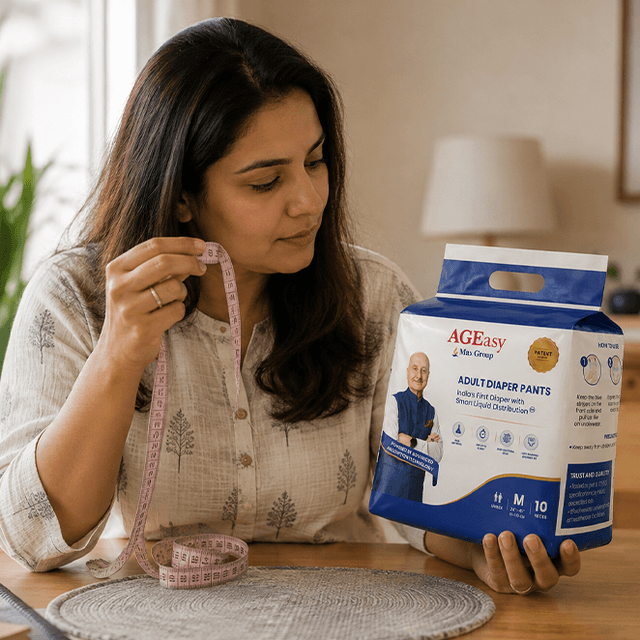
If the diaper is too small, it can create pressure and friction along the leg openings and waistband. If the diaper is too big, it can allow for leaks and cause the skin to stay wet for extended periods of time until the next diaper change. Be sure to measure the waist and hip sizes and select the appropriate diaper size. If your loved one is in between sizes, choose the bigger size for better comfort and a more secure fit.
The absorbency needs to be adequate to handle the amount of output, not just based on the time of day. For individuals with heavier incontinence, a pull-up diaper with a higher absorbency is necessary no matter what time of day it is. The AGEasy Adult Diaper Pants are equipped with leak protection in the leg cuffs in addition to a top sheet that stays dry and reduces friction, thus helping to prevent rashes.
Watch for early signs
The first stage of these symptoms usually consists of skin irritation, redness, and warmth. Gentle cleaning, more frequent changes, and the use of a barrier cream can usually resolve the irritation within a couple of days. If the skin is swollen, has open sores, and/or displays patches that are white and may have a yeast infection, do not treat it at home - go to a doctor. Rashes that are persistent and/or worsening are symptoms that medical intervention is necessary, especially for those seniors that have poor circulation and/or diabetes. It is important to note that infections can progress more quickly in these cases.
Build a routine that protects skin long term
Before a rash emerges, prevention and consistency are key. Daily routines are far more effective than responding to an issue when it arises.
- It is important to check the diaper every three to four hours.
- Do not forget to clean the skin after every diaper change and allow the skin to dry completely before applying a barrier cream if there are any signs of redness.
- When selecting a diaper, consider the appropriate size and absorbency, and remember to reassess this as the user's needs change.
- Choose a good quality diaper that is designed to be absorbent.
- For caregivers, having the right supplies, such as AGEasy disposable bed sheets, makes everything easier by creating a barrier to protect the bedding from becoming wet.
In order to create a more comfortable environment, focus on building good habits, choosing good products, and checking on the skin regularly. Consistent effort is far better than waiting and using reactive measures once the skin has become irritated.