





Continuous Glucose Monitoring for Daily Health
Article by: Admin
Jun 2, 2026. 41 min read
How is Continuous Glucose Monitoring Changing Daily Health Tracking?
Health tracking has moved from occasional checks to everyday awareness. People now want to understand how their body responds to meals, sleep, movement, stress, and routine changes. For adults, caregivers, and families, this awareness can make daily care feel clearer and easier to discuss with doctors.
This is where the Continuous Glucose Monitor(CGM) is becoming important. It helps people look beyond isolated readings and observe glucose movement across daily life. At AGEasy, this shift is approached with easy-to-use health solutions that support everyday tracking, clearer insights, and senior-friendly care.
Let’s learn how continuous glucose monitoring is changing daily health tracking and why it matters for personal wellness.
What is a CGM Device and How Does it Work?
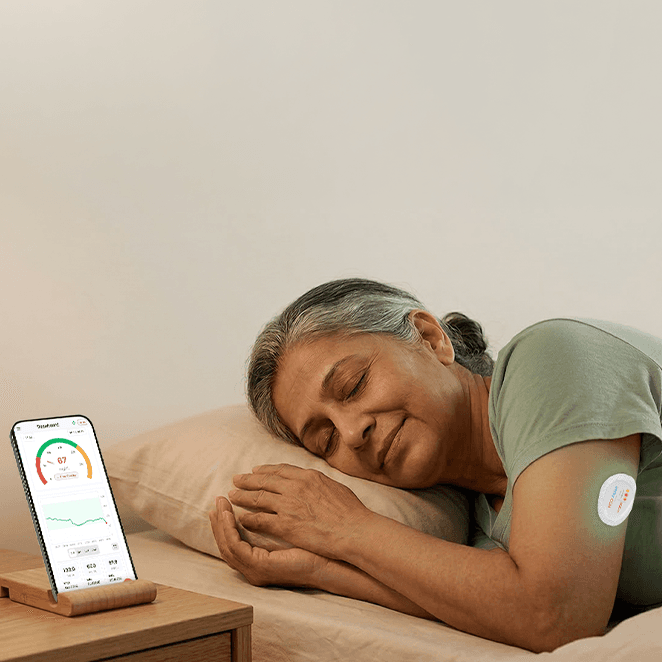
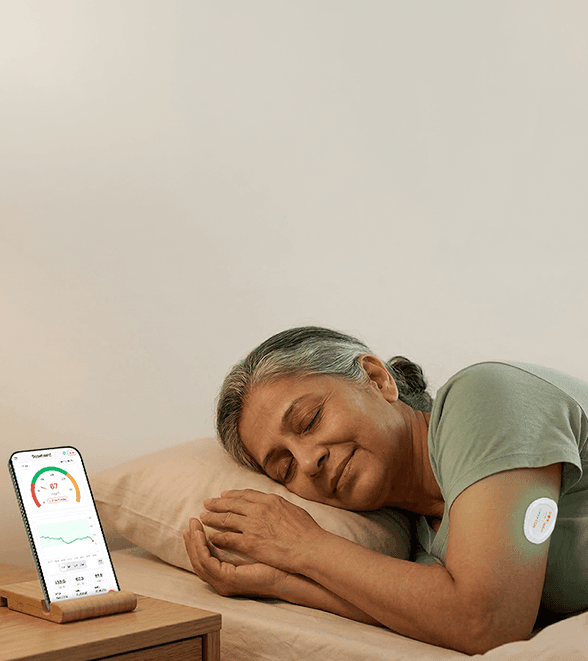
A continuous glucose monitor is a small wearable device that tracks glucose levels at regular intervals. It is usually placed on the skin and reads glucose through interstitial fluid, which surrounds the body’s cells. These readings help users see how glucose levels move through the day.
For users who want to understand how to use a CGM device, the process can be simple when each step is followed with care:
Sensor-based Glucose Reading
A CGM device uses a small sensor placed on the skin to track glucose through interstitial fluid. This helps users understand glucose movement without depending only on occasional manual checks.
Continuous Data Collection
Once applied, the sensor keeps collecting glucose readings during regular activities, rest, and movement.
Real-time Glucose Reading Visibility
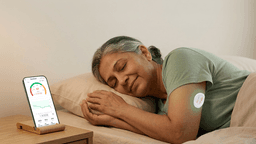
The readings can be viewed through a connected device, such as a smartphone, when paired with the required transmitter.
Users should also understand how to remove the CGM sensor once the recommended wear period is complete to ensure comfort, hygiene, and proper device handling.
5 Key Ways the AGEasy CGM Device Improves Health Awareness
AGEasy brings continuous glucose monitoring into daily routines through comfort-focused design and easy glucose visibility. These features are built to support users who want clearer health information without making tracking feel complex
Pain-free Glucose Monitoring
Glucose tracking becomes easier to follow when users do not have to pause their routine for repeated finger pricks.
A) Encourages Consistent Tracking
A pain-free process can make users feel more comfortable with regular monitoring. This may support better tracking habits over time.
B) Shifts Focus to Glucose Patterns
Users can continue checking glucose patterns without frequent manual testing. This makes monitoring easier to include in home, work, and travel routines. When testing feels easier, users can focus on what their readings mean. This supports better awareness of glucose movement through the day.
C) Reduces Testing Discomfort
AGEasy’s CGM sensor supports continuous glucose monitoring without daily finger pricks. This helps users track glucose with less discomfort during regular health checks.
2) Long-lasting And Water-resistant Design
A continuous glucose monitor sensor works best when it can stay with the user through regular activities, movement, and daily care routines.
A) Supports Up to 14 Days Of Wear
AGEasy’s continuous glucose monitor sensor can be worn for up to 14 days. This gives users enough time to observe glucose patterns across different routines.
B) Fits into Everyday Activities
This sensor is designed for daily use, so users can continue normal activities while tracking glucose. This makes monitoring feel less restrictive.
C) Stays Functional During Showers
The water-resistant design helps the sensor stay functional during showers. Users do not need to remove it for routine personal care.
D) Supports Light Workouts
This sensor can also support light workouts. This helps users observe how movement may influence glucose levels.
E) Reduces Breaks in Monitoring
Longer wear and water resistance help maintain tracking continuity. This gives users a steadier view of glucose movement over time.
3) High-frequency Glucose Measurement
Frequent readings can help users understand glucose changes with greater clarity instead of depending on limited spot checks.
A) Records Readings Every 3 Minutes
The sensor records glucose readings every 3 minutes. This helps capture changes that may happen between occasional manual checks.
B) Provides Up to 480 Readings Daily
With up to 480 readings per day, users get a detailed view of glucose movement. This can make daily trends easier to notice.
C) Shows Rises and Drops Clearly
Frequent measurements help users see when glucose levels rise, fall, or remain stable. This adds better context to daily health tracking.
D) Links Readings with Routine Habits
Users may observe how meals, rest, stress, or activity affect glucose levels. These insights can guide better conversations with healthcare professionals.
E) Supports Real-time Awareness
Regular readings give users timely information about glucose changes. This helps them stay better informed throughout the day.
4) Seamless Smartphone Connectivity
Digital access makes glucose data easier to view, review, and discuss with caregivers or healthcare professionals
A) Pairs With AGEasy Transmitter
The sensor can pair with the user’s existing AGEasy Transmitter. This helps connect glucose readings with a digital tracking system.
B) Shows Data on a Smartphone
Users can view real-time glucose data on their smartphones. This makes readings easier to check without depending on memory or paper notes.
C) Displays Reports and Trends
Smartphone access helps users review reports and glucose trends over time. This can make health discussions clearer during consultations.
D) Supports Caregiver Awareness
Caregivers can better understand glucose patterns when the data is easier to review. This can be helpful for senior care routines.
E) Makes Follow-ups More Useful
Digital reports can help users share clearer information with healthcare professionals. This supports more focused conversations about daily glucose patterns.
5) Safe and Ergonomic Fit
Comfort and secure placement are important because a wearable health device needs to feel reliable throughout the day.
A) Stays Securely in Place
The sensor comes with a built-in safety lock that helps it stay in position. This supports steady tracking during regular movement.
B) Feels Comfortable on the Skin
Its ergonomic design helps the sensor sit comfortably during daily wear. This can make long-duration tracking easier for users.
C) Supports Natural Movement
Users can move through regular routines without constant adjustment. This helps the device feel easier to include in daily life.
D) Reduces Accidental Disturbance
A secure fit lowers the chance of the sensor shifting or loosening. This helps support smoother monitoring during the wear period.
E) Builds Confidence In Regular Use
When the sensor feels safe and comfortable, users may feel better about using it consistently. This can support stronger daily health awareness.
Build a Smarter Approach to Daily Health Tracking
Better health tracking begins when users can understand their body without feeling confused by numbers. Glucose data should support awareness, not create worry. The right device can help people notice patterns, prepare better questions for doctors, and involve caregivers in a calmer way.
At AGEasy, our continuous glucose monitor sensor is designed to make daily glucose tracking feel simple, comfortable, and easier to follow. Start by tracking your glucose patterns consistently, then use those insights to have clearer conversations with your healthcare provider.
With the AGEasy continuous glucose monitor sensor, daily tracking can become a simpler step toward informed care, steadier health awareness, and more confident everyday decisions.
Recommended Blogs



You May Also Like
 No products found
Article by:
Admin
Article Category:
BP Monitors & Other Devices