


Papaya, Prunes and Pears: Fruits That Genuinely Relieve Constipation After 60
Aug 30, 2026
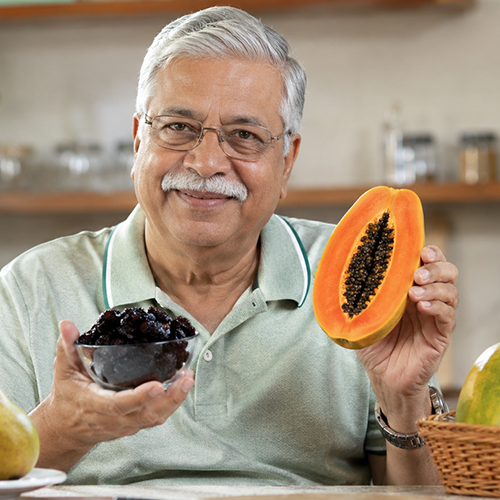
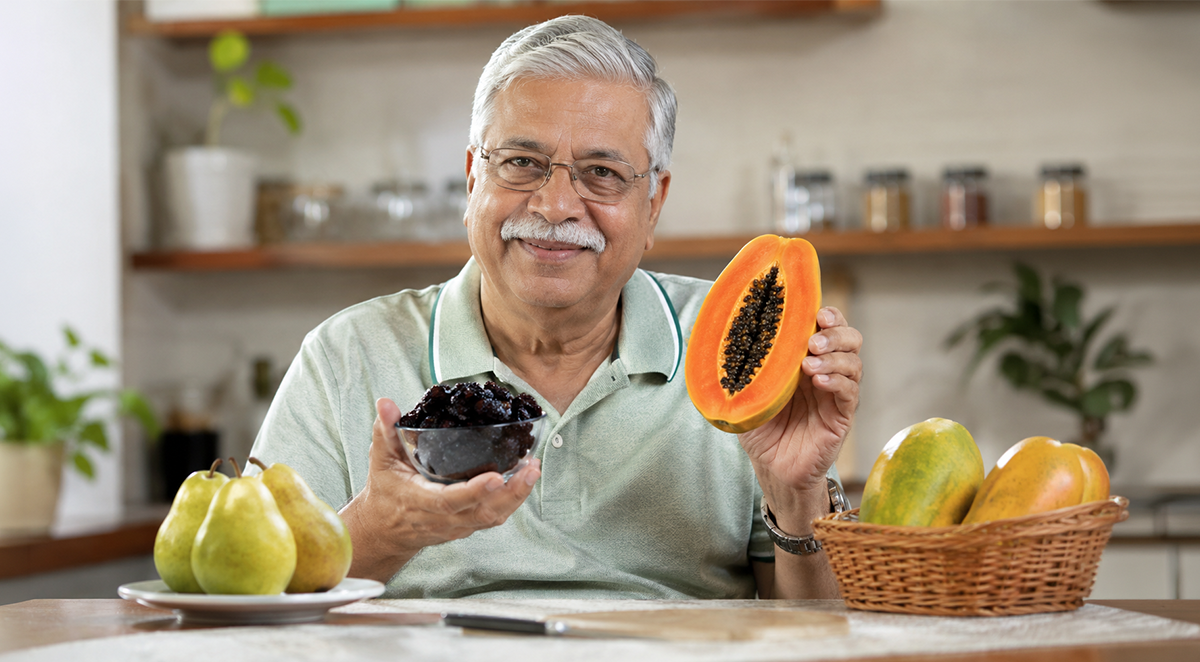
For seniors, constipation may start innocuously. A harder stool or an extra day between bowel movements may be the beginning of underappreciated constipation. An aging parent may begin to lose interest in eating, experience insomnia, lose confidence, or start restricting themselves to the home.
Fruits can help relieve this discomfort, but the right fruits can provide more than sweetness. Papaya, prunes, and pears each support digestion in their own way. Papaya provides fibre and water, prunes contain fibre and sorbitol, and pears provide water and fibre, with more fibre available when the fruit is eaten with the skin on.
Together, these fruits may form a useful food routine for seniors, but they should be used alongside medical advice and with consideration for any health conditions or dietary limitations.
Why Does Constipation Begin After 60?
The aging process itself does not directly cause constipation. Underactivity, reduced appetite, reduced thirst, dental concerns, difficulty or limitations with swallowing, and changes in daily routines can all contribute.
Many older adults may also reduce their water intake because they are worried about needing to urinate frequently or having to leave the house.
Medicines should also be considered. Some iron supplements, blood pressure medicines, pain medicines, antidepressants, and diabetes medicines may affect bowel habits in some people.
Do not stop taking any medicine on your own. A three-day record of medicines, meals, drinks, bowel movements, and stool consistency can be useful for both the family and the clinician.
Papaya
Ripe papaya has a relatively soft texture and can be easy for many people to digest. A small serving of papaya in the morning or afternoon can provide some fibre and may support bowel regularity.
Papaya is not a substitute for treatment, but it may be included as part of a food routine if the person can digest it comfortably.
People with diabetes should account for papaya as part of their overall meal plan.
Prunes
Prunes are dried plums that contain both fibre and sorbitol. Sorbitol has laxative effects, while fibre can help add bulk and support movement of stool. Studies support the use of prunes for constipation, although individual responses can vary.
If your parent does not regularly eat prunes, begin with 2–3 prunes and keep water available. Some people may find prunes easier to chew and digest when they are soaked or pureed.
Avoid starting with a large quantity. Eating too many prunes at once may cause gas, loose stools, or cramping.
Prunes contain concentrated fruit sugar, so people with diabetes should keep portions under control. People with kidney disease or restricted fluid intake should discuss the use of prunes and other dried fruit with a dietitian or healthcare professional.
Because prunes contain concentrated sugar and fibre, they should be consumed with appropriate fluids unless fluid intake has been restricted by a healthcare professional.
Pears for Skin-On Fibre and Water
A ripe pear contains water and is a good source of fibre, including soluble fibre that can help retain water in the stool.
Much of a pear's fibre is found in the skin. Wash the pear thoroughly and leave the skin on when your parent can safely chew and swallow it.
If your parent has dental problems or difficulty swallowing, the pear can be poached or stewed and the skin removed if necessary.
Start with half a pear. Many adults can eat an entire pear, but tolerance is more important than following a fixed serving size. Have it with a meal and monitor stool comfort and frequency over the following few days.
How to Minimize Discomfort When Adding These Fruits
Fibre requires adequate fluid to work effectively. When introducing prunes, pears, and papaya, go slowly rather than adding all three at once.
For example, you can add papaya at breakfast, introduce pear later in the day, and add prunes on another day. The goal is to avoid increasing fibre too quickly.
Gentle, regular walks can also support a healthy bowel routine when the person's mobility and medical condition allow it.
Establishing a regular toilet routine may also help. Some people find it more comfortable to have their knees slightly higher than their hips while using the toilet. A small footstool can help create this position.
If your parent has ongoing problems with bowel regularity, discuss the issue with a clinician or pharmacist before trying additional treatments.
AGEasy Consti Calm is a prebiotic and herbal blend designed to support digestive health. It should not be treated as a substitute for medical treatment. Follow the product instructions and discuss possible drug interactions or contraindications with your healthcare provider, particularly if constipation is persistent or worsening.
When Fruit Is Not Enough
Contact your clinician if constipation persists despite reasonable dietary and lifestyle changes, repeatedly returns, or begins after a change in medication.
You should seek medical advice promptly if constipation is accompanied by:
- Severe or persistent abdominal pain
- Vomiting
- Significant abdominal bloating or swelling
- Blood in the stool
- Black stool
- Sudden confusion
- Fainting
- Inability to pass gas or stool
- A significant change in bowel habits
- Unexplained weight loss
A clinician may consider medications, hydration status, activity level, thyroid function, diabetes, pelvic floor function, and other factors when determining the cause and appropriate treatment.
Different people can require very different treatments, so persistent constipation should not be managed only through fruit or dietary changes.
Suggested Routine of Fruits for Caregivers
Start with just one change. Give your parent half a pear with the skin, a small bowl of papaya, or two prunes with water.
Keep the same amount of fruit for a few days. Track bowel softness, straining, pain, and how often your parent has a bowel movement.
Only increase the serving if your parent is comfortable.
Papaya, prunes, and pears can all support regular bowel habits, but they do not solve every cause of constipation after 60. Constipation is common in later life, and consistent routines and observation can help families decide when further evaluation or treatment is needed.
Disclaimer: The health information in this article is not a substitute for professional medical advice.