

Kyphosis in Older Adults: When a Rounded Back Becomes a Medical Problem
Sep 8, 2026
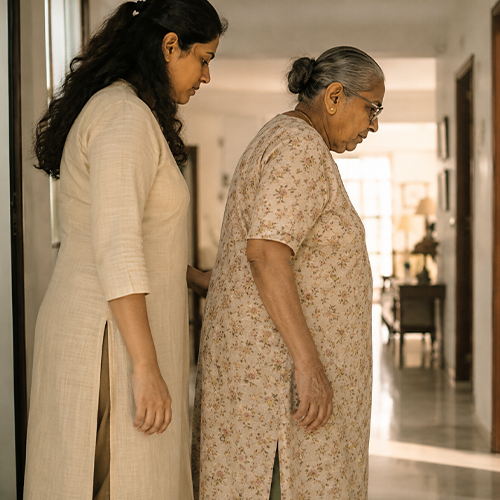
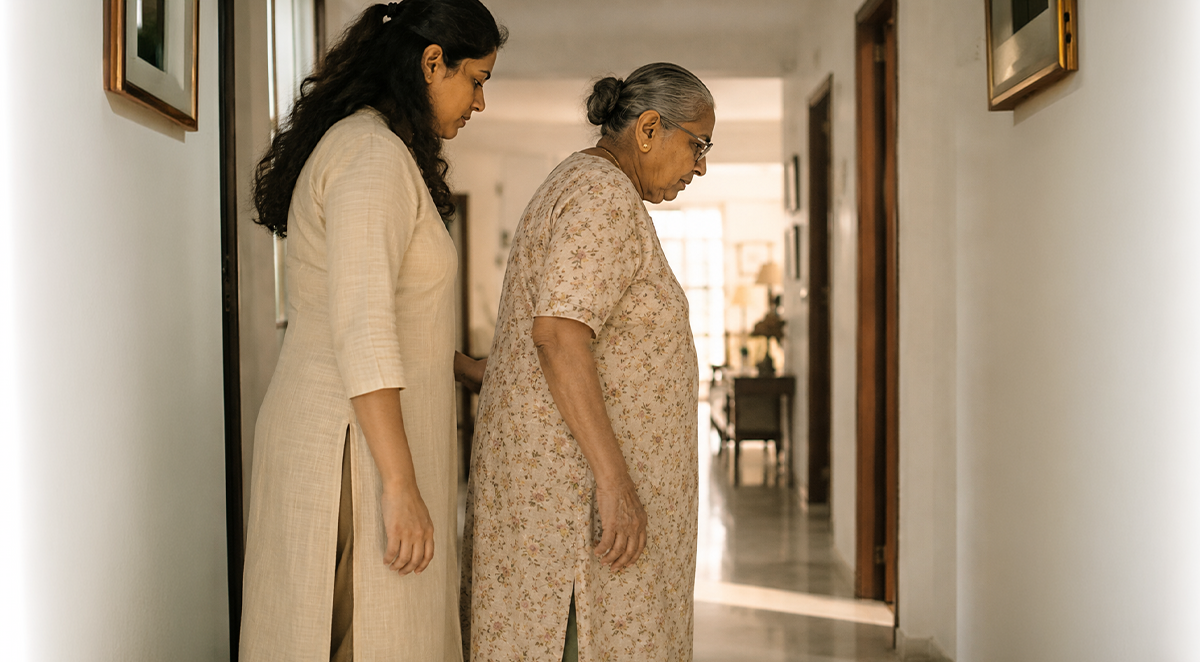
When an ageing parent begins to walk with a rounded back, the change can sometimes seem gradual. Their clothes may begin to fit differently, they may feel tired after standing, or looking straight ahead while walking may require more effort.
A rounded back should not automatically be dismissed as a normal part of ageing. Kyphosis can sometimes be related to posture and muscle weakness, but in older adults it may also be associated with weak spinal bones or compressed vertebrae. A new or worsening curve, especially when accompanied by weakness or pain, deserves medical assessment.
If you have noticed changes in your parent's posture, also pay attention to balance, walking, breathing, comfort, and independence in everyday activities. Understanding the cause is more important than focusing only on how the back looks.
What Is Kyphosis?
Kyphosis refers to an excessive forward curvature of the spine, particularly in the upper and middle back, which can make the back appear rounded or hunched.
A flexible spinal curve related to muscle weakness or prolonged poor posture may sometimes be managed with appropriate movement, strengthening, and posture-related changes. However, in people with osteoporosis, the curvature can be associated with small fractures in weakened spinal bones. These fractures may occur following a relatively minor fall or even during everyday activities.
A rounded back is therefore not necessarily just a posture problem. A healthcare professional can help determine what is contributing to the change.
Common Signs of Kyphosis in Older Adults
A rounded upper back may be the most noticeable sign, but other changes can occur alongside it. Look for:
- Persistent pain in the upper or middle back.
- Reduced range of motion in the spine.
- Forward-positioned shoulders and chin.
- Difficulty standing for long periods.
- Reduced stamina while walking around the house.
- Increased risk of falling.
- Difficulty keeping the head and eyes facing forward while walking.
- Difficulty reaching above the head.
- Shortness of breath.
The severity of symptoms can vary. Some people with a mild curve may have little or no pain, while more severe kyphosis can contribute to fatigue, reduced mobility, and difficulty with everyday activities.
Why Does Kyphosis Become More Common With Age?
Several changes that occur with ageing can contribute to kyphosis. Osteoporosis is particularly important because weakened vertebrae may collapse toward the front, gradually increasing the forward curve of the spine.
Other possible contributing factors include:
- Changes in the discs and spinal joints.
- Loss of muscle strength in the back and legs.
- Long-standing posture changes.
- Previous spinal fractures.
- Inflammatory conditions affecting the spine.
- Certain neurological or muscle conditions.
- Existing spinal conditions that have progressively increased the curve.
A curve that becomes worse after a fall, heavy lifting, or a new episode of back pain should be assessed promptly. In an older adult with fragile bones, a vertebral fracture may occur even without a major injury.
When Does a Rounded Back Become a Medical Problem?
A rounded back should be evaluated by a doctor when it affects comfort, makes it difficult to move or stand upright, interferes with breathing, or affects normal daily activities.
Arrange a medical assessment if your parent develops a new spinal curve, has worsening back pain, feels unusually tired, or is increasingly unable to stand straight.
Seek immediate medical care for:
- Severe back pain following a fall or minor injury.
- Weakness or numbness in one or both legs.
- Loss of bladder or bowel control.
- Difficulty walking or repeated falls.
- Pain accompanied by a high temperature, unexplained weight loss, or unexplained severe weakness.
A significant change in posture should not simply be considered a normal consequence of ageing. Bone health, nerve-related problems, and other underlying conditions may need to be investigated.
How Is Kyphosis Diagnosed?
A doctor will generally ask when the curve first appeared, whether it has changed over time, and how it affects movement and everyday activities.
The assessment may include checking posture, spinal movement, muscle strength, reflexes, balance, and walking ability. Depending on the symptoms, further investigations may also be recommended.
X-rays can show the structure of the spine and may identify vertebral fractures. Bone-density testing can help identify osteoporosis. Blood tests or an MRI may also be requested depending on the person's symptoms and clinical assessment.
It can be useful for caregivers to maintain a short record before the appointment. Note any falls, changes in walking distance or tolerance, pain levels, breathing difficulties, current medicines, and previous fractures. A family history of osteoporosis may also be relevant.
Treatment and Support for Older Adults
Treatment depends on the underlying cause, severity of the curve, level of pain, bone health, and how much the condition affects daily function.
A healthcare professional may recommend one or more of the following:
- Physiotherapy to work on movement, strength, balance, and safe spinal posture.
- An individualised exercise programme based on the person's abilities and medical history.
- Assessment and treatment for osteoporosis.
- Pain management based on the person's health and current medicines.
- Home modifications to reduce fall risk.
- A walking aid when balance or strength has been affected.
- Bracing in selected circumstances.
- Specialist assessment for fractures, nerve symptoms, or severe spinal deformity.
Do not start aggressive back-straightening exercises without professional guidance. For people with spinal fractures or fragile bones, certain exercises may be harmful. Exercises should be selected and taught by a physiotherapist, with appropriate supervision.
How to Improve Sitting Comfort Safely
Long periods of unsupported sitting can increase fatigue and contribute to poor posture. When your parent is sitting, make sure their back is supported and both feet are comfortably placed on the floor.
Frequently used objects should remain within easy reach so that they do not have to repeatedly bend, stretch, or twist. Encourage position changes and movement breaks during activities such as reading, watching television, praying, travelling, or eating.
The AGEasy Lumbar Back Support is designed to provide lumbar support during prolonged sitting. It uses memory foam, a breathable mesh cover, an adjustable strap, and a wider lower-back area for sitting comfort.
However, a lumbar support cushion does not correct kyphosis, heal a spinal fracture, or treat osteoporosis. It should not replace a prescribed medical spinal device. If the cushion causes pain, numbness, pressure, or makes breathing uncomfortable, stop using it and seek professional advice.
Make the Home Safer for Someone With Kyphosis
Kyphosis can affect balance and may make it harder for an older adult to see obstacles or objects on the floor. Simple changes to the home environment can help reduce unnecessary risks.
Review the home for:
- Loose rugs without a secure grip.
- Wires and cords lying across walking areas.
- Very shiny or slippery flooring.
- Low furniture that is difficult to get up from.
- Frequently used objects placed too high or too low.
- Slippers or shoes with unstable soles.
- Bathrooms without appropriate support.
Encourage your parent to slow down and use the walking aid prescribed for them rather than trying to manage without support. Keep frequently needed items, including their phone and medicines, within safe reach.
For older adults who need additional support while walking, a properly assessed walking aid may be useful. AGEasy offers several walking-aid options, including the AGEasy Pivot Lumina Foldable Walking Stick, which has an adjustable design, pivoting base, and built-in LED light.
The appropriate walking aid depends on the person's balance, strength, walking ability, and professional assessment. A walking stick should not be used simply because it is convenient if a different level of support is required.
How Caregivers Can Help
Repeatedly telling an older adult to “sit up straight” may create frustration without addressing the underlying problem. Instead, focus on safety, comfort, mobility, and maintaining independence as much as possible.
Caregivers can help by:
- Arranging a medical review when the spinal curve changes.
- Tracking pain, falls, and changes in mobility.
- Attending physiotherapy sessions when appropriate.
- Helping ensure exercises are performed safely.
- Encouraging regular movement breaks.
- Preparing the home for safer walking.
- Discussing bone health and fracture prevention with the healthcare professional.
- Considering the older adult's individual needs and abilities.
Progress does not always mean making the back completely straight. Improvements in sitting comfort, standing tolerance, walking, and everyday function can all be meaningful. The goal is safe, dignified function without forcing the spine into a painful position.
When Should You Seek Medical Advice?
If your parent develops a new or worsening rounded back, back pain, breathing difficulty, weakness, tingling in the arms or legs, or a sudden change in posture, seek medical advice.
Do not start exercises, use braces, or introduce spinal supports or mobility aids after a spinal injury without clearance from a doctor or physiotherapist.
Disclaimer: This article is for general information only and does not provide medical advice, diagnosis, or treatment. Kyphosis in older adults can have different causes, including conditions affecting bone health and the spine. A healthcare professional should assess new, worsening, painful, or functionally limiting changes in posture.